
Chalatenango Luz y Sombra: New Book Presented in El Salvador
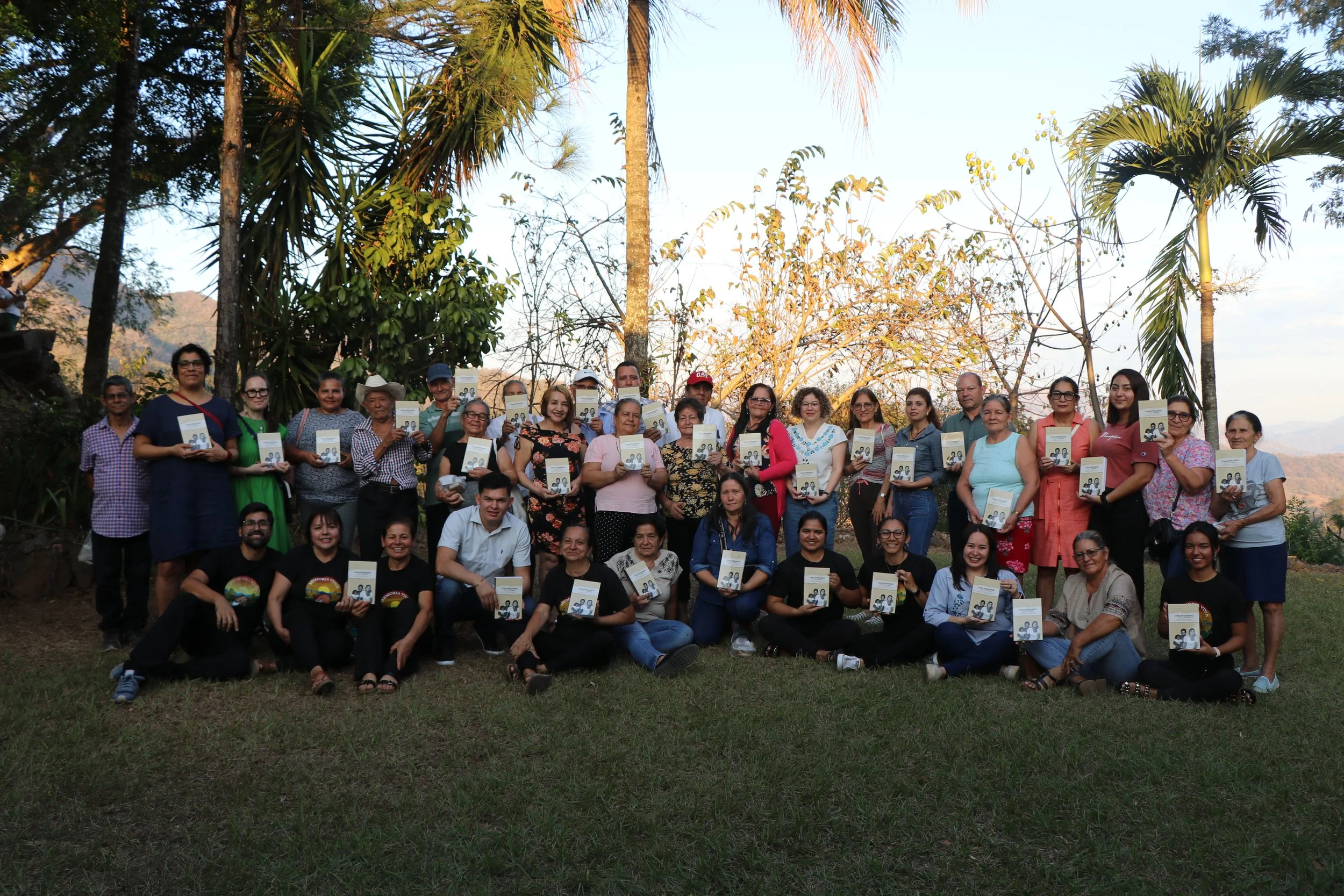
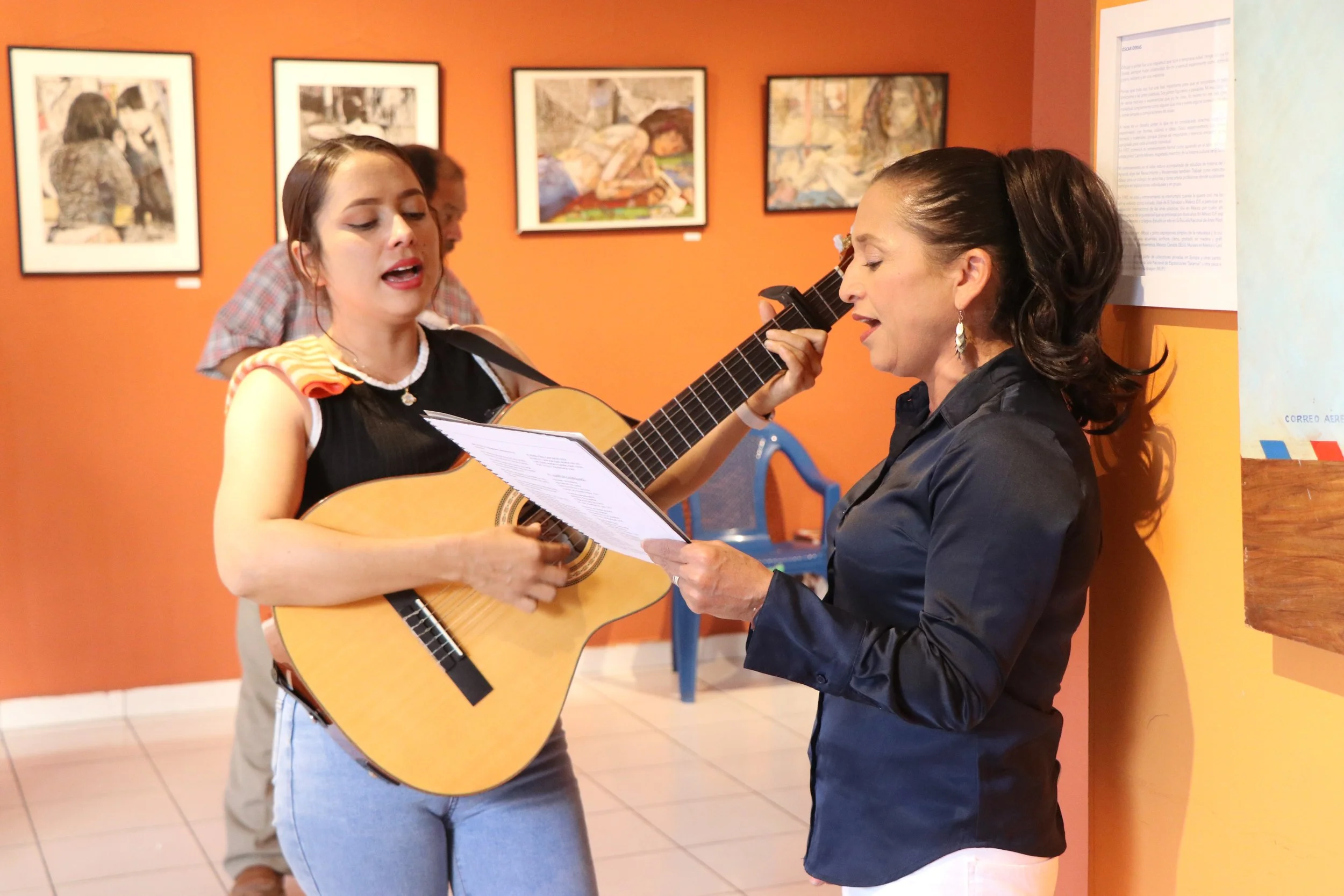
On February 16, 17, and 18, 2026, the Surviving Memory research initiative presented its fourth community book. Chalatenango Luz y Sombra: Fotografías de Ralph Sprenkels y Memorias de las Comunidades Repobladas [Chalatenango Light and Shadow: Photographs by Ralph Sprenkels and Memories of the Repopulated Communities](MUPI, 2025) was launched in San Salvador, Guarjila, and Cuscatlán, with a total of 300 attendees. During the book presentations, participants included survivor communities from Chalatenango, the theater group Memoria Viva from the community of Las Vueltas in Chalatenango, young singer-songwriter Sandra Alas from the community of Guancora in Chalatenango, and the book’s editors.
Chalatenango Light and Shadow presents a blend of testimonies, photographs, reflections on the past, drawings, poetry, and music. The book begins with photographs from the archive of Ralph (Rafa) Sprenkels, a Dutch anthropologist-historian who lived in the communities of Chalatenango during the early postwar years. From there, he documented testimonies about violence against the civilian population between 1980 and 1992, while also photographing community life during the first years of reconstruction. In these photo-graphs, we see the communities, community events such as commemorations, theater performances, and masses, and the friendships Rafa formed during his years in Chalatenango. The book is built around the stories of 73 photographs and what they convey from the perspective of survivors of the war in Chalatenango’s communities. It includes testimonies about what happened in the 1980s and in the immediate aftermath of the Civil War in 1992, as well as present-day reflections and an intergenerational discussion about memory—what it means and what people hope to achieve by learning about and understanding the memories of the war years. This discussion is not always presented through essays or testimonies; it can also appear in the form of drawings, songs, or poems.
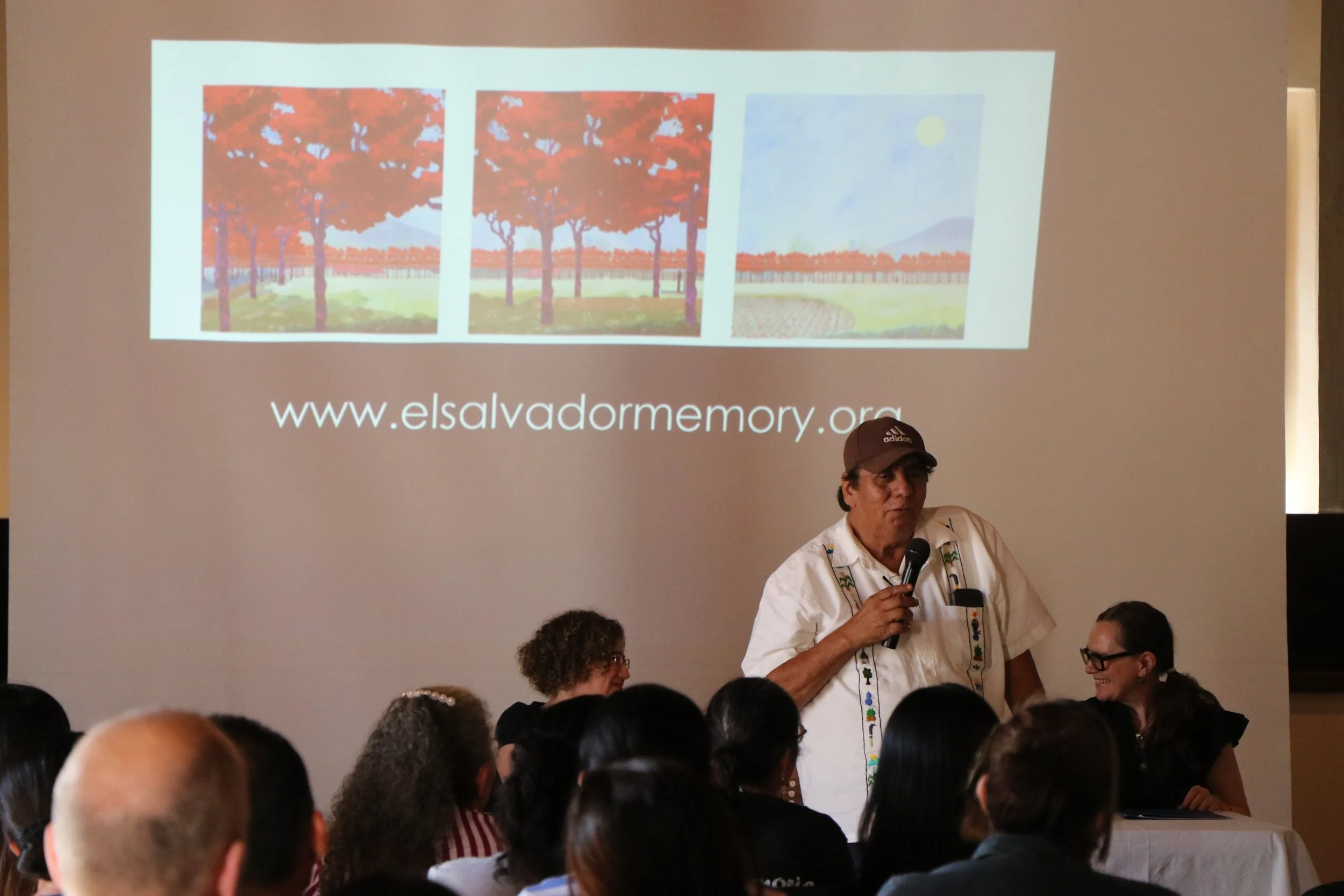
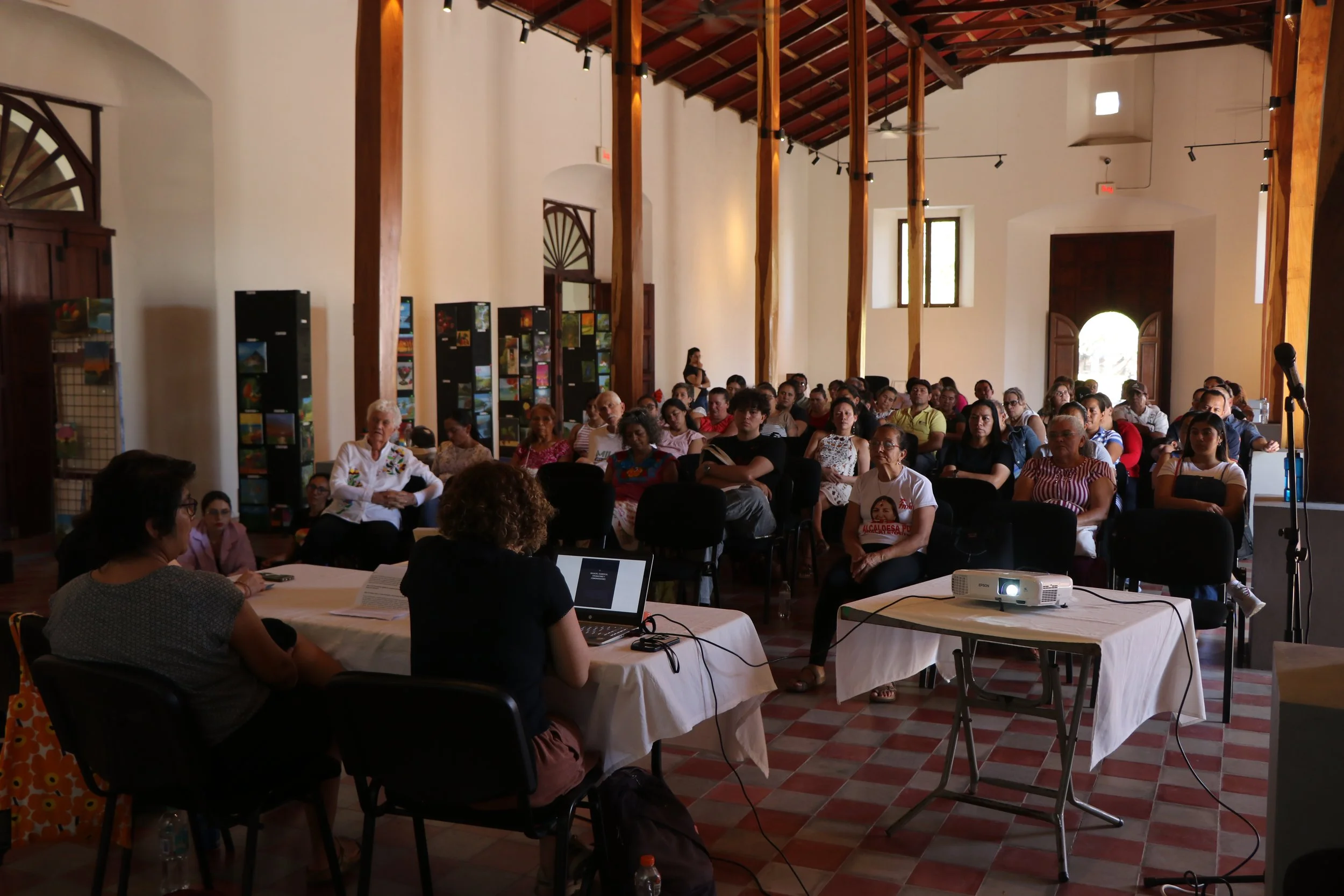
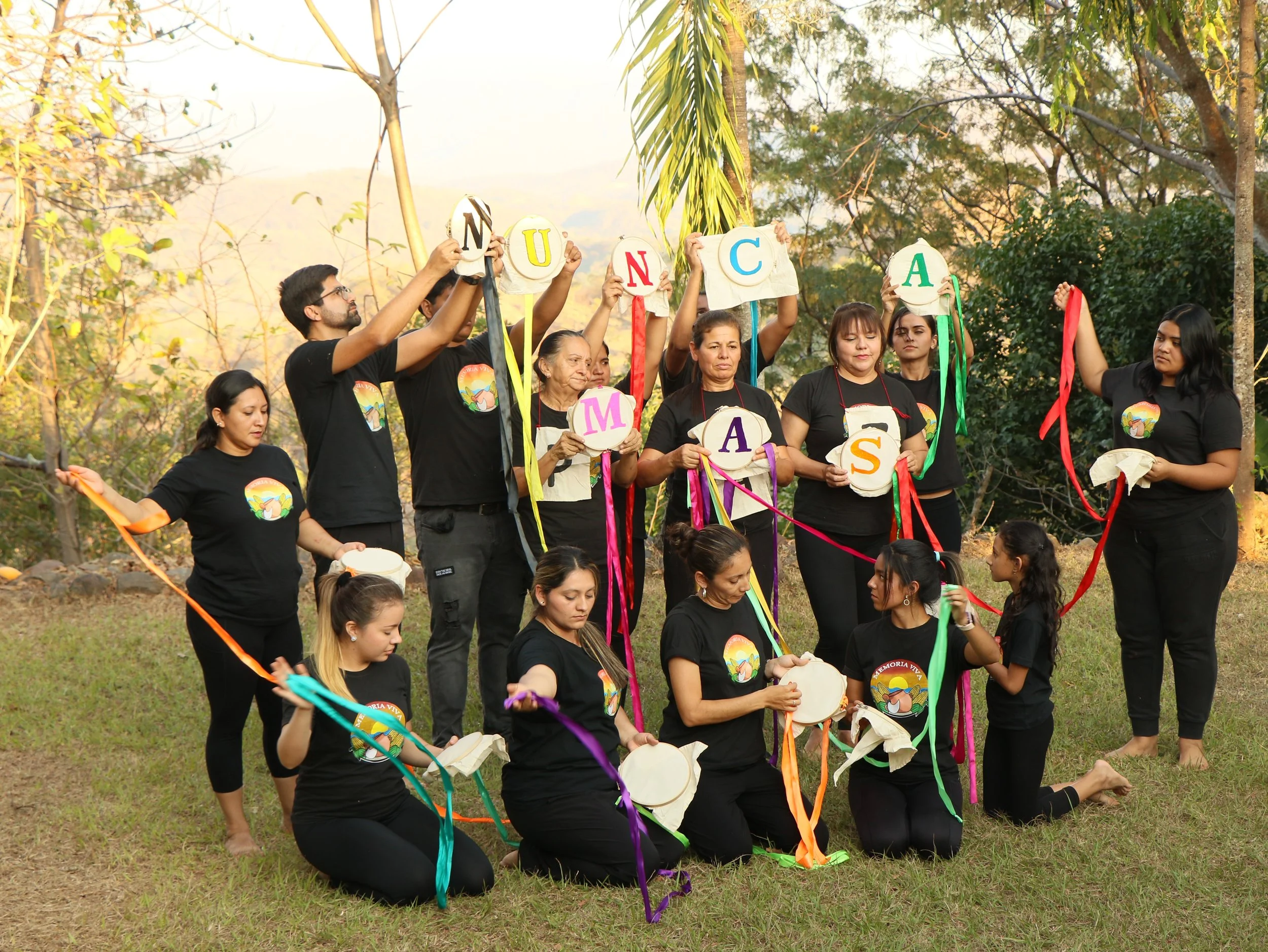
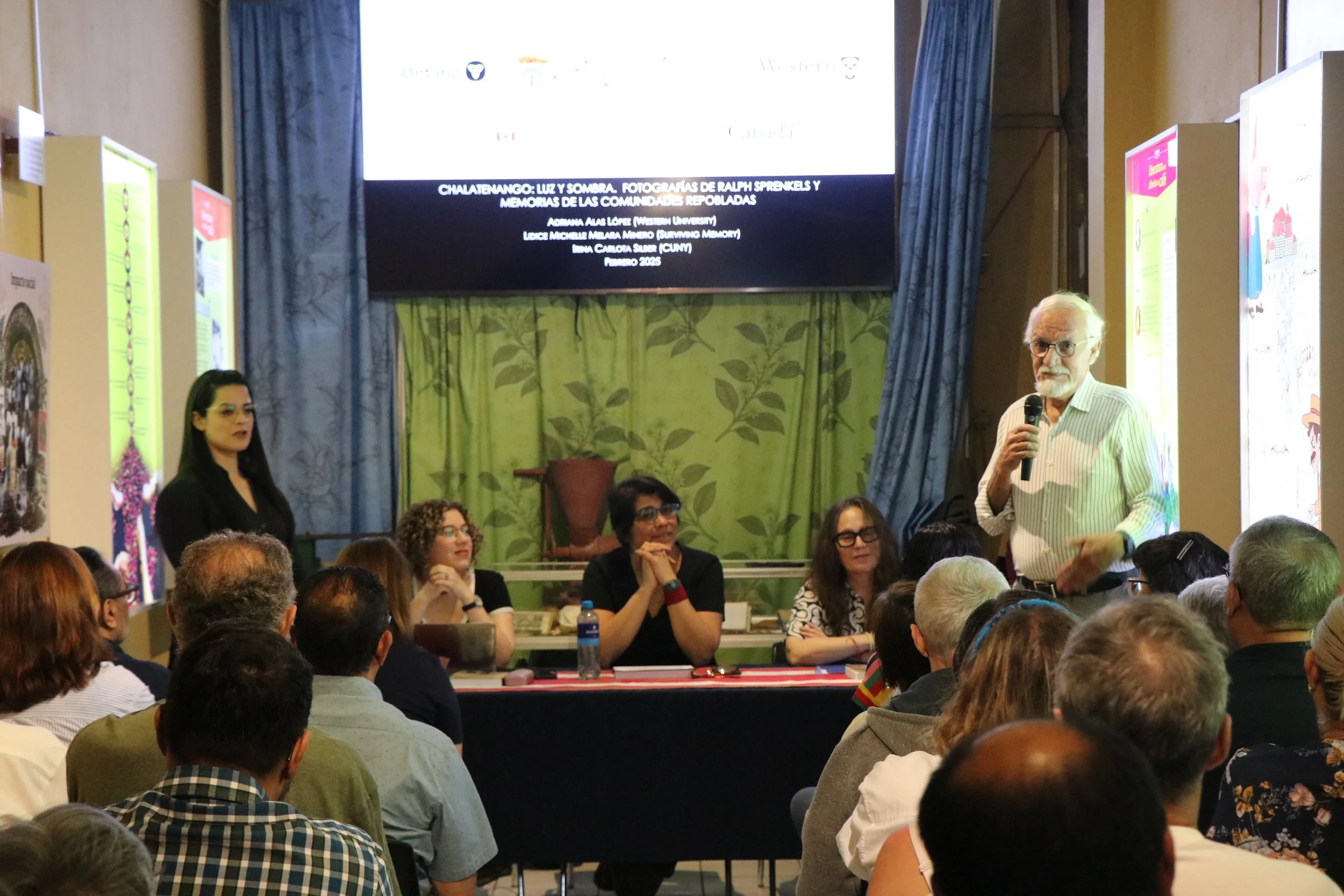
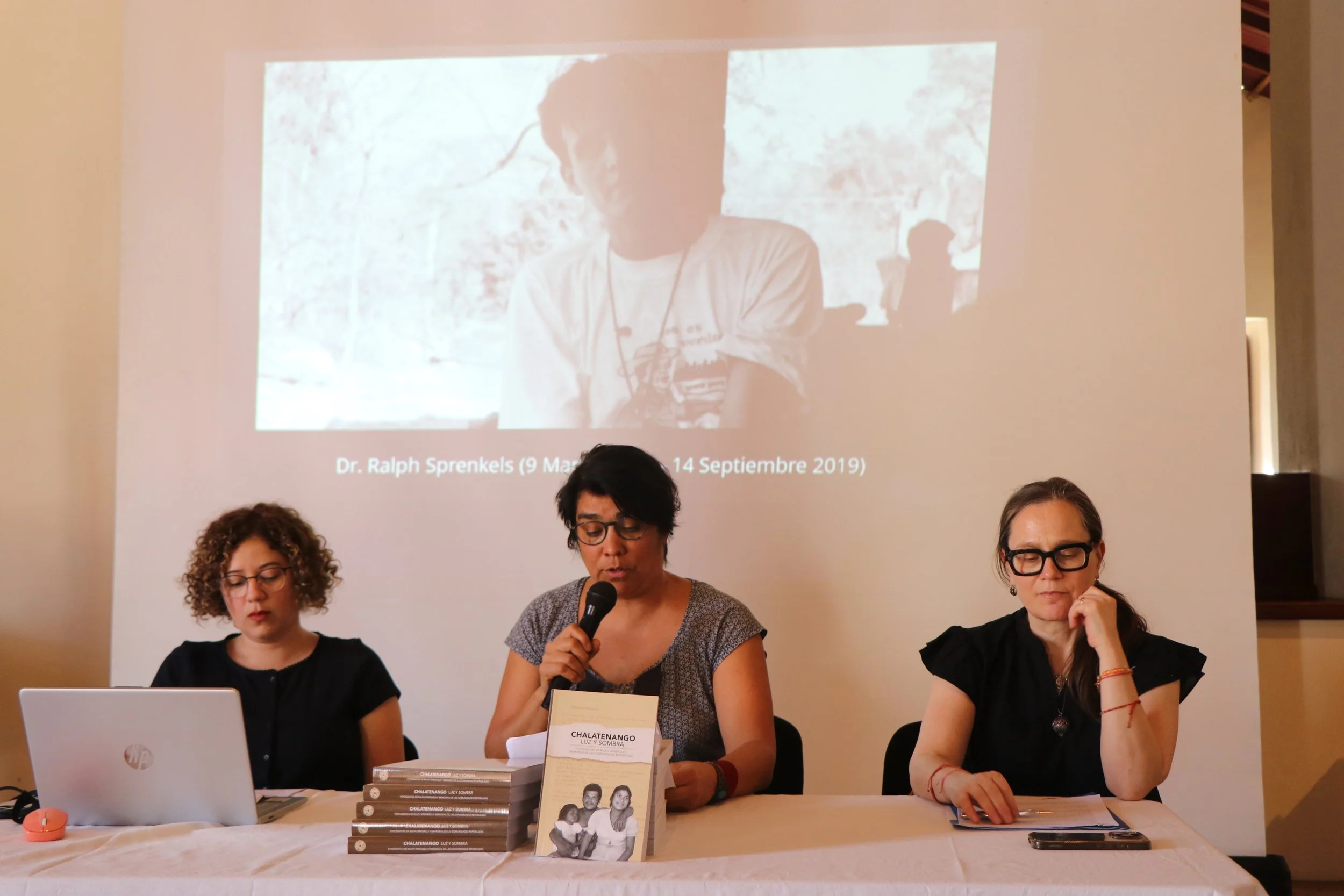
The book was edited by Adriana Alas (Western University), Michelle Melara (Surviving Memory/Casa Museo Jon Cortina), and Irina Silber (CUNY). It is a community co-authored work in which more than 50 people from the repopulated communities of San José Las Flores, Arcatao, Nueva Trinidad, Las Limas, San Antonio Los Ranchos, Guancora/Ignacio Ellacuría, Guarjila, Las Minas, and Las Vueltas participated. The book project also included the support and co-authorship of representatives from historical organizations such as Asociación Sumpul, the Association of Survivors of the Sumpul Massacre and Other Massacres of Chalatenango, the Museo de la Palabra y la Imagen [Museum of the Word and Image, MUPI], the FotoRafa Archive, the Asociación de Comunidades para el Desarrollo de Chalatenango [Association of Communities for the Development of Chalatenango, CCR], the Centro Arte para la Paz [Art Center for Peace, CAP], Casa Museo Jon Cortina [Jon Cortina House Museum], and Cáritas Chalatenango.
The Surviving Memory in Postwar El Salvador research initiative is supported in part by funding from the Social Sciences and Humanities Research Council of Canada, Western University, the Canadian Foundation for Innovation, and the Ontario Research Fund.
Mapping from Memory: A Workshop to Draw and Remember Copapayo
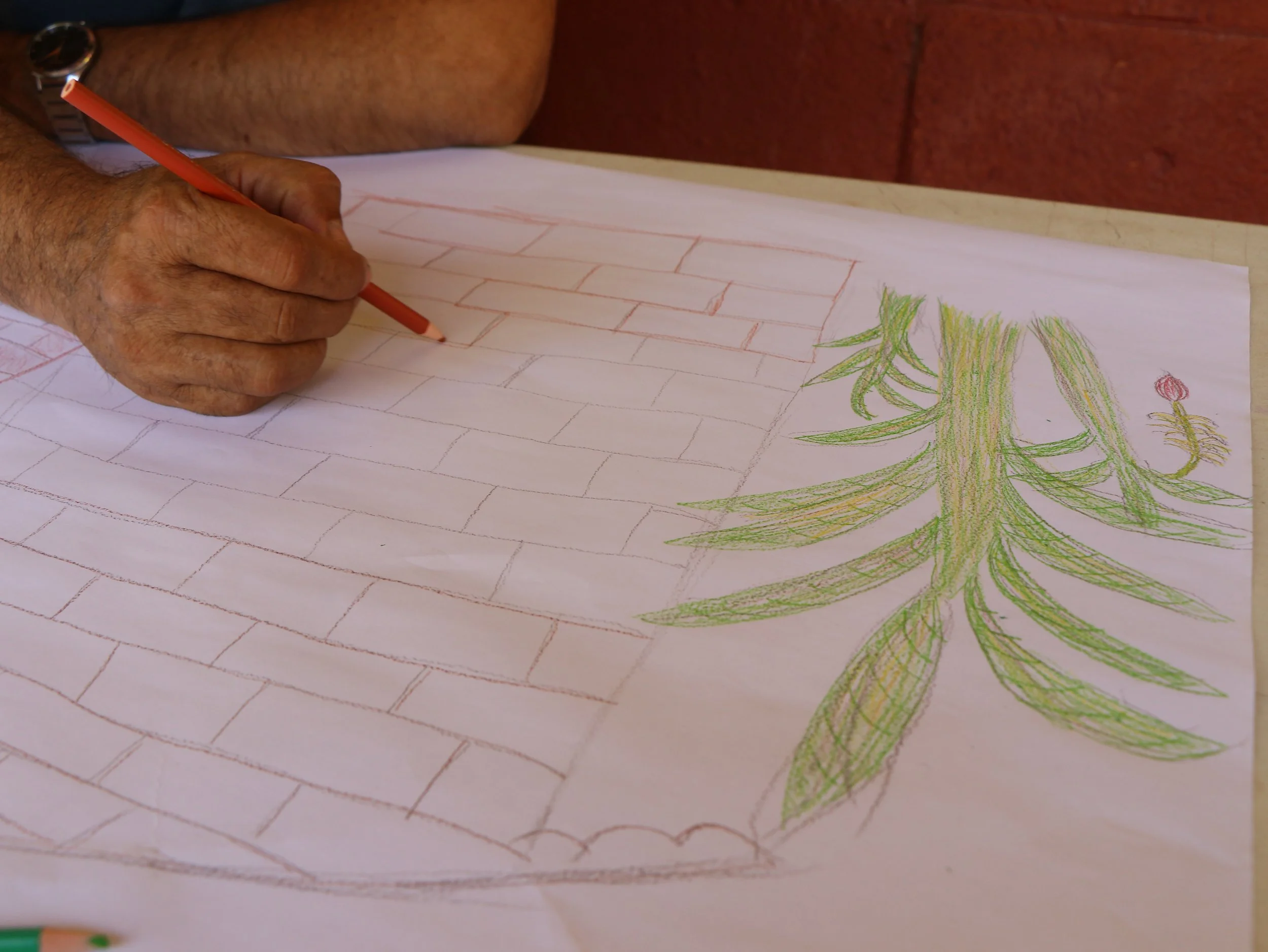
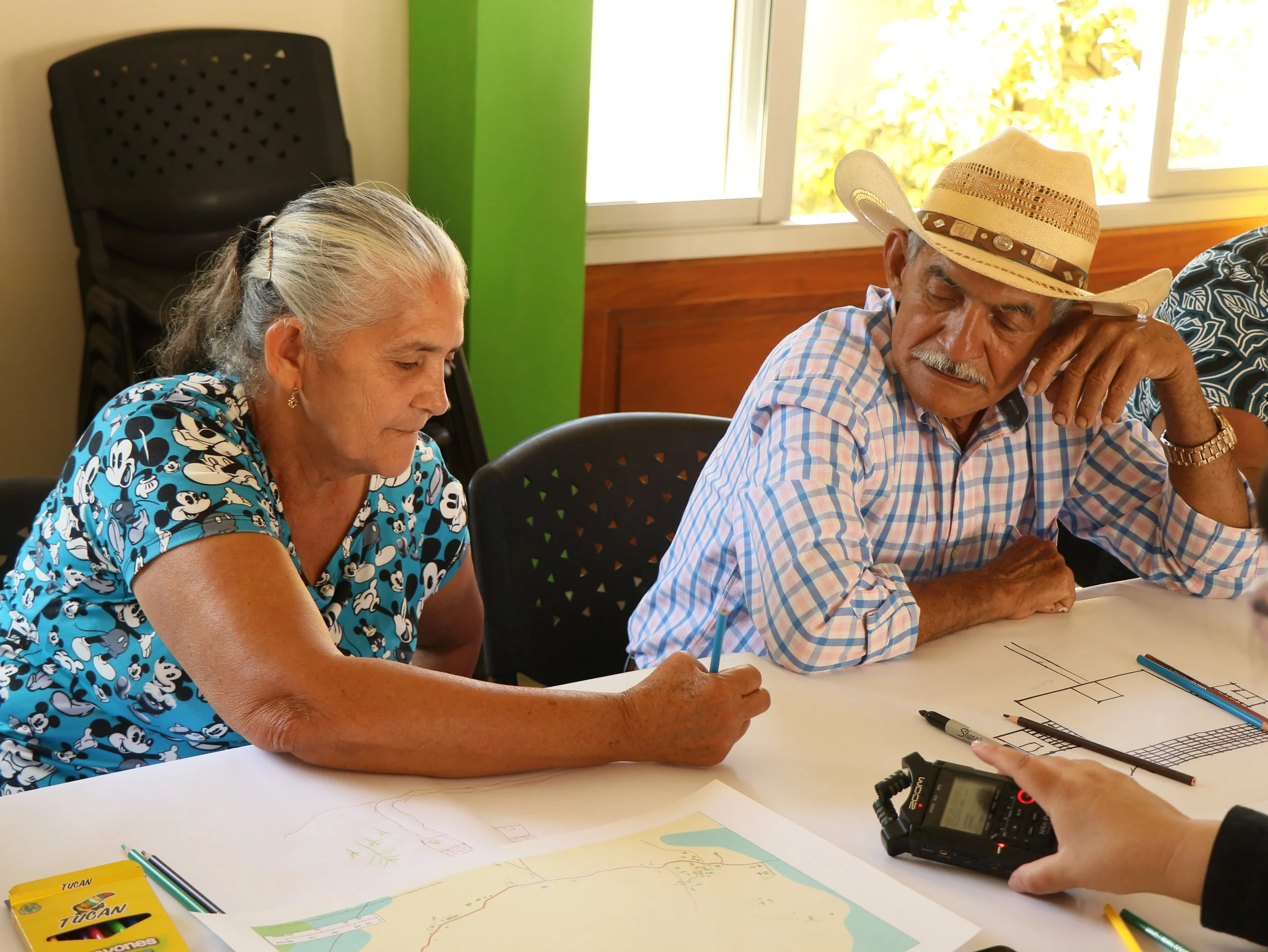
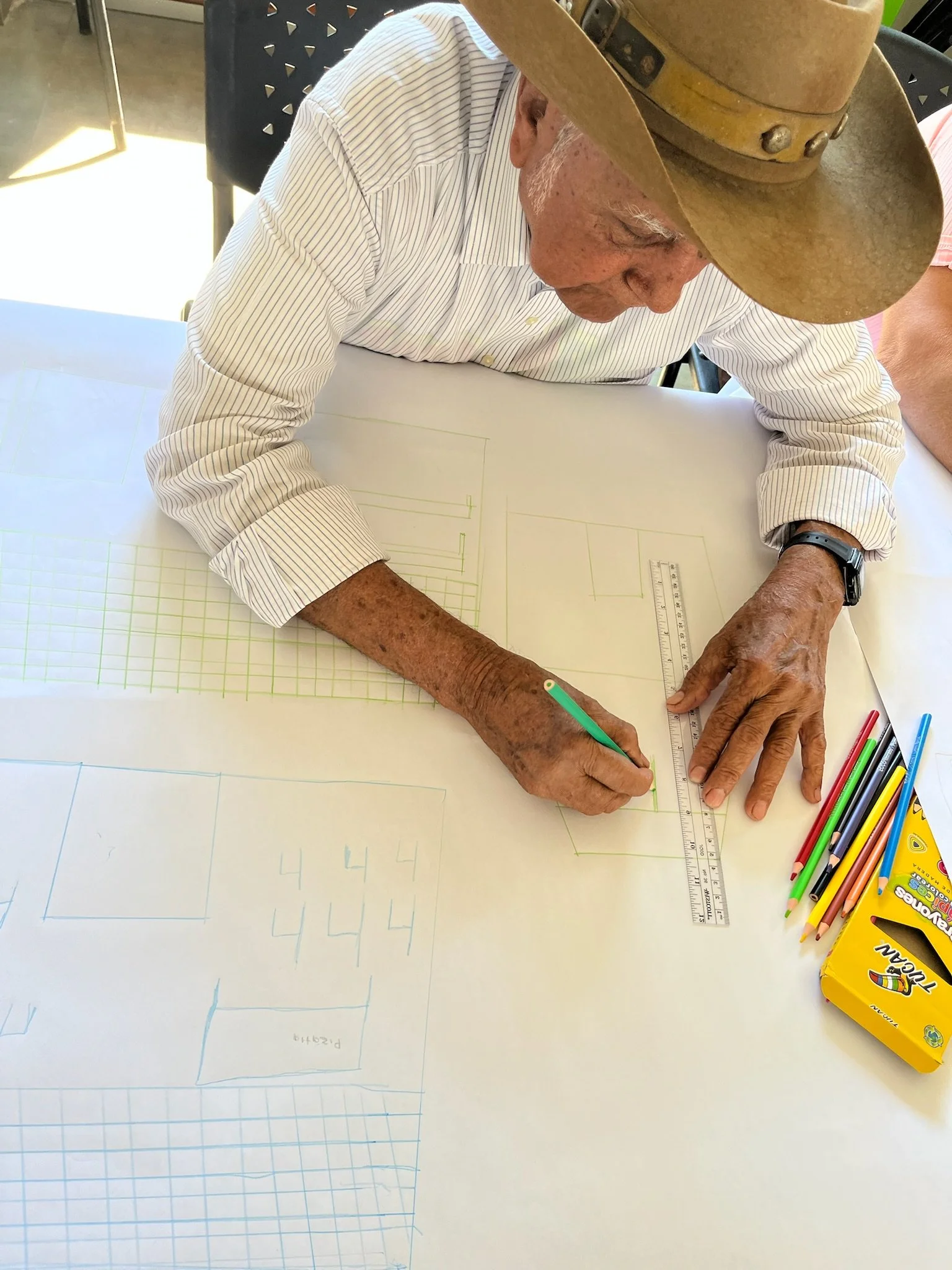
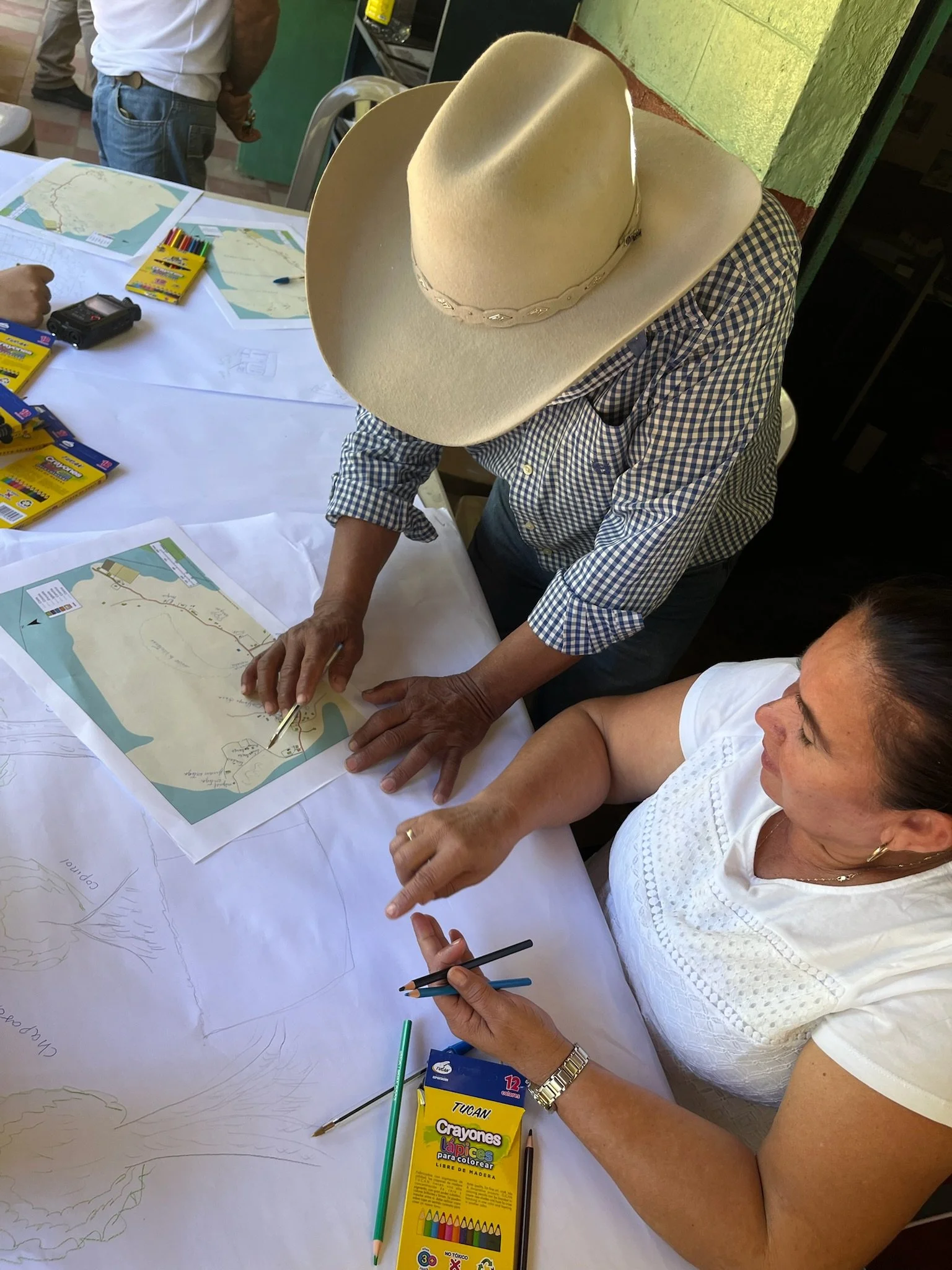
On February 7 and 8, we held two participatory mapping workshops in Suchitoto and Sitio Cenícero as part of the Virtual Reconstruction of Copapayo Viejo project.
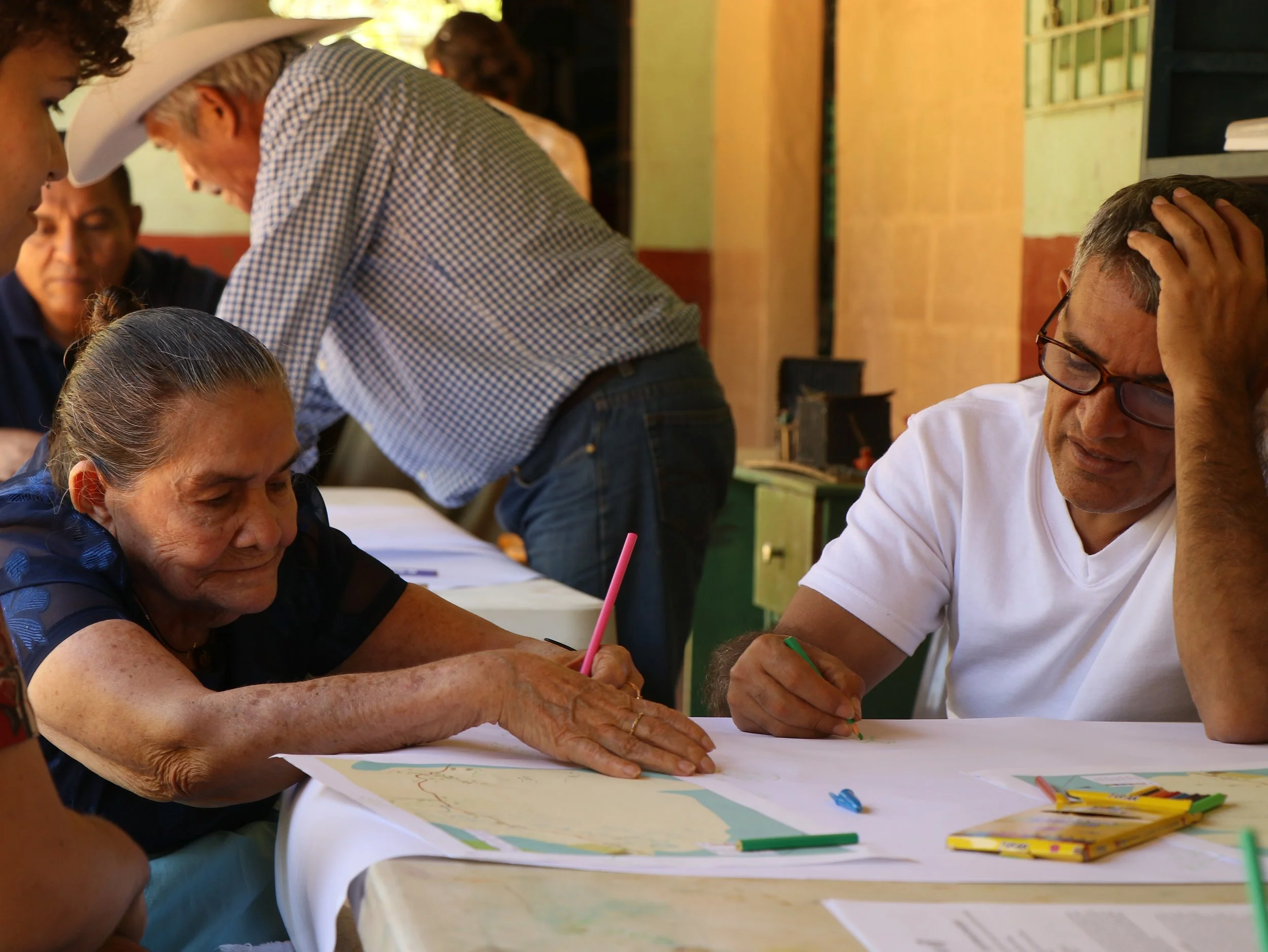
In these workshops, people who lived in Copapayo before the war worked with the Surviving Memory team to reconstruct, from memory, the layout of the former settlement. Using printed maps, paper, and colored pencils, participants identified streets, homes, and community spaces, and drew the houses where they once lived, contributing details about their structure, surroundings, and everyday life.
The sessions were facilitated by Zack MacDonald (map librarian), María Laura Flores Barba (postdoctoral researcher), Fátima Pérez (sociologist and project collaborator), and Francisco Mejía (local coordinator for Surviving Memory).
These activities build on a broader process that, since 2024, has included site visits, high-resolution GPS surveys and remote sensing technologies, as well as the recording of testimonies. Based on this work, the team has begun developing a digital map and 3D models of the homes.
The goal of this year’s workshops was to share these advances with the community and to continue enriching the collective reconstruction of Copapayo. The maps and drawings produced will be integrated as additional layers of information within the virtual simulation.
We are deeply grateful to all participants for sharing their memories, as well as to Patricia Market for her support in the conceptualization of the workshop and in the digitization of the materials.
The Surviving Memory in Postwar El Salvador research initiative is supported in part by funding from the Social Sciences and Humanities Research Council of Canada, Western University, the Canadian Foundation for Innovation, and the Ontario Research Fund.
Architecture Students Engage in Community Memory Work in Chalatenango
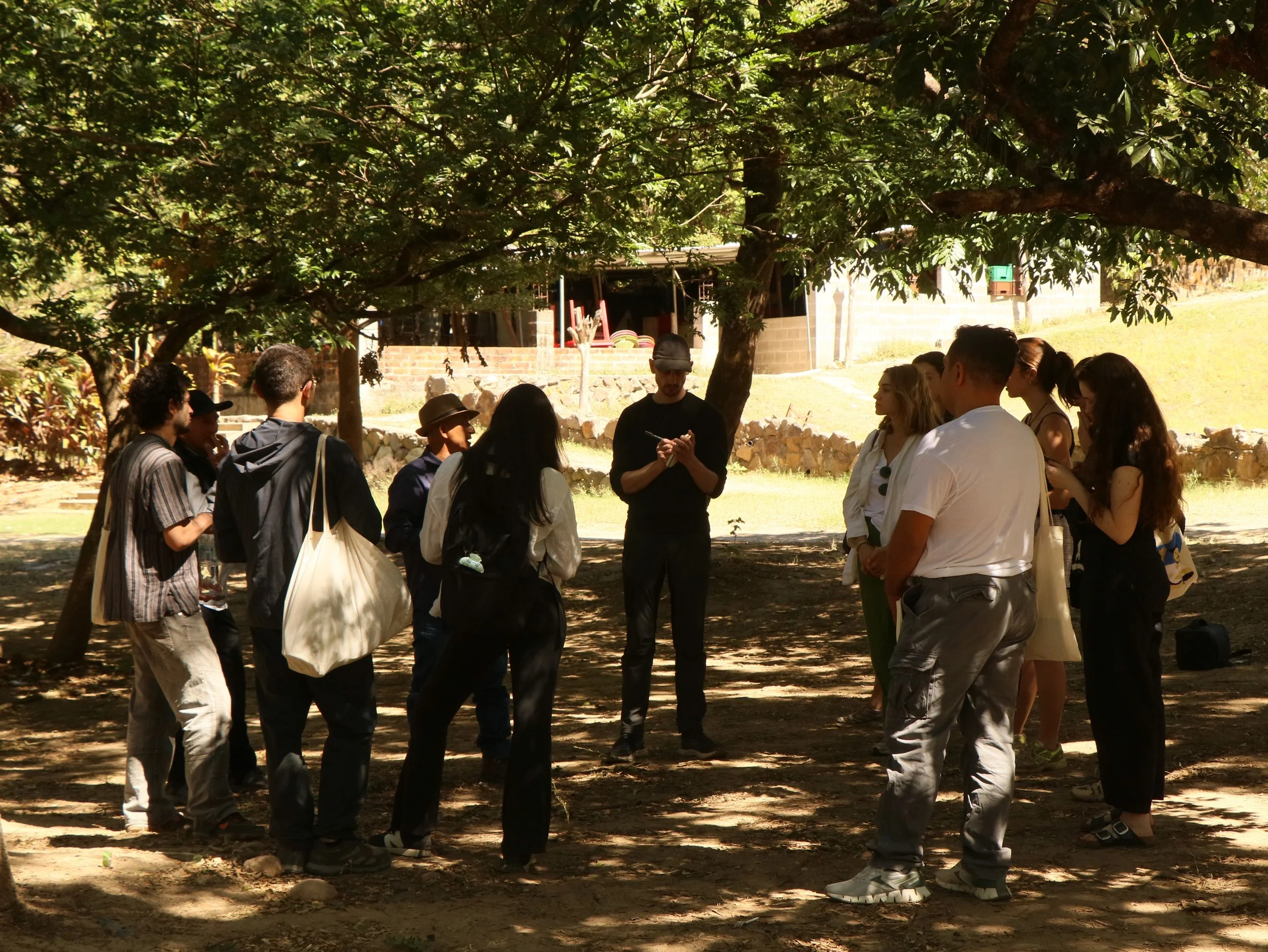
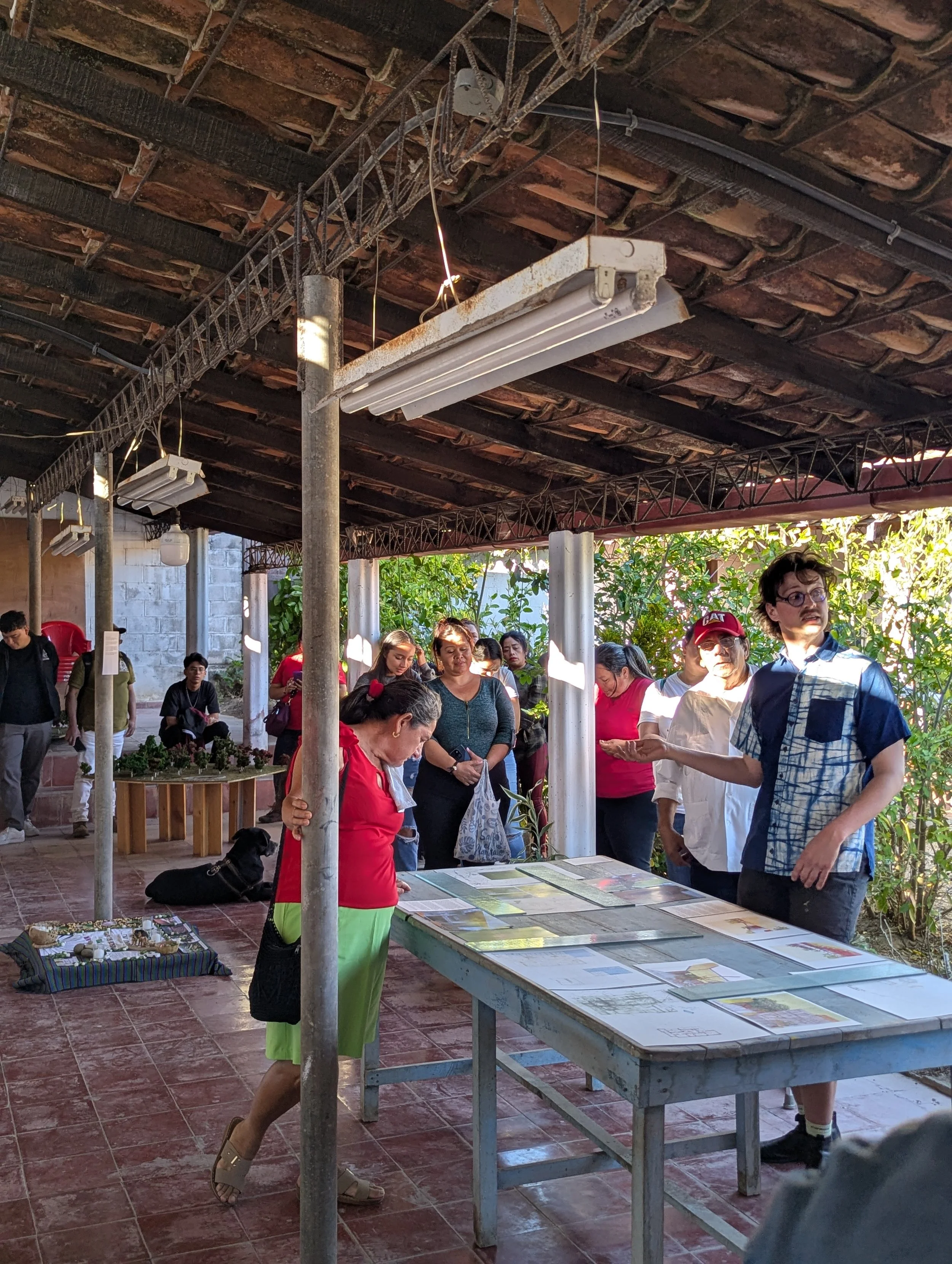
From 24 January to 8 February 2026, seven master students from the KU Leuven Faculty of Architecture travelled to El Salvador for an intensive fieldwork period that will shape their master thesis projects. Each student is developing an architectural proposal for a memory space linked to a massacre site in Chalatenango. This year, the focus lies on Guinda de Mayo, Guancora, Casa de la Memoria [Memory House], and El Alto, where they had the opportunity to listen to testimonies and engage with community members.
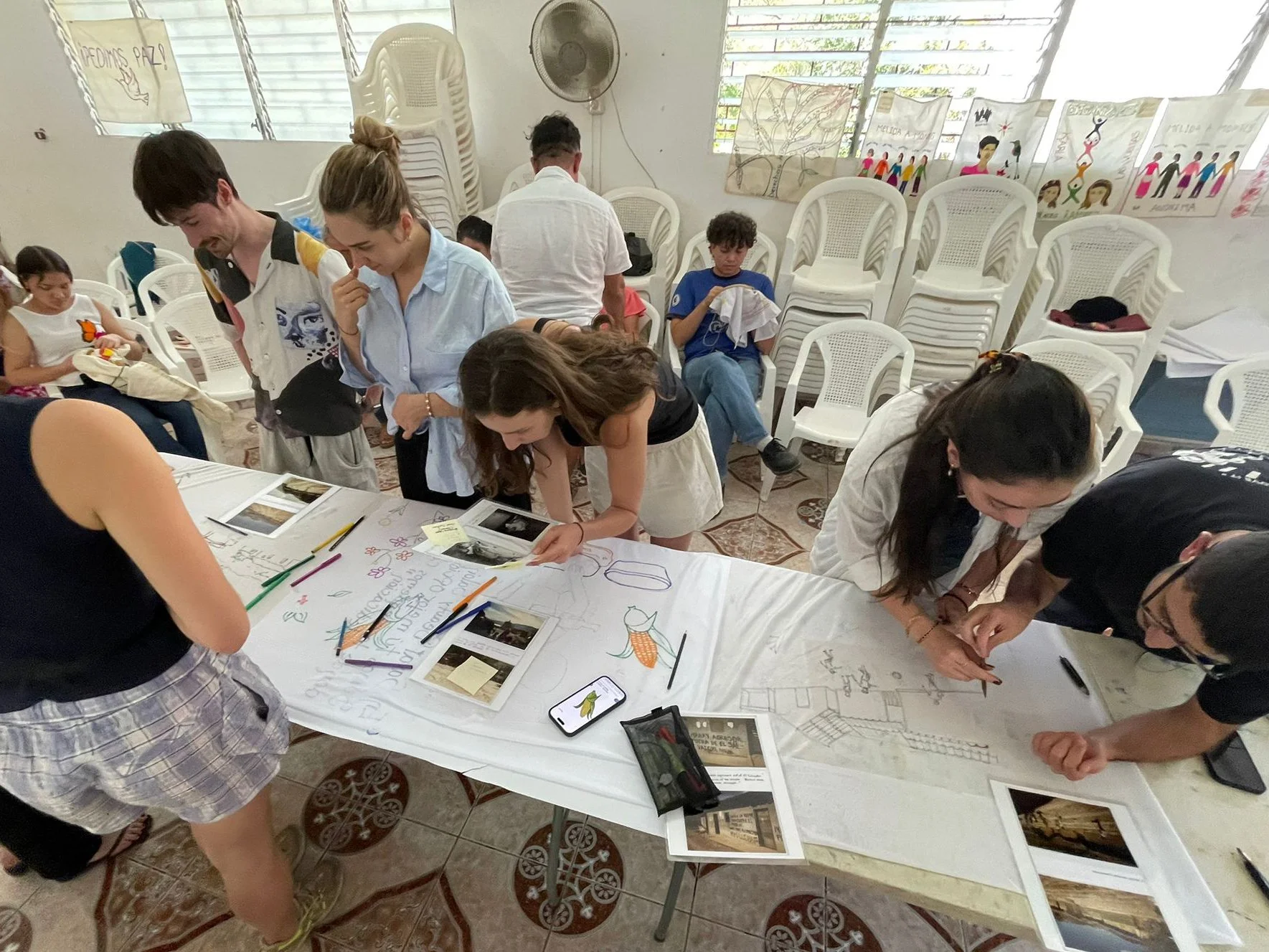
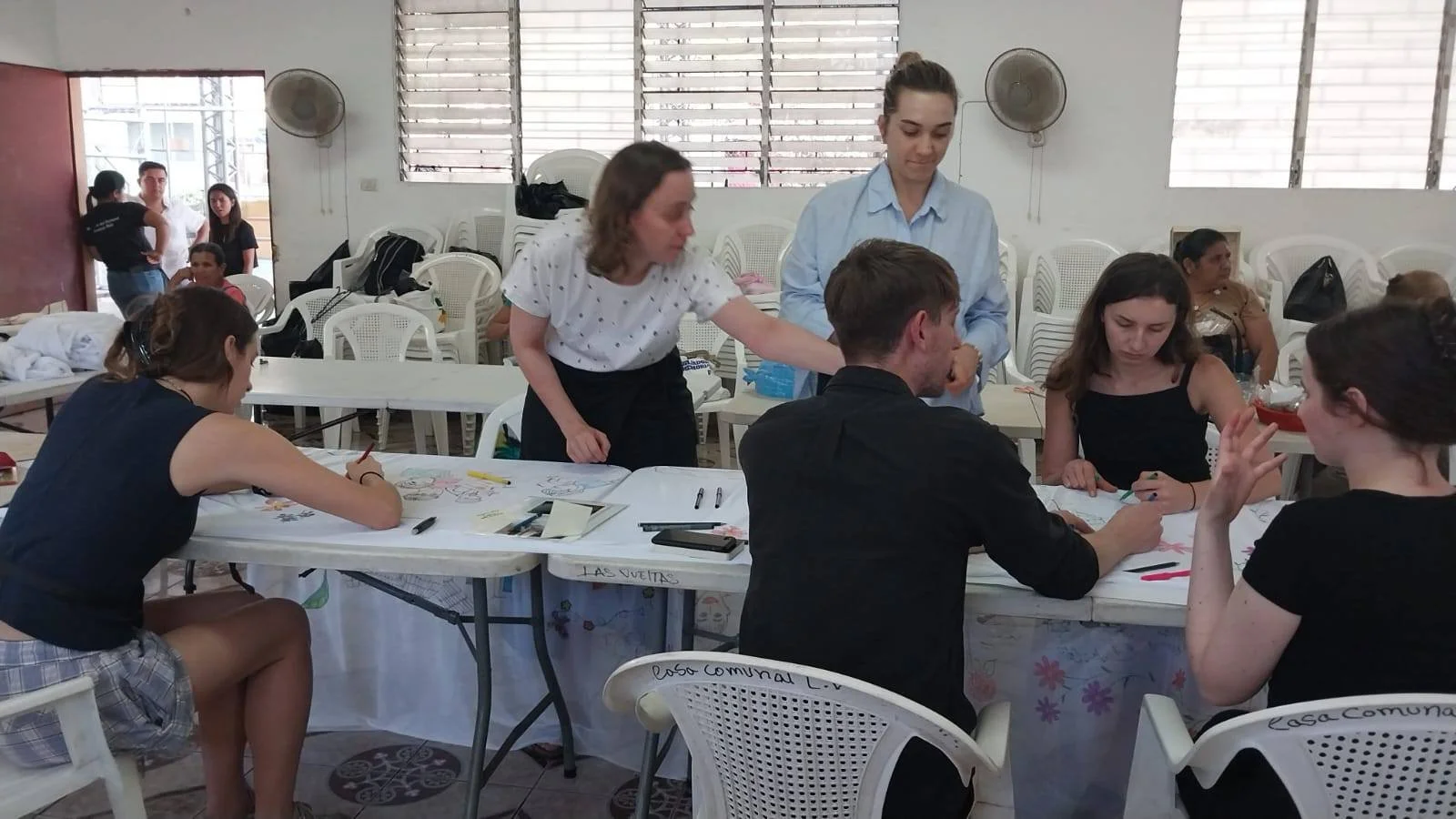
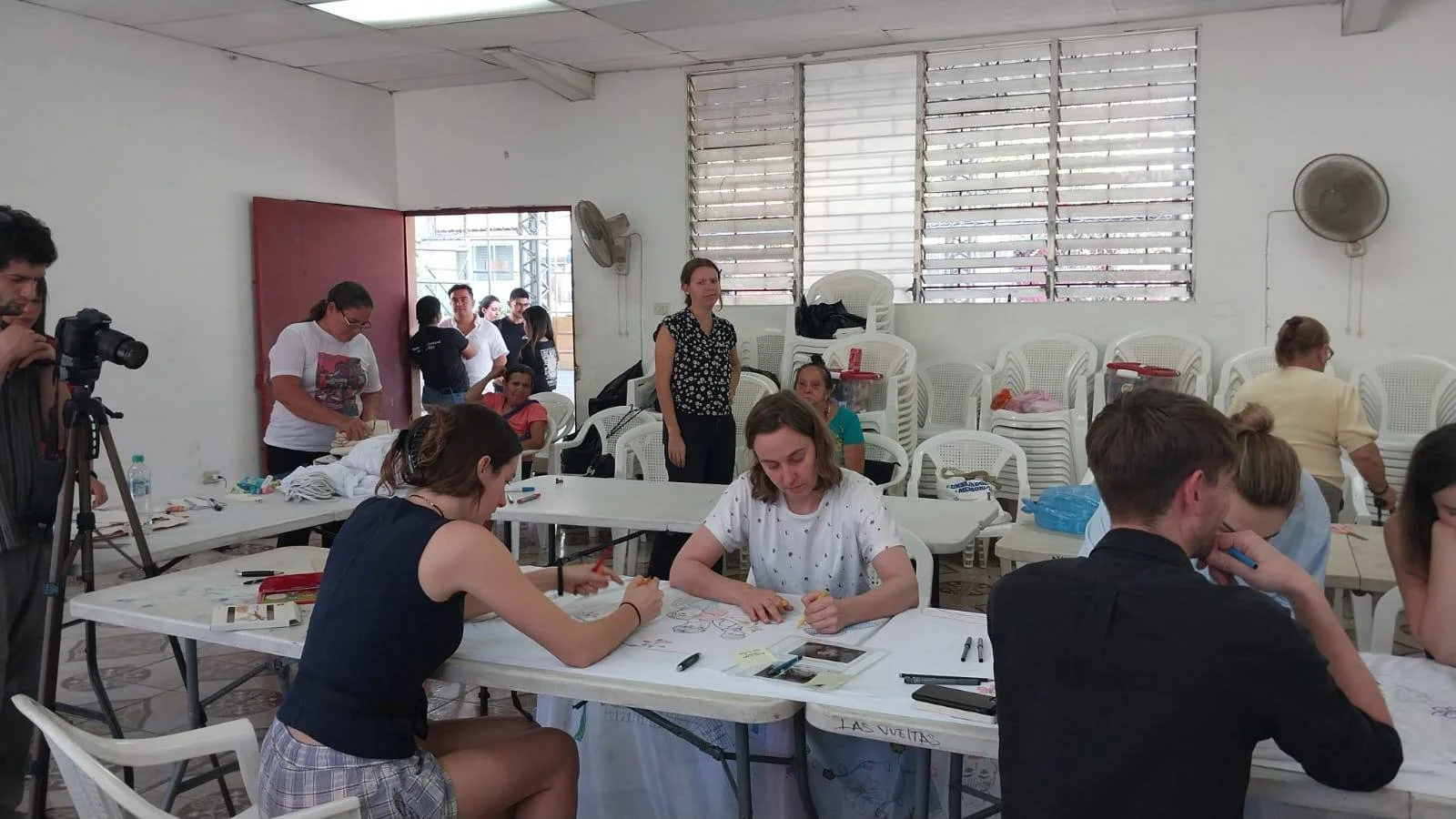
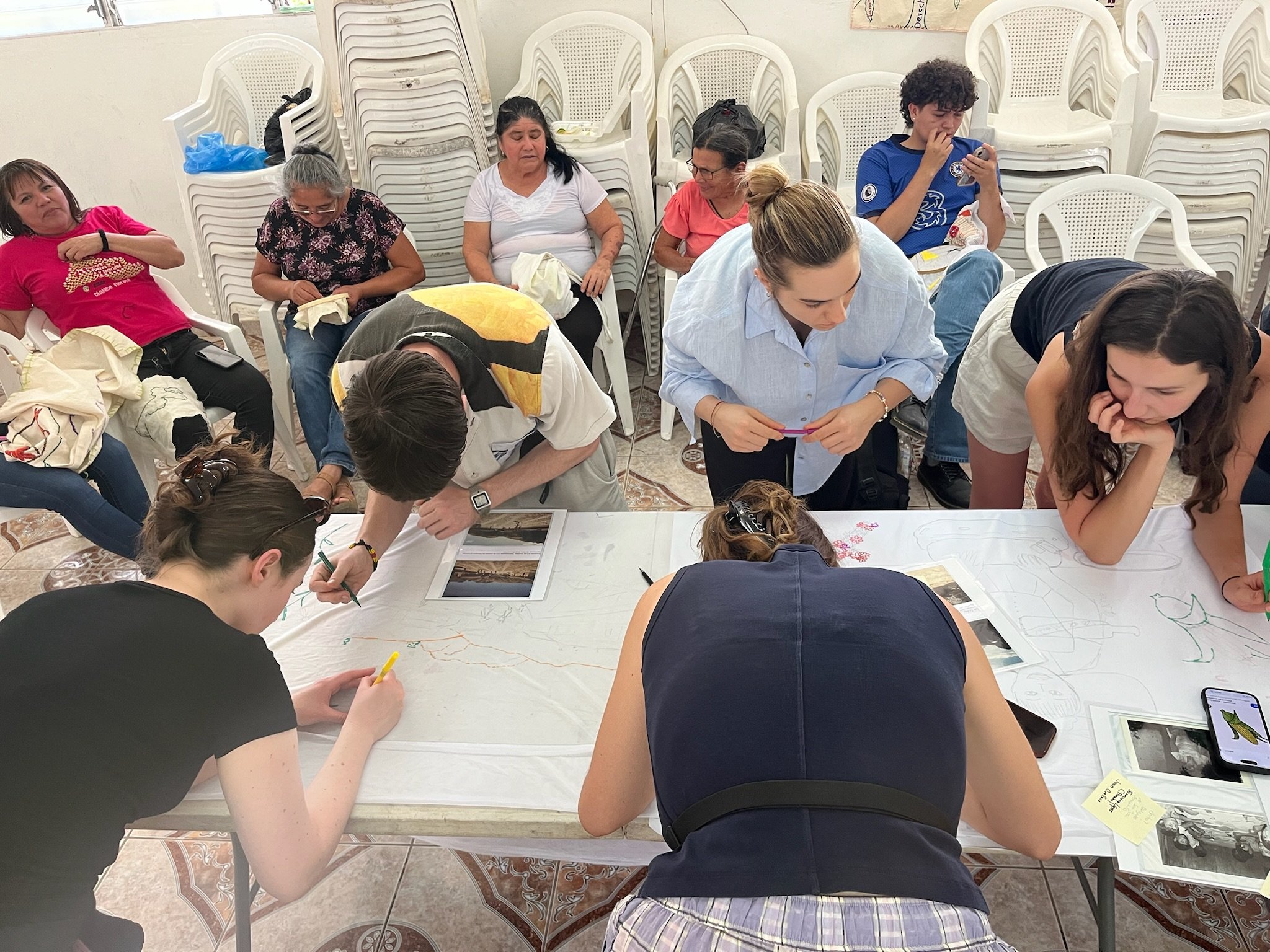
During the trip, the students participated in a workshop led by María Laura Flores Barba and Victor Fallon Macal Guerra, in collaboration with Colectivo Bordando Historia [Embroidering History Collective] in Las Vueltas. The students produced drawings based on archival photographs of Las Vueltas, which will be embroidered onto “Hamacas para las Almas” [Hammocks for Souls], an ongoing art installation by Victor Fallon Macal Guerra.
The students’ itinerary also connected them to the ongoing architectural projects. In Las Aradas, they visited the recently completed memorial project and experienced its significance first-hand. In El Higueral, they joined a community meeting to prepare the upcoming construction of five memorial columns, developed in close collaboration with survivors and community members. Finally, at San José Las Flores Casa de la Memoria, they assisted mounting the new exhibition “Obras de Memorias” [Works of Memories], thus inscribing themselves in the ongoing and evolving process of the Casa project.
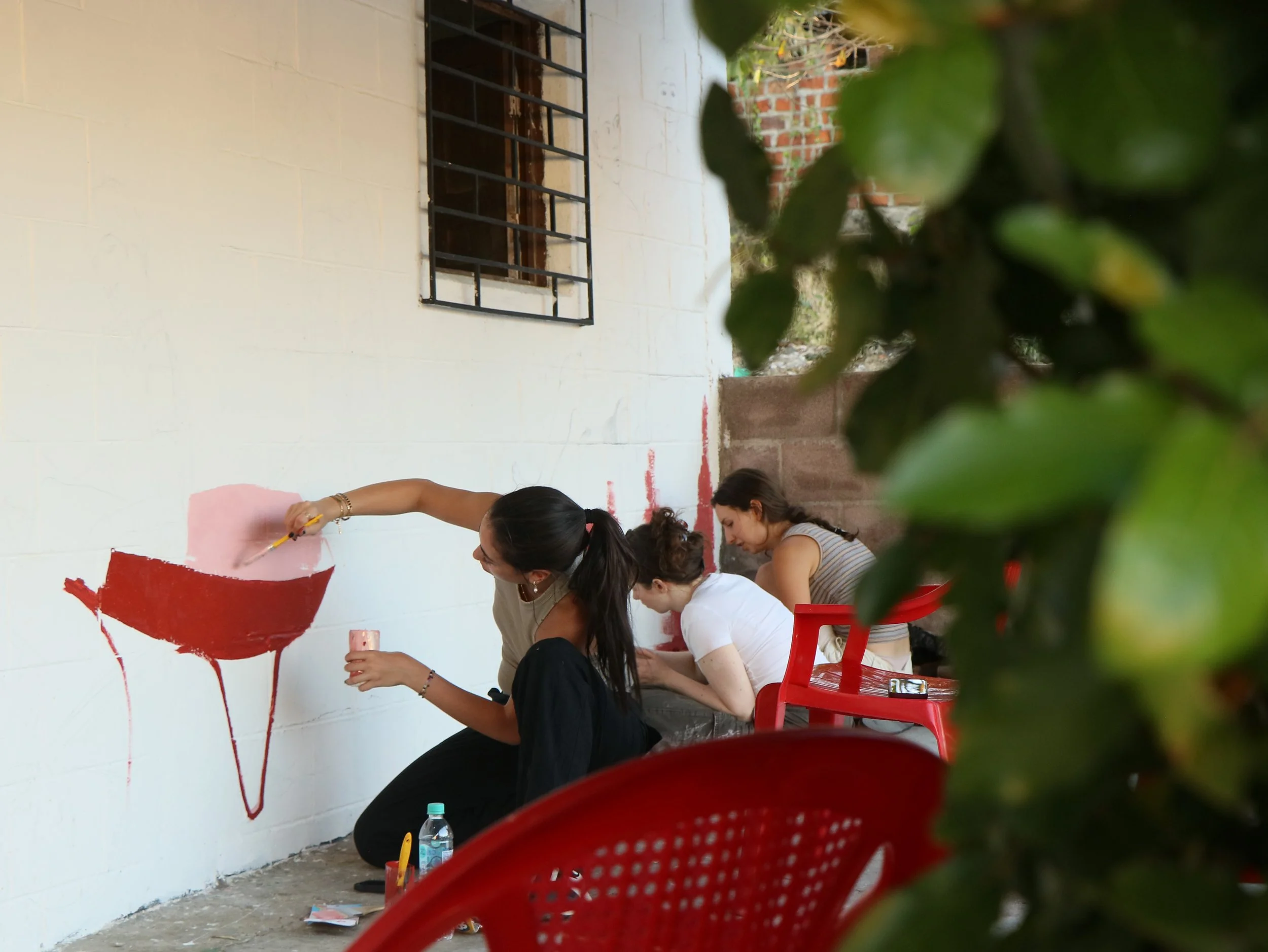
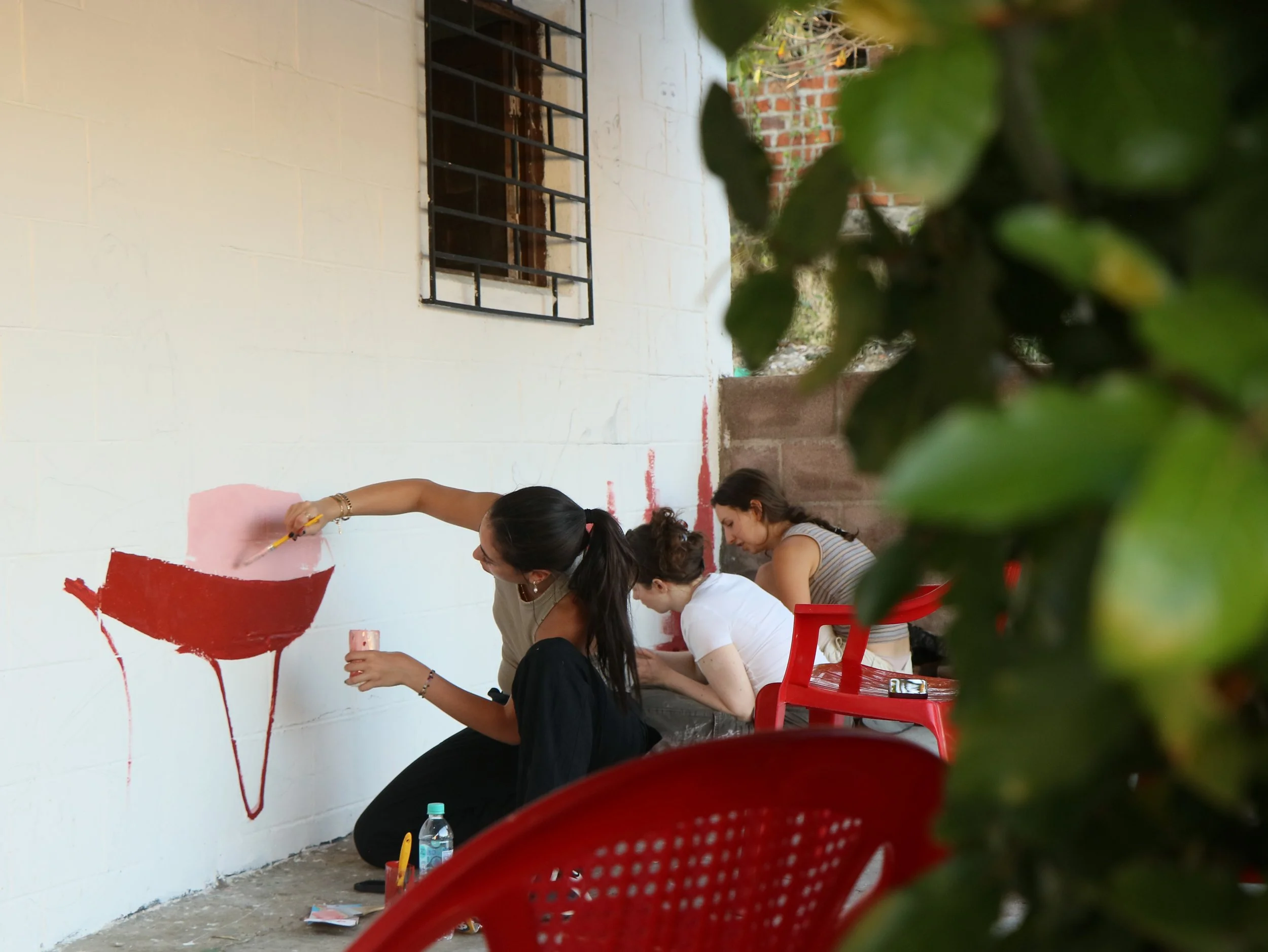
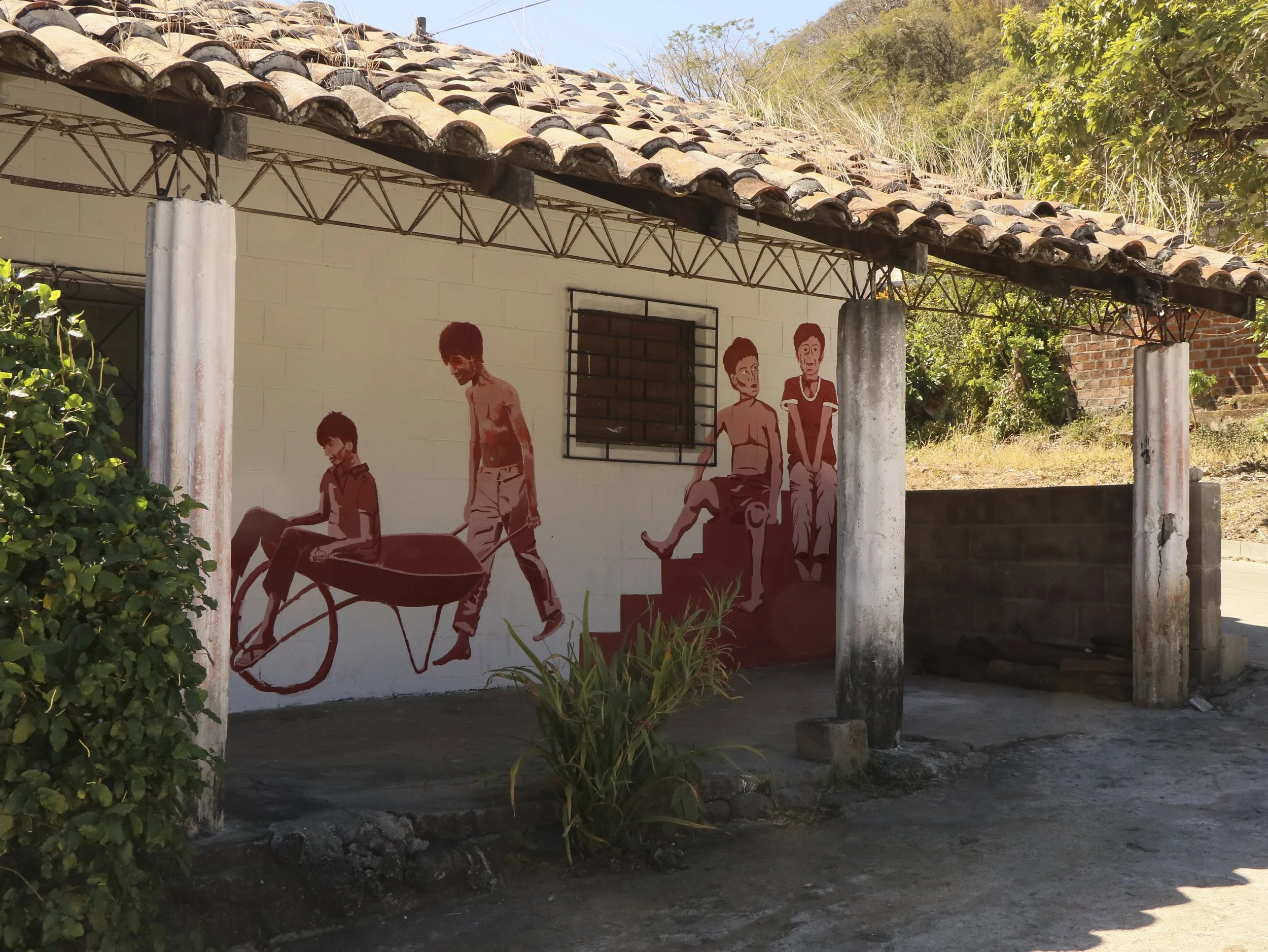
This latest exhibition brings together artistic works inspired by historical memory and shows ongoing architectural research for several massacre sites. The exhibition features contributions from both Salvadoran and international artists, including Antonio Romero and Colectivo Matiz . To mark the opening, the students painted a new mural on the facade of the Casa.
This two-week journey offered the students a chance to witness the strength of community-led memory work, contribute in small but meaningful ways, and reflect on the role architecture can play in supporting processes of remembrance.
The Surviving Memory in Postwar El Salvador research initiative is supported in part by funding from the Social Sciences and Humanities Research Council of Canada, Western University, KU Leuven, the Canadian Foundation for Innovation, and the Ontario Research Fund.
Embroiderers from Las Vueltas participate in a historical memory workshop
In January 2025, the Mujeres Bordadoras Vueltenses [Embroidery Women of Las Vueltas] collective participated in historical memory workshops in Las Vueltas, Chalatenango. Teresa Cruz, an embroiderer and popular educator from the Museum of the Word and Image (MUPI), leads the group.
This workshop was coordinated by Western University (Canada) and by architects from KU Leuven University (Belgium), with the support of architect Evelia Macal, and Amanda Grzyb, coordinator of the Surviving Memory initiative.
The process began with the identification of historical images from the armed conflict, followed by visits to the places where those images were taken in order to identify the changes that have occurred over time. Later, a team of architecture students produced drawings based on the stories evoked by the photographs.
Using these sketches as a foundation, the embroiderers will stitch their stories with colored threads, creating testimonial pieces that will eventually become part of a museum collection to preserve the community’s legacy.
The activity also had the voluntary support of Olvin J. Abrego Ayala, an intern at MUPI, who is spending one year in El Salvador through support from his university’s Olga Gruss Lewin Program and a Fulbright research grant. Ayala comes from a family originally from Honduras, was born in Chalatenango, and lives in the United States, where he completed his bachelor’s degree in Latin American Studies at Dartmouth University.
The Surviving Memory in Postwar El Salvador research initiative is supported in part by funding from the Social Sciences and Humanities Research Council of Canada, Western University, KU Leuven, the Canadian Foundation for Innovation, and the Ontario Research Fund.
Surviving Memory’s Economic Reconstruction Project Advances Through Research Activities, Academic Output, and Institutional Coordination
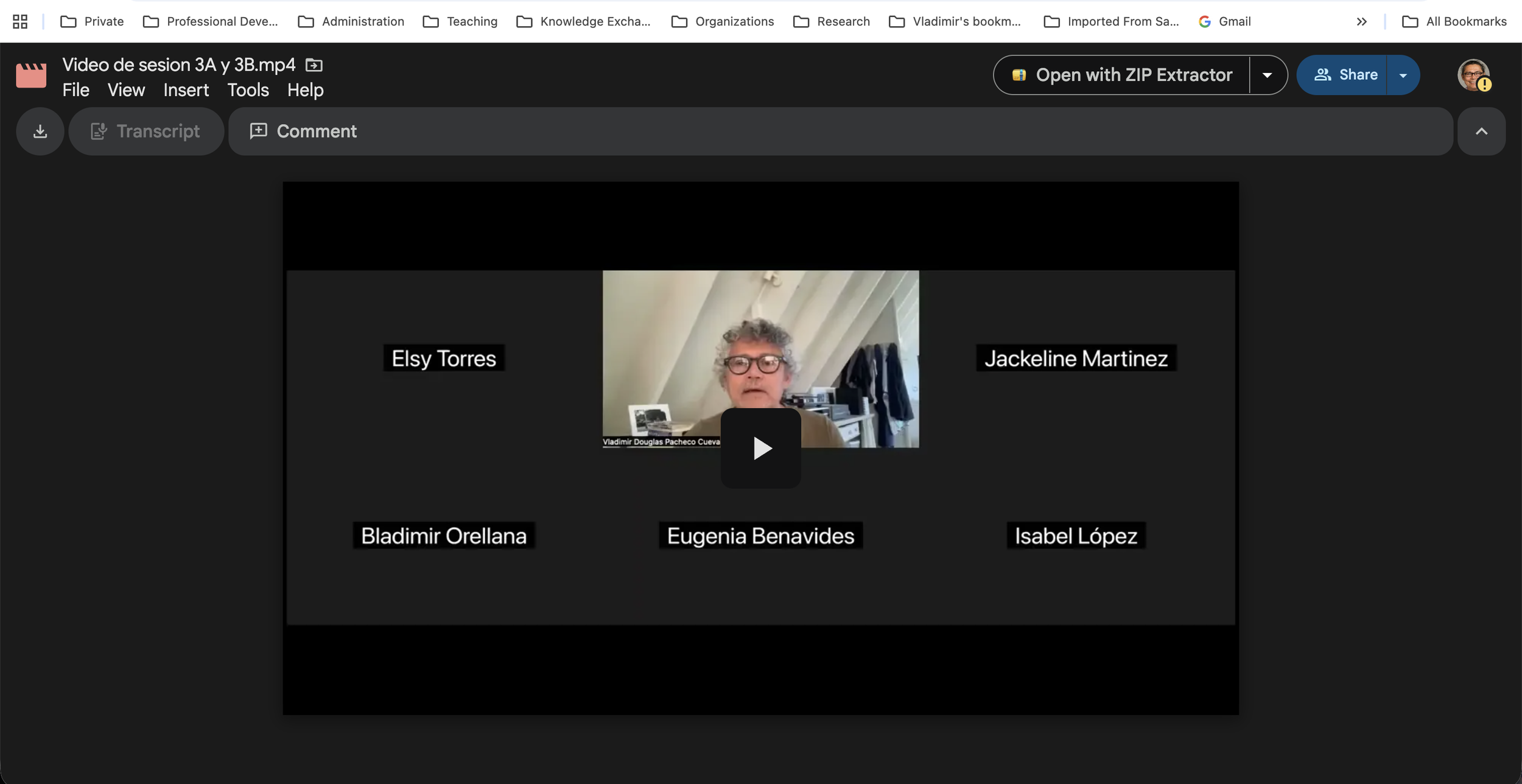
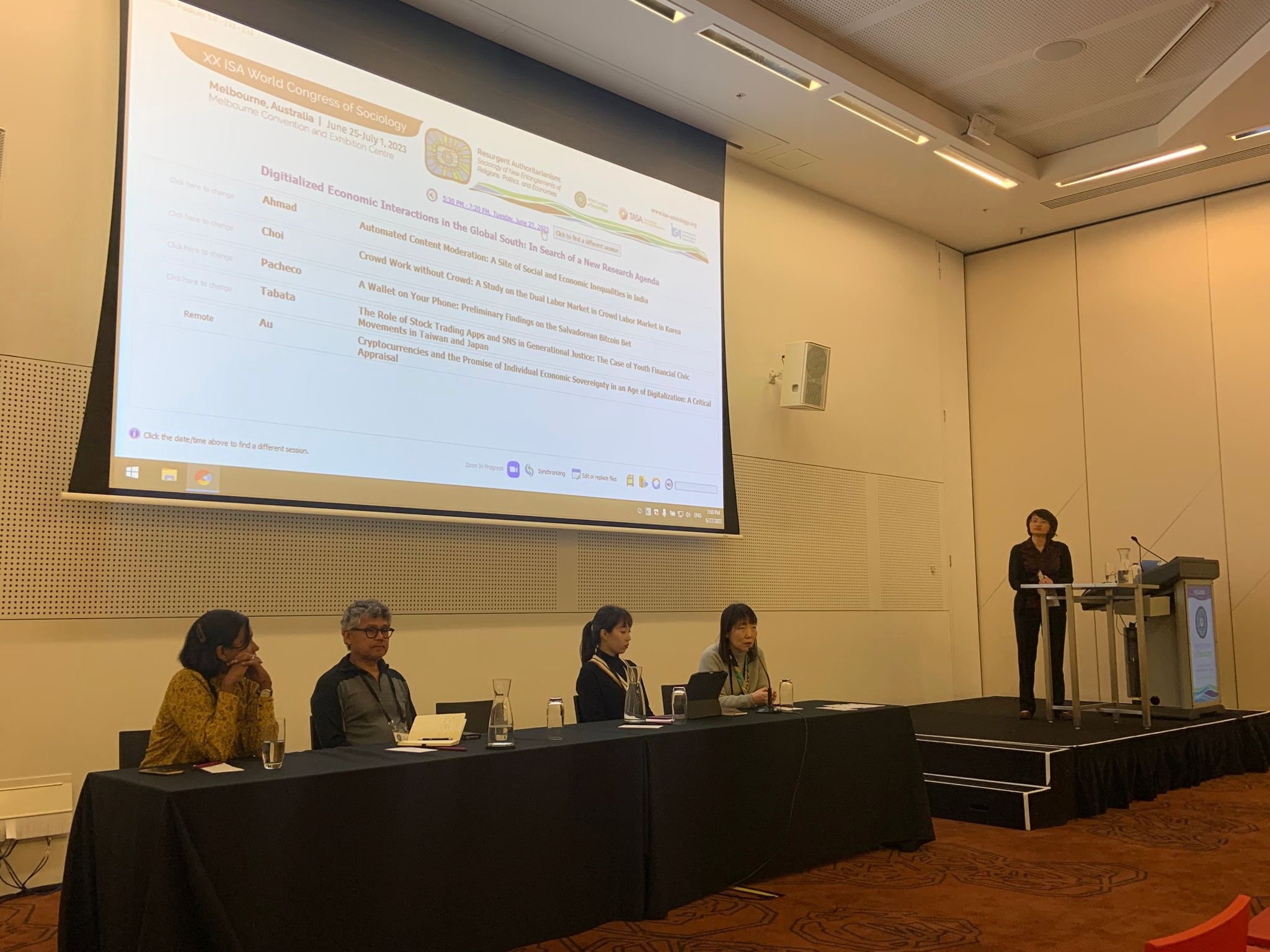
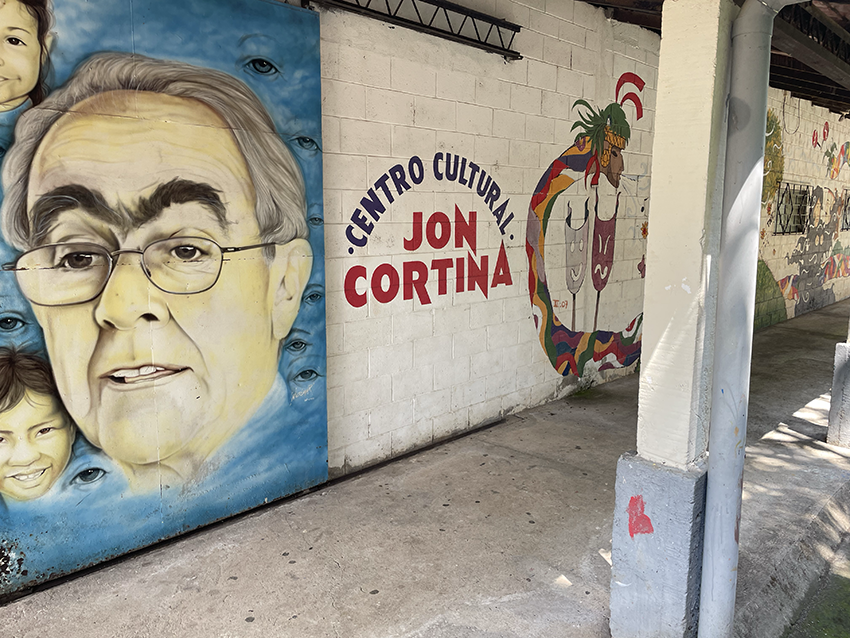
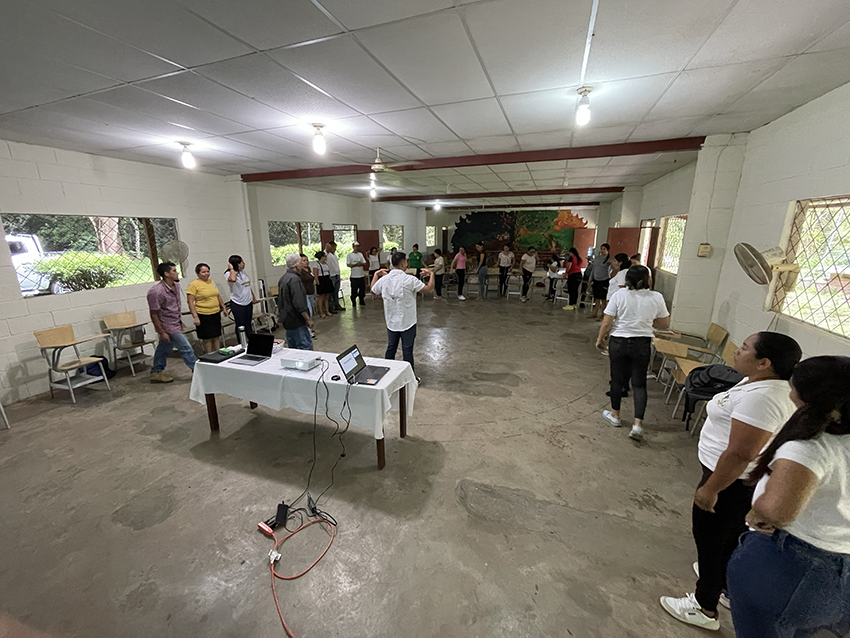
Between November 2024 and January 2026, Surviving Memory in Postwar El Salvador’s Economic Reconstruction project in Chalatenango (ERES) – led by Aarhus professor and Salvadoran Australian, Vladimir Pacheco Cueva – made significant progress, combining community training, academic production, and institutional coordination. During the first stage (November 2024–May 2025), the team carried out a training process for community leaders from San José Las Flores, Las Vueltas, and Nueva Trinidad. This course, delivered in a hybrid format over eight weeks and concluded with an intensive workshop, graduated eight participants from key organizations in Chalatenango, including the Asociación Fundación para la Cooperación y el Desarrollo Comunal de El Salvador [Foundation Association for Cooperation and Communal Development of El Salvador, CORDES], the Asociación de Comunidades para el Desarrollo de Chalatenango [Association of Communities for the Development of Chalatenango, CCR], the Asociación Sumpul [Sumpul Association], the Casa Museo Jon Cortina [Jon Cortina House Museum], and the Asociación Tiempos Nuevos Teatro [New Times Theatre Association, TNT].
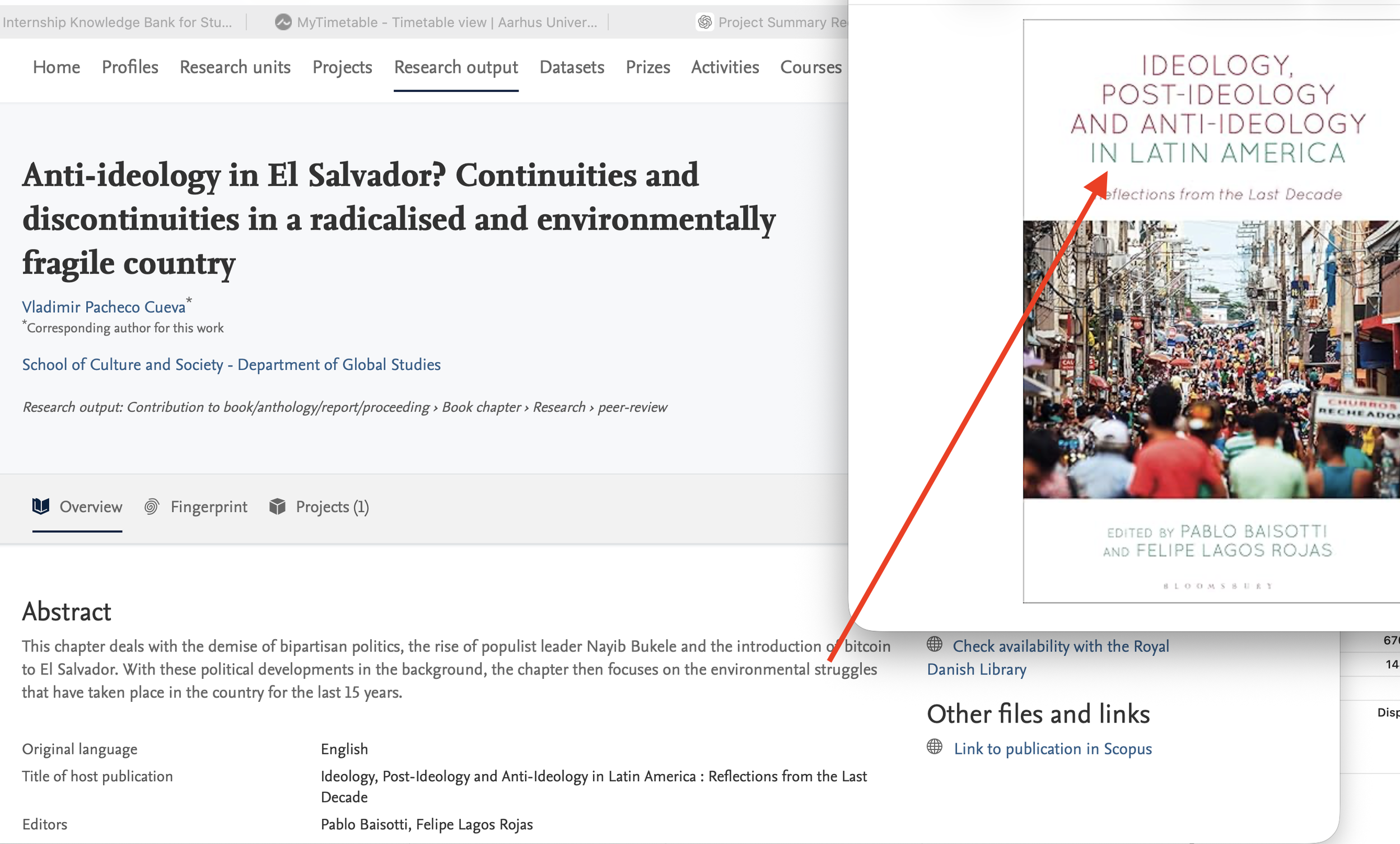
At the same time, the project’s academic dimension was strengthened through the publication of a chapter on the political situation in El Salvador, which analyzes continuities and ruptures in a context marked by political radicalization and environmental fragility.
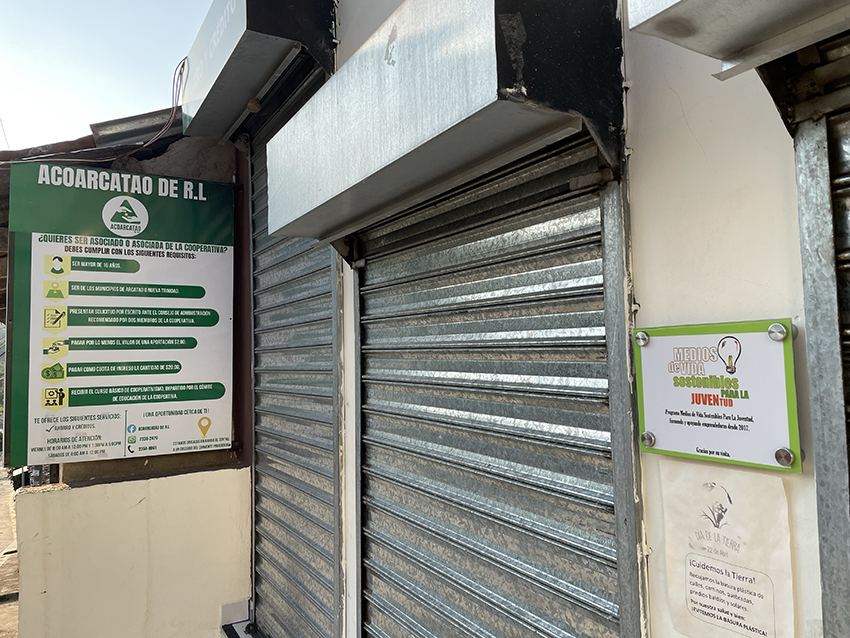
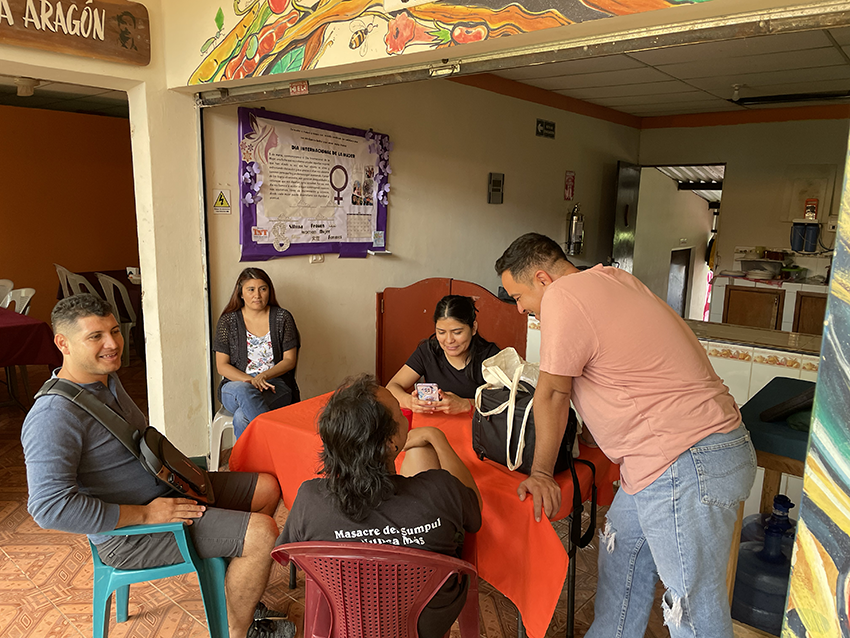
In a second stage (May 2025–January 2026), the focus expanded toward strengthening organizational capacities and generating applied research. The team carried out a new eight-week training program with the organization Medios de Vida Sostenible para la Juventud de Arcatao [Sustainable Livelihoods for the Youth of Arcatao, MVSJA], focused on project management. This process not only trained six community participants, but also culminated in the development of a research plan that will guide MVSJA’s actions during 2026 and 2027. In terms of outreach, there was progress in presenting work on the impact of Bitcoin in El Salvador, including a podcast version produced at Aarhus University.
Finally, a memorandum of understanding was established between Aarhus University and the consulting firm AMO, opening opportunities for pro bono technical training and an organizational assessment for MVSJA. Together, these achievements reflect a sustained effort to link historical memory, local development, and the production of critical knowledge.
The Surviving Memory in Postwar El Salvador research initiative is supported in part by funding from the Social Sciences and Humanities Research Council of Canada, Western University, Aarhus University, the Canadian Foundation for Innovation, and the Ontario Research Fund.
Digitizing the CERLAC Solidarity Collections
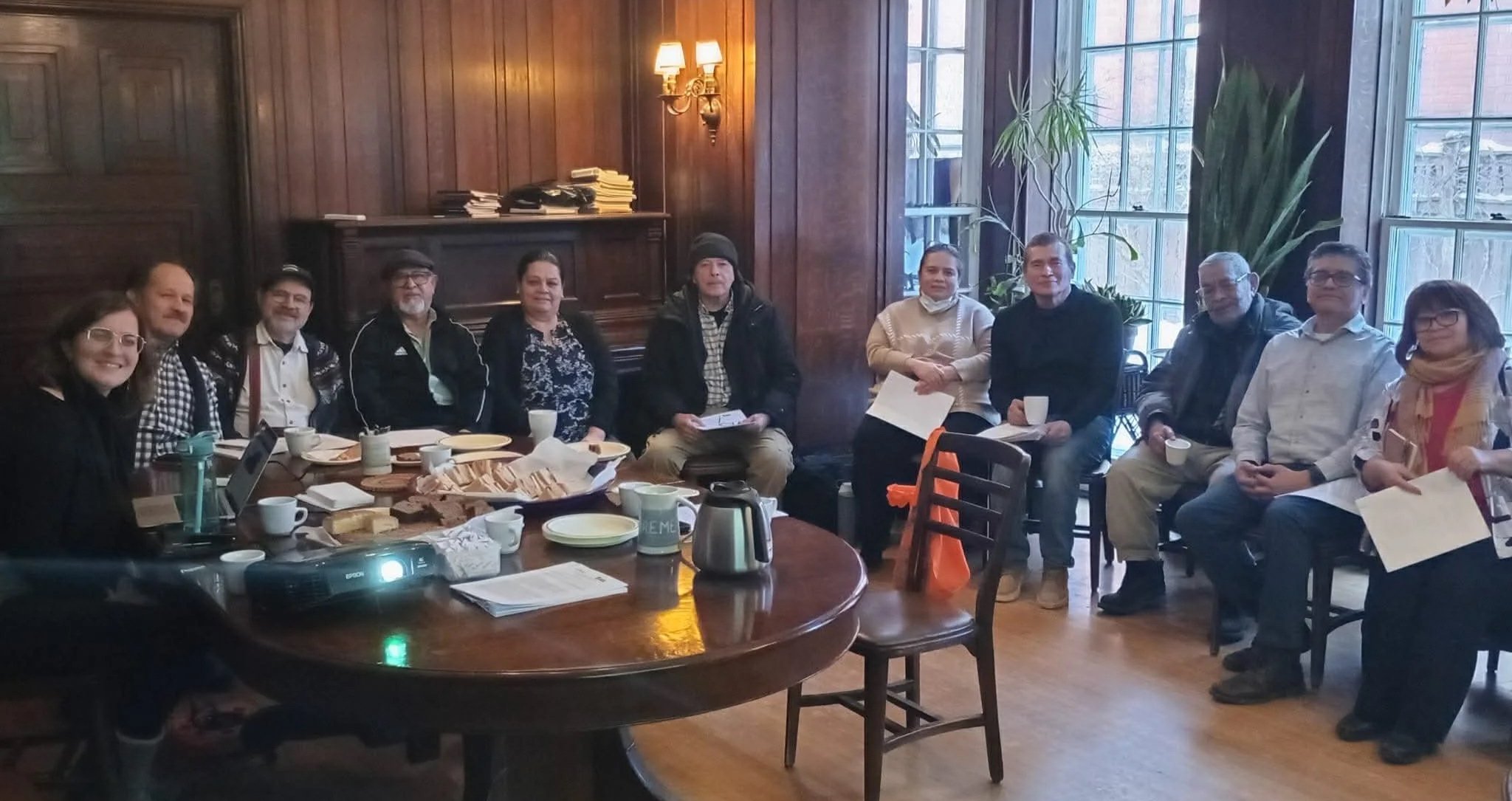
As part of the Surviving Memory in Postwar El Salvador project, a research team of 7 undergrad students coordinated by Western University Postdoctoral fellow Giada Ferrucci has been undertaking a long-term initiative to scan, digitize, and catalogue archival materials documenting North American solidarity with El Salvador during the 1980s and 1990s. Working with the collections held at the Centre for Research on Latin America and the Caribbean (CERLAC) at York University, the team is carrying out the systematic scanning of documents, photographs, posters, and campaign materials, while also developing detailed metadata to facilitate future research and public access.
At this stage, the digitized collection includes 14 boxes, 262 folders, and approximately 6,216 documents across the 14 boxes that have been scanned.
A collaborative workshop held in Toronto on January 31, 2025 brought together researchers, students, and community members to explore these materials collectively and reflect on the histories they document. Participants reviewed archival items produced by solidarity organizations that mobilized support for human rights during the Salvadoran Civil War and discussed the ongoing importance of preserving these records. This digitization effort ensures that the histories of international solidarity remain accessible and continue to inform contemporary movements for justice and human rights.
The Surviving Memory in Postwar El Salvador research initiative is supported in part by funding from the Social Sciences and Humanities Research Council of Canada, Western University, the Canadian Foundation for Innovation, and the Ontario Research Fund.
Workshop “The Loretto Sisters: A Story in Photographs” in Las Vueltas
On January 30, 2026, a workshop was held in Las Vueltas with the participation of the Mujeres bordadoras de Las Vueltas [Women embroiderers of Las Vueltas] collective. The session was facilitated by María Laura Flores Barba (postdoctoral researcher), Víctor Fallon Macal Guerra (artist and project collaborator), and Teresa Cruz (leader of the embroidery collective).
The workshop focused on photographs taken by Sister Evanne Hunter, a member of the Loretto Sisters in Toronto, during her visits to El Salvador between 1989 and 1994, in the context of postwar repopulation processes. These images are part of an archive donated to Surviving Memory, which includes six photo albums organized chronologically and accompanied by captions.
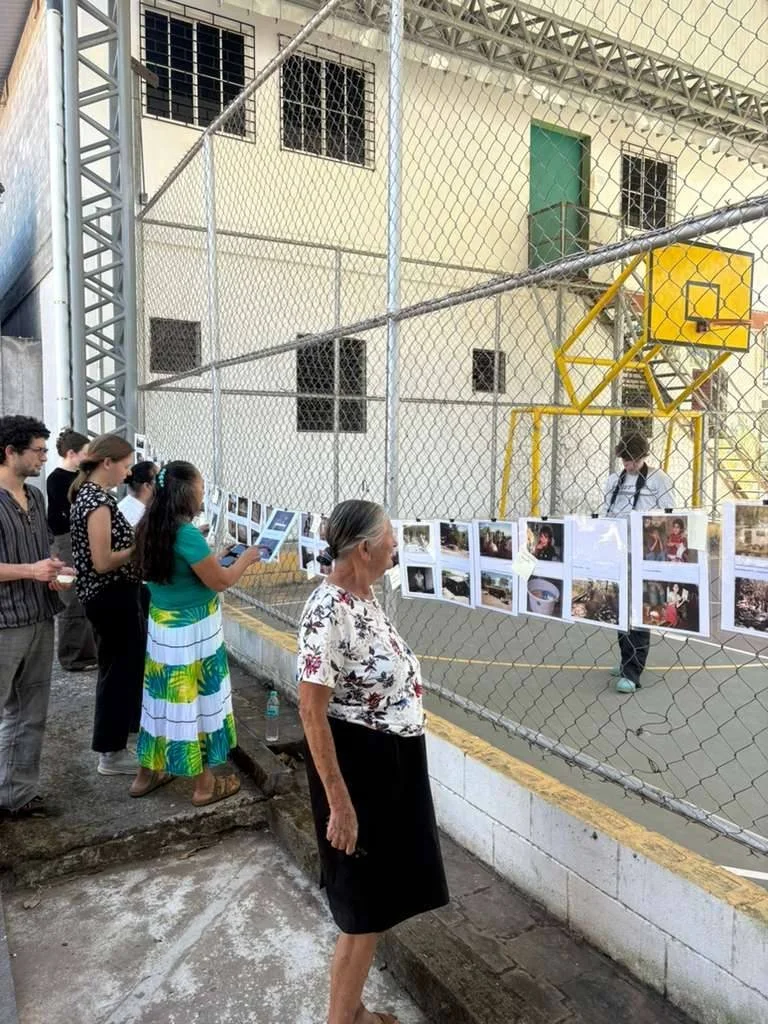
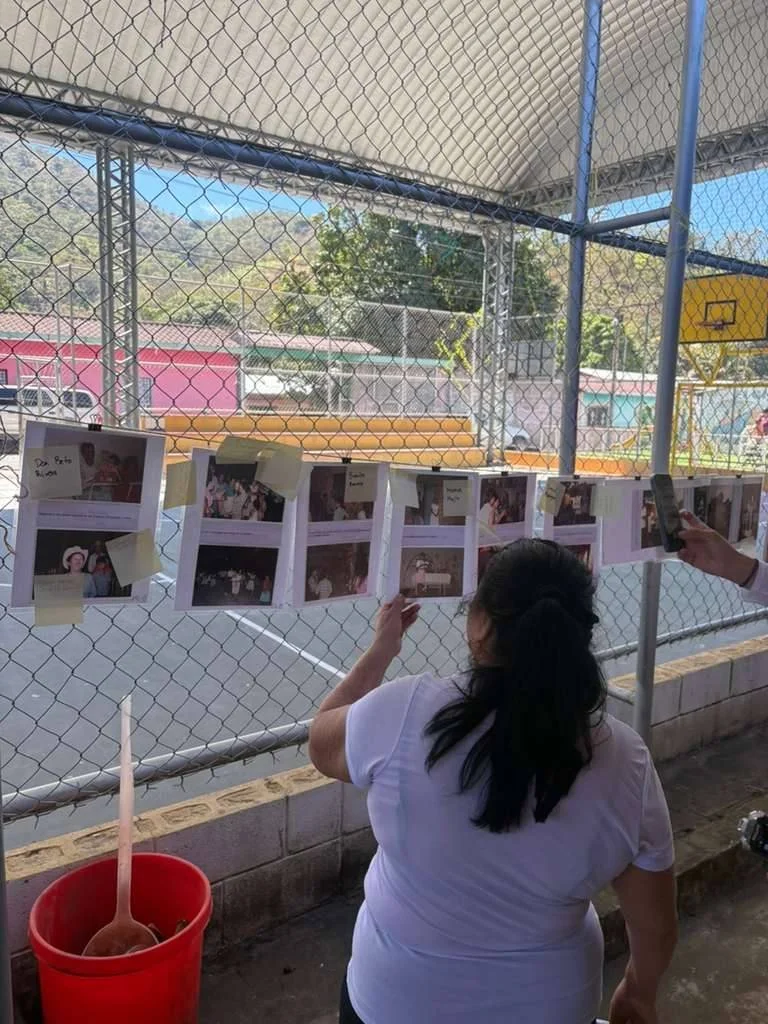
The day began with a small exhibition of the photographs at the community center. Participants then worked together to identify people and places depicted in the images, using sticky notes and collaborating with the facilitation team and graduate students from the KU Leuven Master’s program in Architecture. The group later walked through the town, comparing the photographs with the present-day landscape and identifying sites such as the main street, the school, and several houses that still stand.
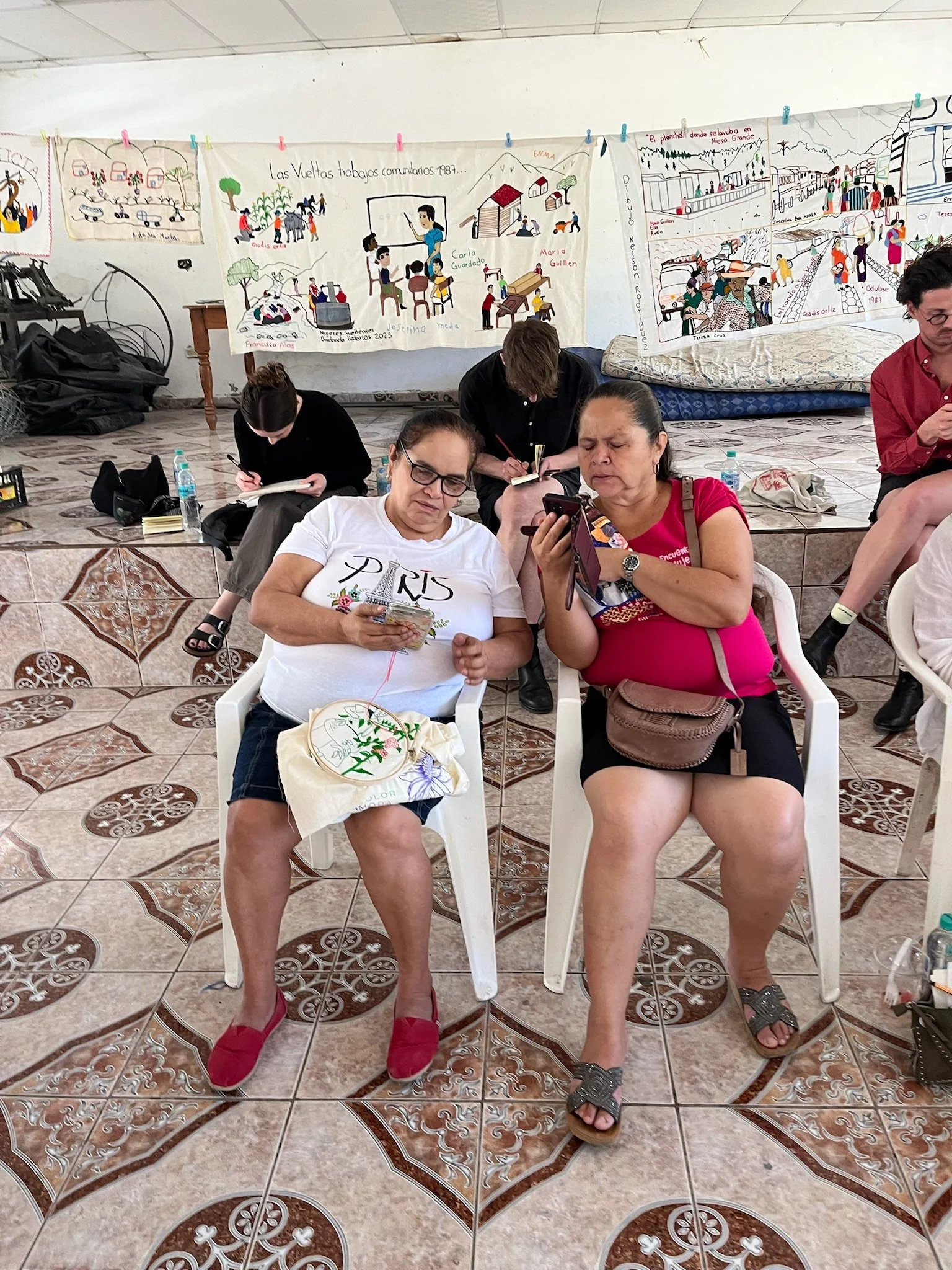
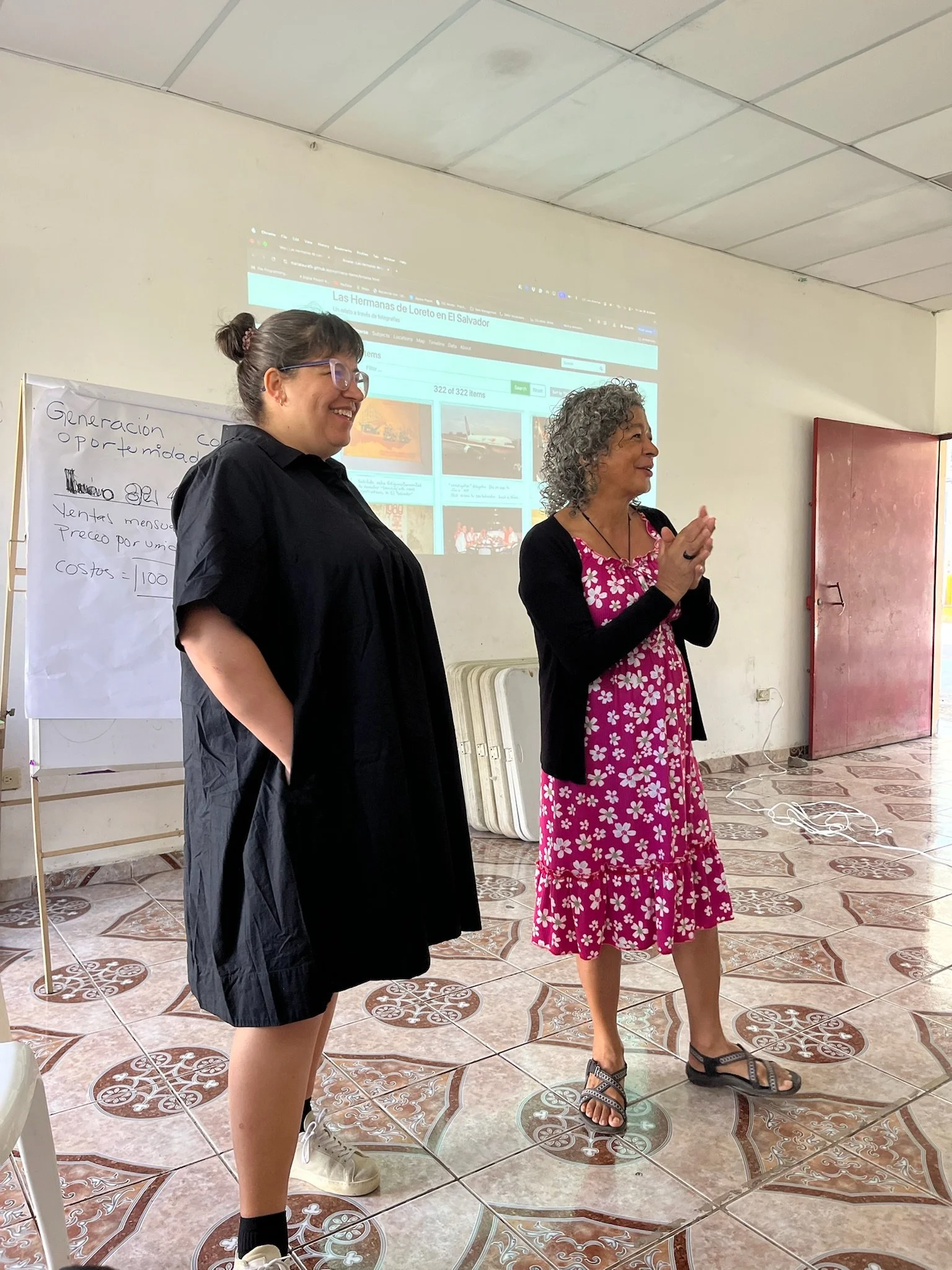
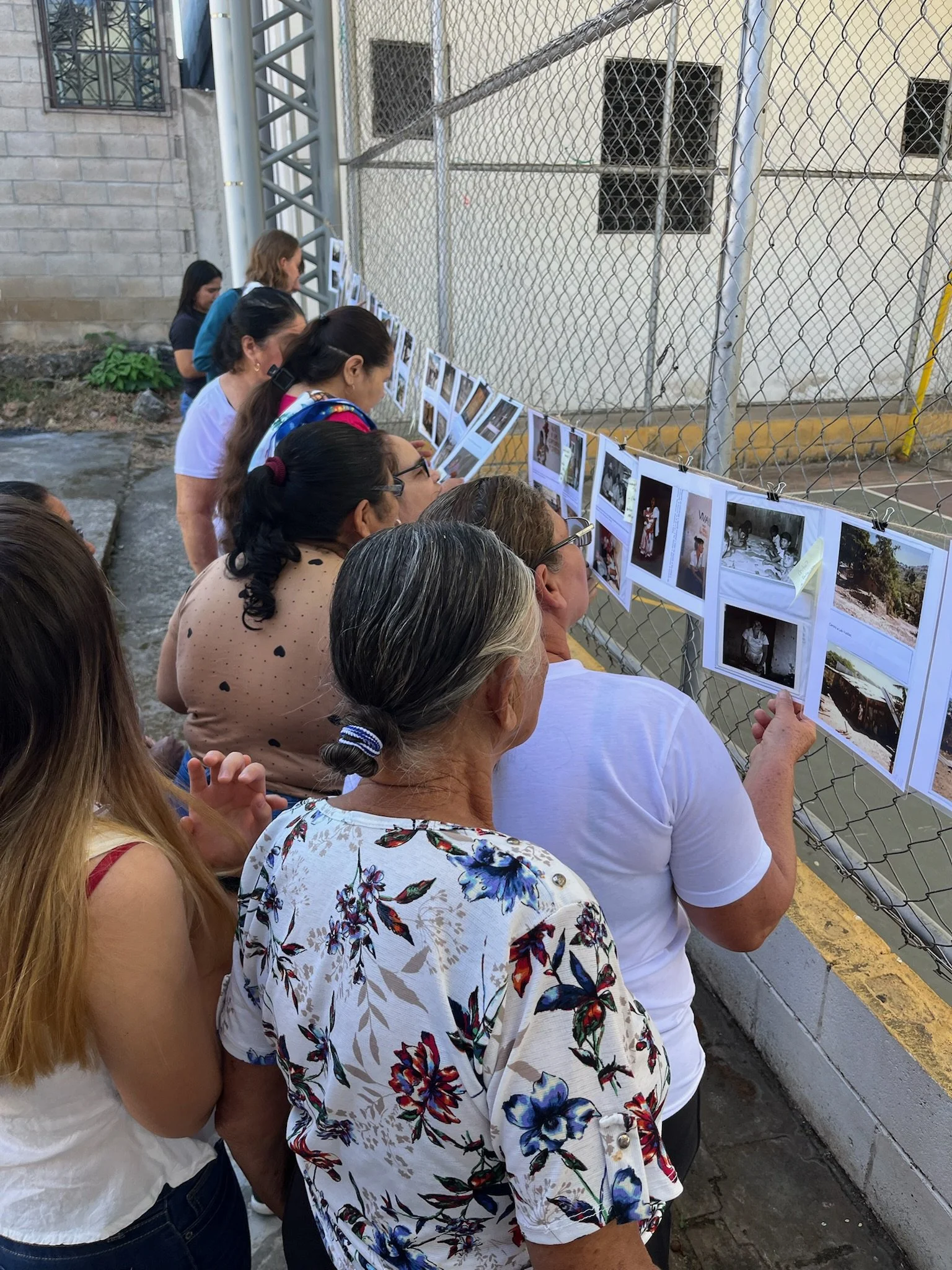
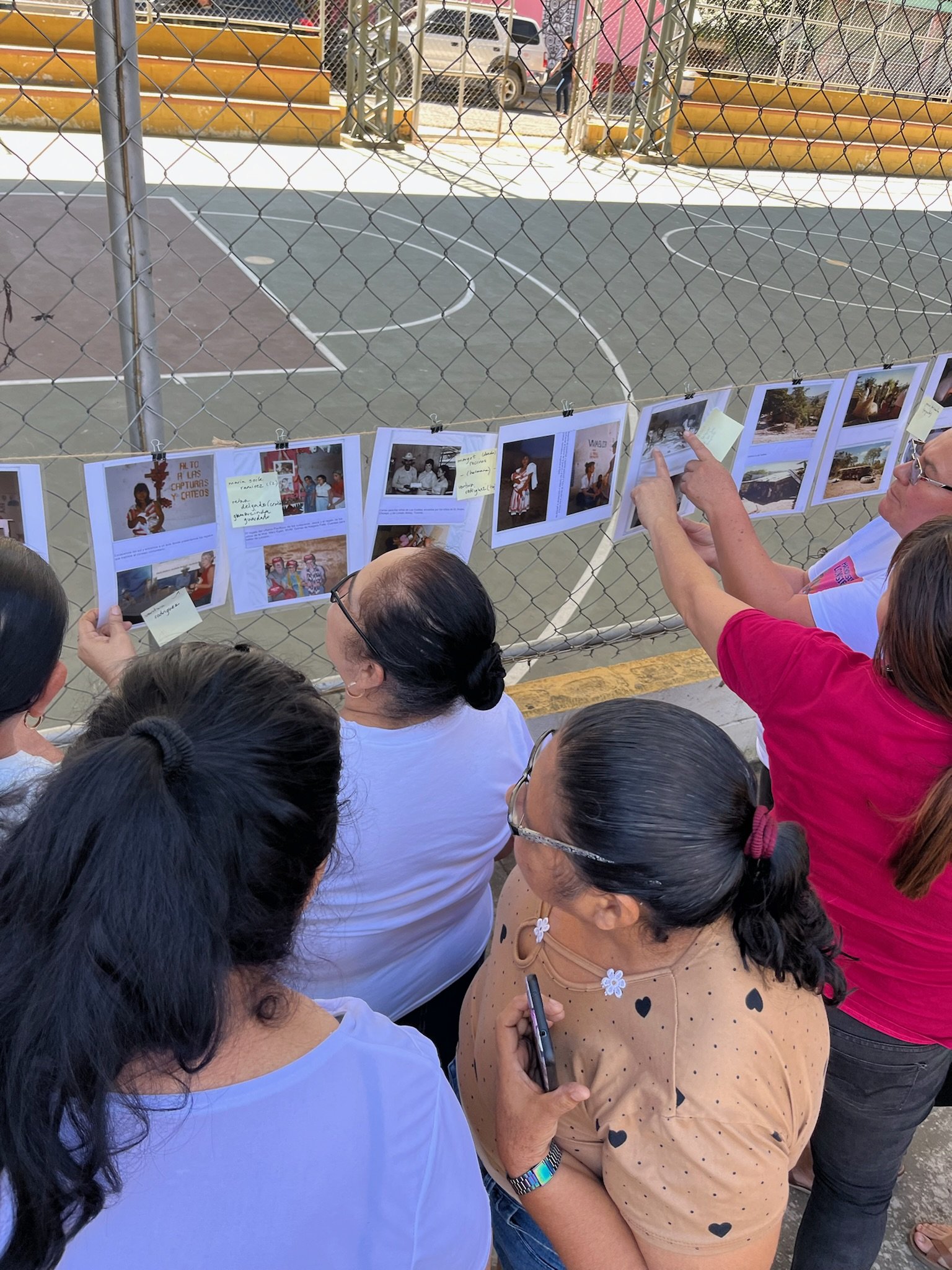
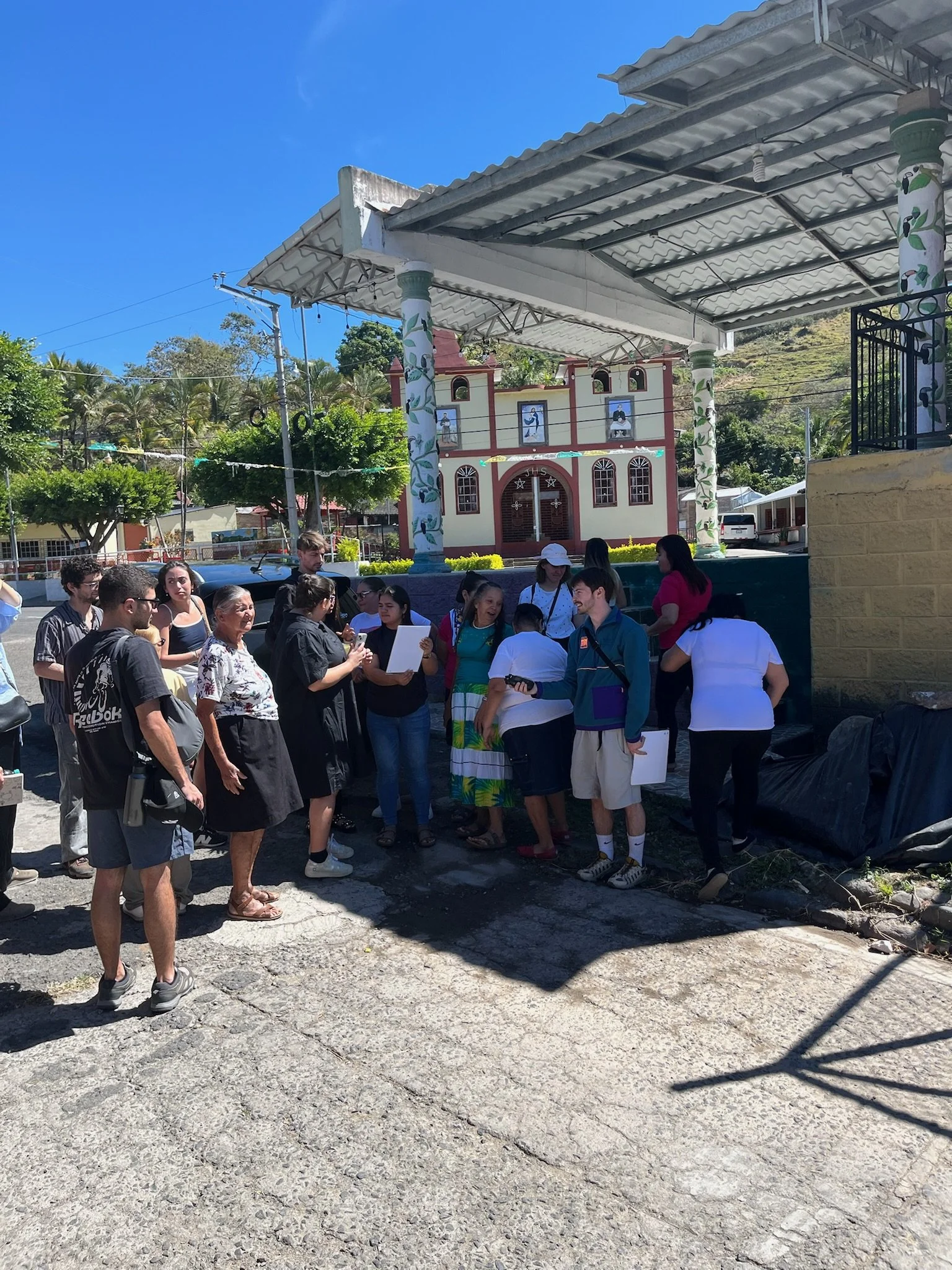
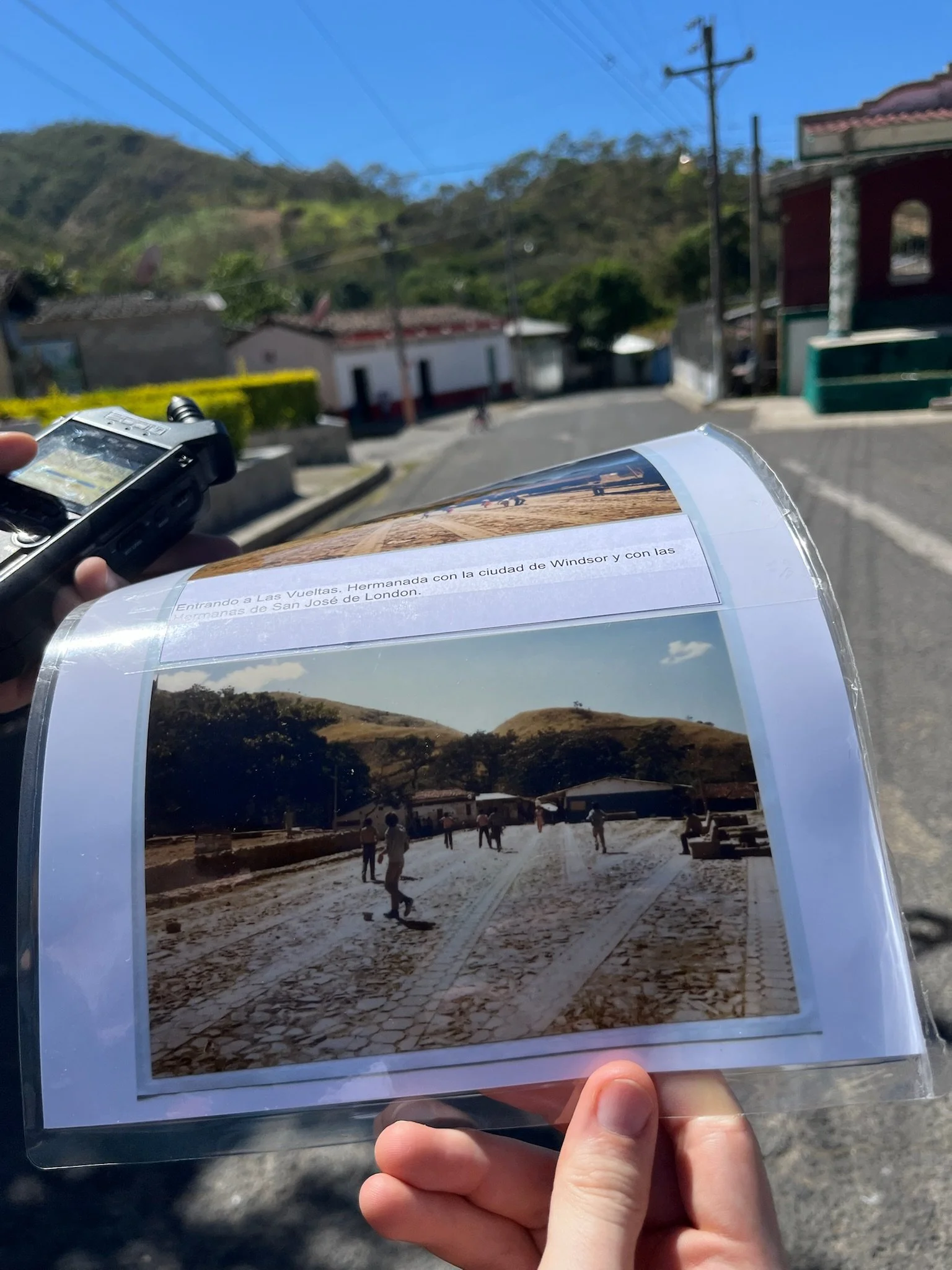
In the afternoon, Víctor Fallon presented his artistic project “Hamacas para almas” [Hammocks for Souls]. As part of the workshop, participants selected five photographs to embroider collectively onto a hammock, bringing together memory, image, and textile practice. This piece will become part of an ongoing body of work that the artist will continue developing in collaboration with other communities.
The workshop also aimed to introduce this archive to the local community and support the development of a digital platform where people in El Salvador and abroad can explore the albums and help identify individuals and places. In the future, this tool will also help generate metadata for the rest of the collection, which includes additional photographs and historical documents.
“Hamacas para almas” is on display at the Casa de la Memoria in San José Las Flores as part of the exhibition “Art and Architecture”, curated by the Belgian architecture team.
The Surviving Memory in Postwar El Salvador research initiative is supported in part by funding from the Social Sciences and Humanities Research Council of Canada, Western University, the Canadian Foundation for Innovation, and the Ontario Research Fund.
Commemoration of the El Sicahuite Massacre
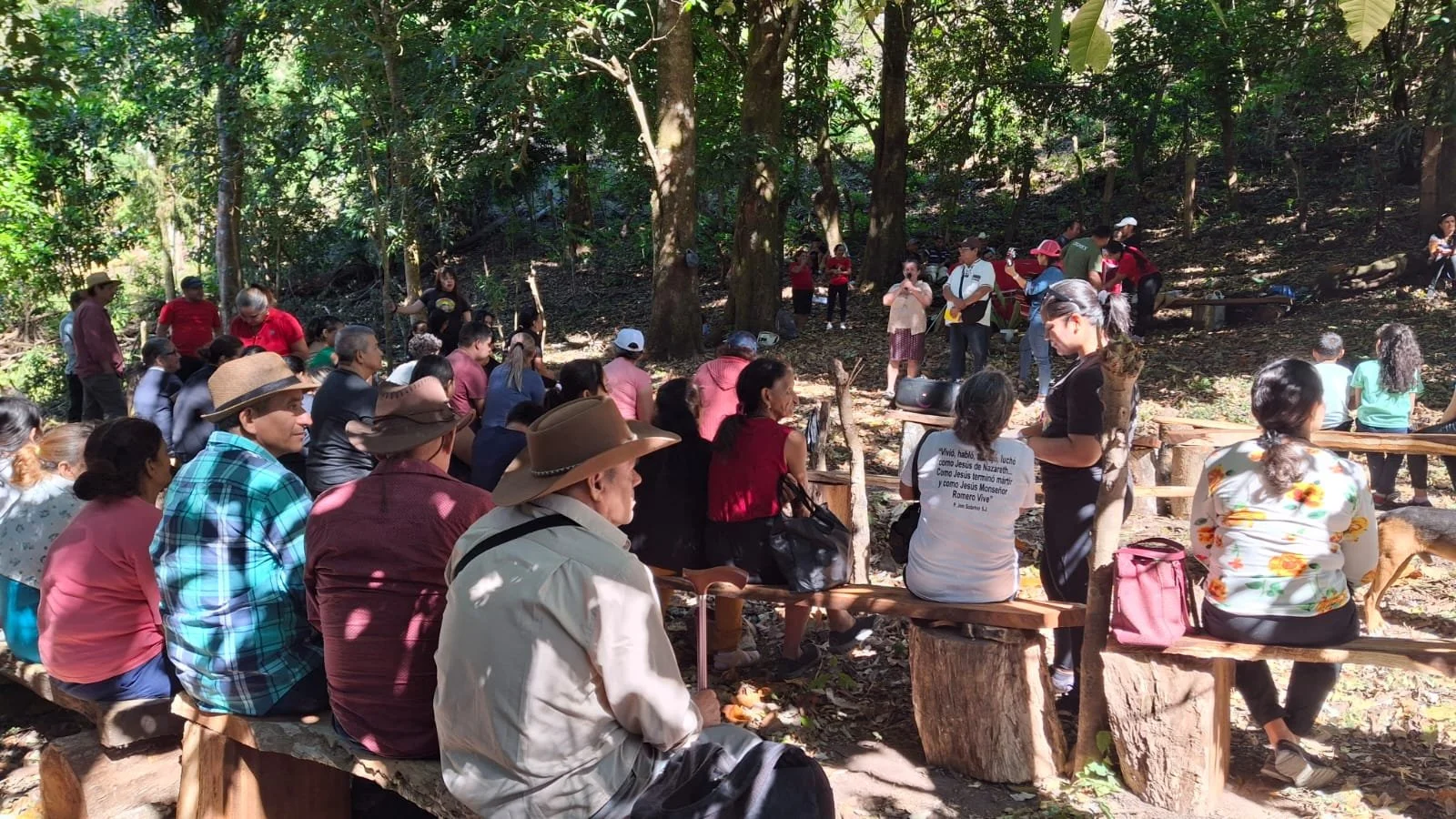
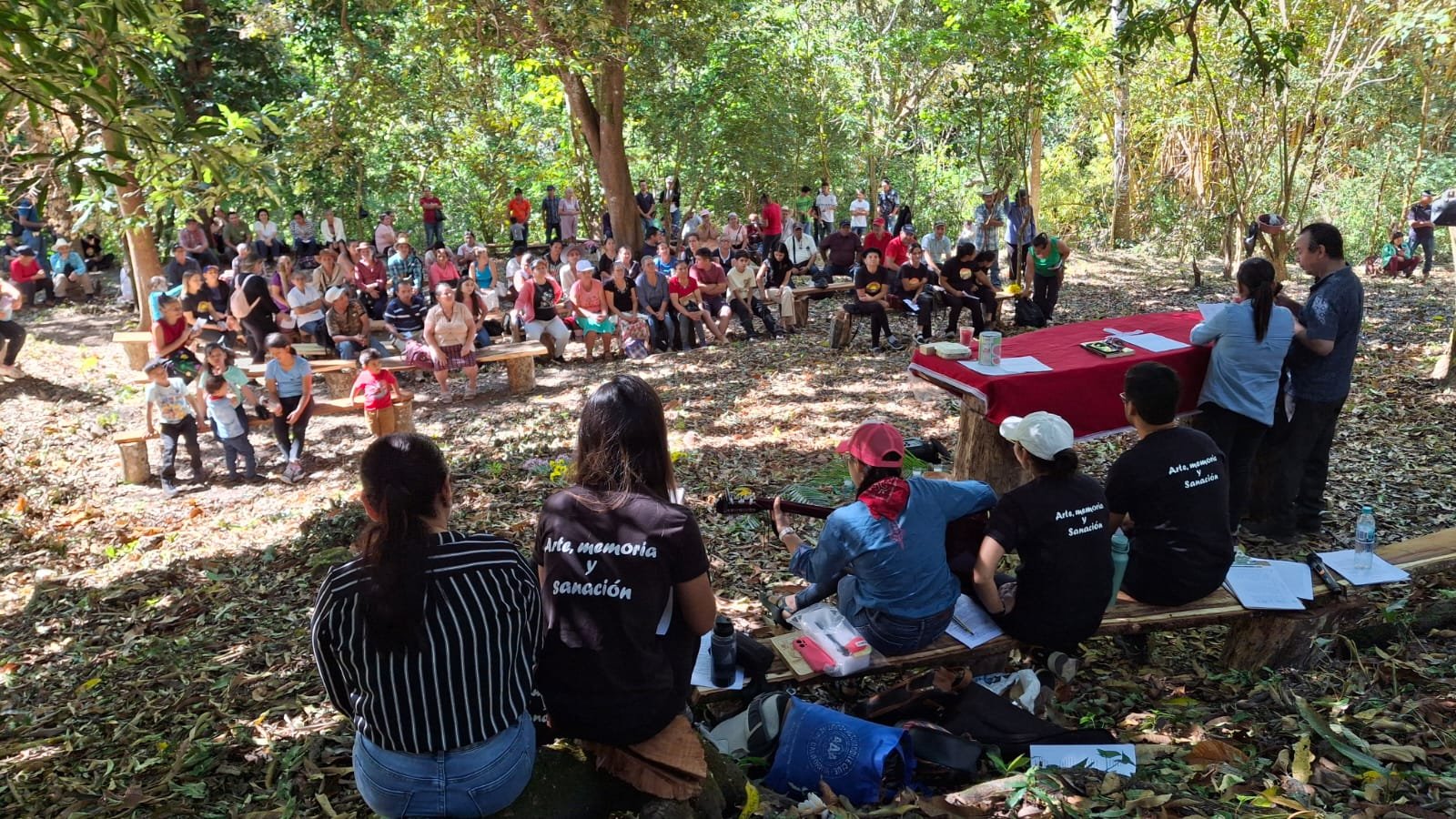
On Wednesday, January 28, the Asociación Pro-Búsqueda de Niños y Niñas desaparecidos [Pro-Búsqueda Association for Missing Children, APB], as part of the Chalatenango Historical Memory Collective, joined the community in commemorating the El Sicahuite Massacre, an act of deep significance for the victims, survivors, and family members who keep alive the memory of what happened in 1981.
This space made it possible to once again name those who had been silenced, to share testimonies marked by pain and dignity, and to reaffirm the demand for truth and justice. The voices of the victims were at the center of the gathering, reminding us that memory is not simply about the past, but a tool for preventing these human rights violations from happening again.
The team thanks all the people and communities who joined this act of resistance and solidarity. Remembering is an act of justice and a way of continuing to build a more humane future, one in which historical memory is a collective commitment.
Historical Context
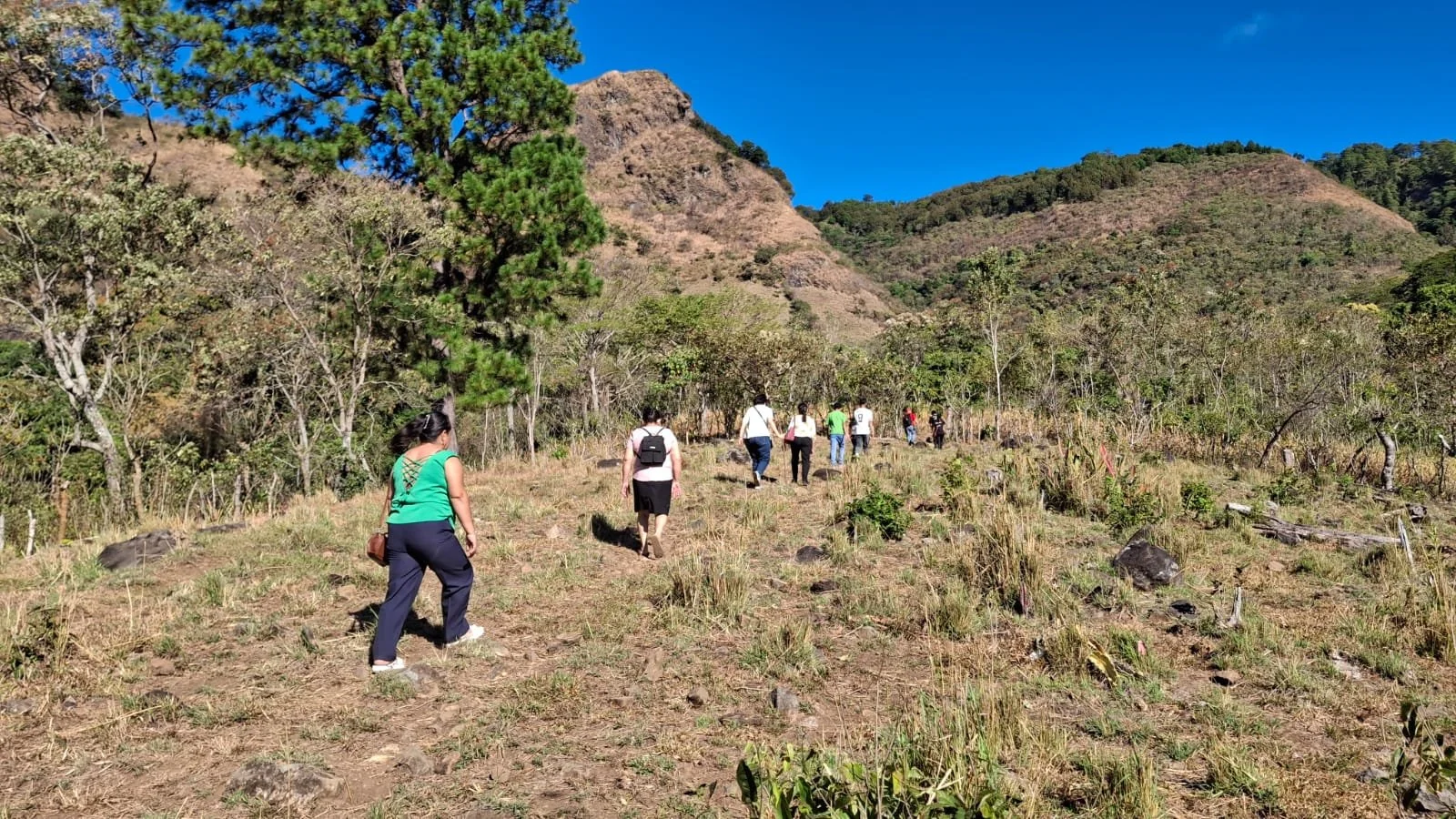
The canton of El Sicahuite, in Las Vueltas, Chalatenango, is located 97 kilometers from San Salvador. Before the armed conflict, it was a very populated place, with more than 200 families living there. It was a strategic site for peasant organizing, which is why it was heavily attacked and besieged by the army. The community was destroyed during the Civil War and became almost completely depopulated. After the signing of the Peace Accords, some families gradually began to return.
In May 1980, when people were fleeing in guinda from the Sumpul massacre, other residents were killed at Cerro El Cacao, in Llano Grande, which borders El Sicahuite. In the early hours of January 28, 1981, movements of columns of soldiers were seen in the hills and along all the nearby embankments. Residents recount that before the massacre, some families were locked inside their homes, while others fled to the hills. The first bursts of gunfire were heard: the massacre had begun. The families who managed to flee, when they returned, found their belongings burned, and even found children still locked inside their homes. More than 90 victims were killed in different parts of El Sicahuite during the military operation.
The military operation in El Sicahuite was part of the government’s strategy at that time, aimed at locating and eliminating anyone suspected of collaborating with the guerrillas. This strategy used extremely violent methods, resulting in the deaths of numerous innocent civilians. In the El Sicahuite massacre, many families lost their loved ones, and those who survived were left traumatized by the violence they witnessed, as well as by other consequences such as the forced displacement of the community’s inhabitants.
The Surviving Memory in Postwar El Salvador research initiative is supported in part by funding from the Social Sciences and Humanities Research Council of Canada, Western University, the Asociación Pro-Búsqueda de Niños y Niñas desaparecidos [Pro-Búsqueda Association for Missing Children, APB], the Canadian Foundation for Innovation, and the Ontario Research Fund.
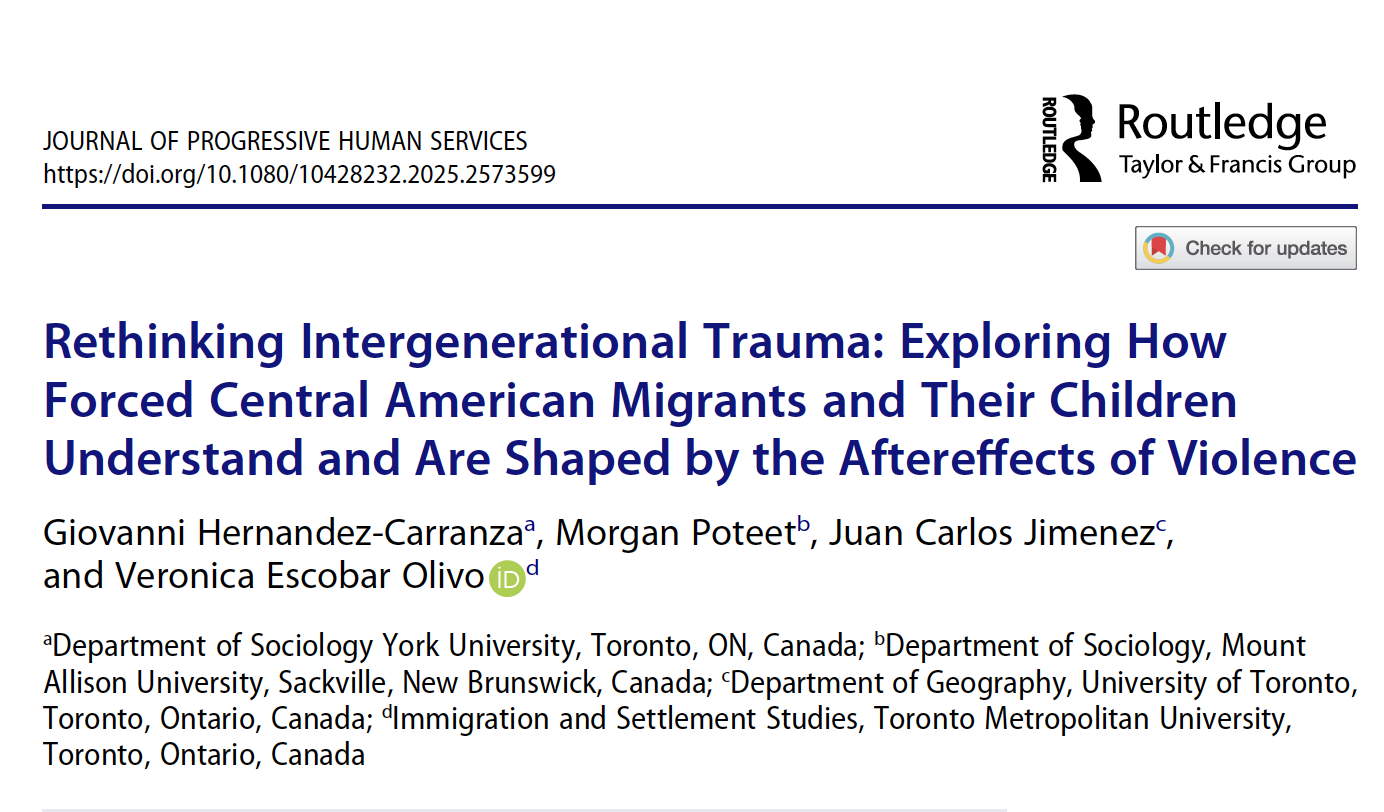
Rethinking Intergenerational Trauma, an article about forced migration and violence
¿How do forced Central American migrants and their children make sense of violence’s aftereffects, and how do those aftereffects shape their lives? The “Rethinking Intergenerational Trauma” article explores this question through oral histories with twenty-one people of Salvadorian, Guatemalan, Honduran, and Nicaraguan backgrounds who were born in Canada or arrived at a young age. The interdisciplinary author team includes Giovanni Hernandez-Carranza, Morgan Poteet, Juan Carlos Jimenez, and Veronica Escobar Olivo.
The authors use a coloniality lens and a community-based approach to understand how people interpret family histories of violence in the present, and how those interpretations shape relationships and identity. They utilize a narrative analysis of in-depth interviews because the approach “centers participants' voices and emphasizes the co-creation of knowledge."
The article also shows how dominant Western psychological frameworks can narrow how people explain harm and coping. As the authors note, “participants relied on Eurocentric ideas of ‘trauma’ to understand violence’s aftereffects,” which can lead to “individualization, psychologization, and pathologization” of struggles that also have social and historical roots. The discussion points instead toward decolonial community organizing and non-Western ways of healing that reconnect people with community ties, cultural knowledge, and shared meaning-making.
Documenting the Salvadoran Diaspora in Canada
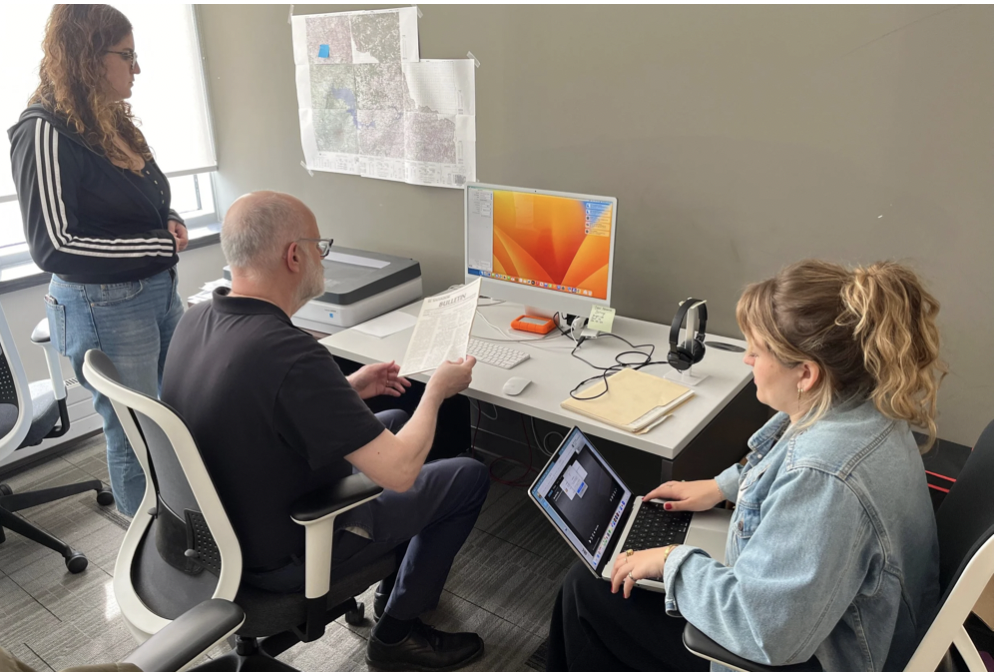
Through a long-term collaboration with the Salvadoran Canadian Association (ASALCA), the Surviving Memory in Postwar El Salvador project has been documenting the experiences, histories, and contributions of the Salvadoran diaspora in Canada. Through interviews, oral history recordings, and community conversations, the project explores migration histories, the political and social drivers of displacement, cultural identity, and the ways Salvadoran communities in Canada have preserved historical memory while building new forms of community life. These interviews highlight personal narratives of migration, solidarity activism, cultural heritage, and the ongoing connections between diaspora communities and El Salvador.
This research contributes to multiple community-based outputs developed in collaboration with Salvadoran community organizations. One major outcome will be a collaborative community book that documents the history, resilience, and cultural contributions of Salvadorans in Canada through testimonies, archival materials, photographs, and historical reflections. The research also contributes to the development of a future digital museum dedicated to Salvadoran migration and heritage in Canada, which will bring together oral histories, photographs, archival documents, and multimedia materials to create an accessible public resource preserving the collective memory of the Salvadoran diaspora.
The Surviving Memory in Postwar El Salvador research initiative is supported in part by funding from the Social Sciences and Humanities Research Council of Canada, Western University, the Canadian Foundation for Innovation, and the Ontario Research Fund.