
Architecture Students Engage in Community Memory Work in Chalatenango
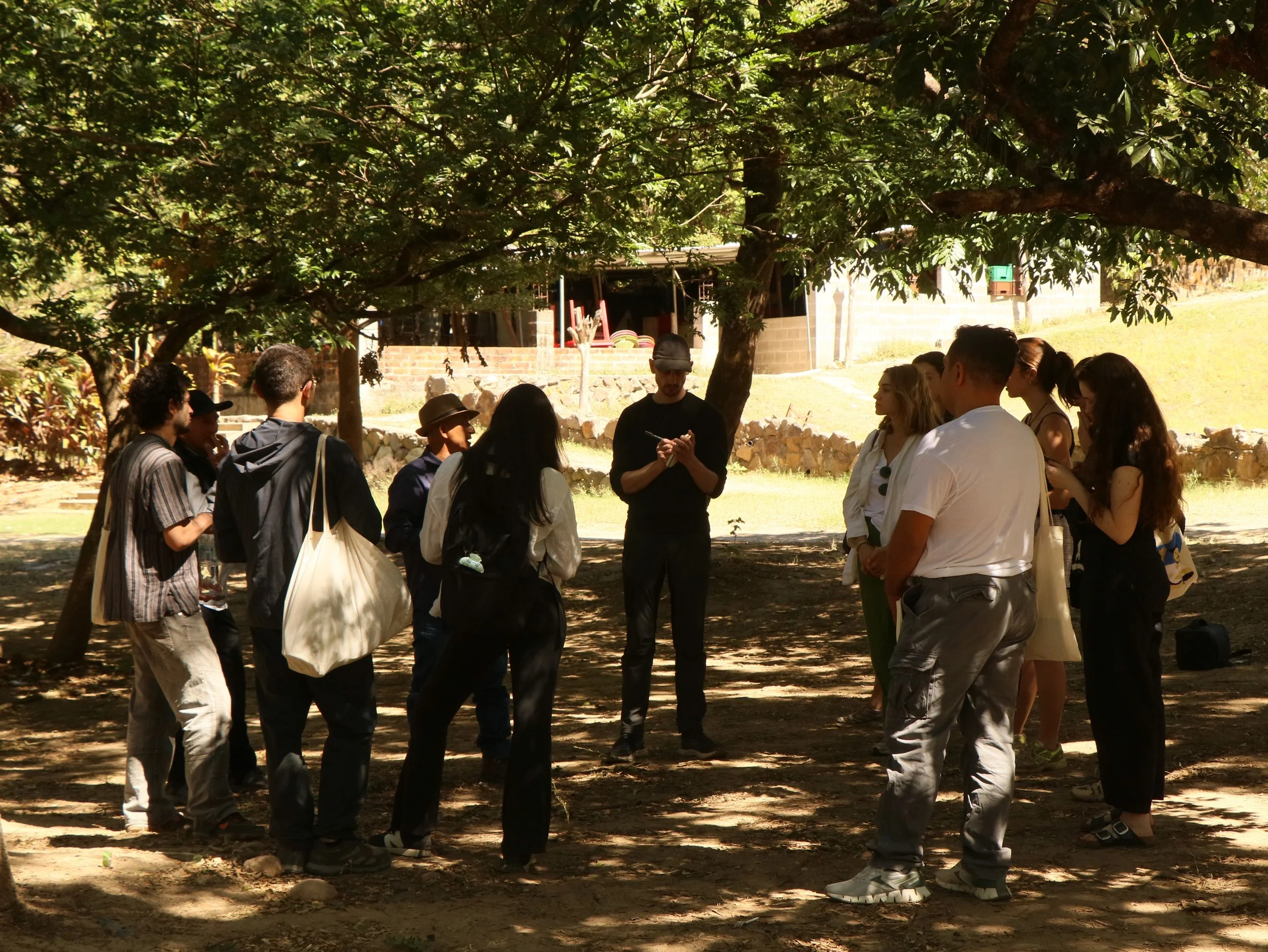
From 24 January to 8 February 2026, seven master students from the KU Leuven Faculty of Architecture travelled to El Salvador for an intensive fieldwork period that will shape their master thesis projects. Each student is developing an architectural proposal for a memory space linked to a massacre site in Chalatenango. This year, the focus lies on Guinda de Mayo, Guancora, Casa de la Memoria [Memory House], and El Alto, where they had the opportunity to listen to testimonies and engage with community members.
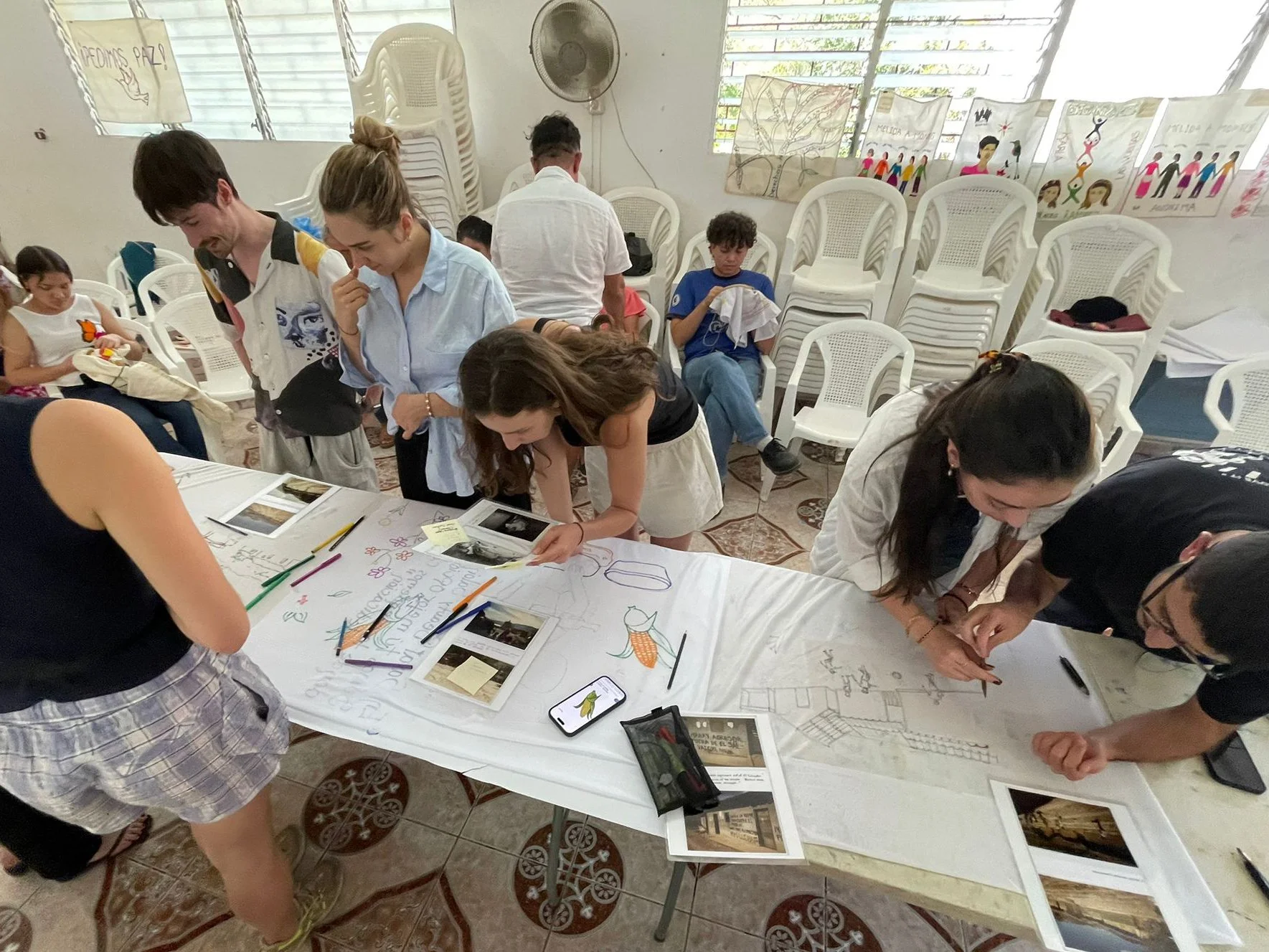
During the trip, the students participated in a workshop led by María Laura Flores Barba and Victor Fallon Macal Guerra, in collaboration with Colectivo Bordando Historia [Embroidering History Collective] in Las Vueltas. The students produced drawings based on archival photographs of Las Vueltas, which will be embroidered onto “Hamacas para las Almas” [Hammocks for Souls], an ongoing art installation by Victor Fallon Macal Guerra.
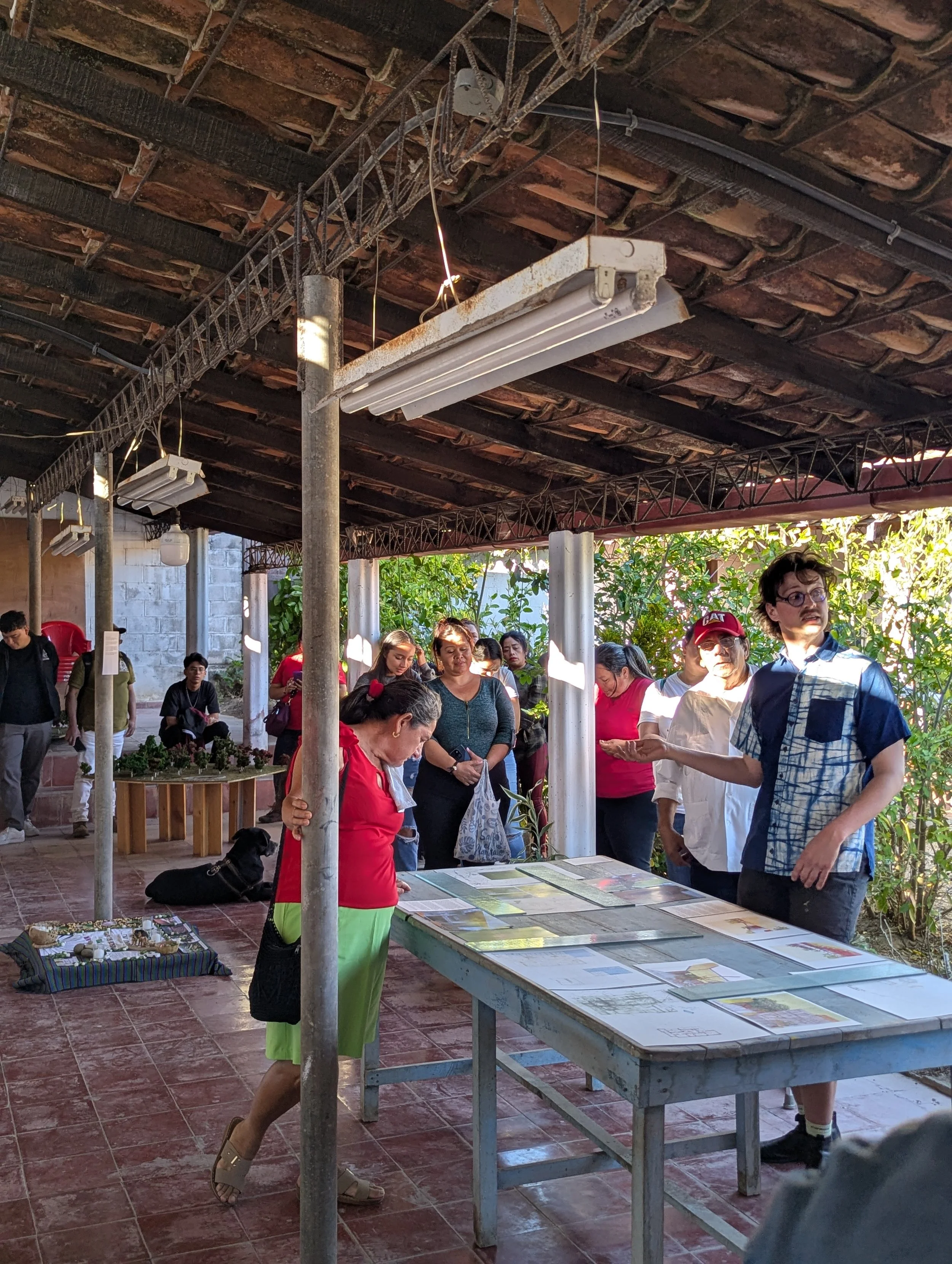
The students’ itinerary also connected them to the ongoing architectural projects. In Las Aradas, they visited the recently completed memorial project and experienced its significance first-hand. In El Higueral, they joined a community meeting to prepare the upcoming construction of five memorial columns, developed in close collaboration with survivors and community members. Finally, at San José Las Flores Casa de la Memoria, they assisted mounting the new exhibition “Obras de Memorias” [Works of Memories], thus inscribing themselves in the ongoing and evolving process of the Casa project.
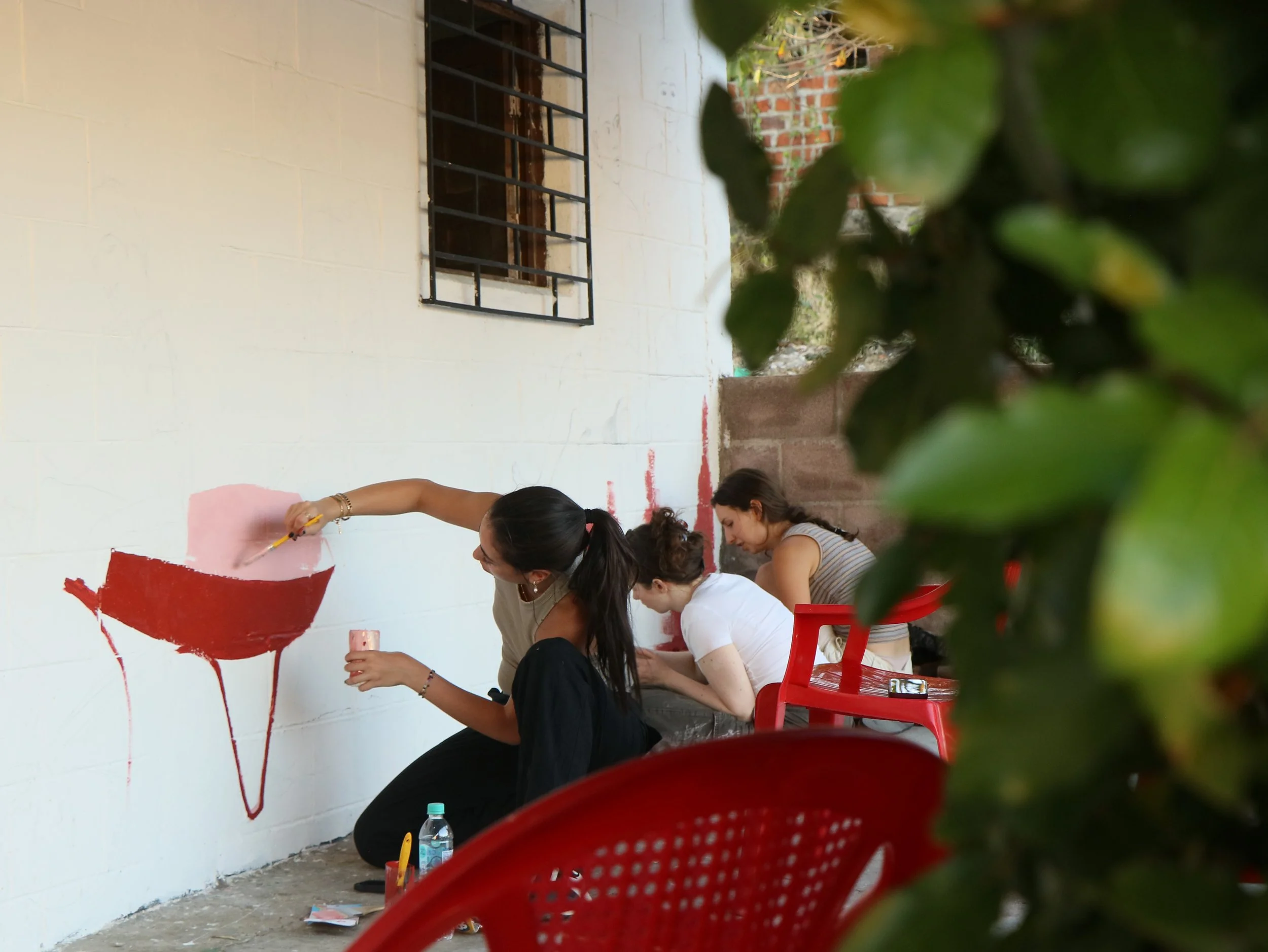
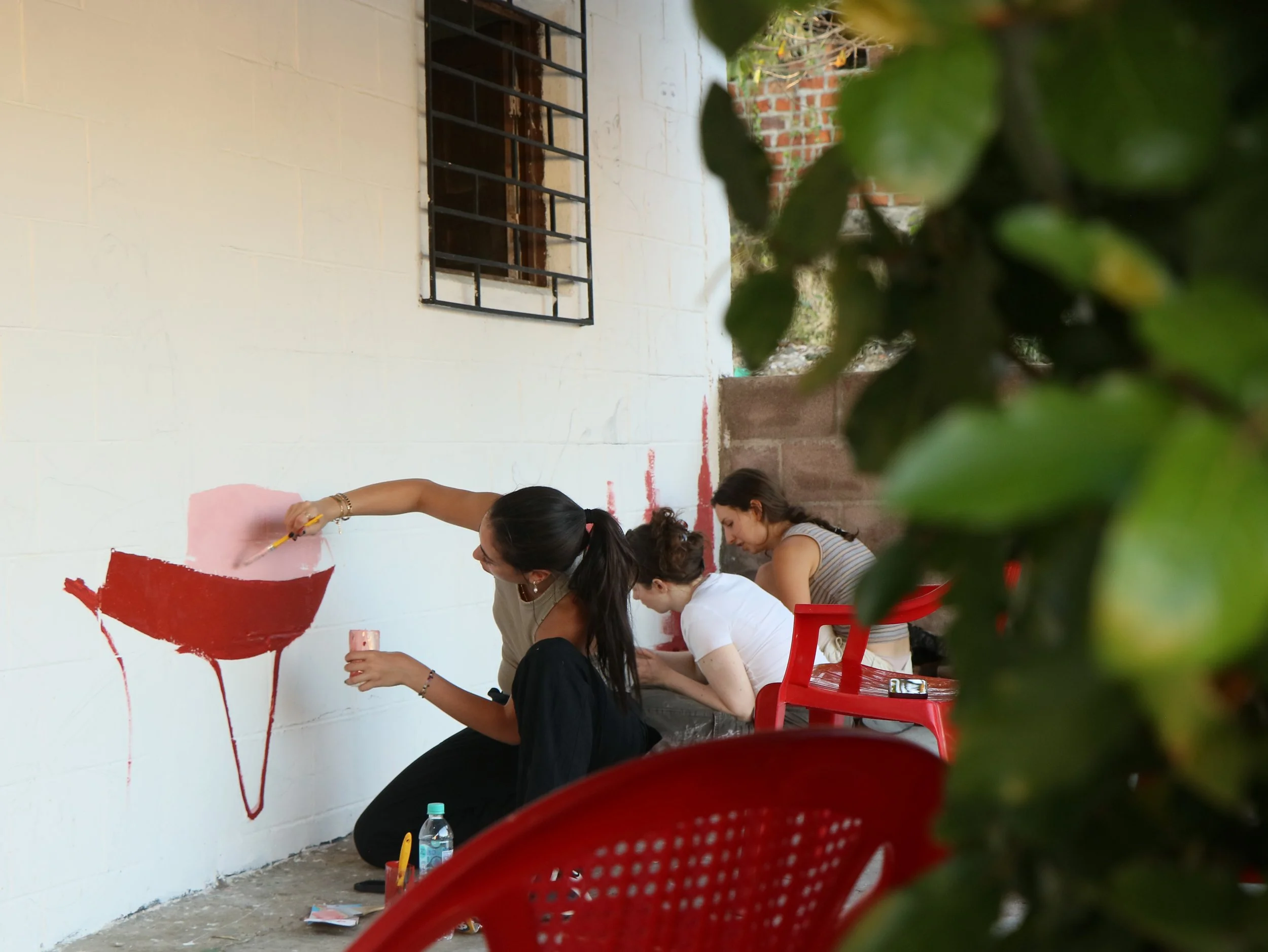
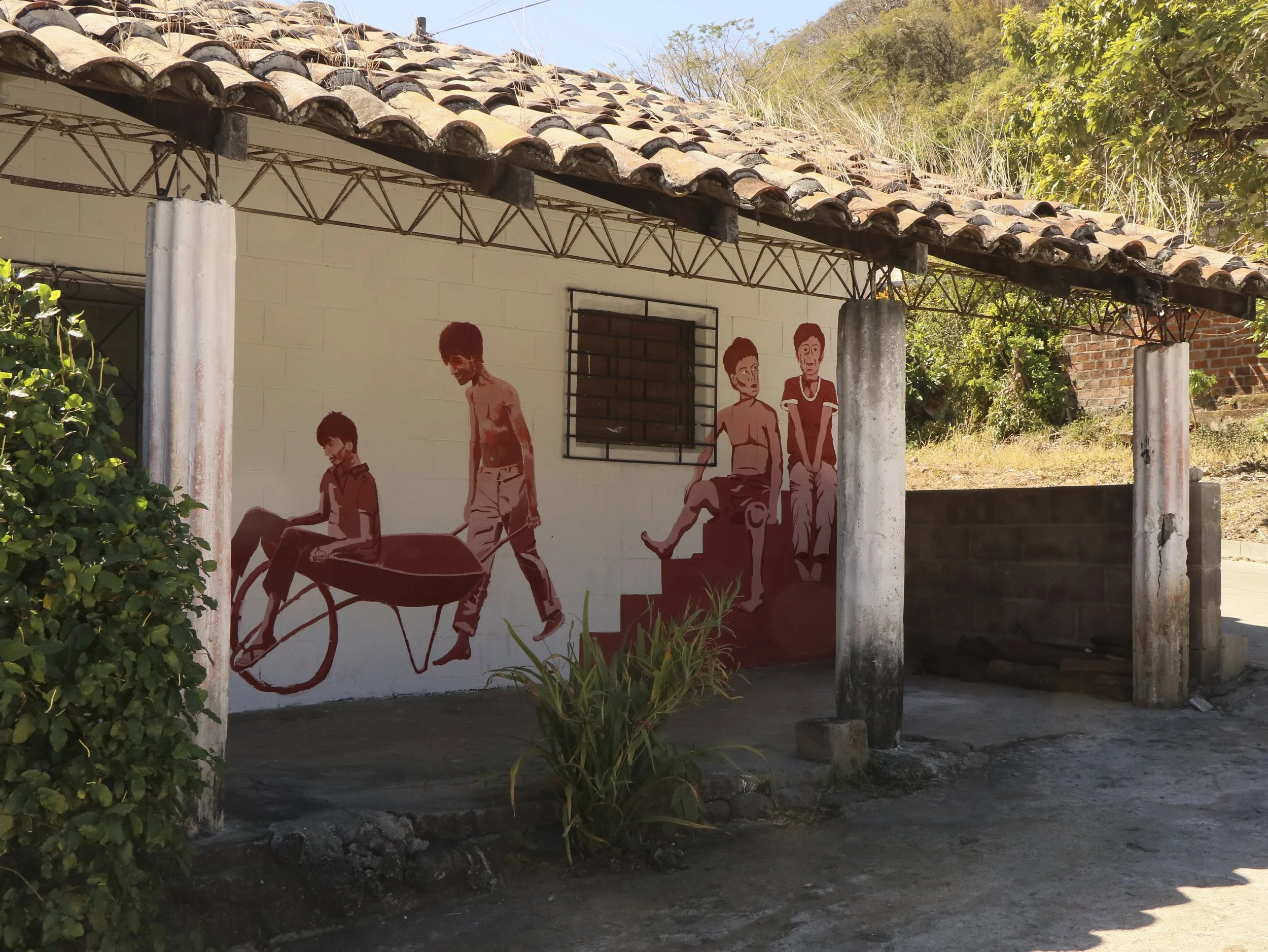
This latest exhibition brings together artistic works inspired by historical memory and shows ongoing architectural research for several massacre sites. The exhibition features contributions from both Salvadoran and international artists, including Antonio Romero and Colectivo Matiz . To mark the opening, the students painted a new mural on the facade of the Casa.
This two-week journey offered the students a chance to witness the strength of community-led memory work, contribute in small but meaningful ways, and reflect on the role architecture can play in supporting processes of remembrance.
The Surviving Memory in Postwar El Salvador research initiative is supported in part by funding from the Social Sciences and Humanities Research Council of Canada, Western University, KU Leuven, the Canadian Foundation for Innovation, and the Ontario Research Fund.