
Surviving Memory’s Economic Reconstruction Project Advances Through Research Activities, Academic Output, and Institutional Coordination
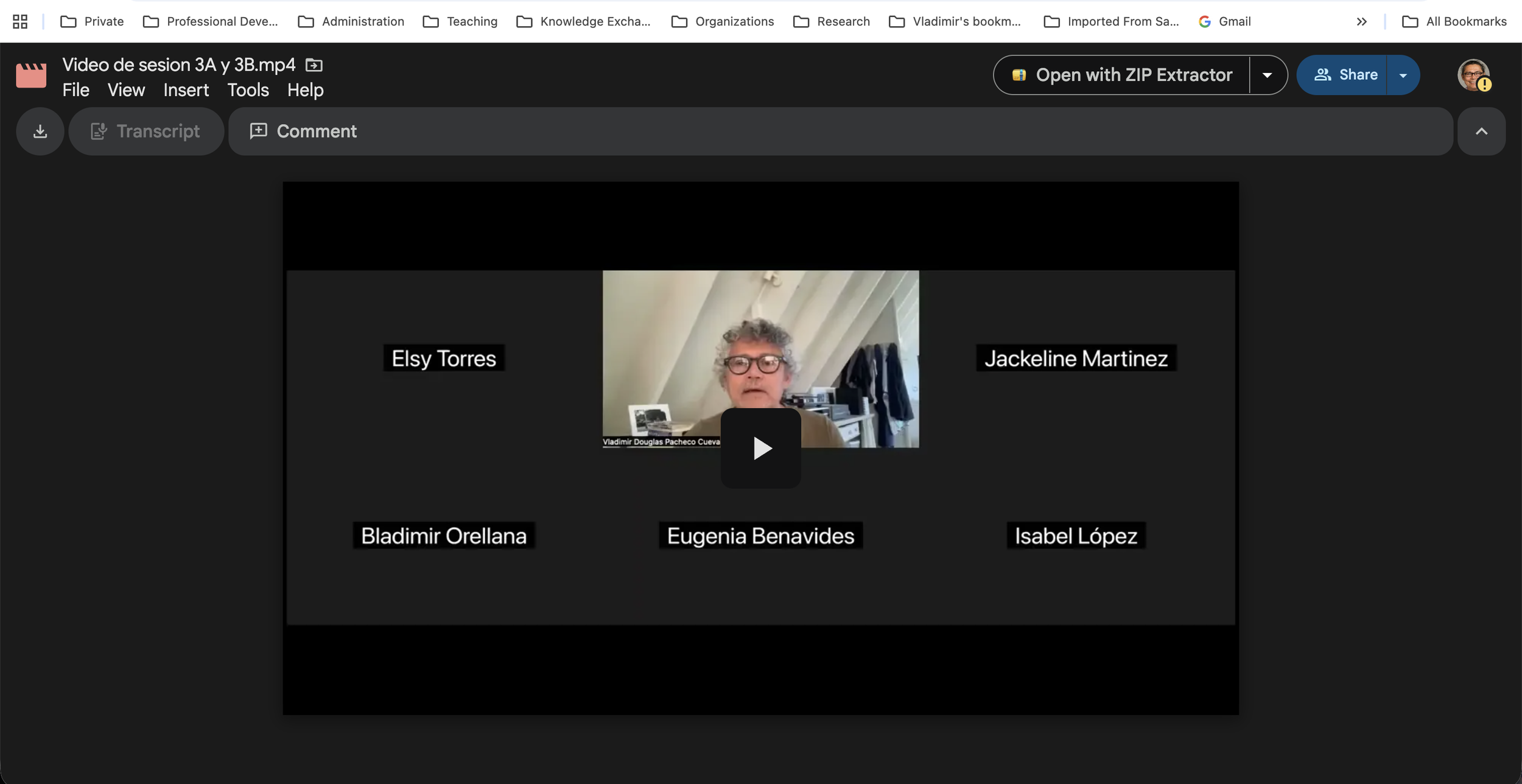
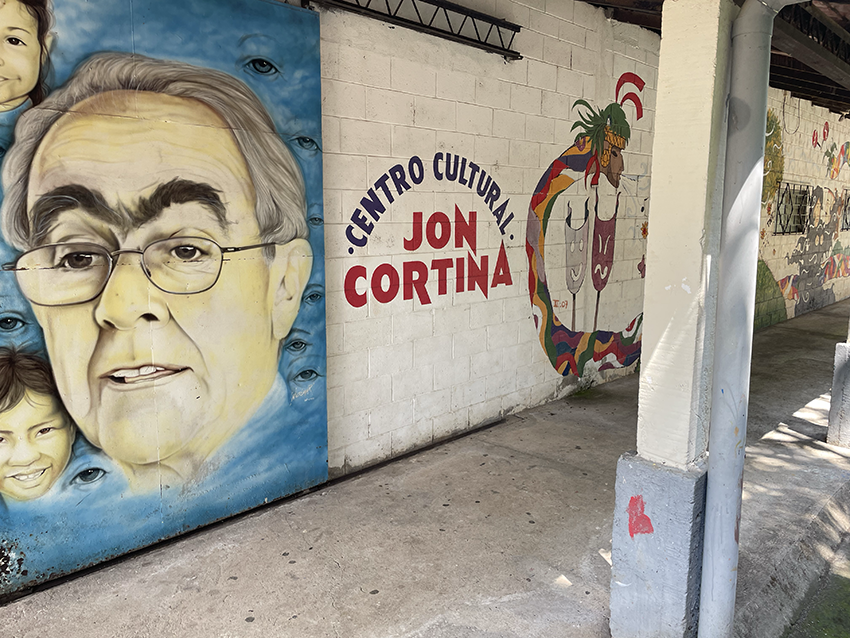
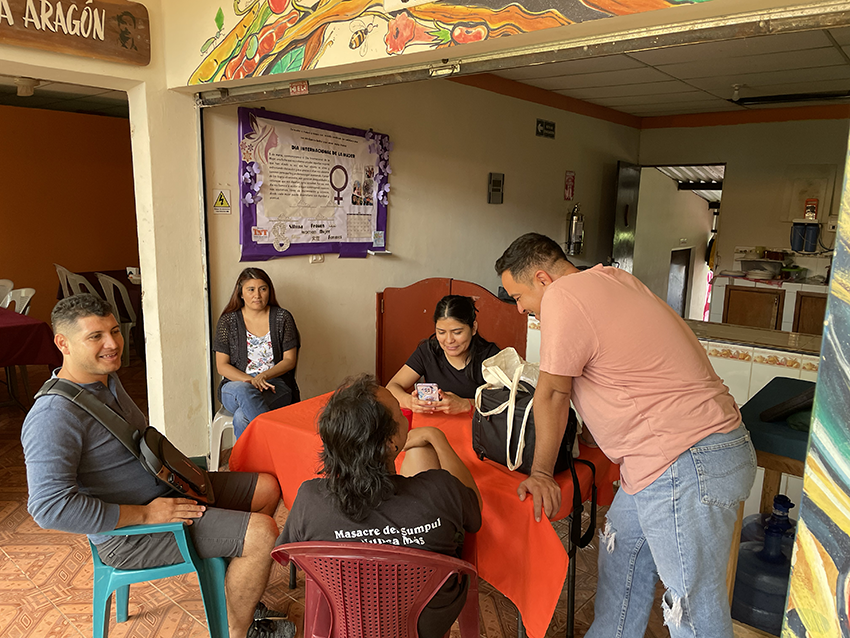
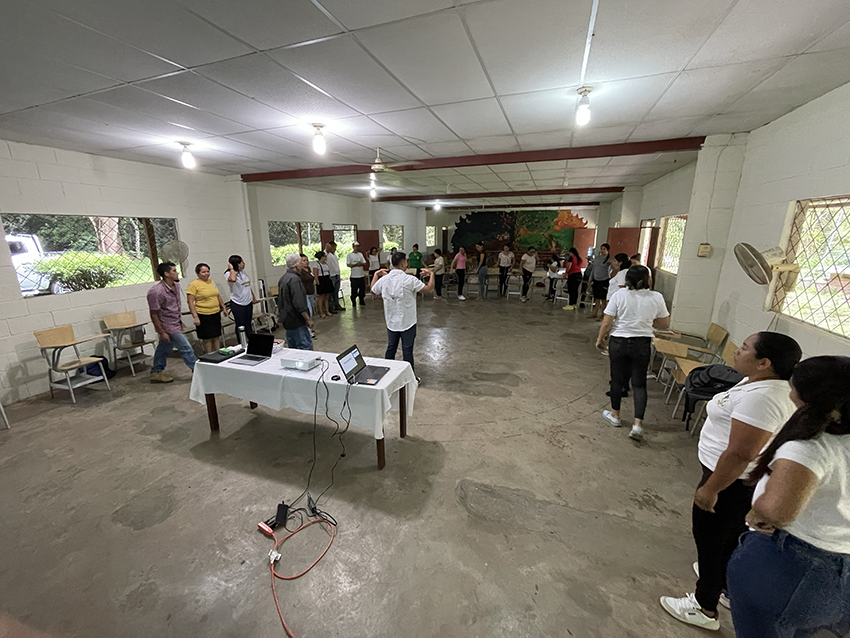
Between November 2024 and January 2026, Surviving Memory in Postwar El Salvador’s Economic Reconstruction project in Chalatenango (ERES) – led by Aarhus professor and Salvadoran Australian, Vladimir Pacheco Cueva – made significant progress, combining community training, academic production, and institutional coordination. During the first stage (November 2024–May 2025), the team carried out a training process for community leaders from San José Las Flores, Las Vueltas, and Nueva Trinidad. This course, delivered in a hybrid format over eight weeks and concluded with an intensive workshop, graduated eight participants from key organizations in Chalatenango, including the Asociación Fundación para la Cooperación y el Desarrollo Comunal de El Salvador [Foundation Association for Cooperation and Communal Development of El Salvador, CORDES], the Asociación de Comunidades para el Desarrollo de Chalatenango [Association of Communities for the Development of Chalatenango, CCR], the Asociación Sumpul [Sumpul Association], the Casa Museo Jon Cortina [Jon Cortina House Museum], and the Asociación Tiempos Nuevos Teatro [New Times Theatre Association, TNT].
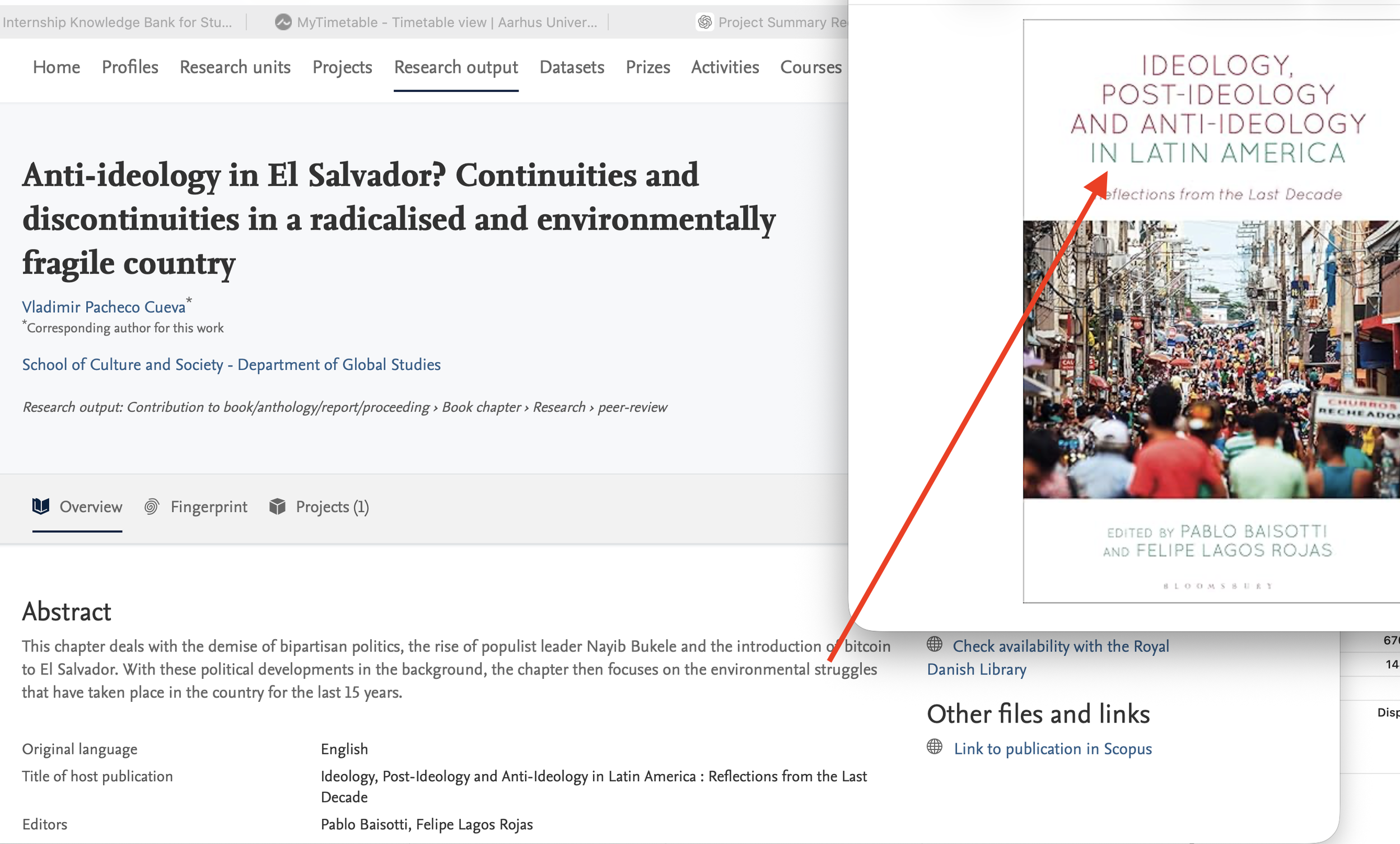
At the same time, the project’s academic dimension was strengthened through the publication of a chapter on the political situation in El Salvador, which analyzes continuities and ruptures in a context marked by political radicalization and environmental fragility.
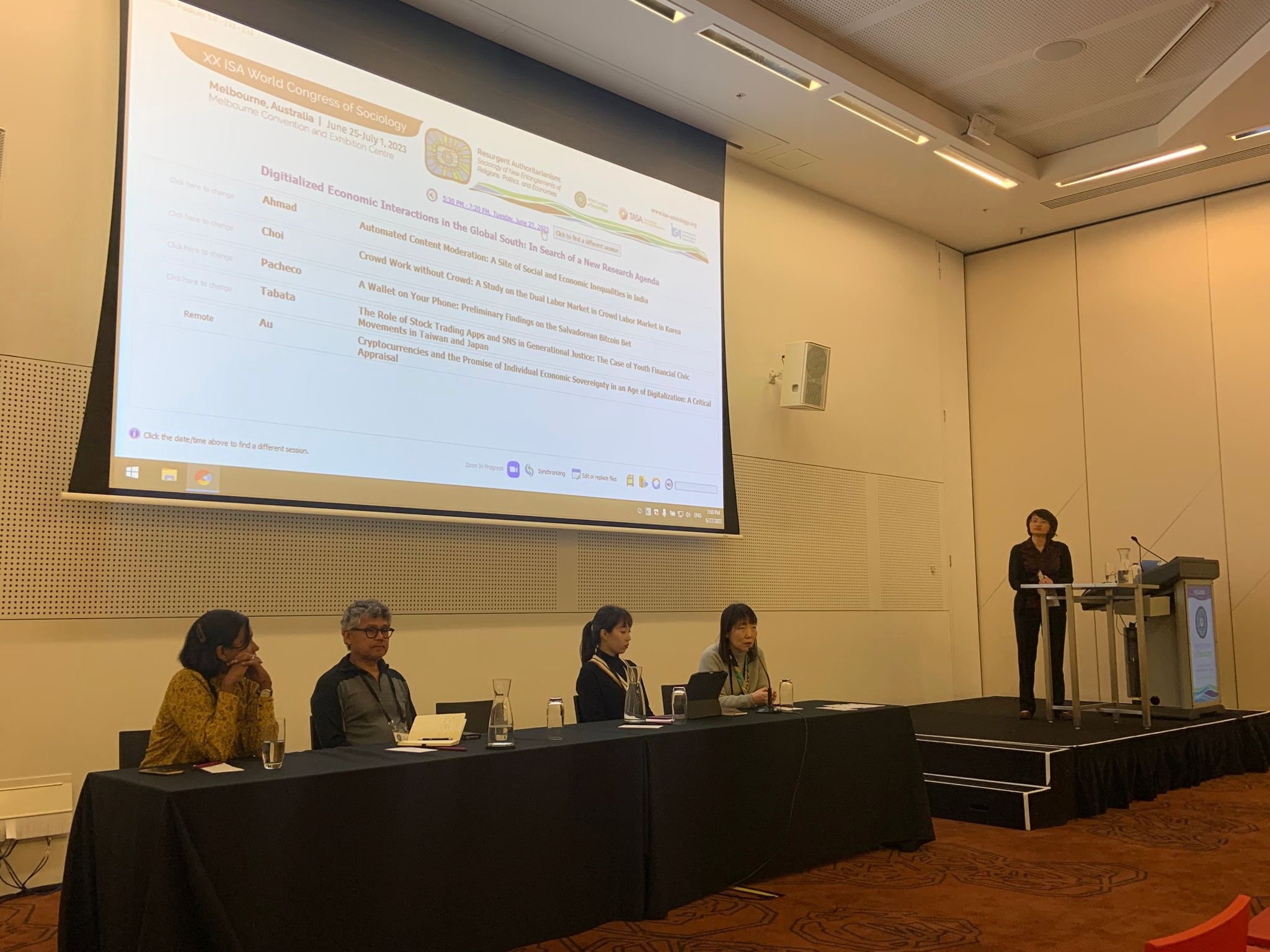
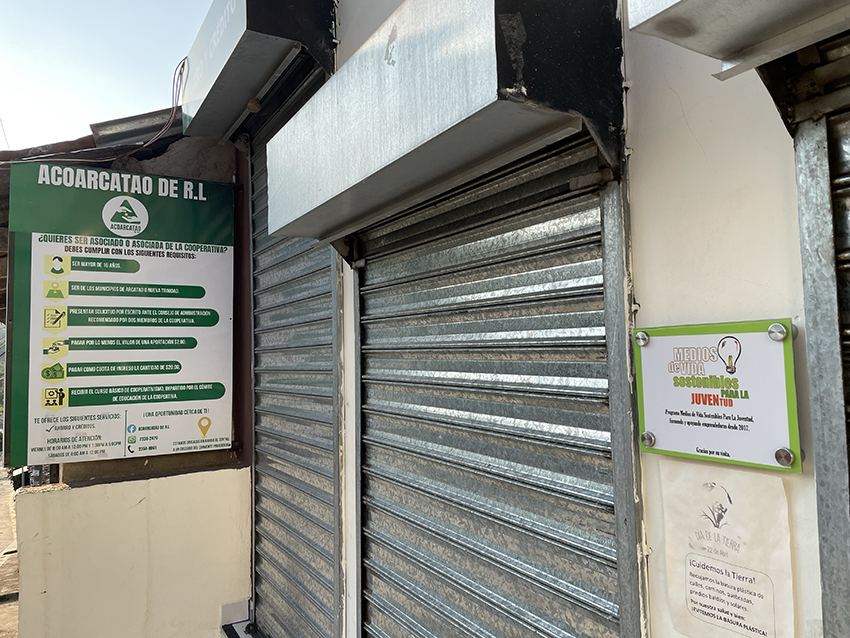
In a second stage (May 2025–January 2026), the focus expanded toward strengthening organizational capacities and generating applied research. The team carried out a new eight-week training program with the organization Medios de Vida Sostenible para la Juventud de Arcatao [Sustainable Livelihoods for the Youth of Arcatao, MVSJA], focused on project management. This process not only trained six community participants, but also culminated in the development of a research plan that will guide MVSJA’s actions during 2026 and 2027. In terms of outreach, there was progress in presenting work on the impact of Bitcoin in El Salvador, including a podcast version produced at Aarhus University.
Finally, a memorandum of understanding was established between Aarhus University and the consulting firm AMO, opening opportunities for pro bono technical training and an organizational assessment for MVSJA. Together, these achievements reflect a sustained effort to link historical memory, local development, and the production of critical knowledge.
The Surviving Memory in Postwar El Salvador research initiative is supported in part by funding from the Social Sciences and Humanities Research Council of Canada, Western University, Aarhus University, the Canadian Foundation for Innovation, and the Ontario Research Fund.