
Commemoration of the El Sicahuite Massacre
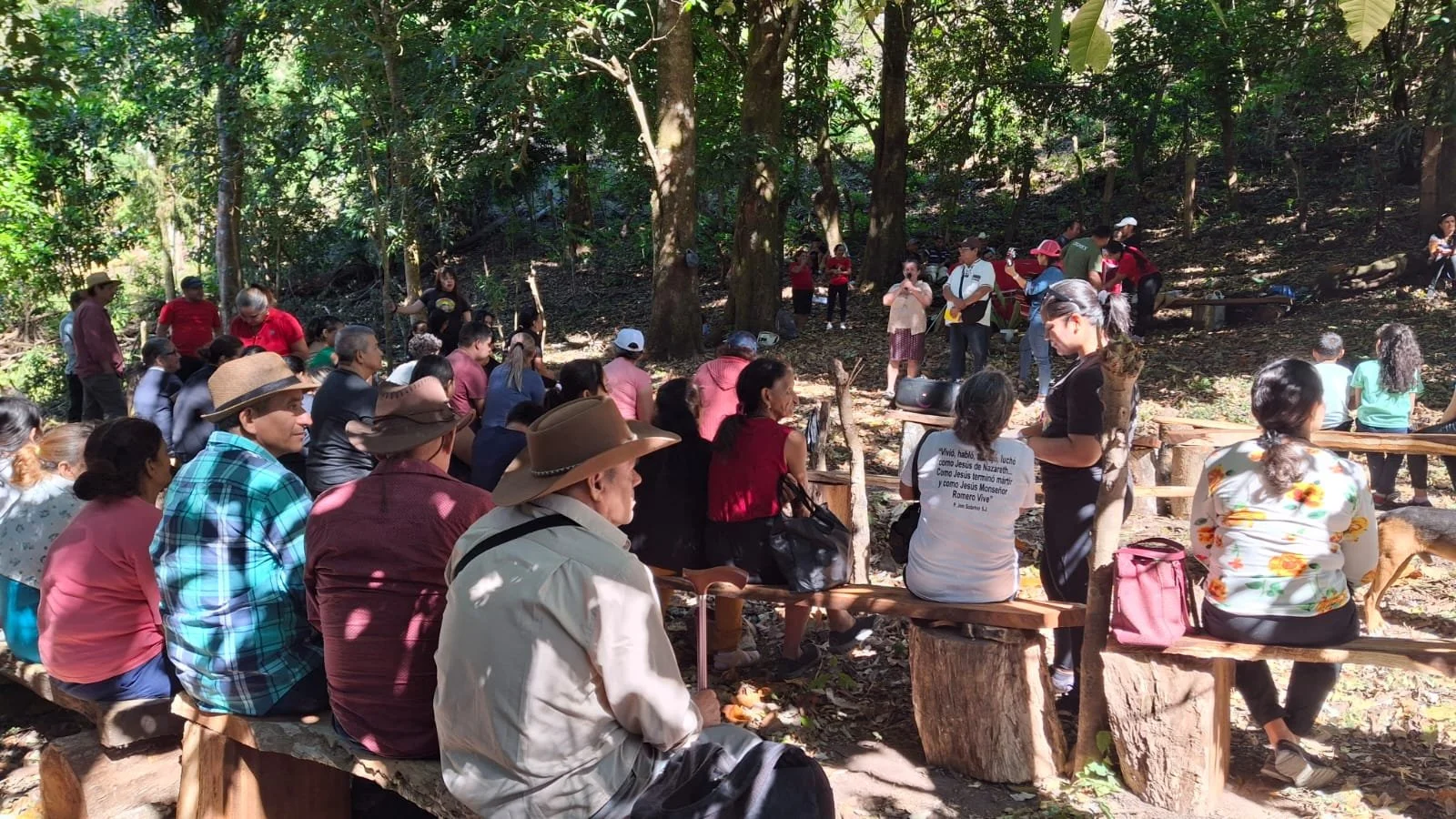
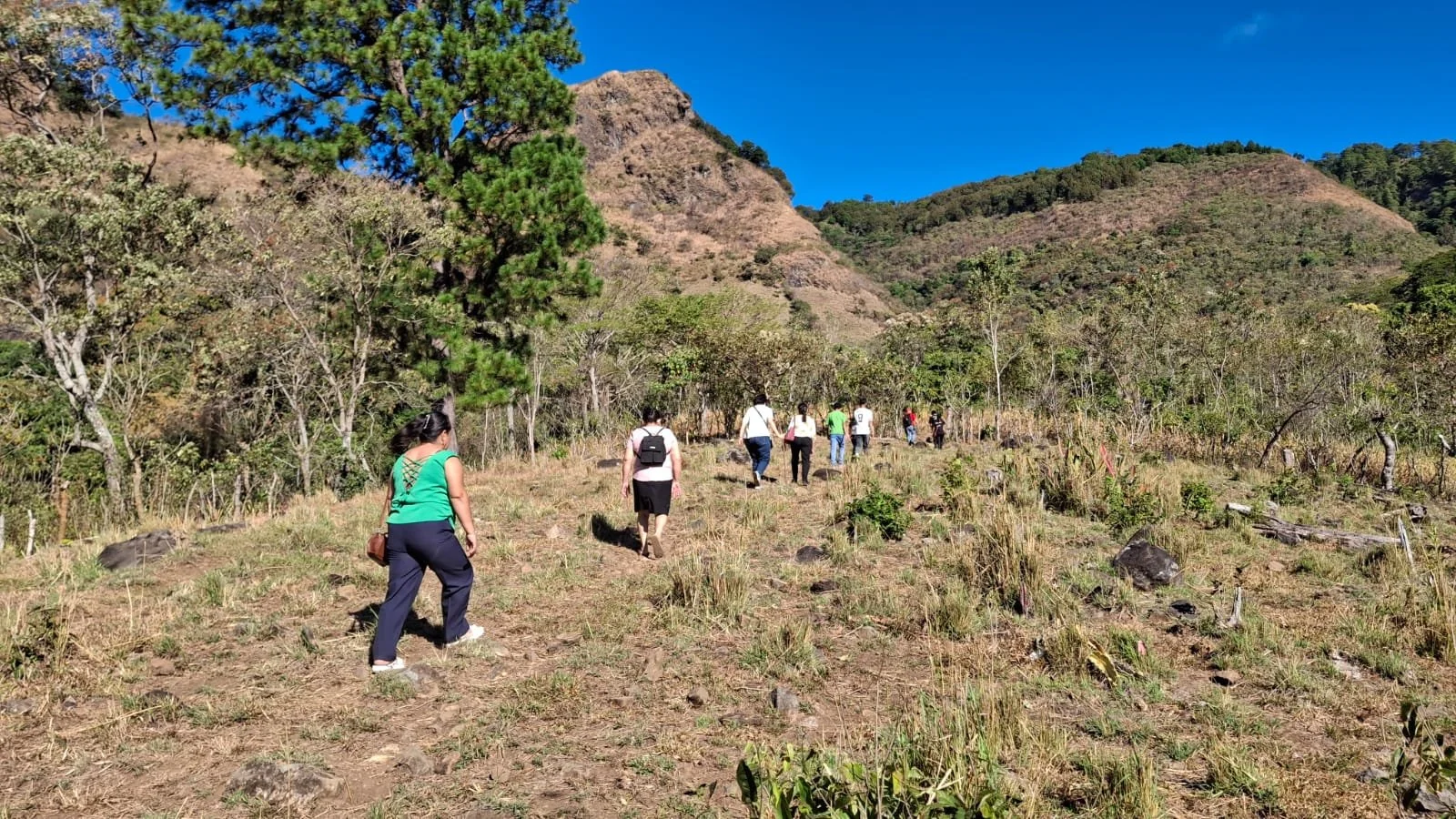
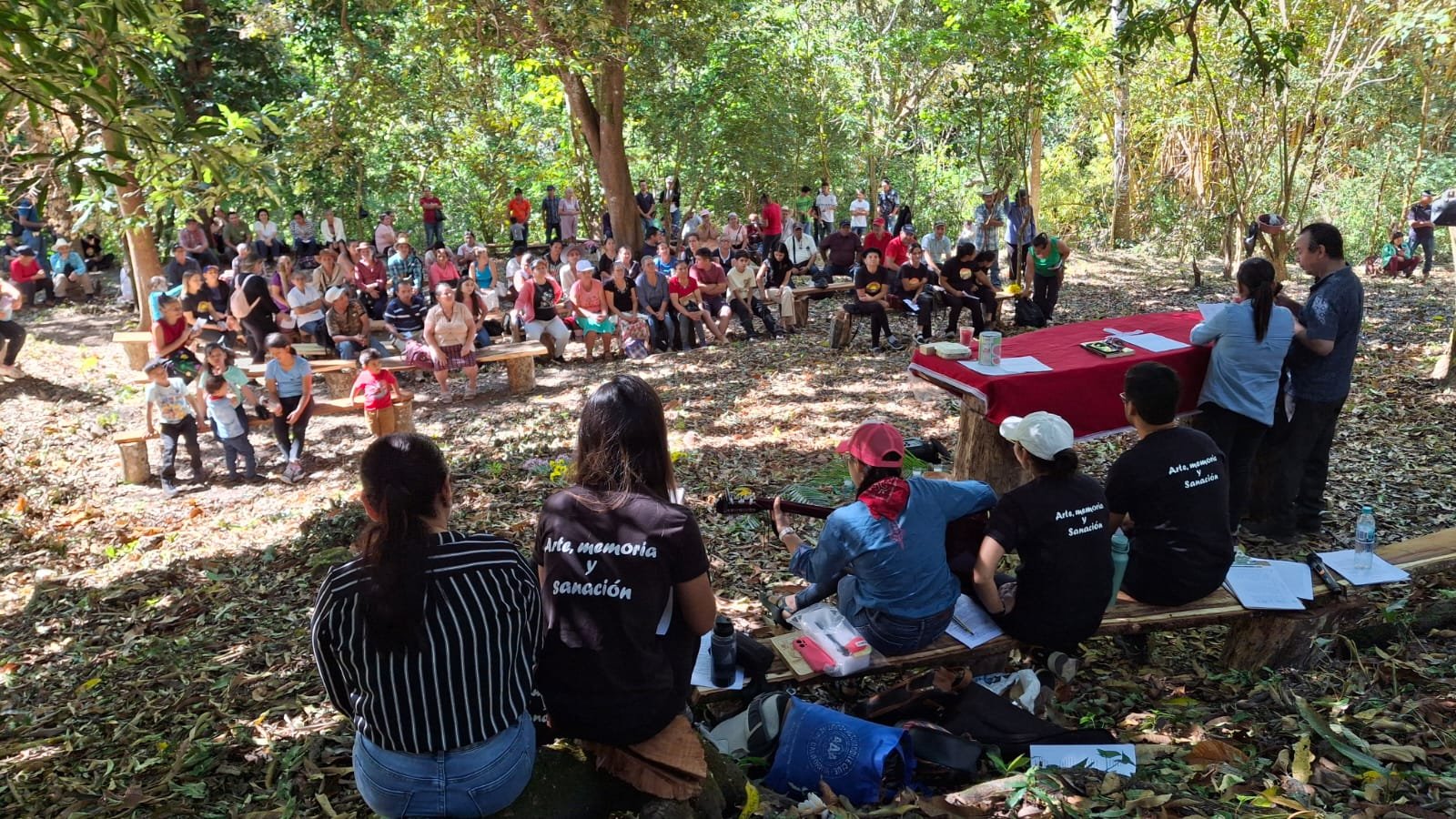
On Wednesday, January 28, the Asociación Pro-Búsqueda de Niños y Niñas desaparecidos [Pro-Búsqueda Association for Missing Children, APB], as part of the Chalatenango Historical Memory Collective, joined the community in commemorating the El Sicahuite Massacre, an act of deep significance for the victims, survivors, and family members who keep alive the memory of what happened in 1981.
This space made it possible to once again name those who had been silenced, to share testimonies marked by pain and dignity, and to reaffirm the demand for truth and justice. The voices of the victims were at the center of the gathering, reminding us that memory is not simply about the past, but a tool for preventing these human rights violations from happening again.
The team thanks all the people and communities who joined this act of resistance and solidarity. Remembering is an act of justice and a way of continuing to build a more humane future, one in which historical memory is a collective commitment.
Historical Context
The canton of El Sicahuite, in Las Vueltas, Chalatenango, is located 97 kilometers from San Salvador. Before the armed conflict, it was a very populated place, with more than 200 families living there. It was a strategic site for peasant organizing, which is why it was heavily attacked and besieged by the army. The community was destroyed during the Civil War and became almost completely depopulated. After the signing of the Peace Accords, some families gradually began to return.
In May 1980, when people were fleeing in guinda from the Sumpul massacre, other residents were killed at Cerro El Cacao, in Llano Grande, which borders El Sicahuite. In the early hours of January 28, 1981, movements of columns of soldiers were seen in the hills and along all the nearby embankments. Residents recount that before the massacre, some families were locked inside their homes, while others fled to the hills. The first bursts of gunfire were heard: the massacre had begun. The families who managed to flee, when they returned, found their belongings burned, and even found children still locked inside their homes. More than 90 victims were killed in different parts of El Sicahuite during the military operation.
The military operation in El Sicahuite was part of the government’s strategy at that time, aimed at locating and eliminating anyone suspected of collaborating with the guerrillas. This strategy used extremely violent methods, resulting in the deaths of numerous innocent civilians. In the El Sicahuite massacre, many families lost their loved ones, and those who survived were left traumatized by the violence they witnessed, as well as by other consequences such as the forced displacement of the community’s inhabitants.
The Surviving Memory in Postwar El Salvador research initiative is supported in part by funding from the Social Sciences and Humanities Research Council of Canada, Western University, the Asociación Pro-Búsqueda de Niños y Niñas desaparecidos [Pro-Búsqueda Association for Missing Children, APB], the Canadian Foundation for Innovation, and the Ontario Research Fund.