Surviving Memory in Postwar El Salvador
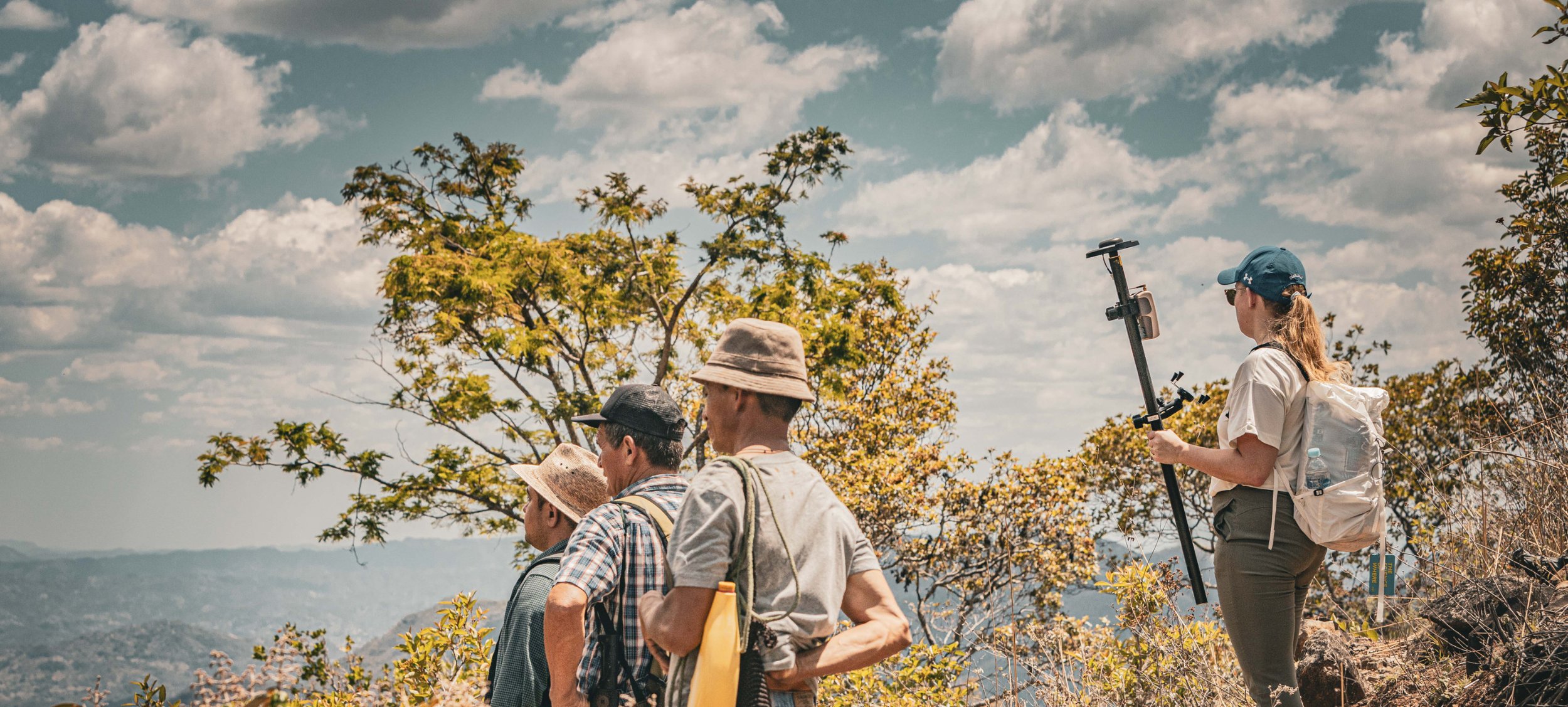
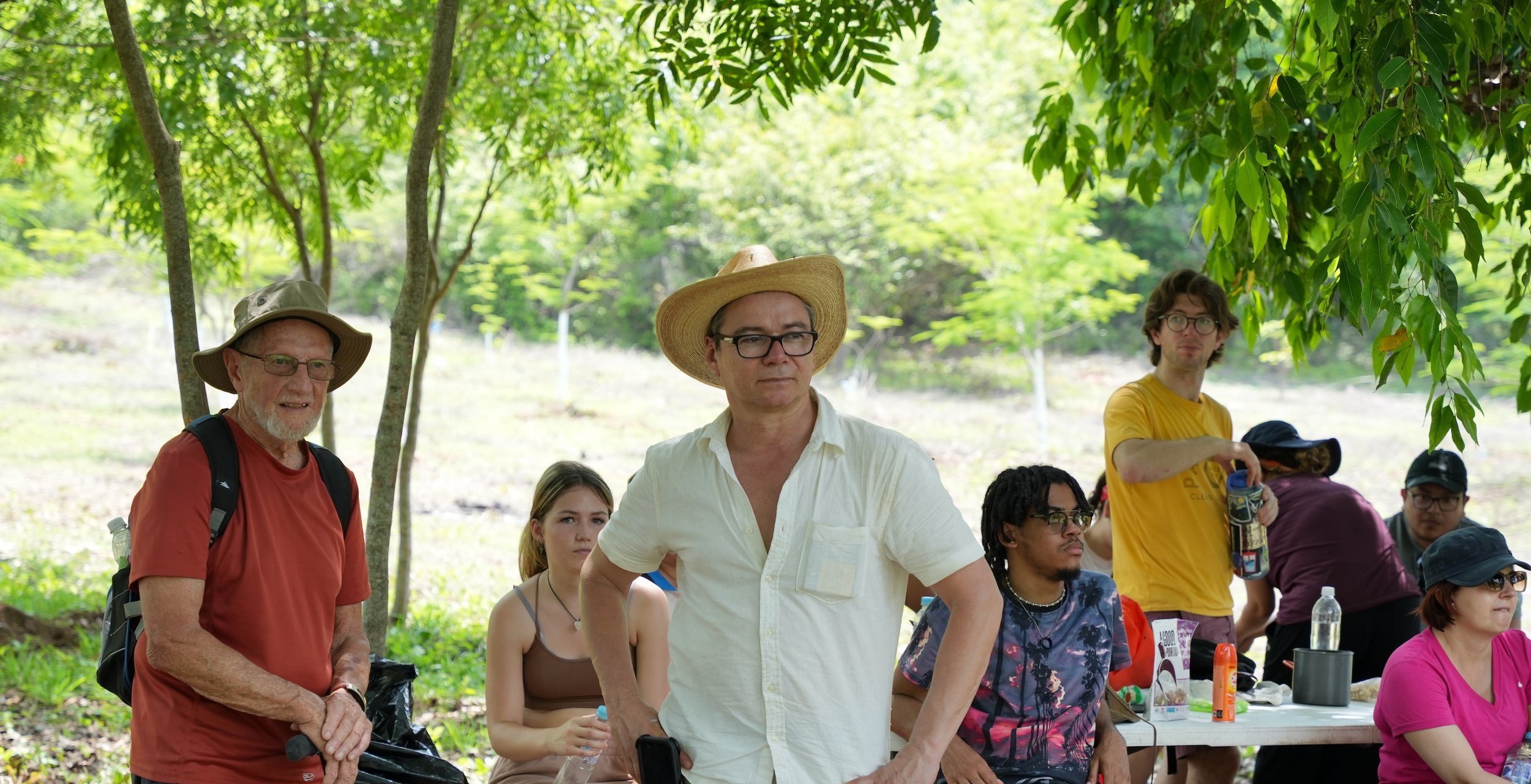
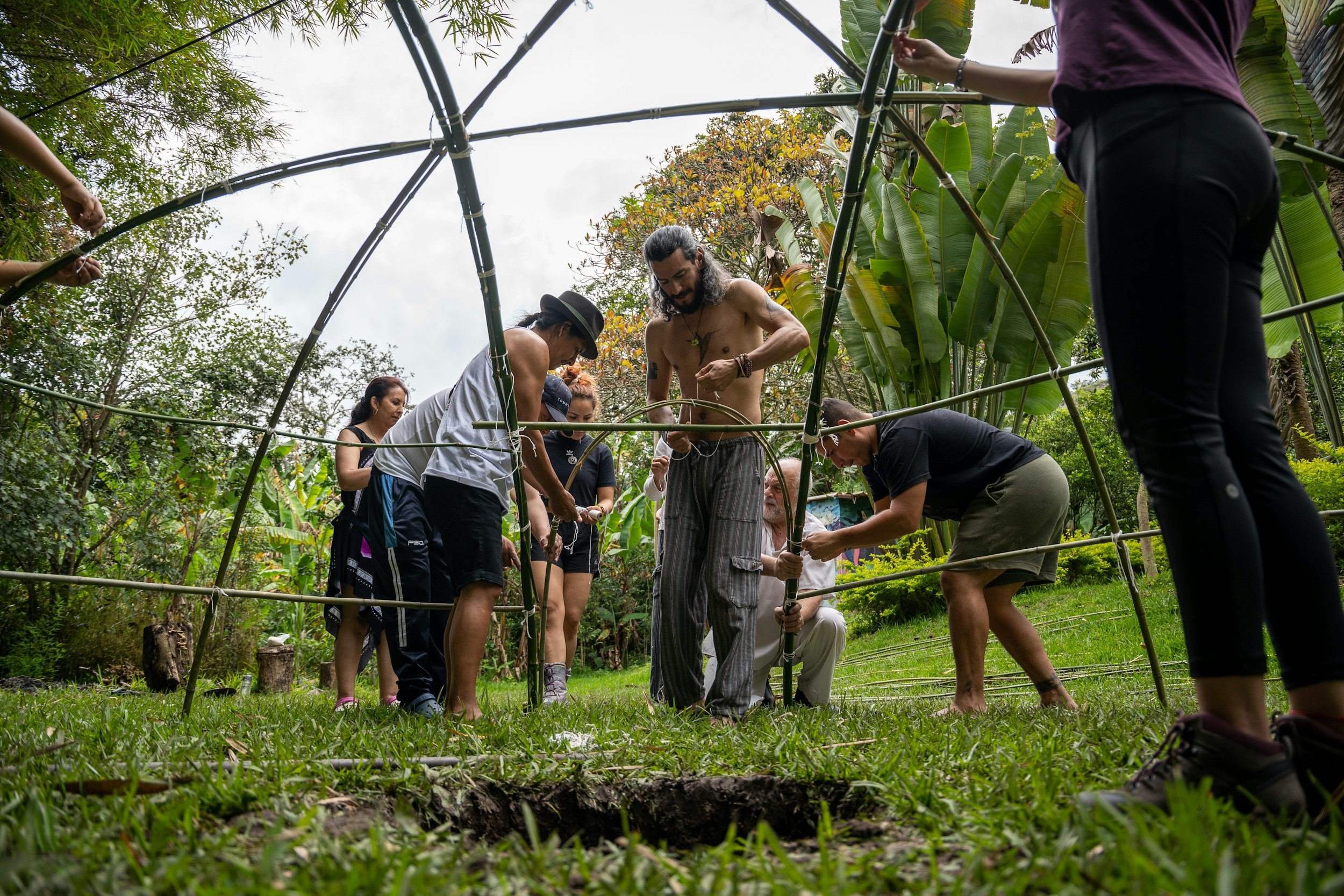
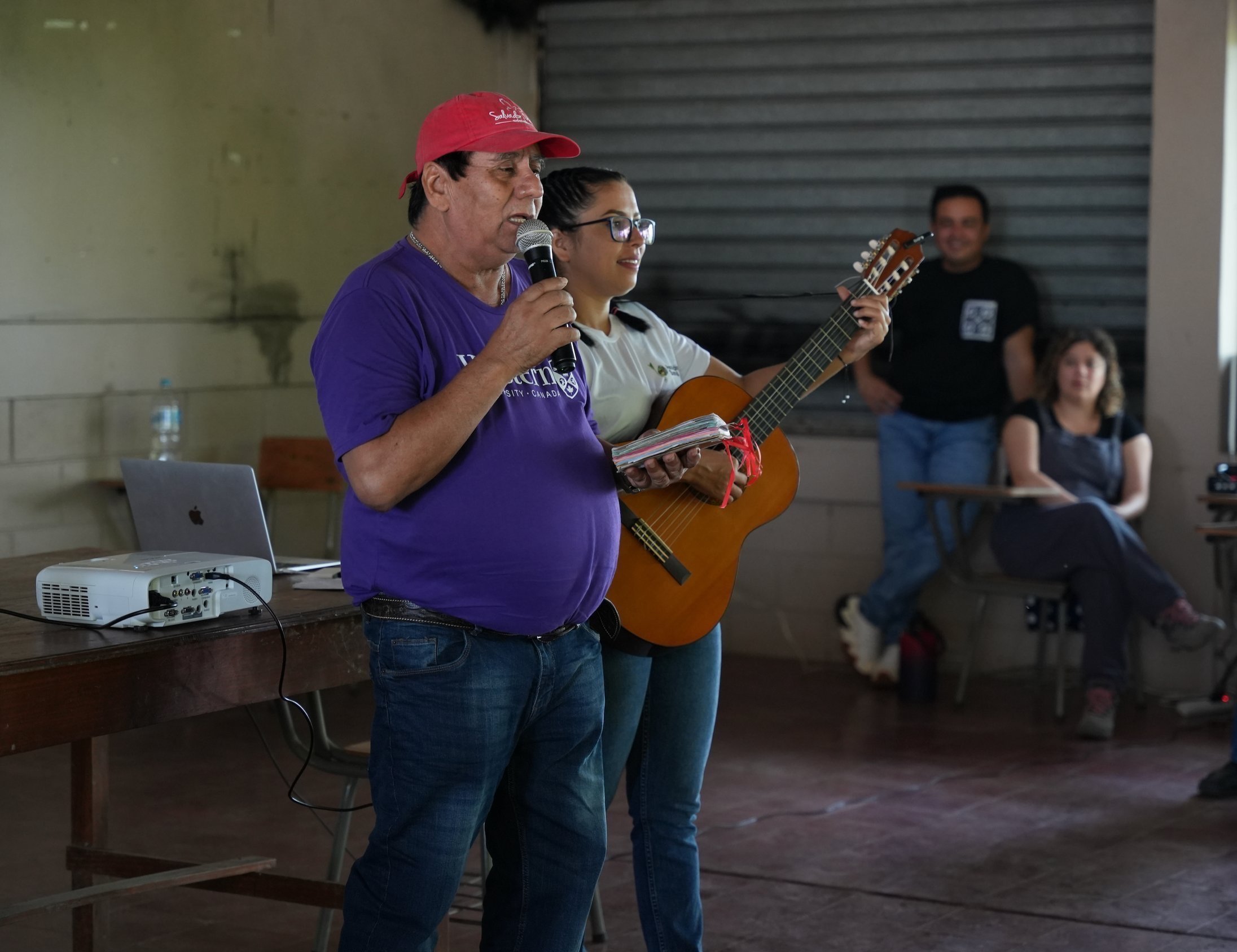
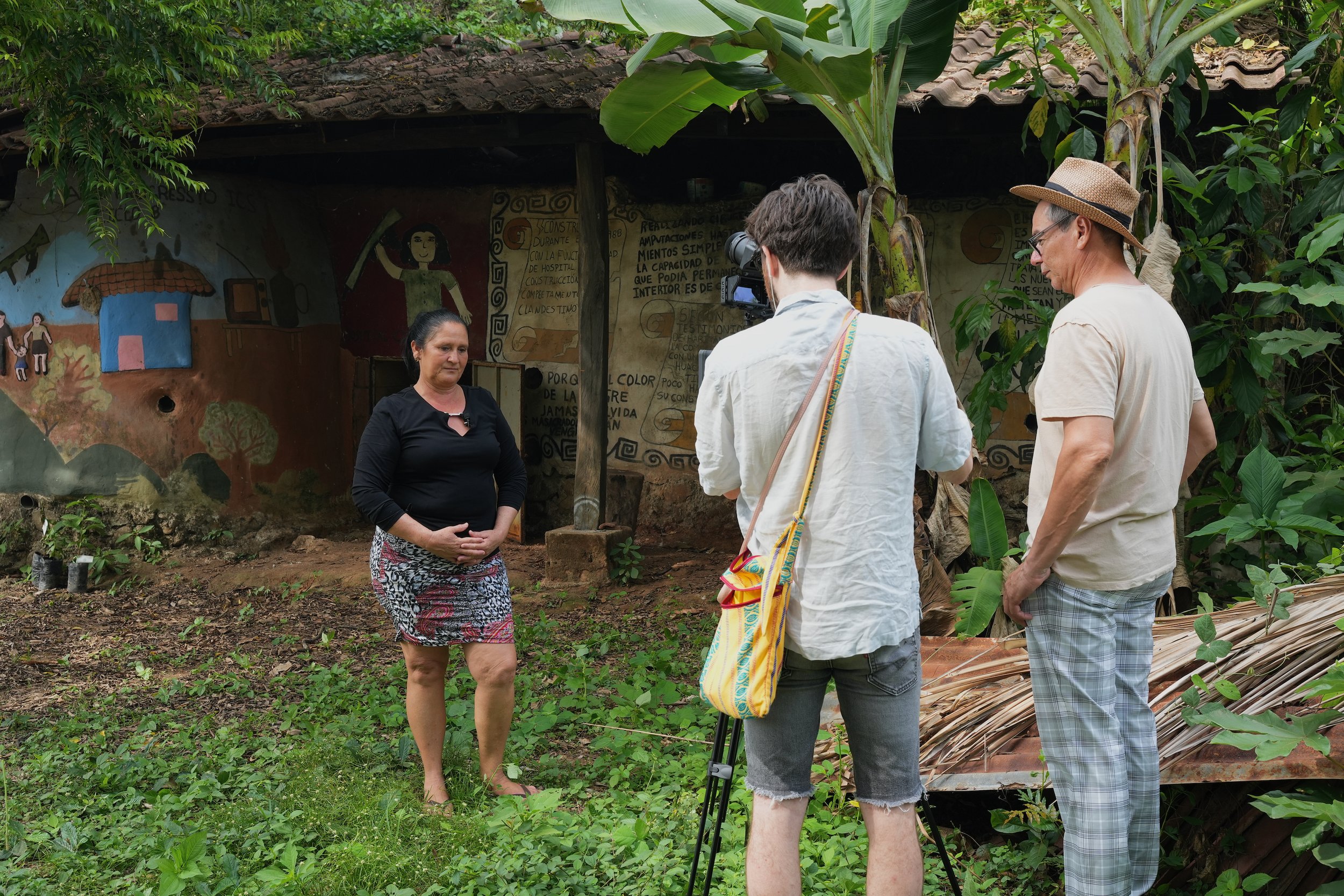
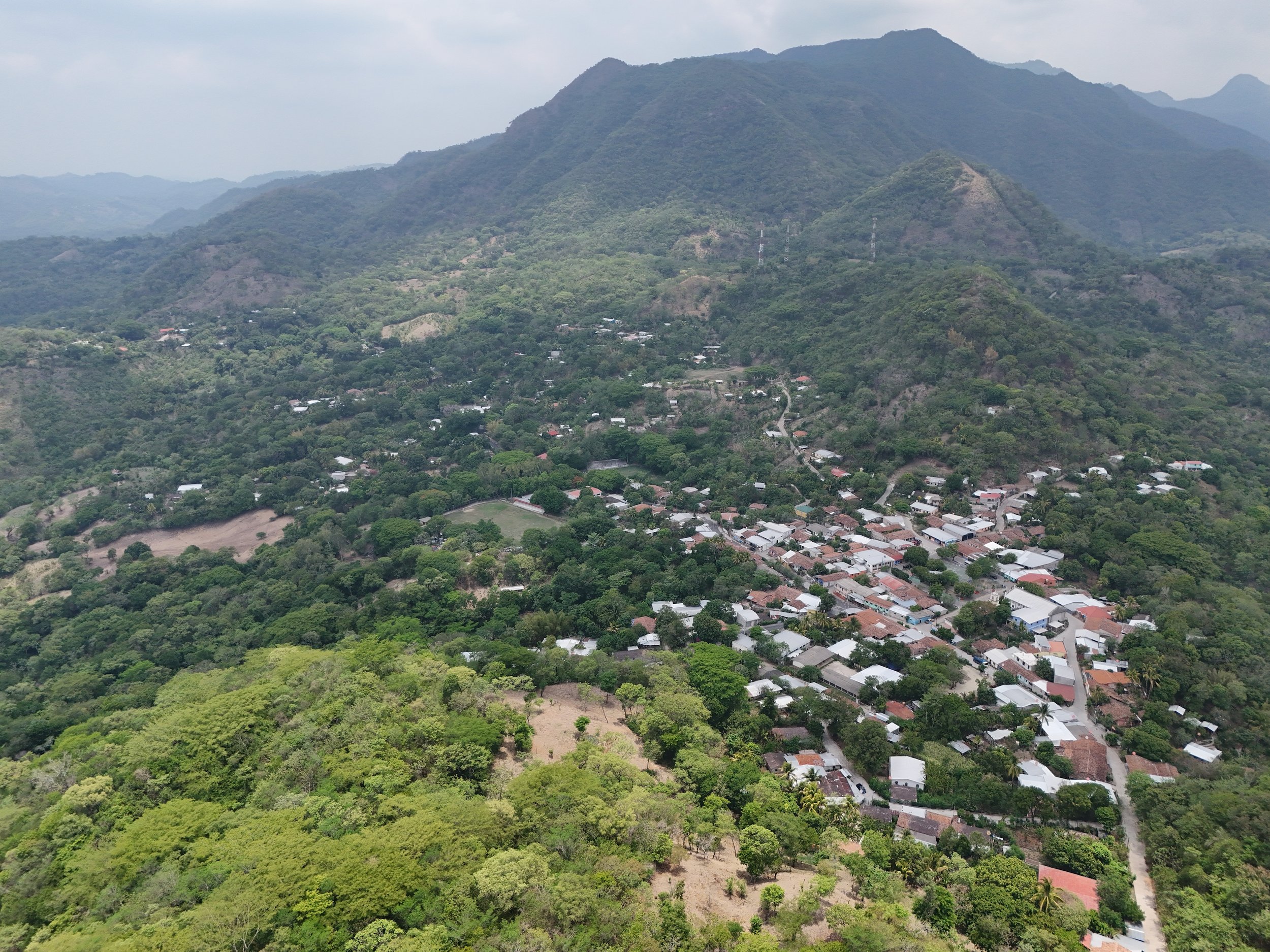
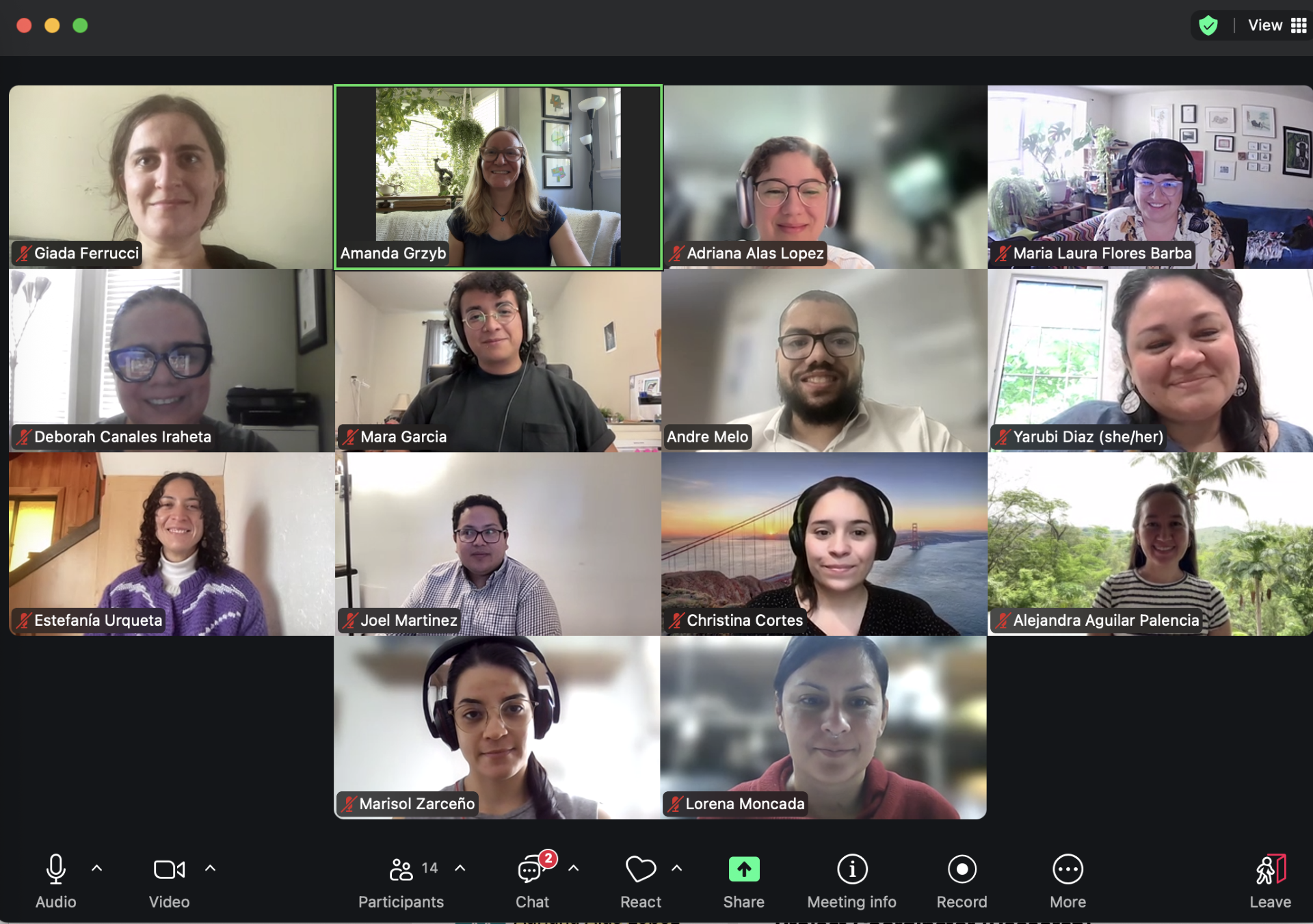
Founded in 2017, the Surviving Memory in Postwar El Salvador collaborative research initiative is an international partnership of survivors, scholars, architects, artists, lawyers, museums, community organizers, local leaders, civil society organizations and mental health professionals who are committed to documenting the history of the Salvadoran Civil War (1980-1992) and preventing future violence.
For more details, see the About section.
Two New Books from Surviving Memory Highlight Community Memory and Collaborative Research
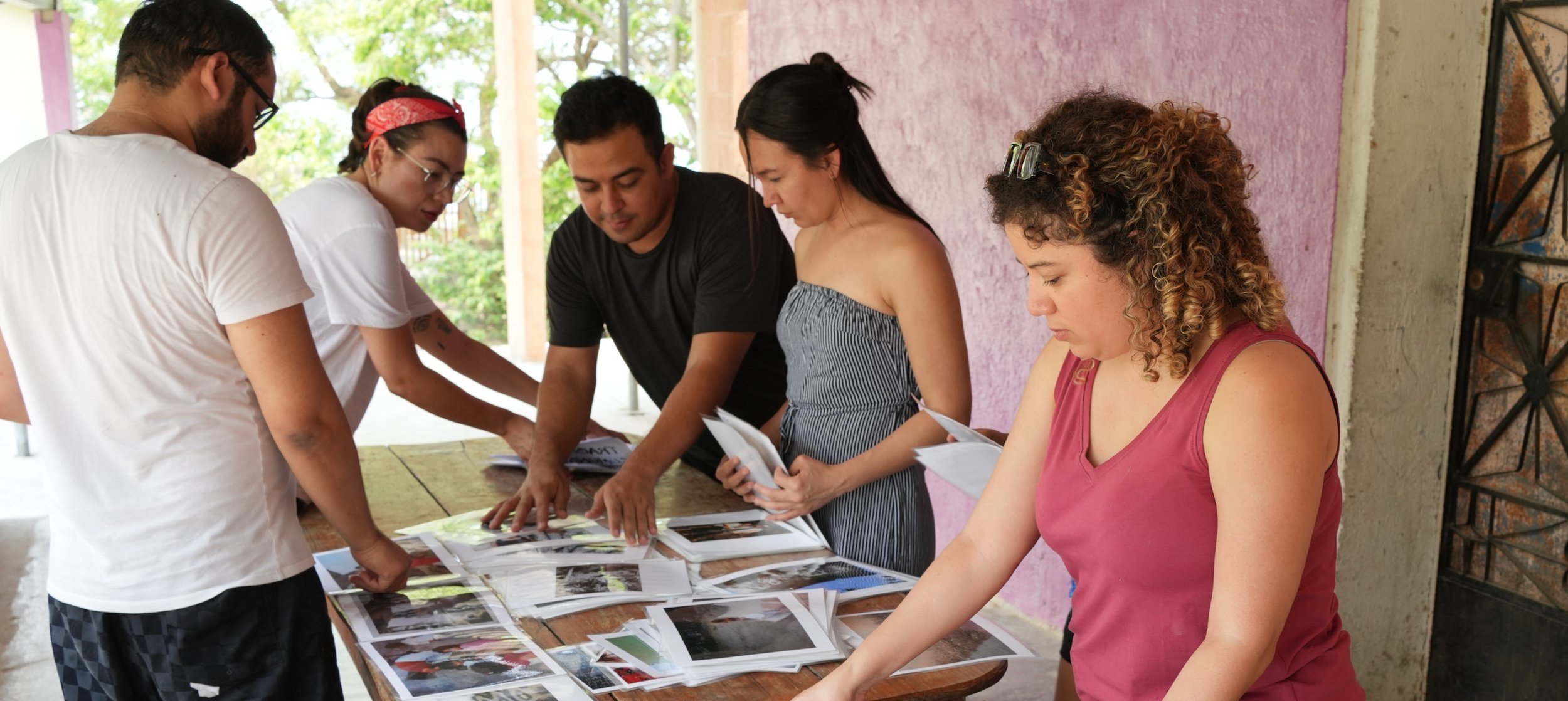
The Surviving Memory in Postwar El Salvador research initiative has published two new books that document community memory, survivor testimony, and collaborative work on the history and legacies of the Salvadoran Civil War. Chalatenango Luz y Sombra: Fotografías de Ralph Sprenkels y Memorias de las Comunidades Repobladas[Chalatenango Light and Shadow: Photographs by Ralph Sprenkels and Memories of the Repopulated Communities] and Río Sumpul Massacre Memorial: Trails and Voices bring together photographs, testimonies, historical reflection, artistic practices, and participatory research.
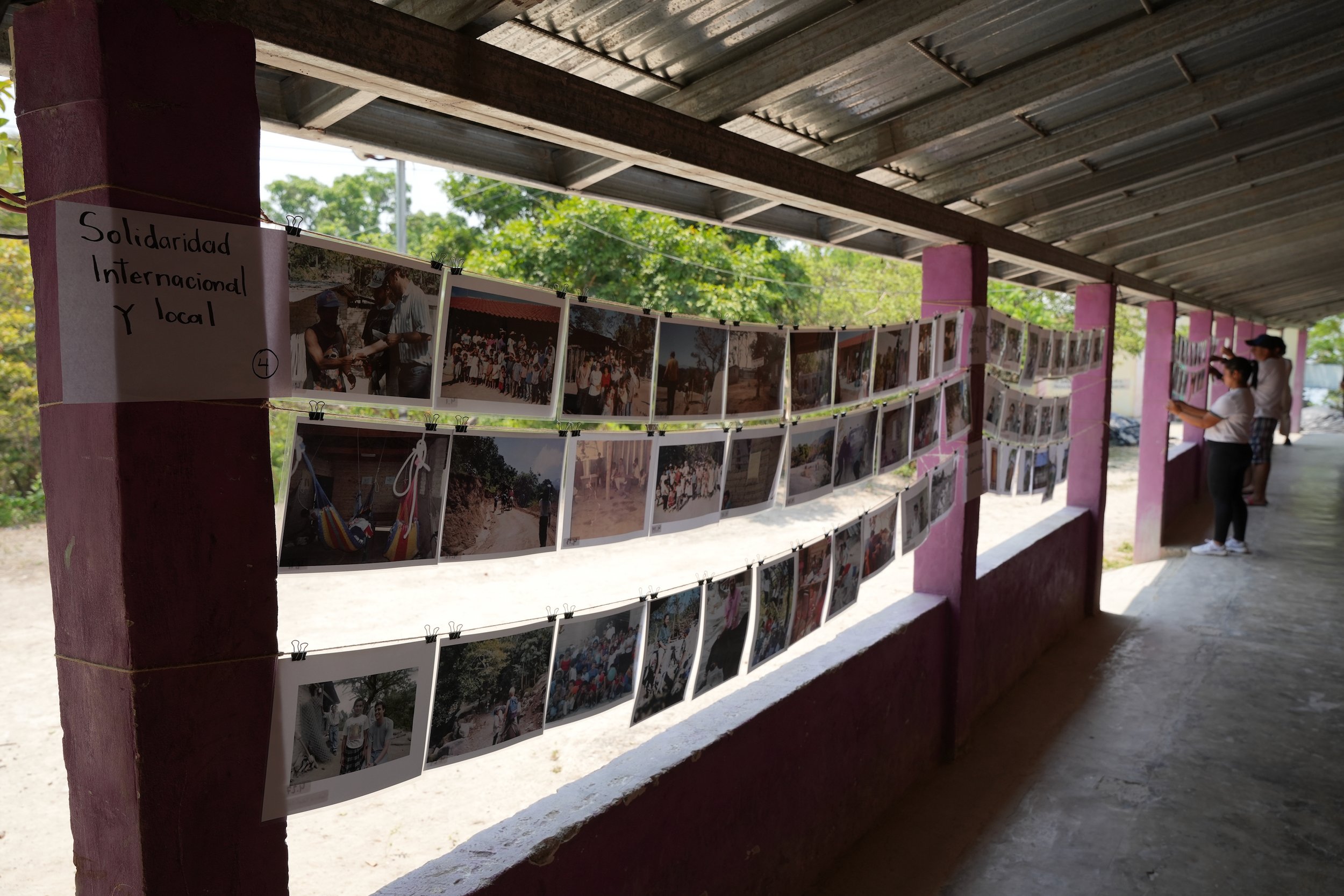
Chalatenango Light and Shadow is based on the photographic archive of Ralph “Rafa” Sprenkels, a Dutch anthropologist-historian who lived in the communities of Chalatenango during the early postwar years. His photographs document community life, commemorations, theater performances, masses, friendships, and the first years of reconstruction after the war. The book is organized around 73 photographs and the stories they evoke from the perspective of survivors.
It is a community co-authored work involving more than 50 participants from the repopulated communities of San José Las Flores, Arcatao, Nueva Trinidad, Las Limas, San Antonio Los Ranchos, Guancora/Ignacio Ellacuría, Guarjila, Las Minas, and Las Vueltas.
Río Sumpul Massacre Memorial: Trails and Voices documents the creation of the Río Sumpul Massacre Memorial in Las Aradas, Chalatenango. Developed through a multidisciplinary and international collaboration since 2017, the book follows the memorial’s development from early sketches to completion. It brings together survivor testimonies, historical context, and reflections on participatory design, showing how the memorial emerged from community organizing and sustained collaboration among survivors, researchers, artists, architects, and institutional partners.
The memorial commemorates the massacre of May 14, 1980, when approximately 600 civilians were killed near the Río Sumpul, on the border with Honduras, in one of the defining early atrocities of the Salvadoran Civil War. The project is rooted in the organizing of the Sumpul Association and local communities, while also connecting partners across El Salvador, Canada, and Belgium.
Both books foreground the voices of survivors and communities while showing how memory is built through collective, intergenerational, and international collaboration.
Partners and collaborators involved in these publications include Asociación Sumpul [Sumpul Association]; the Museo de la Palabra y la Imagen [Museum of the Word and Image, MUPI]; the FotoRafa Archive; the Asociación de Comunidades para el Desarrollo de Chalatenango [Association of Communities for the Development of Chalatenango, CCR]; Centro Arte para la Paz [Art Center for Peace, CAP]; Casa Museo Jon Cortina; Cáritas Chalatenango; KU Leuven; Western University; CUNY; UGent’s Human Rights Centre; UCLouvain; AgwA; and VAi.
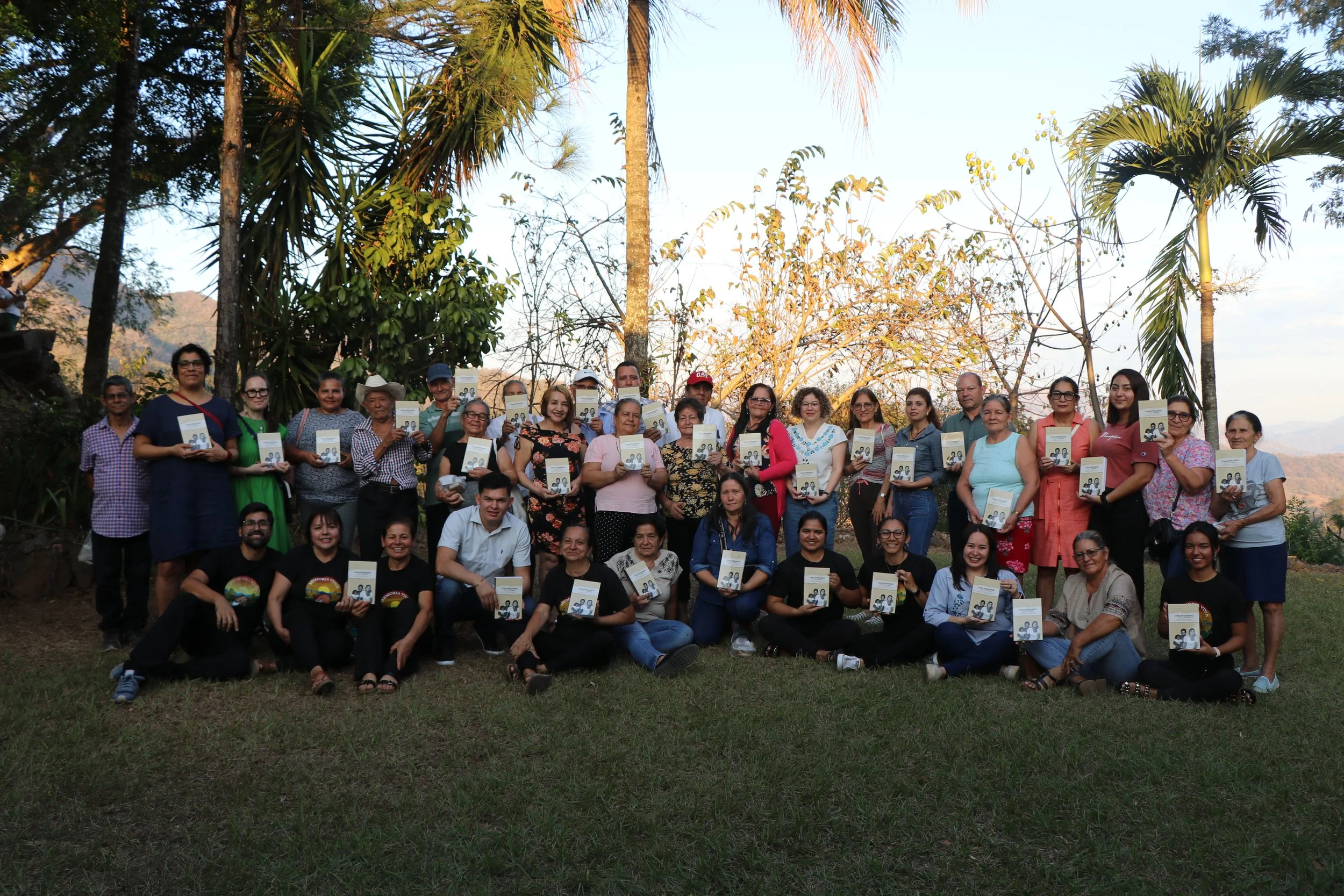
The launch of Chalatenango Luz y Sombra: Fotografías de Ralph Sprenkels y Memorias de las Comunidades Repobladas took place on February 16, 17, and 18, 2026, with presentations held in San Salvador, Guarjila, and Cuscatlán. The events brought together around 300 attendees, including survivor communities from Chalatenango, the theater group Memoria Viva, singer-songwriter Sandra Alas, and the book’s editors. The presentations featured community participation, performances, discussions, and reflections that created a collective space for dialogue and remembrance.
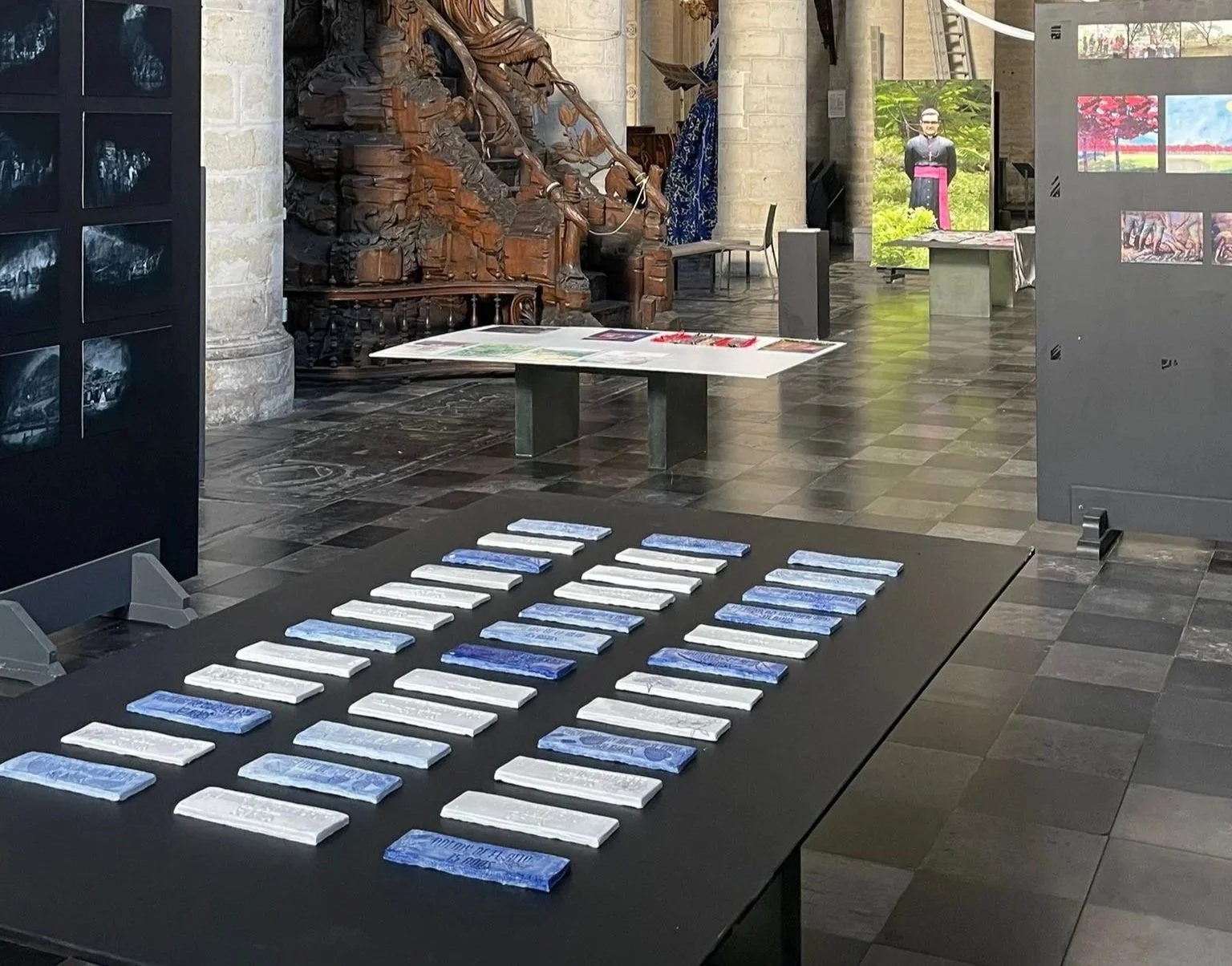
The launch of Río Sumpul Massacre Memorial: Trails and Voices took place on March 19, 2026, at the Church of St. John the Baptist at the Béguinage in Brussels. The event brought together researchers, architects, artists, and members of the public for a panel discussion and conversation marking the publication. Speakers included Gretel Mejía, Amanda Grzyb, Evelia Macal, and Thomas Montulet, with the discussion moderated by Hülya Ertas.
Recent Updates
June 25, 2026
New publication on community archives in El Salvador
June 10, 2026
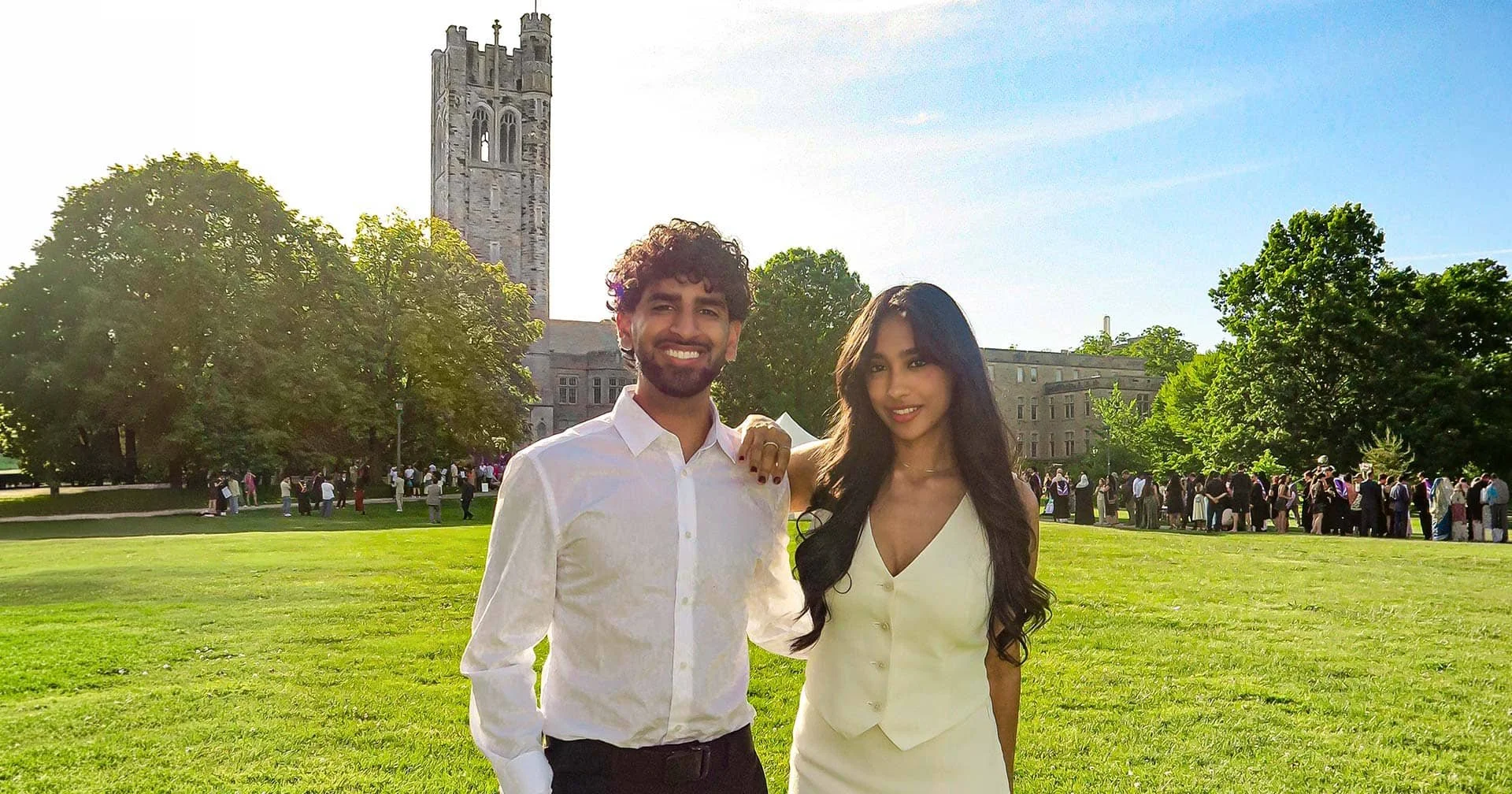
Surviving Memory Research Assistant Amaan Thawer and his sister celebrate convocation
June 1, 2026
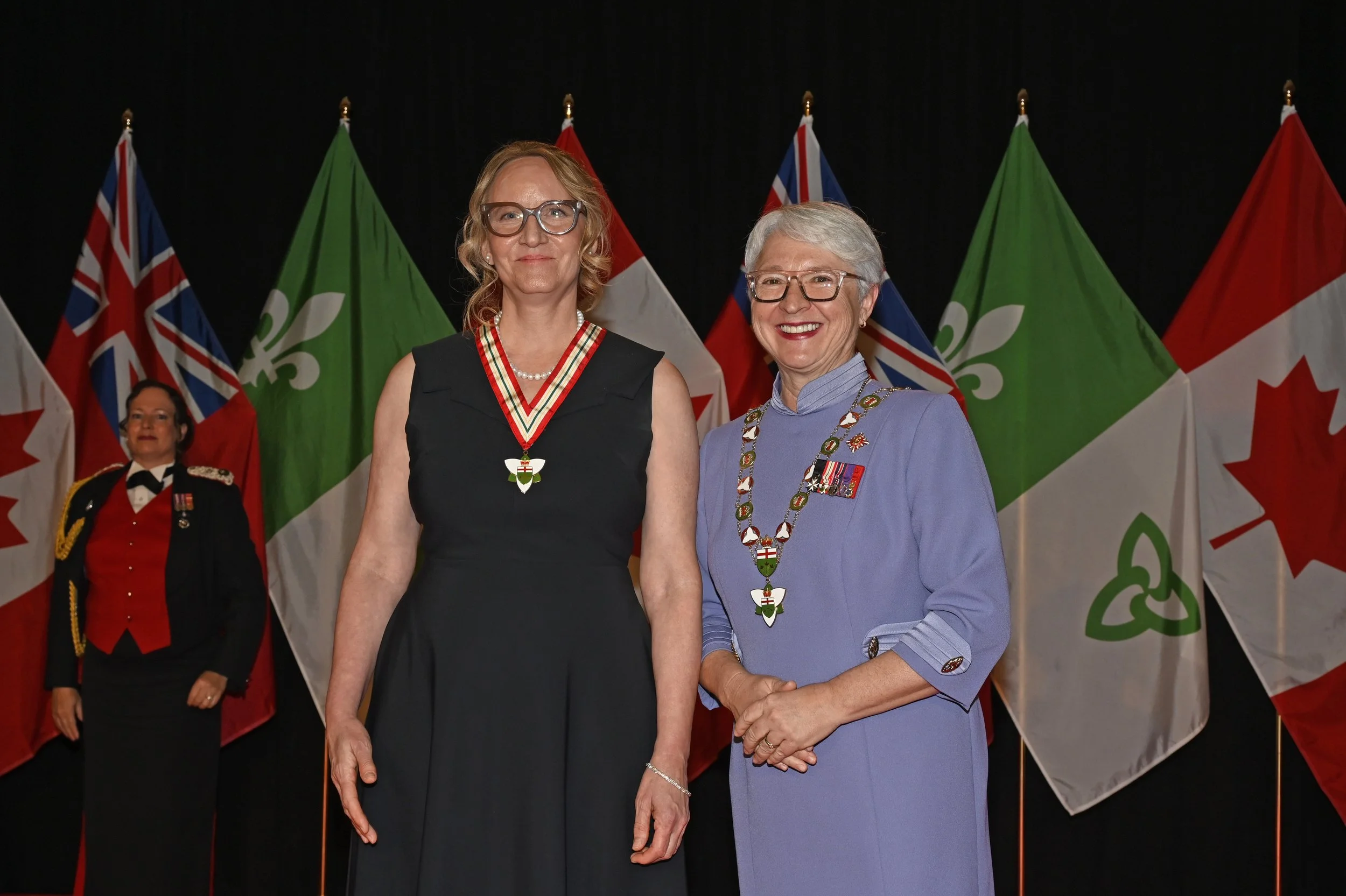
Surviving Memory Co-Founder Dr. Amanda Grzyb Appointed to the Order of Ontario
Featured Videos

Surviving Memory in Postwar El Salvador is supported in part by funding from the Social Sciences and Humanities Research Council of Canada, the Canadian Foundation for Innovation, and the Ontario Research Fund.