
Workshop “The Loretto Sisters: A Story in Photographs” in Las Vueltas
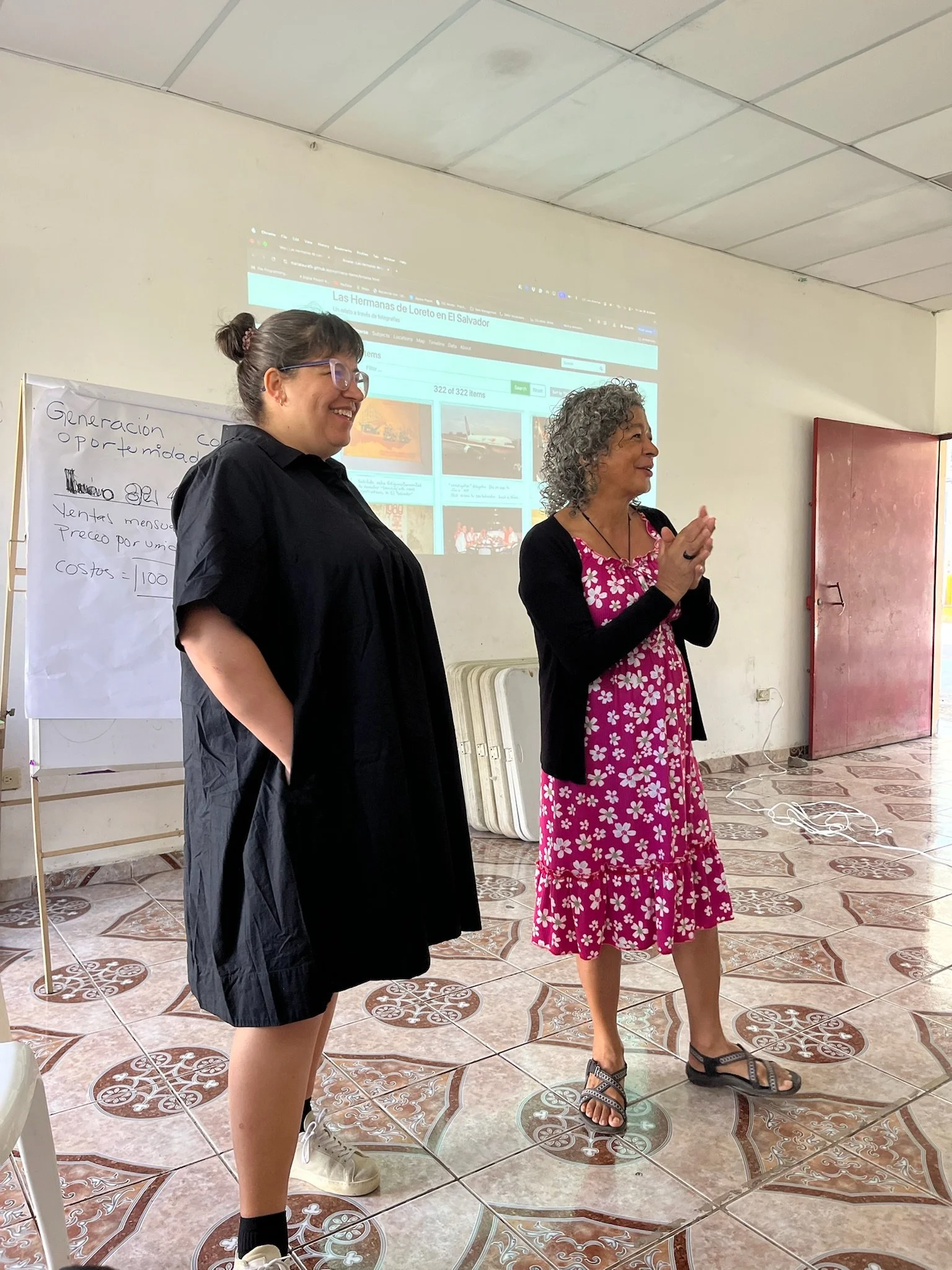
On January 30, 2026, a workshop was held in Las Vueltas with the participation of the Mujeres bordadoras de Las Vueltas [Women embroiderers of Las Vueltas] collective. The session was facilitated by María Laura Flores Barba (postdoctoral researcher), Víctor Fallon Macal Guerra (artist and project collaborator), and Teresa Cruz (leader of the embroidery collective).
The workshop focused on photographs taken by Sister Evanne Hunter, a member of the Loretto Sisters in Toronto, during her visits to El Salvador between 1989 and 1994, in the context of postwar repopulation processes. These images are part of an archive donated to Surviving Memory, which includes six photo albums organized chronologically and accompanied by captions.
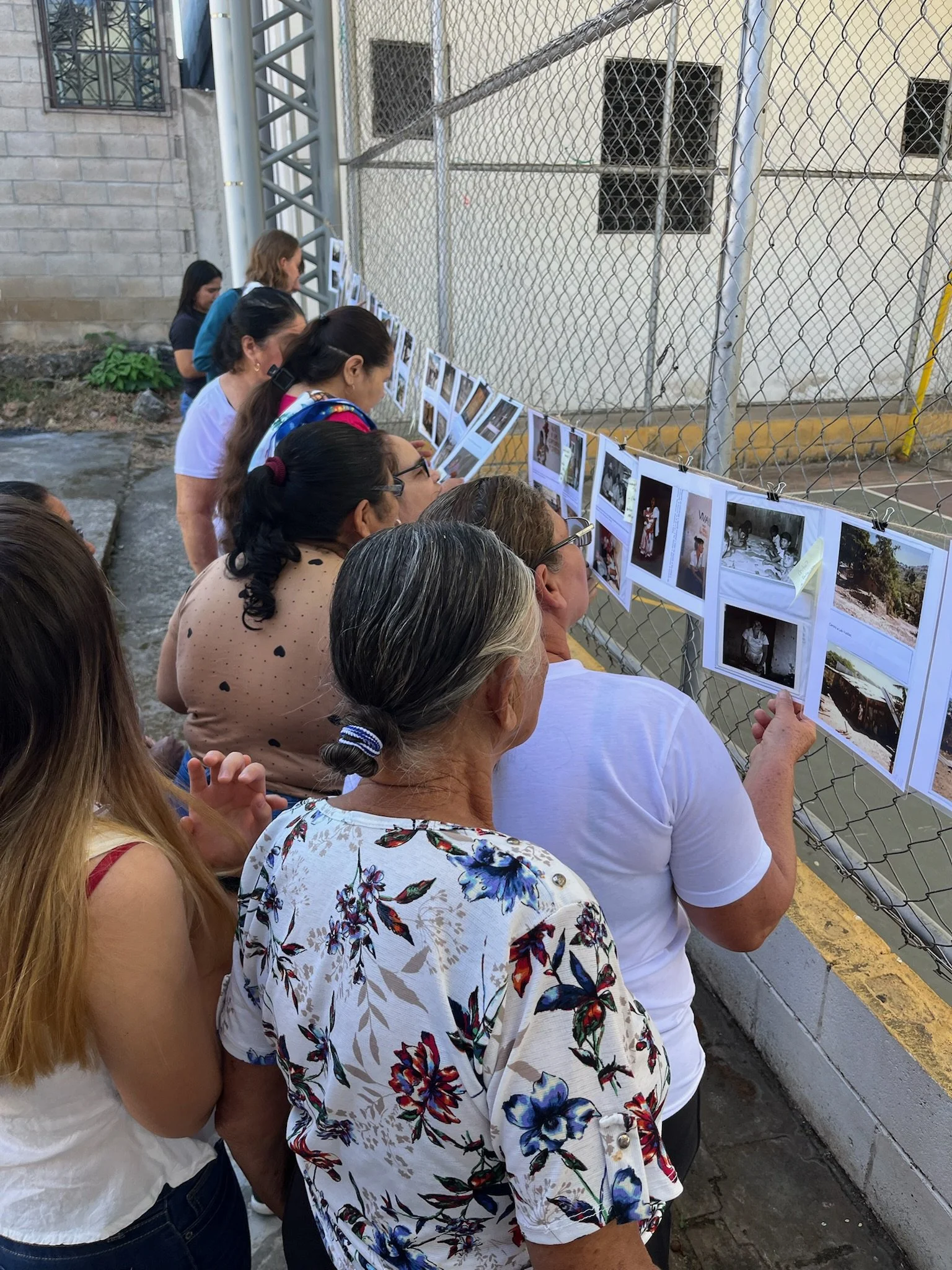
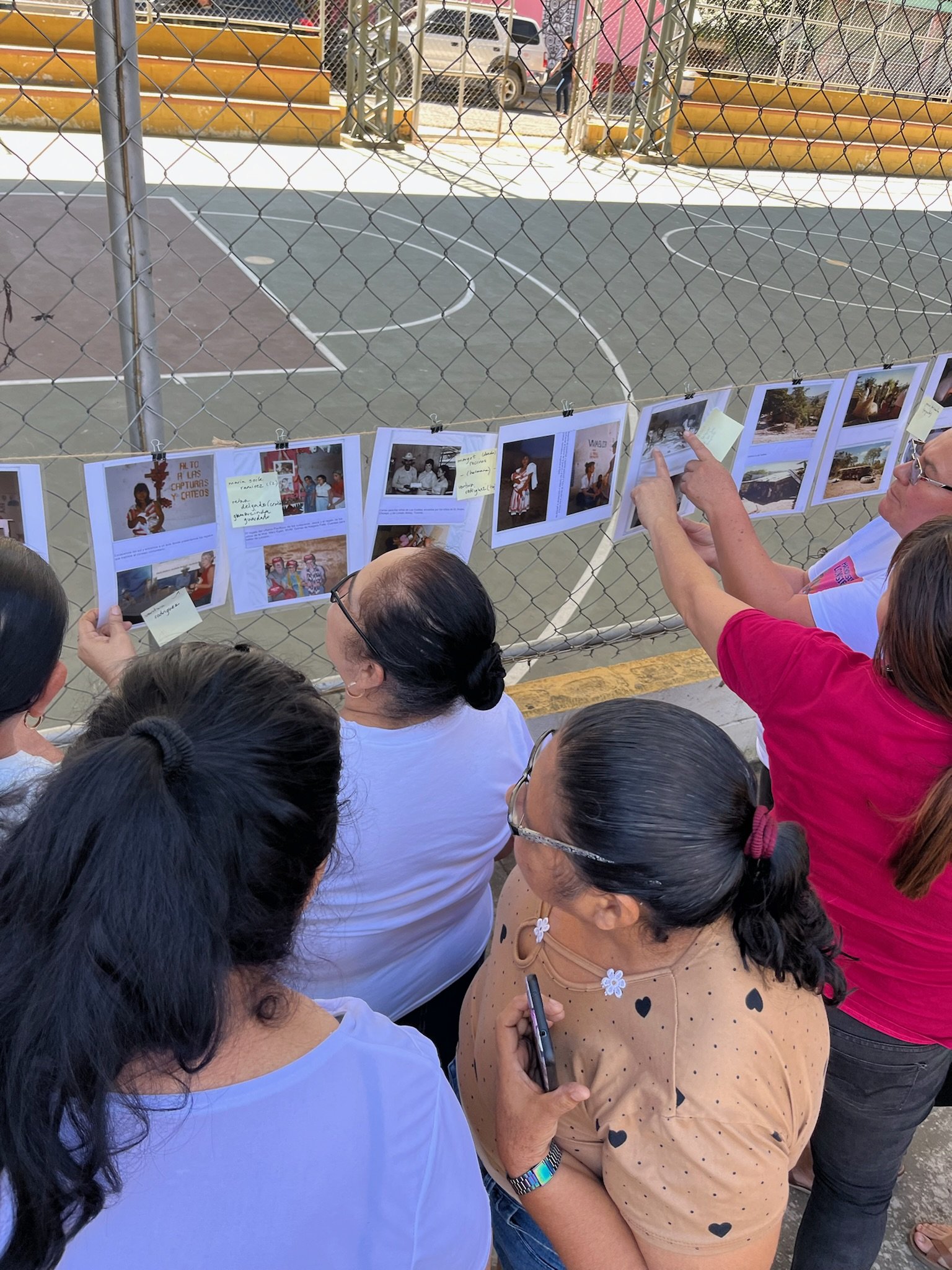
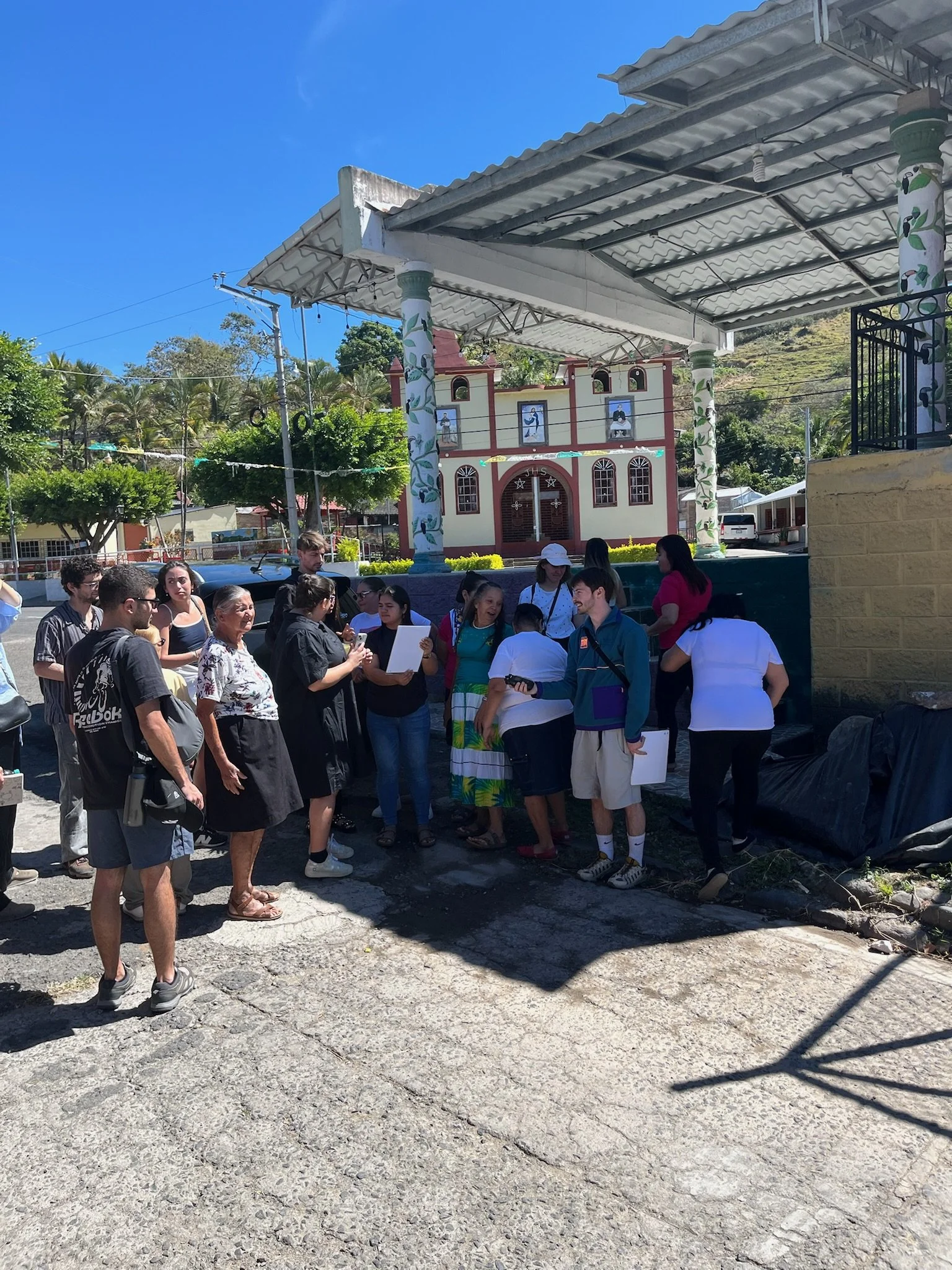
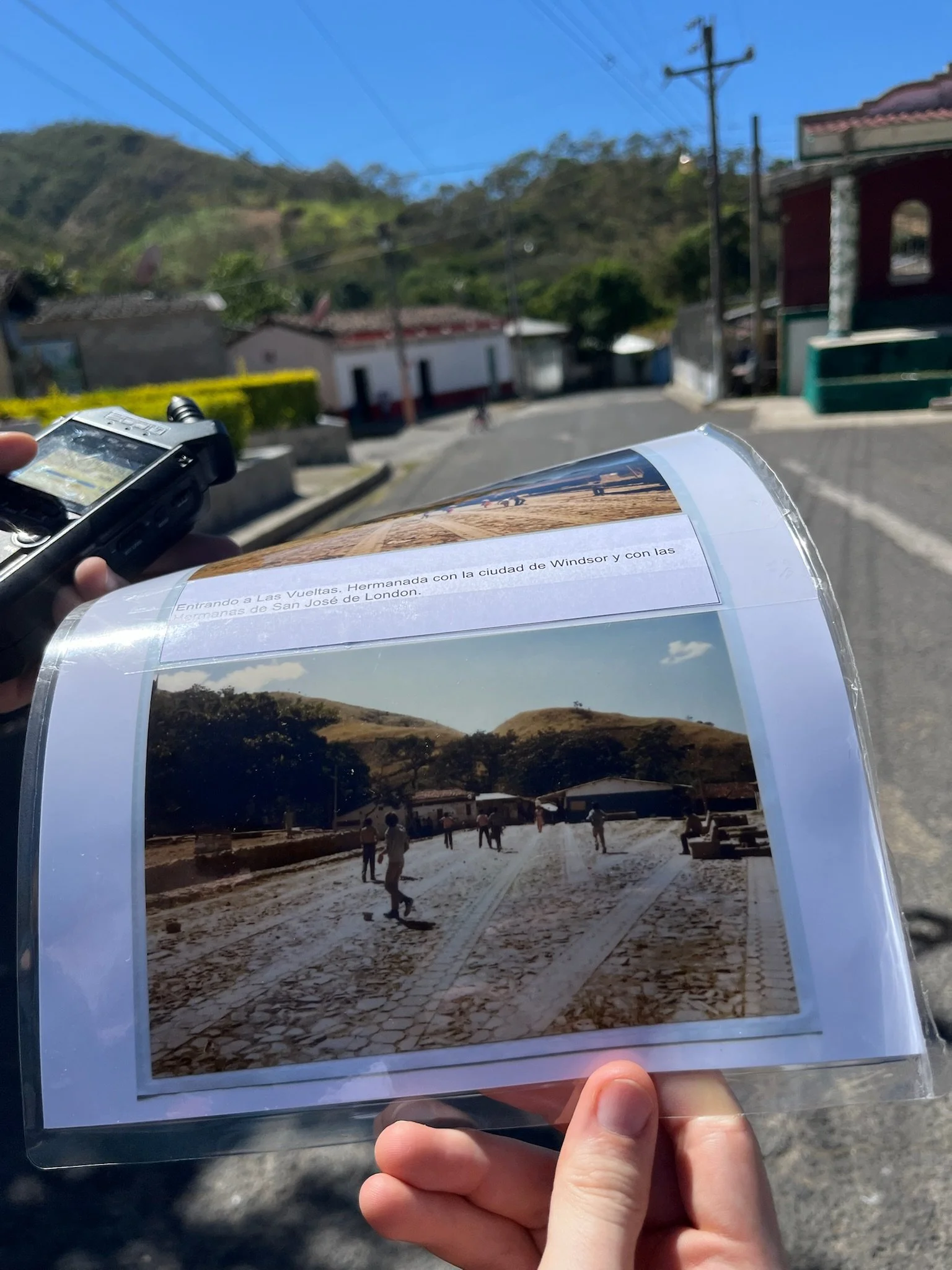
The day began with a small exhibition of the photographs at the community center. Participants then worked together to identify people and places depicted in the images, using sticky notes and collaborating with the facilitation team and graduate students from the KU Leuven Master’s program in Architecture. The group later walked through the town, comparing the photographs with the present-day landscape and identifying sites such as the main street, the school, and several houses that still stand.
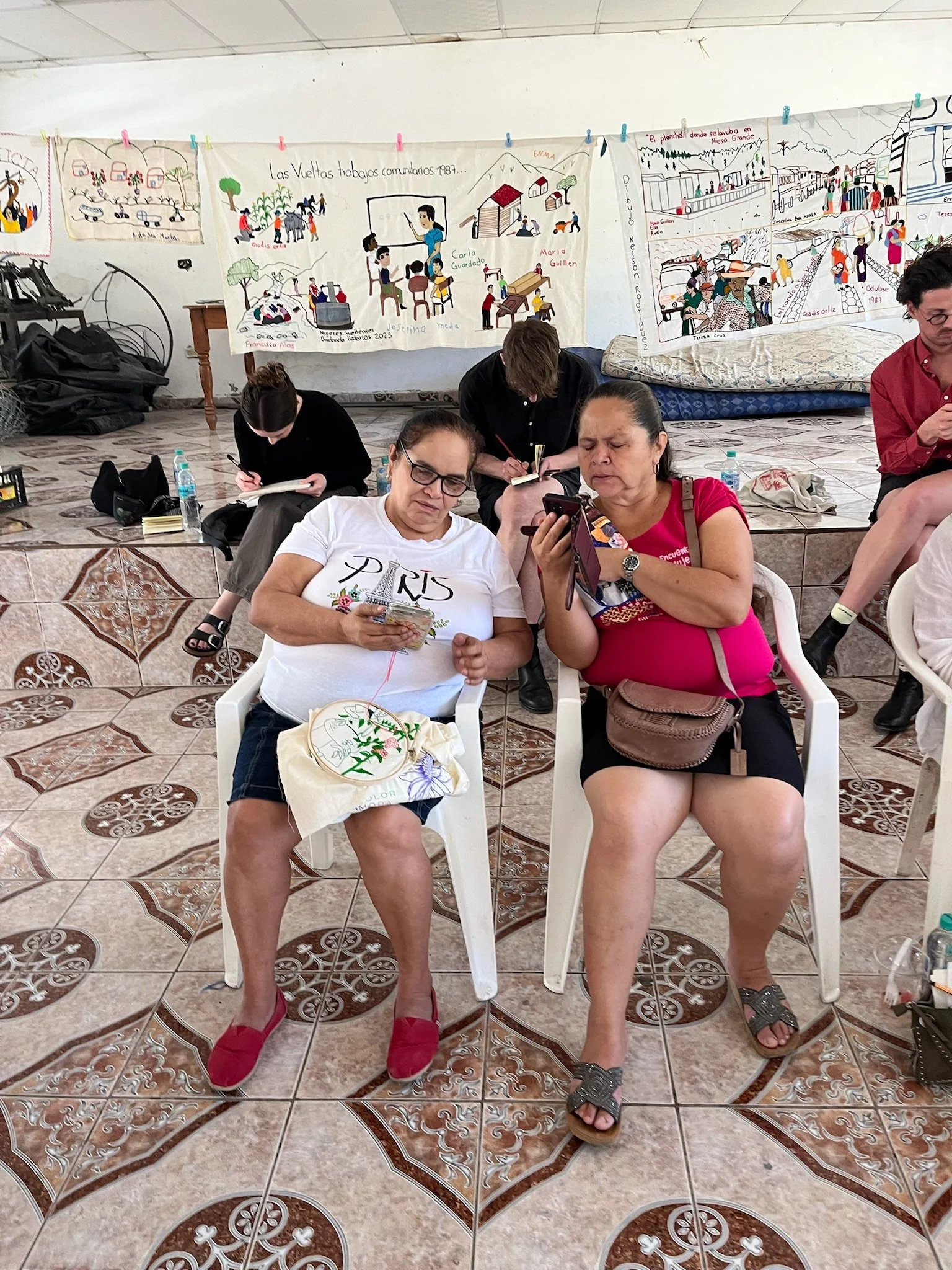
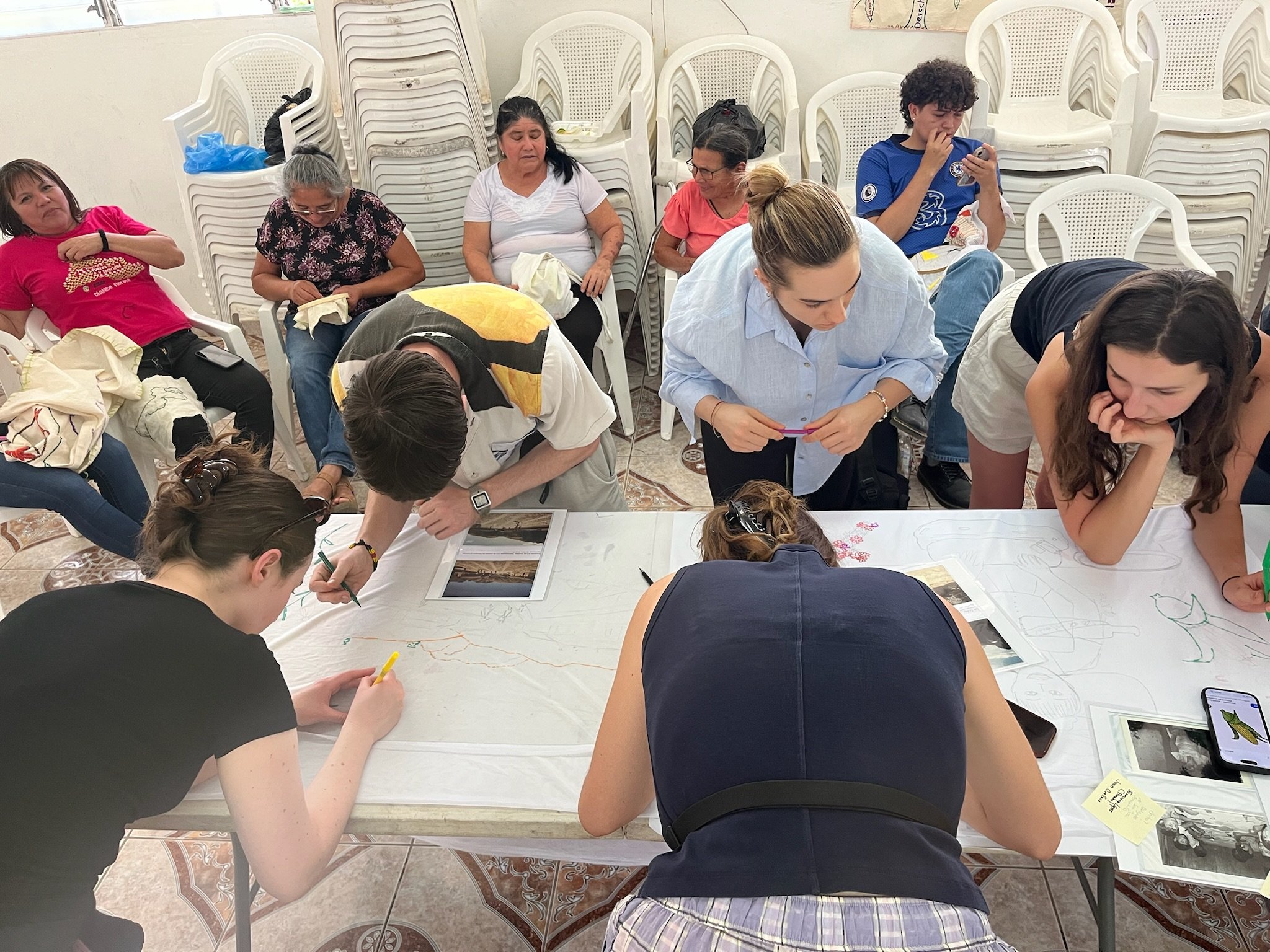
In the afternoon, Víctor Fallon presented his artistic project “Hamacas para almas” [Hammocks for Souls]. As part of the workshop, participants selected five photographs to embroider collectively onto a hammock, bringing together memory, image, and textile practice. This piece will become part of an ongoing body of work that the artist will continue developing in collaboration with other communities.
The workshop also aimed to introduce this archive to the local community and support the development of a digital platform where people in El Salvador and abroad can explore the albums and help identify individuals and places. In the future, this tool will also help generate metadata for the rest of the collection, which includes additional photographs and historical documents.
“Hamacas para almas” is on display at the Casa de la Memoria in San José Las Flores as part of the exhibition “Art and Architecture”, curated by the Belgian architecture team.
The Surviving Memory in Postwar El Salvador research initiative is supported in part by funding from the Social Sciences and Humanities Research Council of Canada, Western University, the Canadian Foundation for Innovation, and the Ontario Research Fund.