
“Embroidering absence, expressing sorrows, weaving hope,” a Paper by Dr. María José Méndez
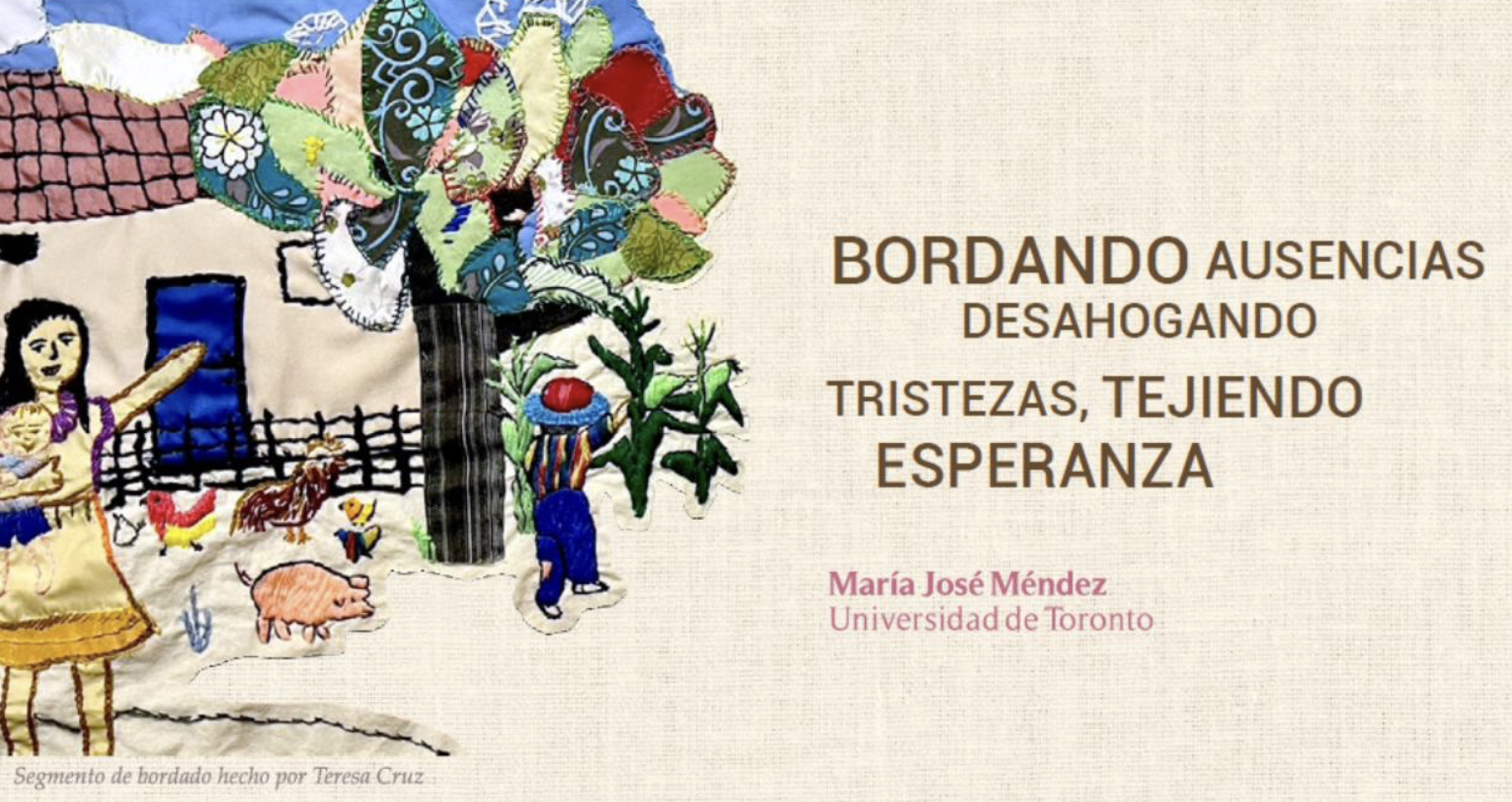
In the darkest years of El Salvador’s Civil War, when cameras and notebooks were banned from refugee camps, Salvadoran women turned to one of the few tools they still had: embroidery. What had once been a domestic craft — stitching rural motifs like flowers and birds onto flour-sack blankets — became a powerful way to record the terror the world refused to see. Women who were displaced to the Mesa Grande refugee camp in Honduras, began embroidering scenes of burned homes, massacres, and frantic escapes, which were then sent abroad to denounce human rights violations. These cloths traveled in secret, smuggled out under clothes and in bundles of laundry, sometimes even appearing as evidence in asylum hearings when photographs were unavailable.
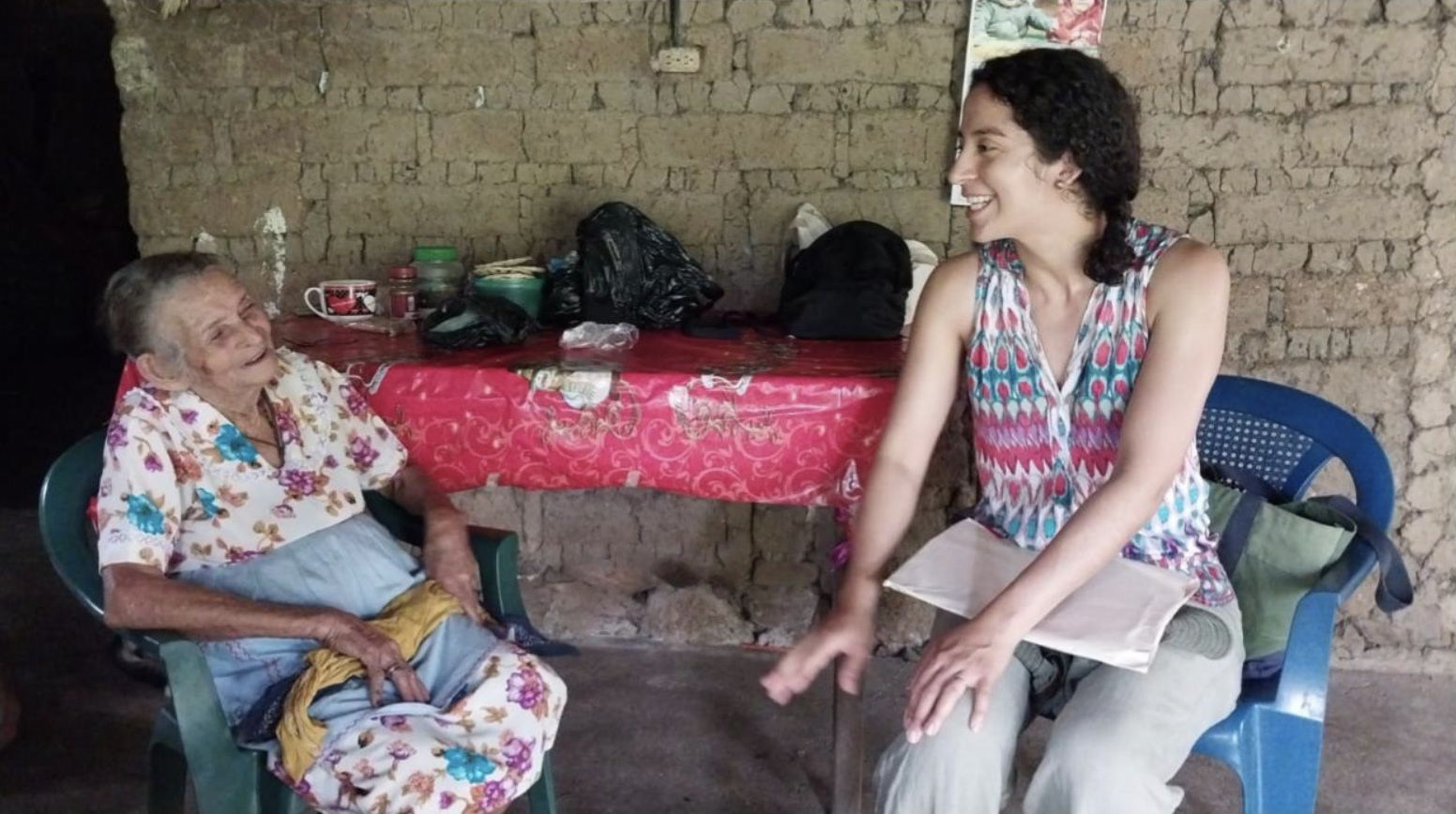
The paper by María José Méndez, published in MUPI’s Trasmallo magazine, draws on oral histories with Salvadoran women who took refuge in Mesa Grande to trace the story of these embroideries. It shows how women’s memory work functioned on multiple levels: as political denunciation, as historical record, and as a form of community therapy. In group embroidery sessions, women, children, and elders turned unspeakable memories into images, releasing grief and piecing together a sense of belonging and hope in the midst of trauma. Decades later, the same practice continues in Chalatenango, El Salvador, through groups like Mujeres Vueltenses Bordando Historias [Women from Las Vueltas Embroidering Stories], where mothers, daughters, and grandmothers embroider scenes from the war together. By foregrounding women’s memory work and treating these textiles as historical documents that center everyday life, the essay invites us to expand the understanding of the history of the war and who gets to write it.
The Surviving Memory in Postwar El Salvador research initiative is supported in part by funding from the Social Sciences and Humanities Research Council of Canada, Western University, University of Toronto, the Museo de la Palabra y la Imagen, the Canadian Foundation for Innovation, and the Ontario Research Fund.
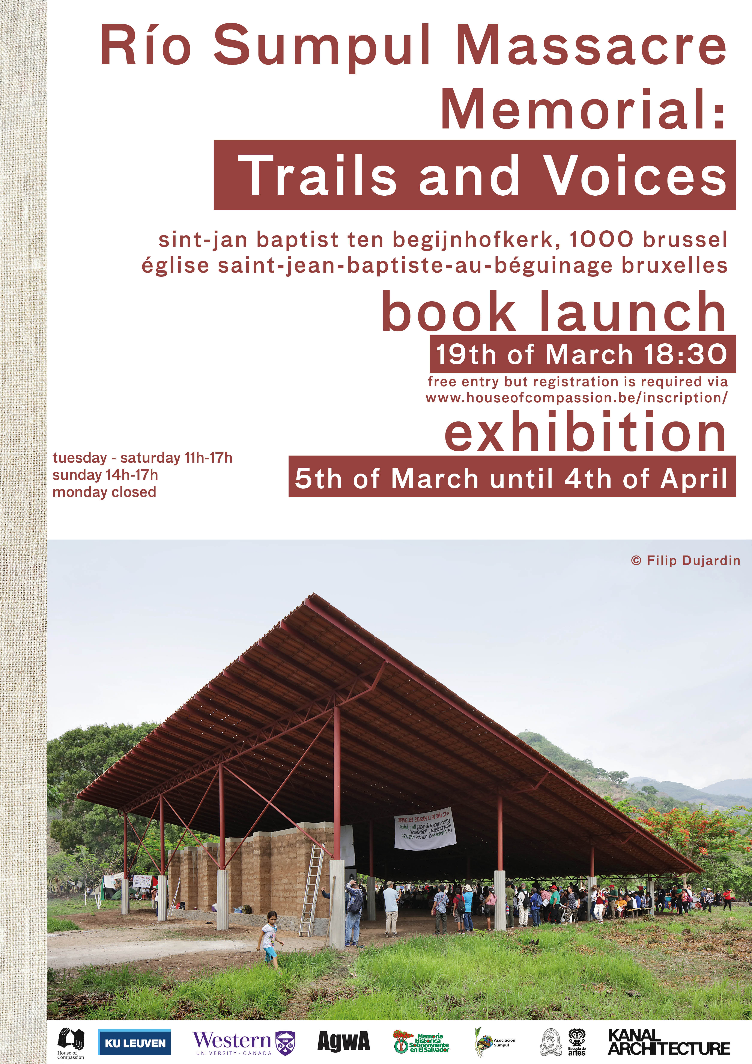
Río Sumpul Massacre Memorial: Trails and Voices – book launch and exhibition
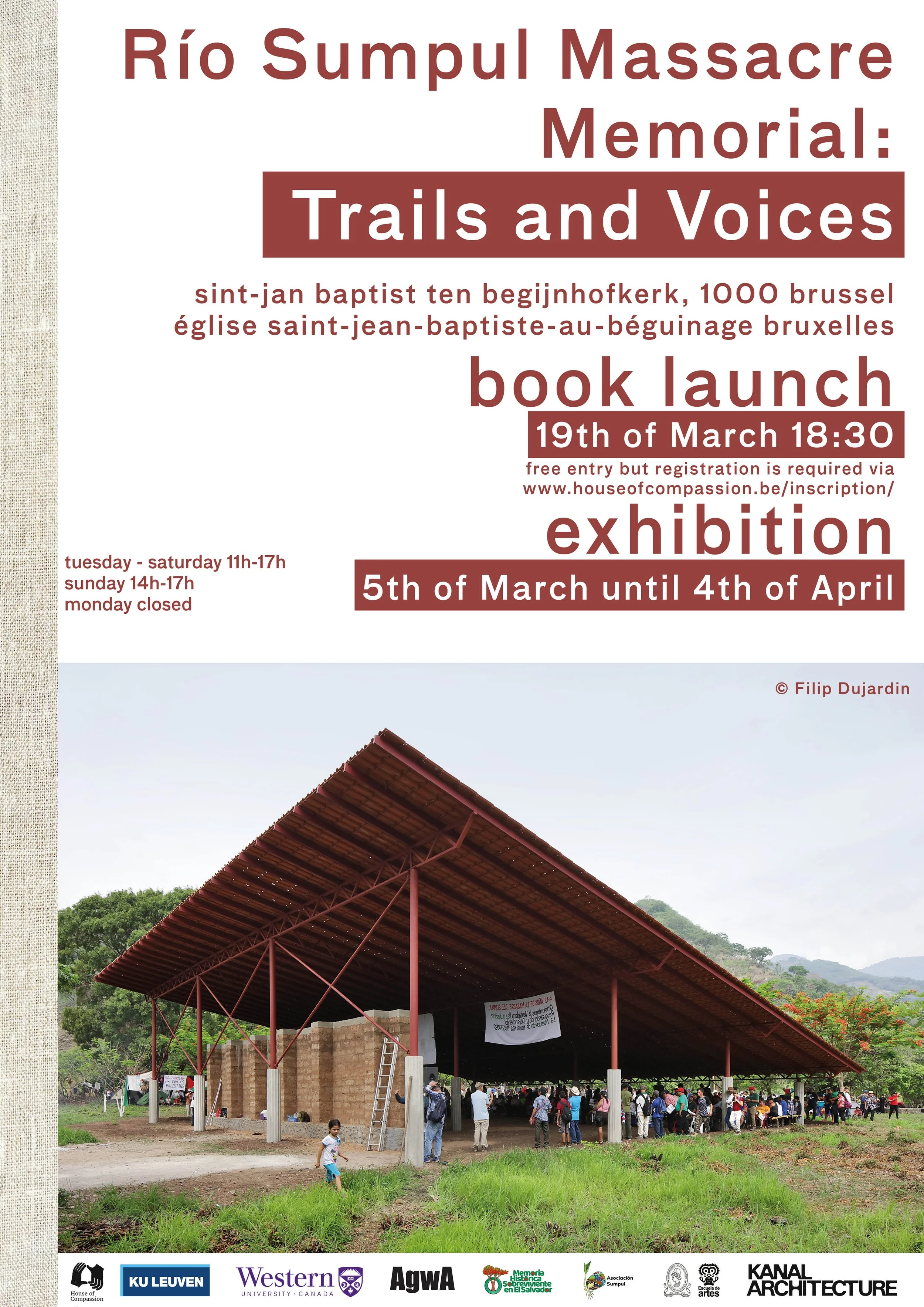
On March 19, the book Rio Sumpul Massacre Memorial: Trails and Voices will be launched alongside the opening of an exhibition at the House of Compassion, which is located in the Saint John the Baptist at the Béguinage Church in Brussels, Belgium.
The exhibition invites visitors to discover the creation process of the Las Aradas monument, along with the stories, voices, and relationships that underpin it. It is an open moment for everyone to share, listen, and engage in dialogue. Several of the documents on display have travelled back from El Salvador, where they were exhibited last year in San Salvador, Suchitoto and San José Las Flores.
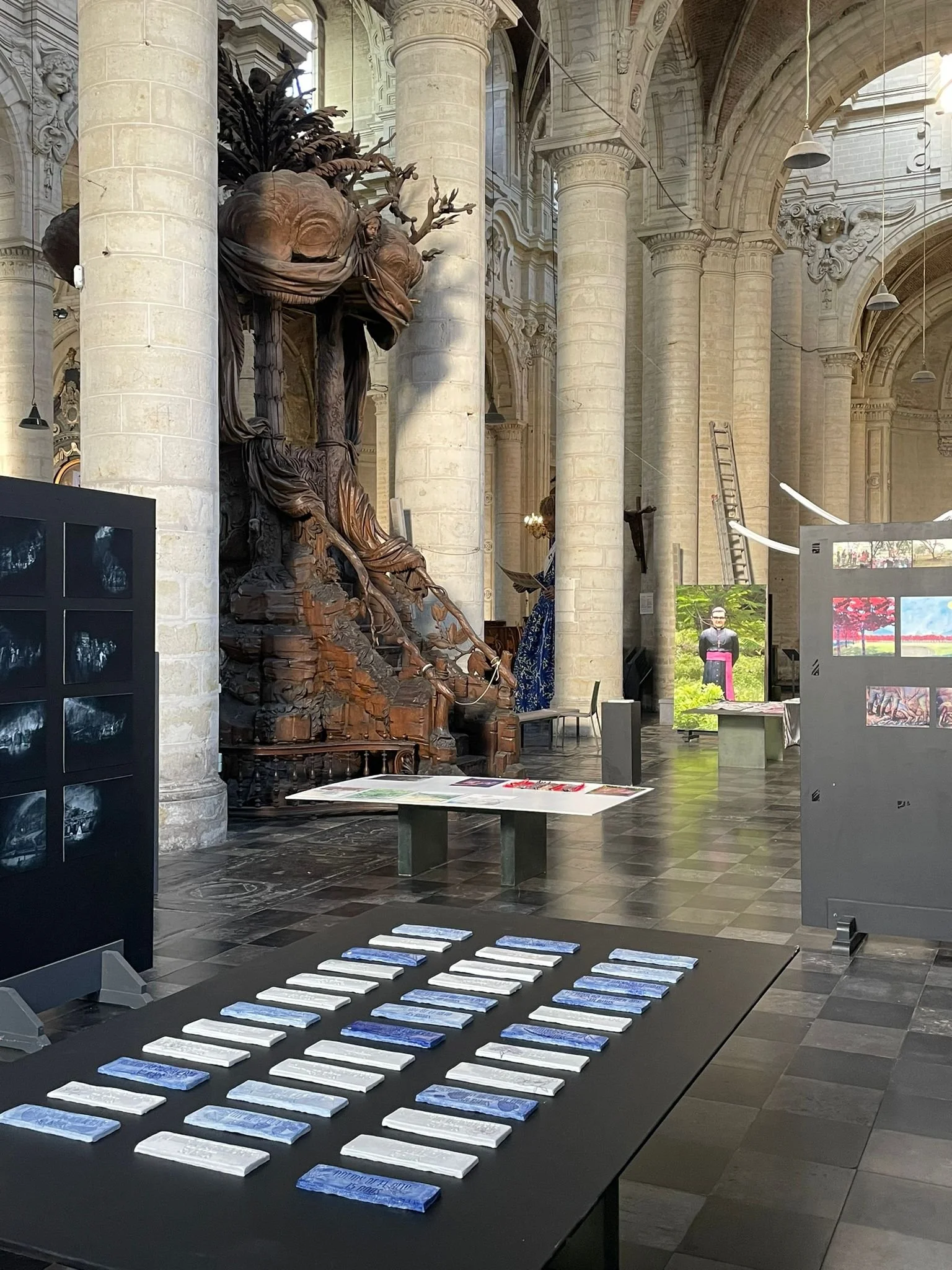
The book presented at the opening sheds light on the memory and resilience of the affected communities. It brings together the voices of survivors, community members, architects, artists, and researchers from various universities.
Through these intersecting perspectives, the book showcases a collaboration between Asociación Sumpul [Sumpul Association], the Faculty of Architecture of KU Leuven, the School of Art of the El Salvador University, Western University, Colectivo Matiz [Matiz Collective], and AgwA architecture.
The Surviving Memory in Postwar El Salvador research initiative is supported in part by funding from the Social Sciences and Humanities Research Council of Canada, Western University, KU Leuven, the Canadian Foundation for Innovation, and the Ontario Research Fund.
Environmental Memory and Justice in Post-Conflict El Salvador
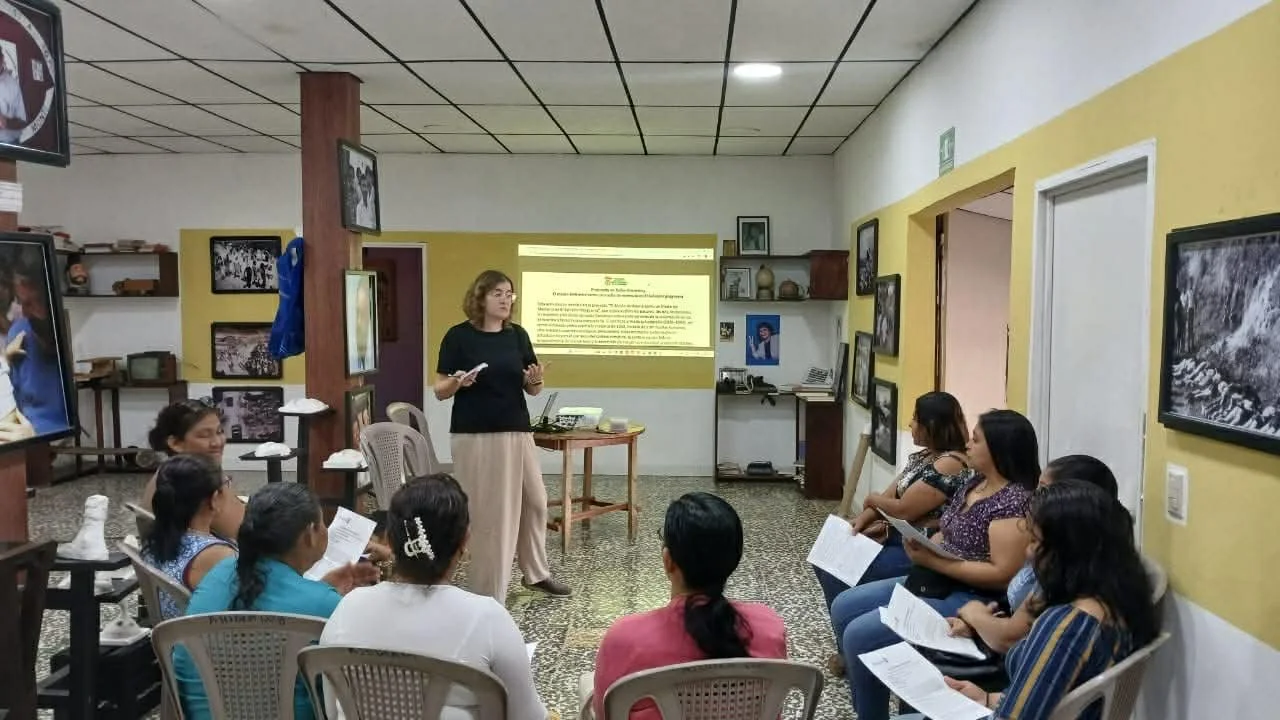
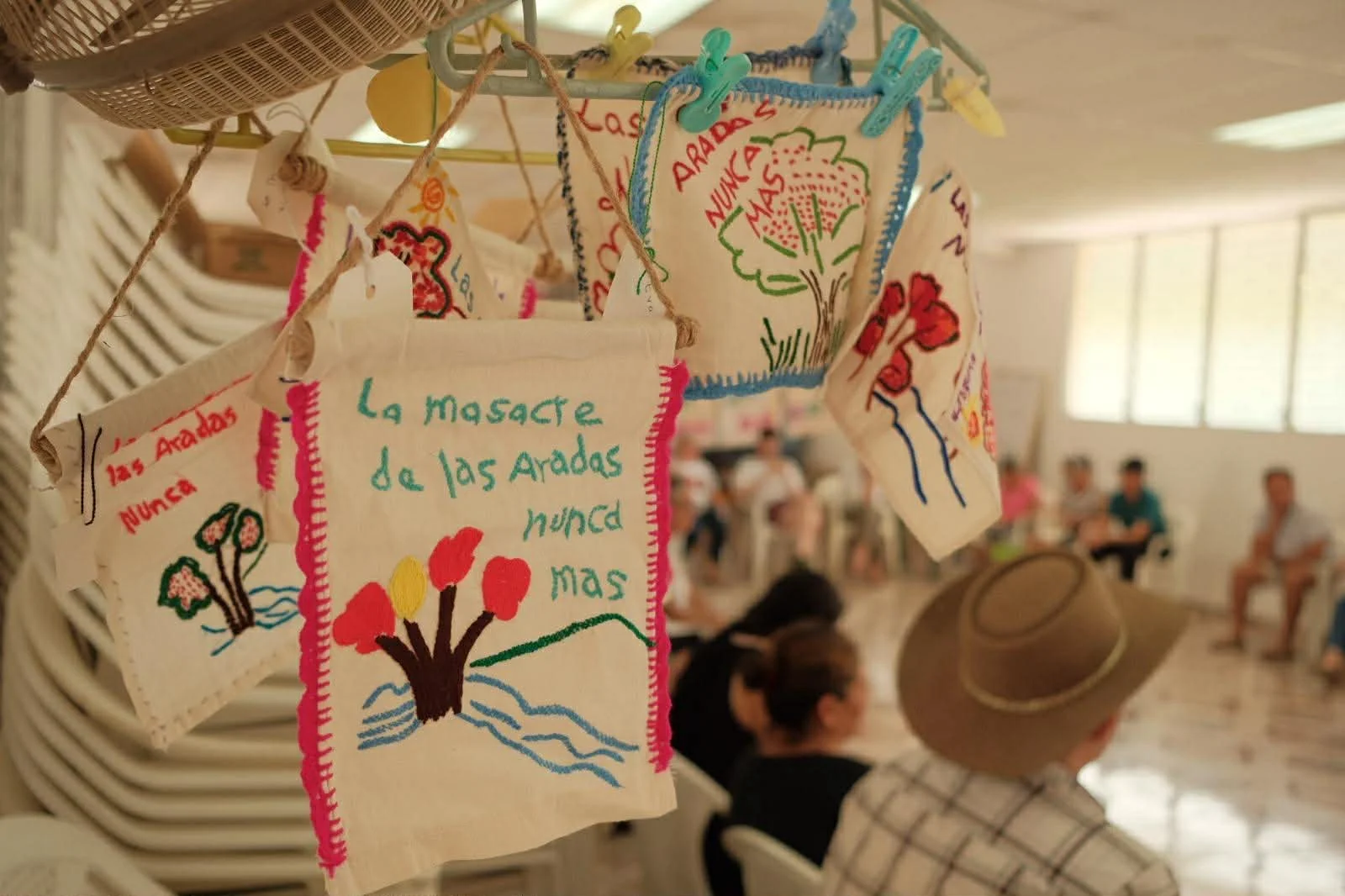
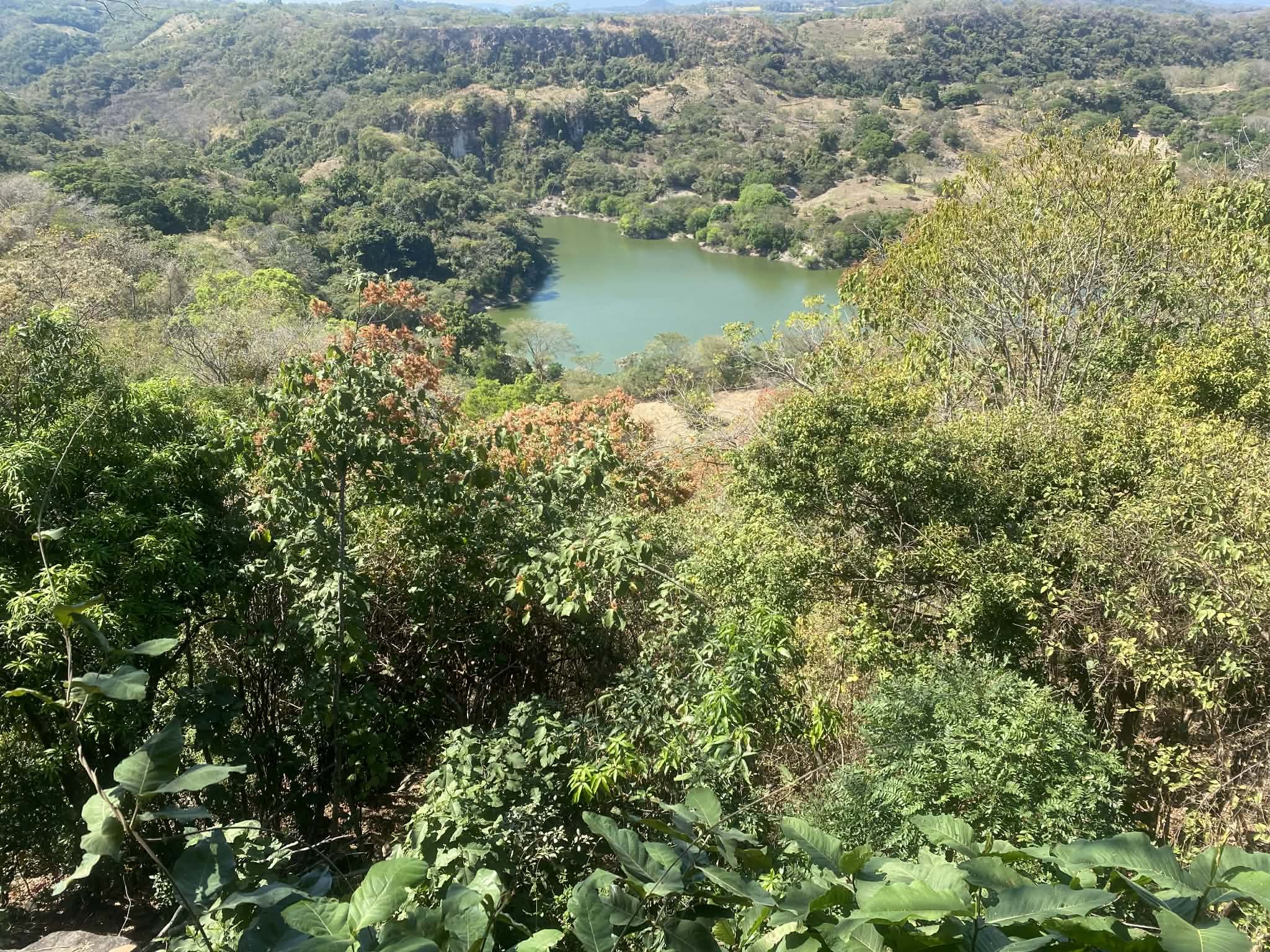
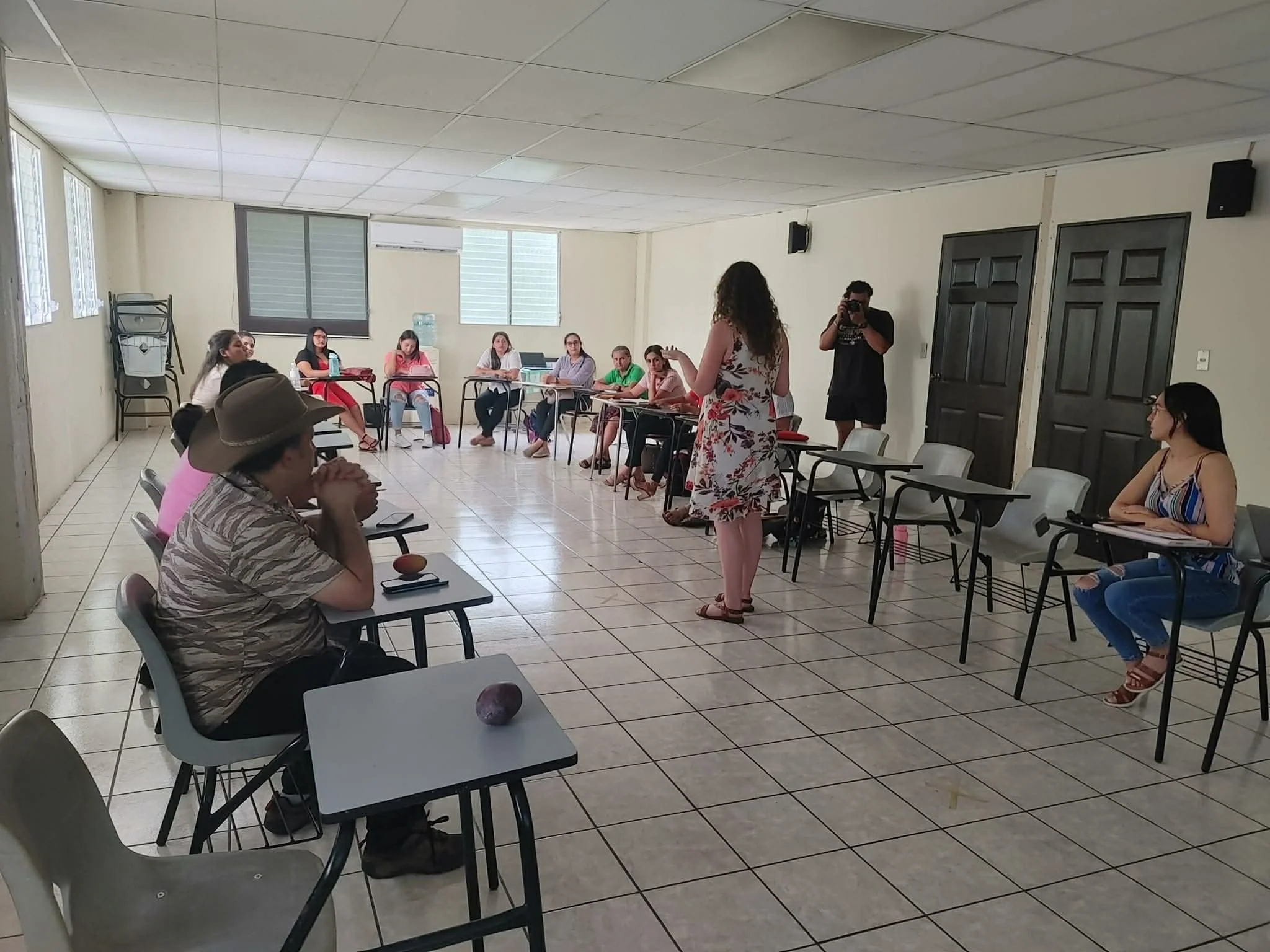
Over the past year, Giada Ferrucci – Western University Postdoctoral fellow in the Surviving Memory in Postwar El Salvador project – has worked with community members to explore how landscapes hold memories of war and environmental change in the departments of Cuscatlán, Chalatenango, San Vicente, Morazán, and Cabañas. This work has been carried out in collaboration with Agustín García from Future Watch.
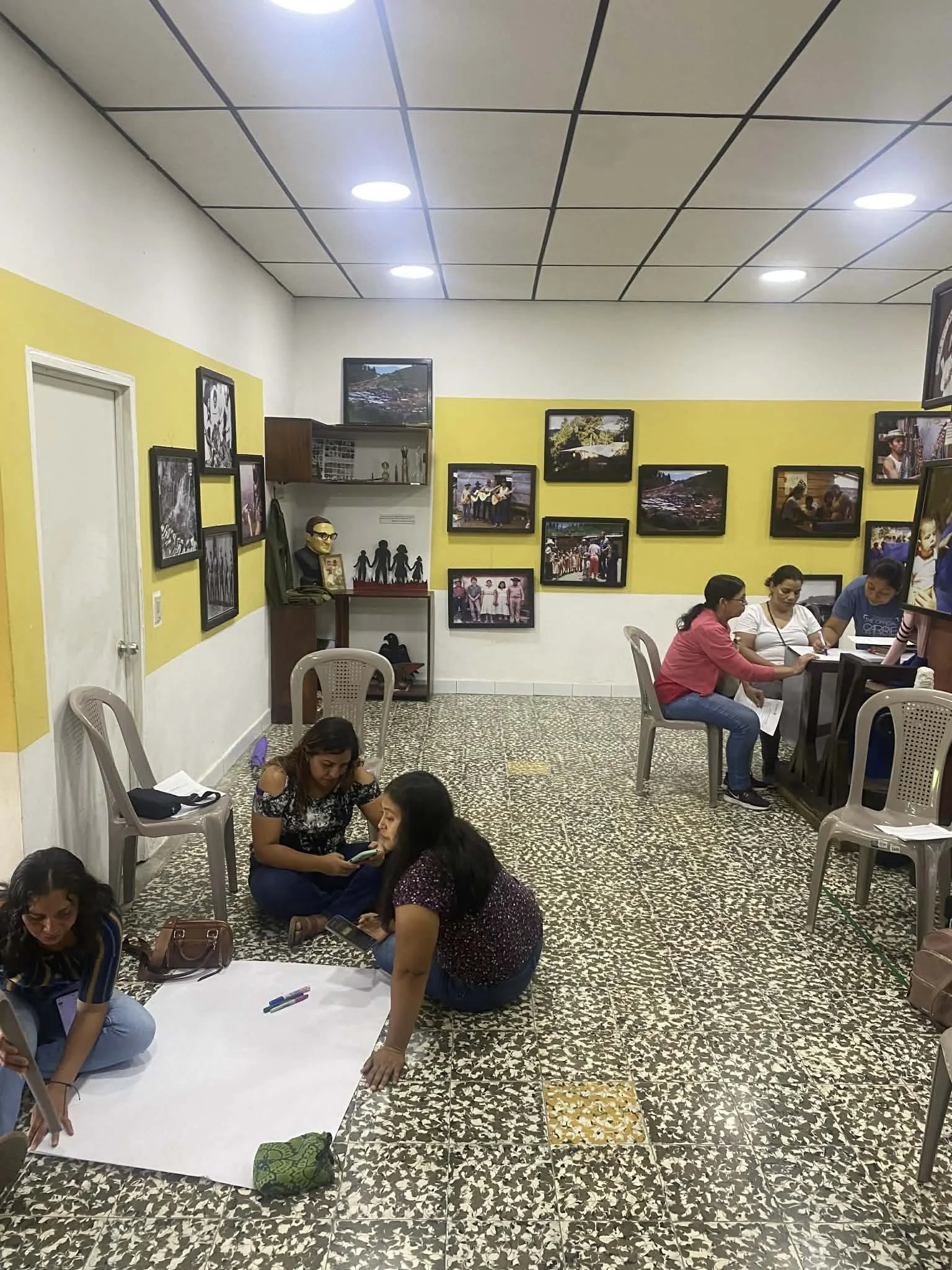
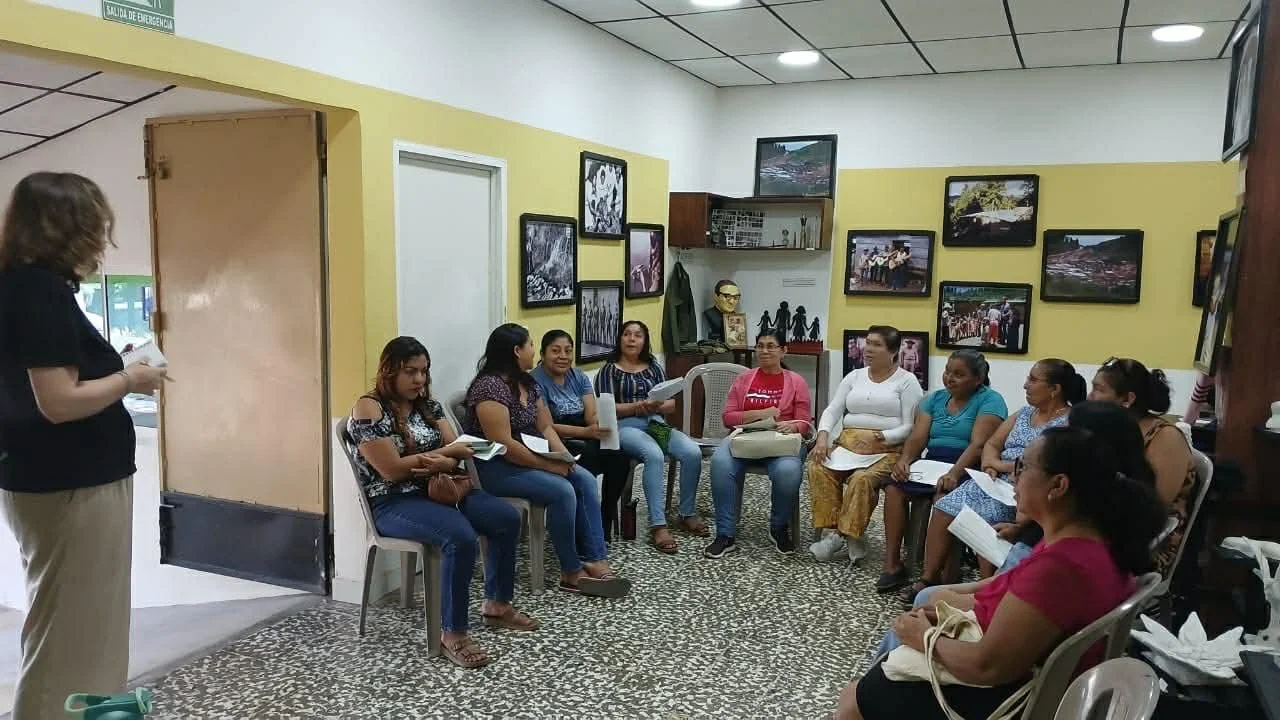
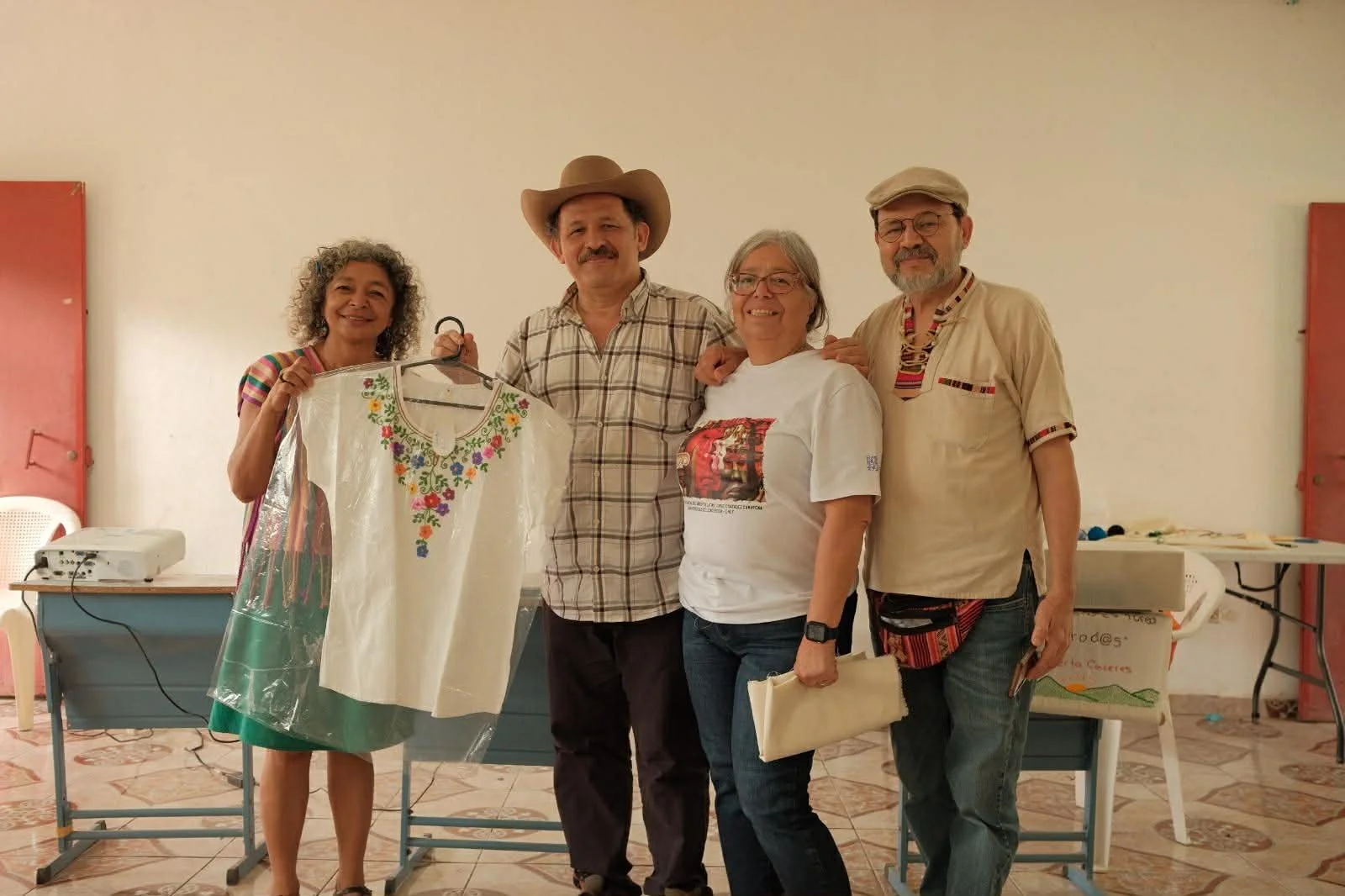
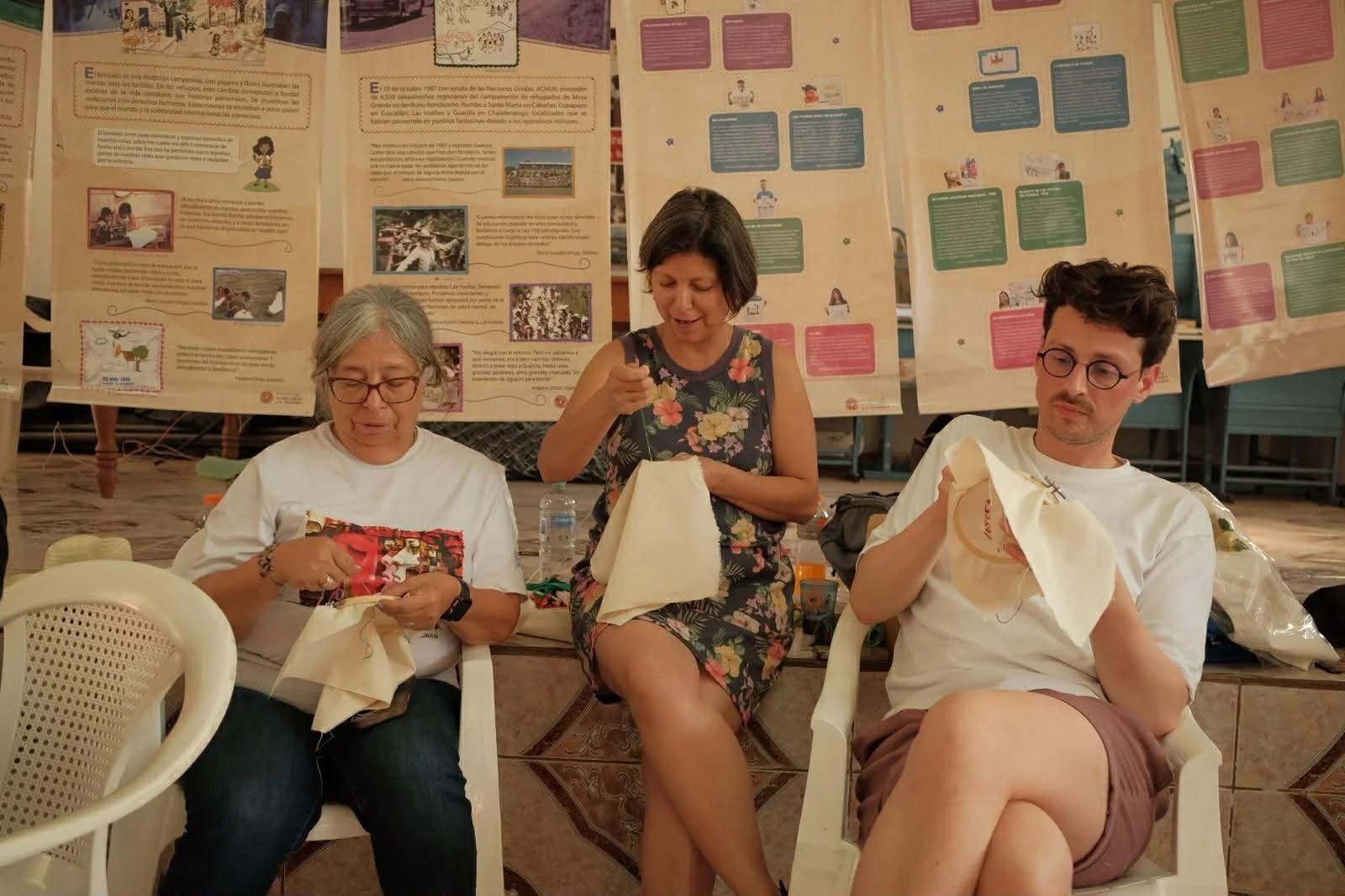
Through workshops, interviews, and participatory mapping activities focused on the long-term ecological consequences of the civil war — including forest loss, river pollution, and land degradation — Civil War survivors and community leaders reflect on how climate change is intensifying environmental damage that began during the conflict. Additional workshops on environmental memory were organized through embroidery (bordado) activities with community members in Las Vueltas, Chalatenango, and at the Museo Tierra Prometida [Promised Land Museum] in Morazán, creating spaces for participants to reflect collectively on landscapes, memory, and environmental change through creative practices.
These activities complement the design of an Atlas of Environmental Memories, a bilingual community-based resource that documents ecological knowledge, historical memory, and environmental justice struggles in El Salvador.
The Surviving Memory in Postwar El Salvador research initiative is supported in part by funding from the Social Sciences and Humanities Research Council of Canada, Western University, the Canadian Foundation for Innovation, and the Ontario Research Fund.
Book Launch: Trails and Voices on the Río Sumpul Massacre Memorial
The launch of Río Sumpul Massacre Memorial: Trails and Voices, part of the Surviving Memory in Postwar El Salvador initiative, will take place on March 19, 2026, at 6:30 p.m. at the Church of St. John the Baptist at the Béguinage / Begijnhofkerk, in Brussels.
Developed through a multidisciplinary and international collaboration since 2017, the book documents the creation of the Río Sumpul Massacre Memorial in Las Aradas, Chalatenango, El Salvador. It centres the voices of survivors who have carried this history across decades and traces the memorial’s development from early sketches to completion. The book brings together testimonies, historical context, and reflections on participatory design.
The memorial commemorates the massacre of May 14, 1980, when approximately 600 civilians were killed near the Río Sumpul, on the border with Honduras, in one of the defining early atrocities of the Salvadoran Civil War.
Rooted in the organizing of the Sumpul Association and local communities, the project also brought together a wider network of researchers, artists, architects, and institutional partners, including KU Leuven and Western University.
The event will feature a panel discussion with Gretel Mejía (Guatemalan lawyer and postdoctoral researcher at UGent’s Human Rights Centre), Amanda Grzyb (professor at Western University, Canada), Evelia Macal (urbanist, architect, and ceramicist, El Salvador/Belgium), and Thomas Montulet (engineer-architect at AgwA and PhD candidate at UCLouvain, Brussels), moderated by Hülya Ertas, curator and architecture critic at VAi.
The event is free, with registration available here.
The Surviving Memory in Postwar El Salvador research initiative is supported in part by funding from the Social Sciences and Humanities Research Council of Canada, Western University, the Canadian Foundation for Innovation, and the Ontario Research Fund.
Deborah Canales joins Surviving Memory for a six-month placement focusing on Salvadoran women
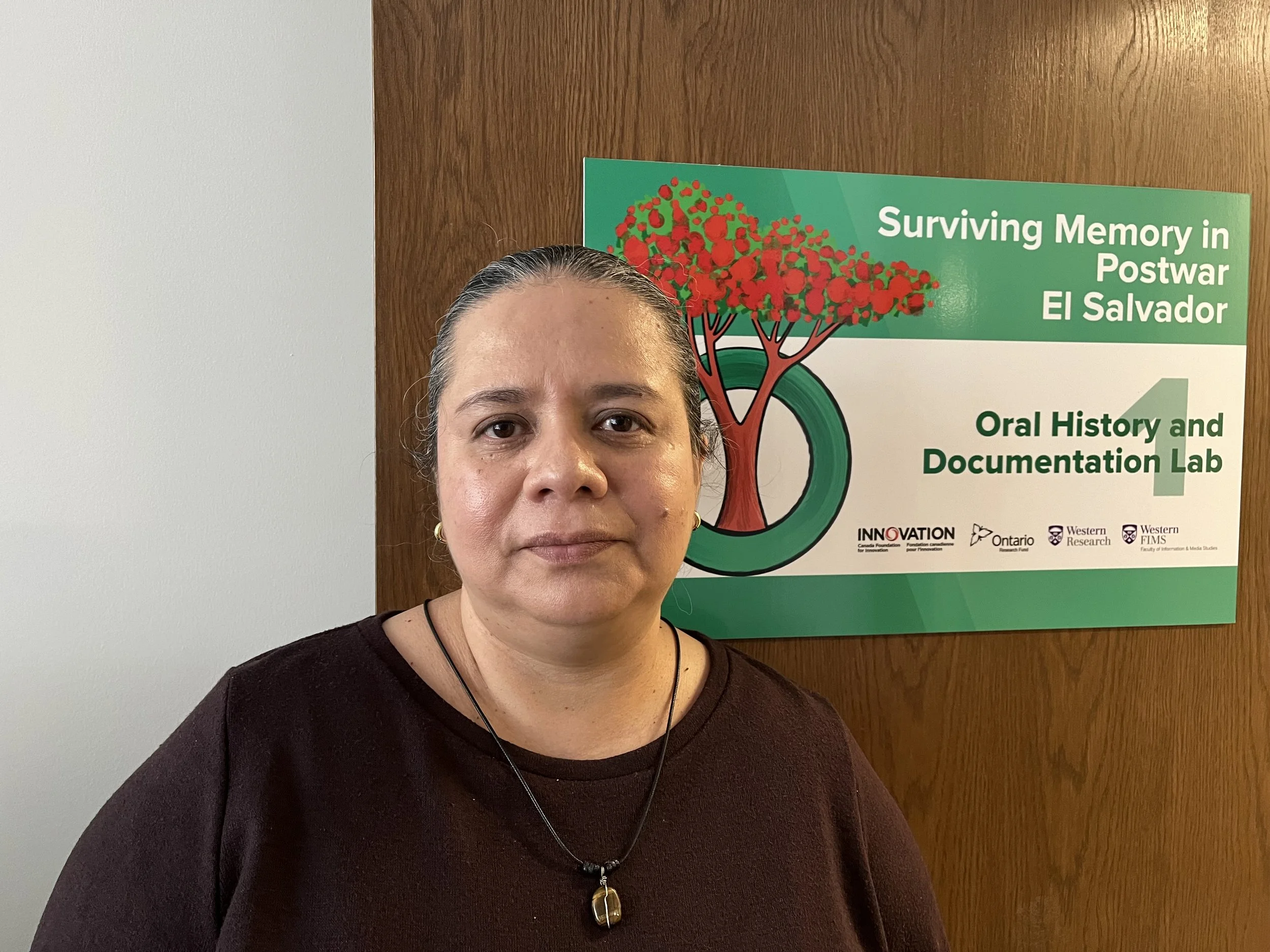
Social Work master’s student Deborah Canales (York University) has begun a six-month placement with Surviving Memory in January 2026. Her work will focus on the violence inflicted on Salvadoran women during the Civil War (1980–1992) – a subject tied to her family’s history, who fled El Salvador during La Ofensiva [The Offensive], when guerrilla forces entered the capital, San Salvador, in 1989.
As the practical component of her degree, Canales will support interviews that document the lives of Salvadoran women who migrated to Canada: the violence they experienced, how displacement shaped their lives, and how they redefined their trajectories. Canales will also analyze archives and related materials collected by Surviving Memory and York University. As she states: “I’m really interested in the violence these women experienced because of the Civil War, and the governments of El Salvador for decades, and how it is connected to the process of colonization and neoliberal politics.”.
Canales first connected with Surviving Memory during her undergraduate Sociology studies at King’s College, when she took project co-founder Amanda Grzyb’s field course in El Salvador in February 2025. She has followed the project’s work since then. Reflecting on this new step, she said “this placement is a great way to connect my studies with the history that affected my life and so many Salvadorans in the diaspora.”
Mapping Massacres in Postwar El Salvador: Surviving Memory team presents at University of Toronto
On March 5, 2026, four members of the Surviving Memory in Postwar El Salvador mapping team spoke about their collaborative massacre mapping initiative in the Speaker Series of the Center for Diaspora and Transnational Studies (CDTS) at the University of Toronto. María Laura Flores Barba, Amanda Grzyb, Reynaldo Hernández, and Zack MacDonald shared the challenges of documenting in the interactive map the civilian massacres and other war-era human rights violations, a project led by Salvadoran Civil War survivors in Chalatenango and Cuscatlán.
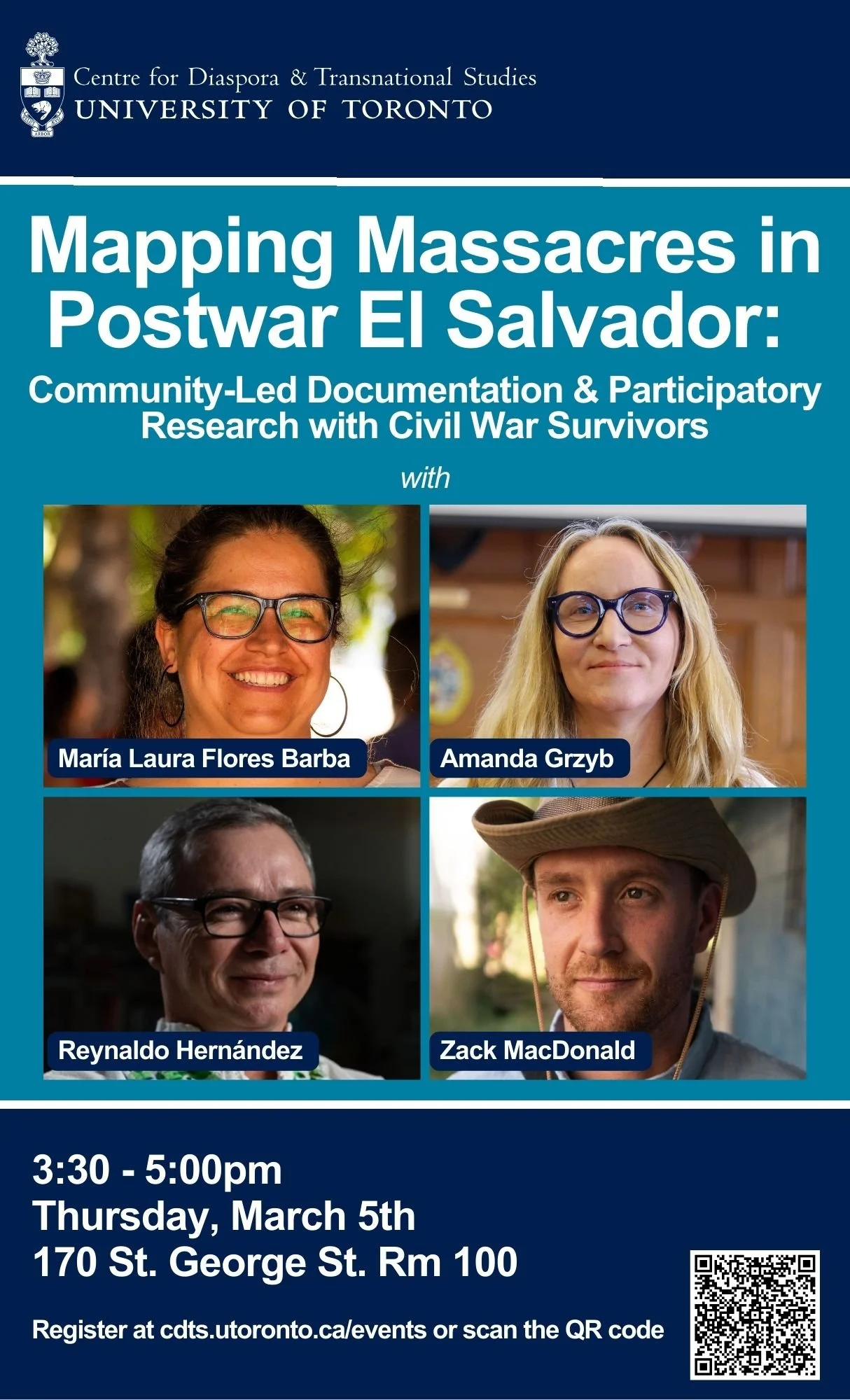
The CDTS Speaker Series holds guest lectures from scholars around the world on topics related to the themes of diaspora and/or transnationalism.
The mapping work is supported by equipment and infrastructure funded by the Canadian Foundation for Innovation (CFI), the Ontario Research Fund (ORF), and Western University.
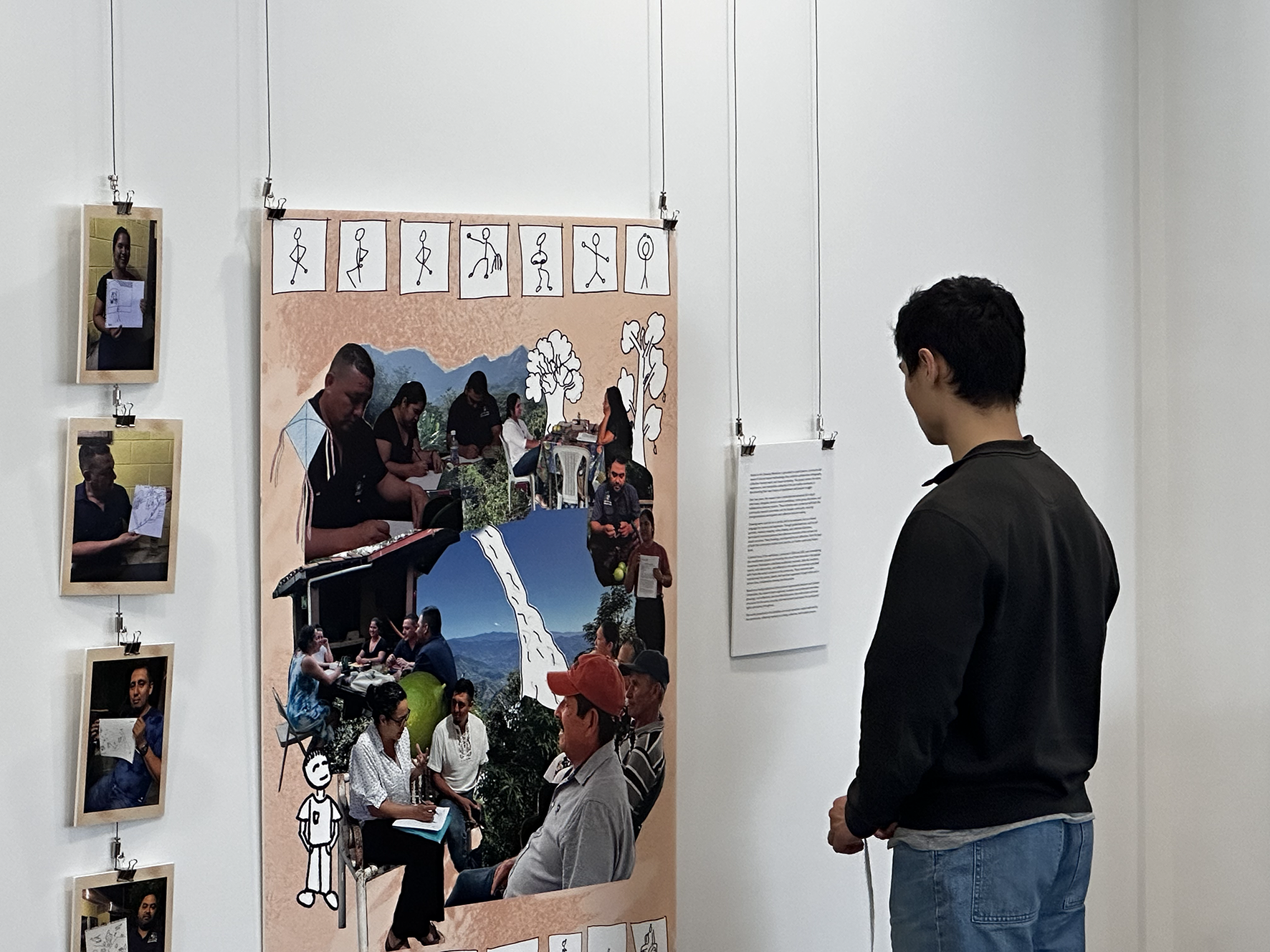
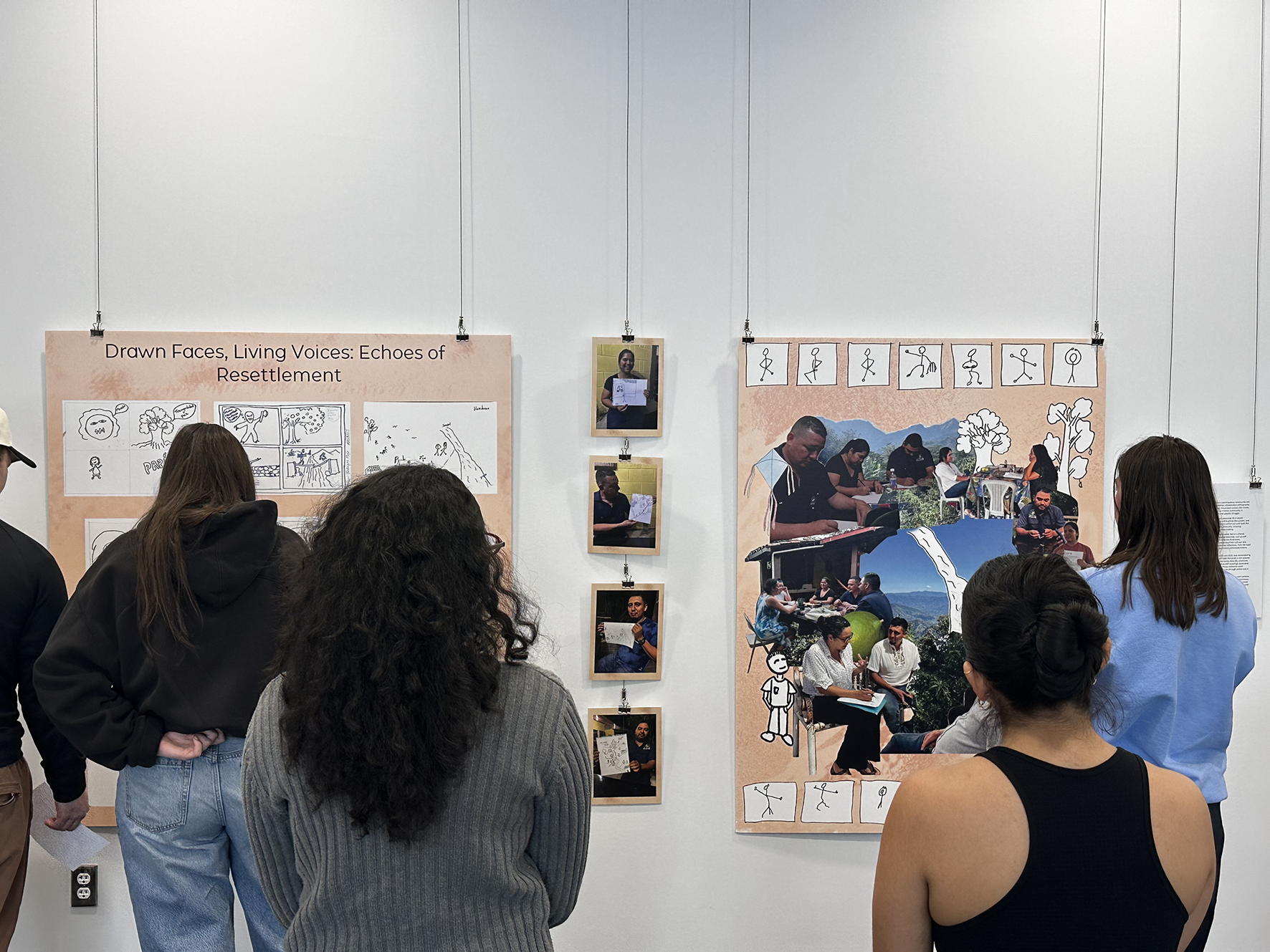
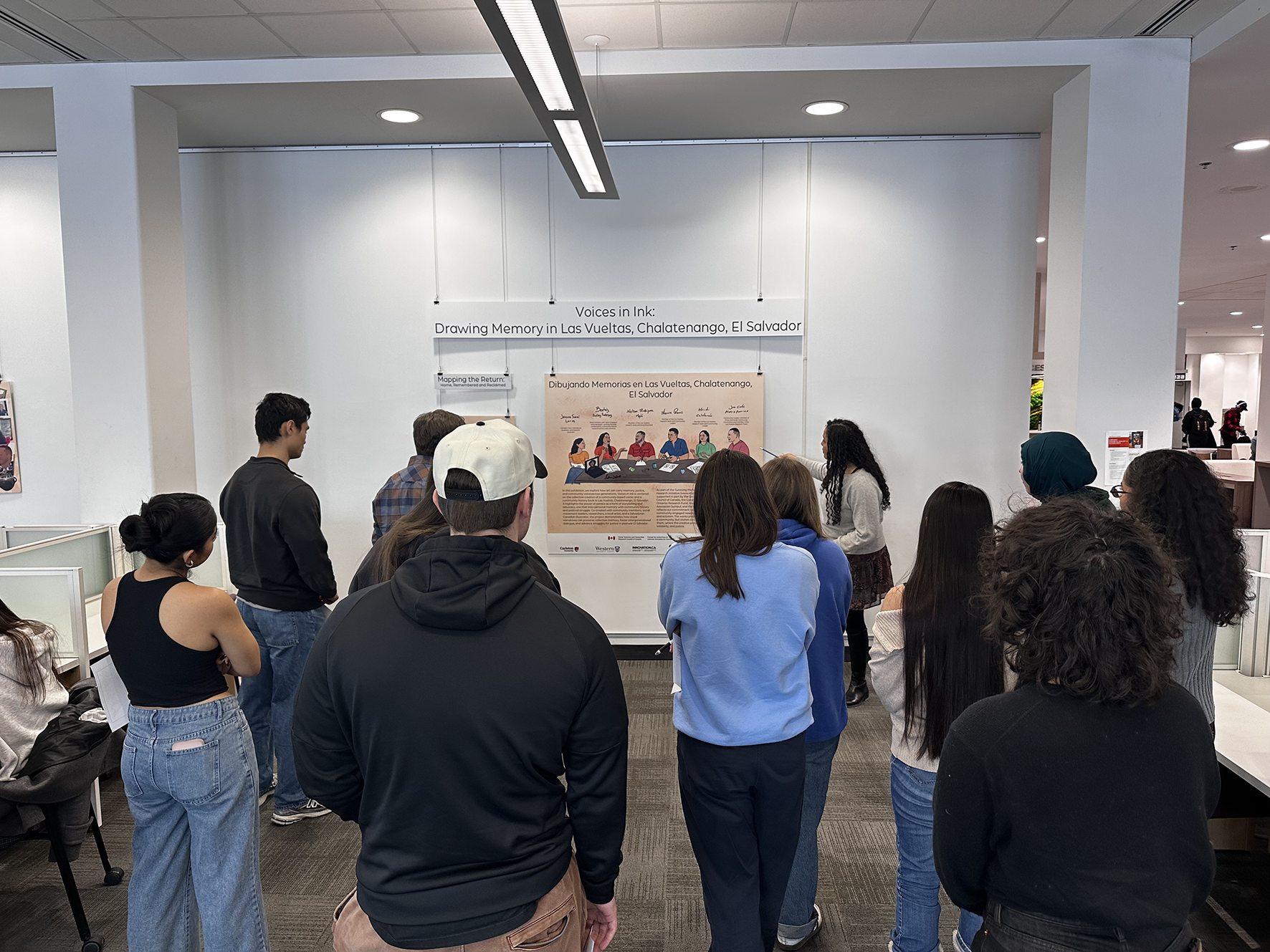
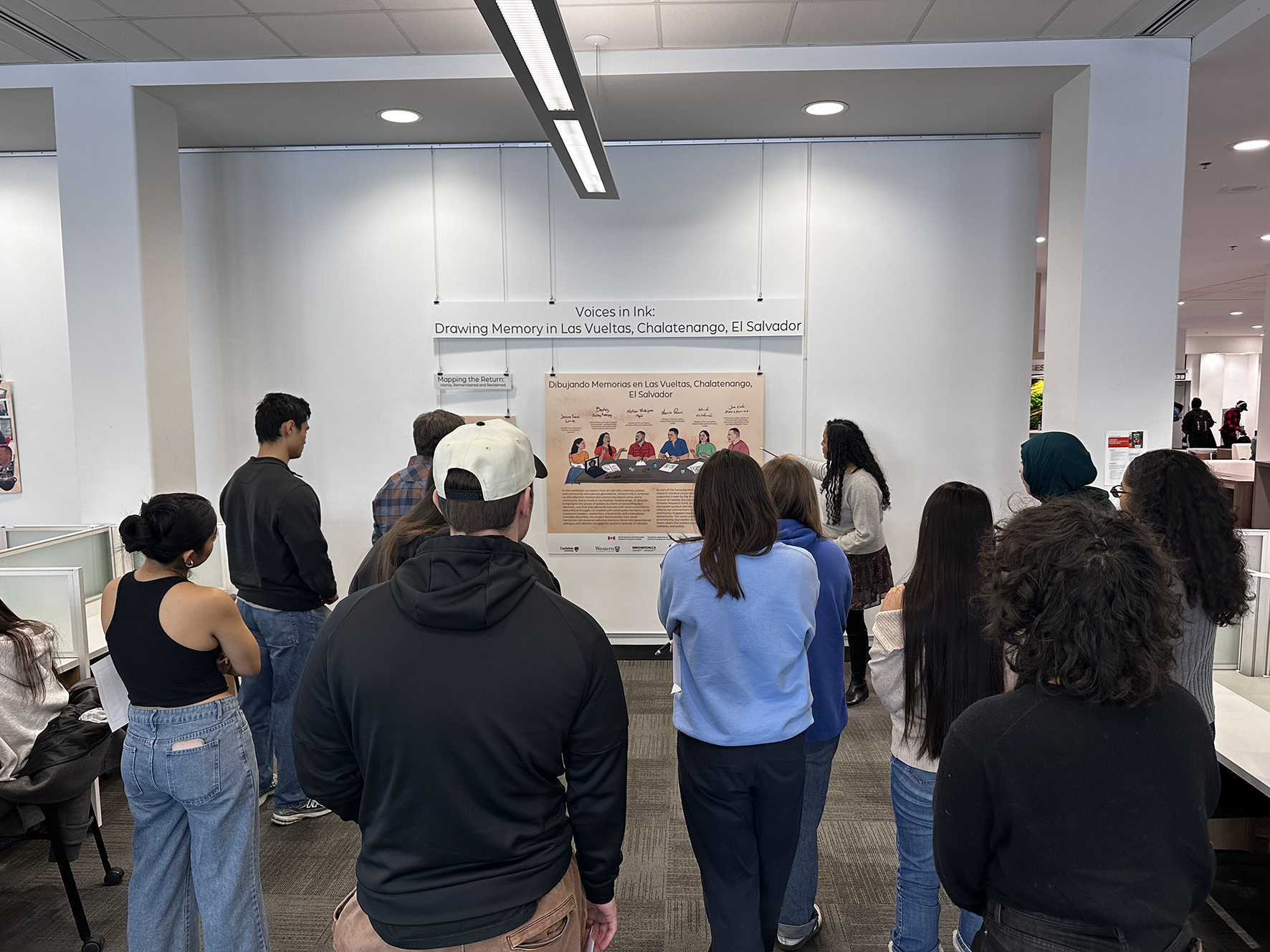
“Voices in Ink”: Drawing Memories in Las Vueltas, Chalatenango, El Salvador - Exhibition February 2026
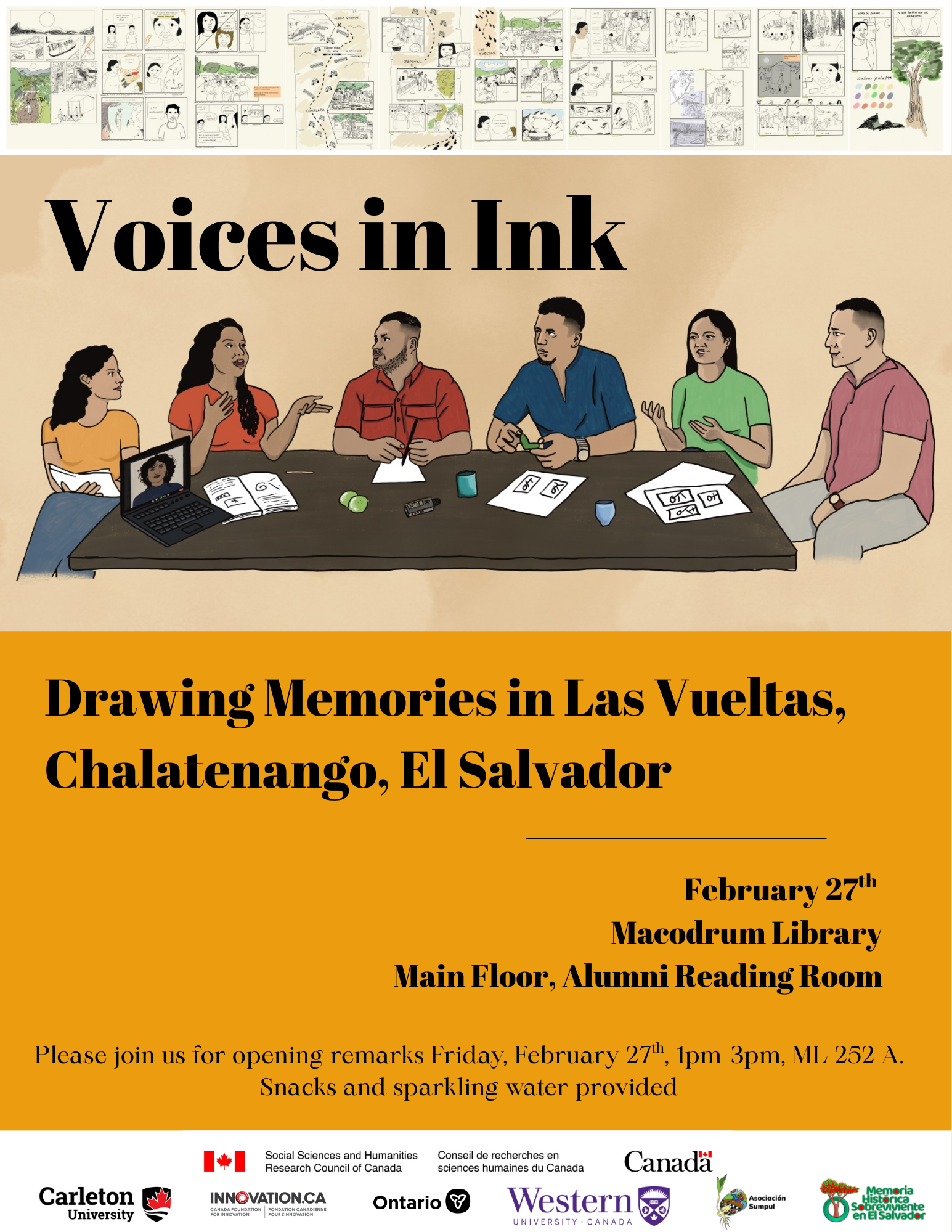
On February 27, 2026, the Las Vueltas Research Team opened “Voices in Ink” at the MacOdrum Library, Carleton University (Canada). The team includes community organizers Heidi Calderón, Nelson Rodríguez, Marvin Alas, and Juan Carlos; Salvadoran-Canadian artist Jessica Larios; Nicaraguan-Canadian research assistant Sabrina Del Bello Guatemala; and assistant professor of Anthropology Beatriz Juárez-Rodríguez (Carleton University).
The exhibition marks the culmination of seven months of collaborative creative work. “Voices in Ink” showcases the power of community-based comics as a medium for storytelling and advocacy, one that bridges personal memory, community history, and political struggle.
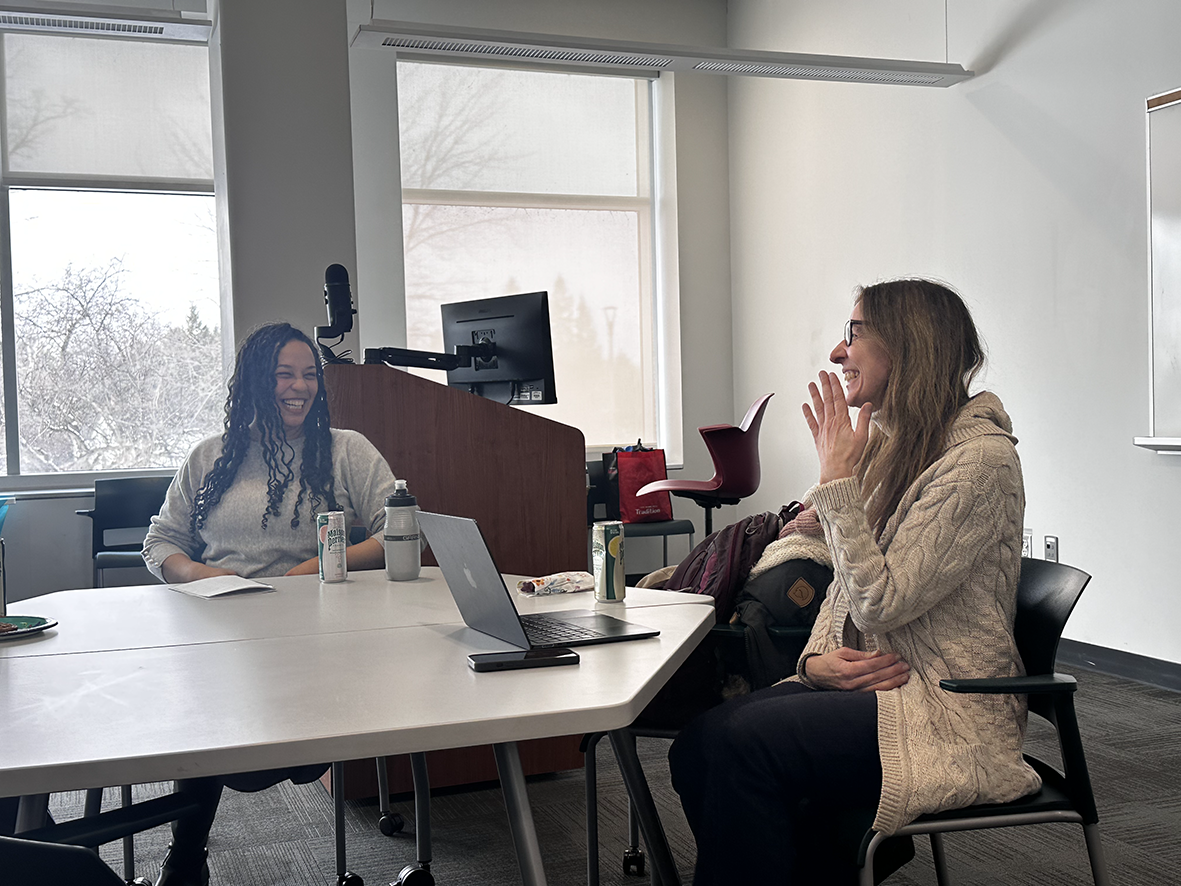
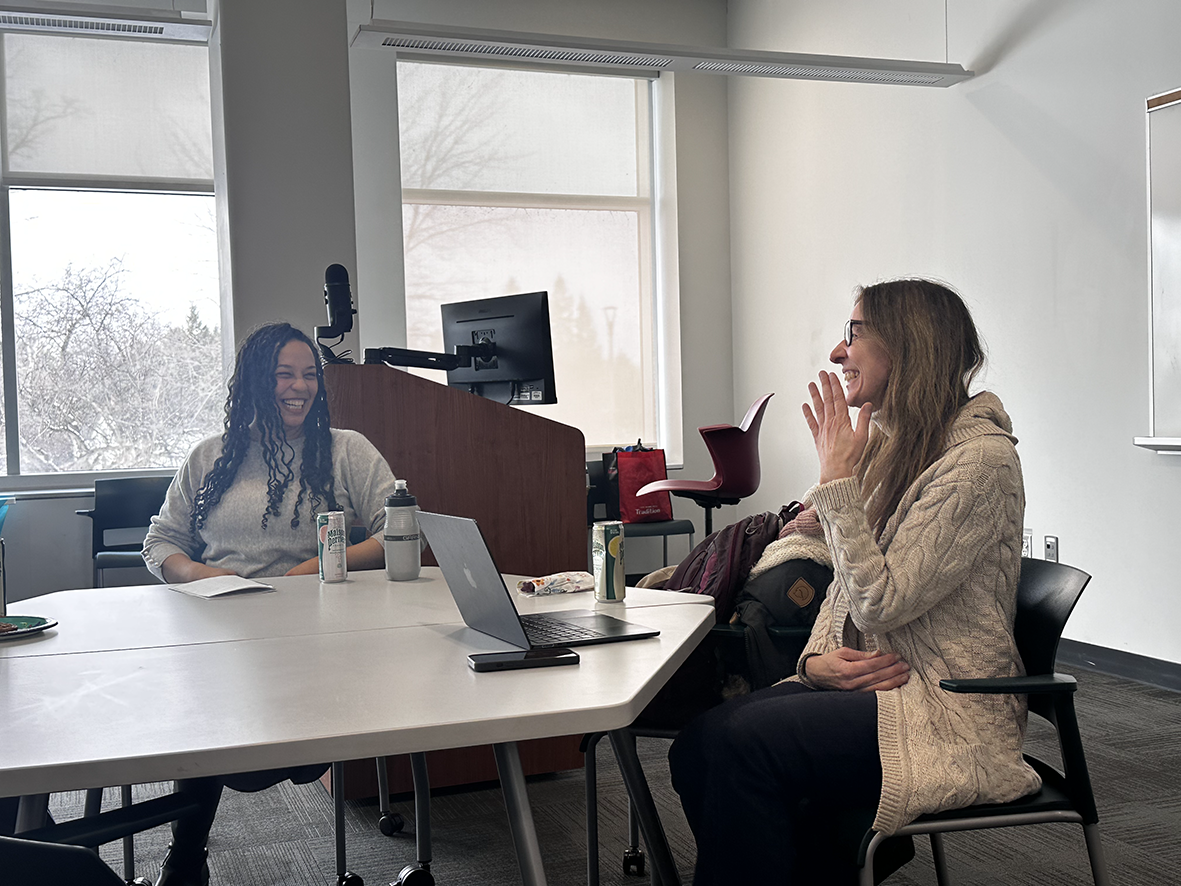
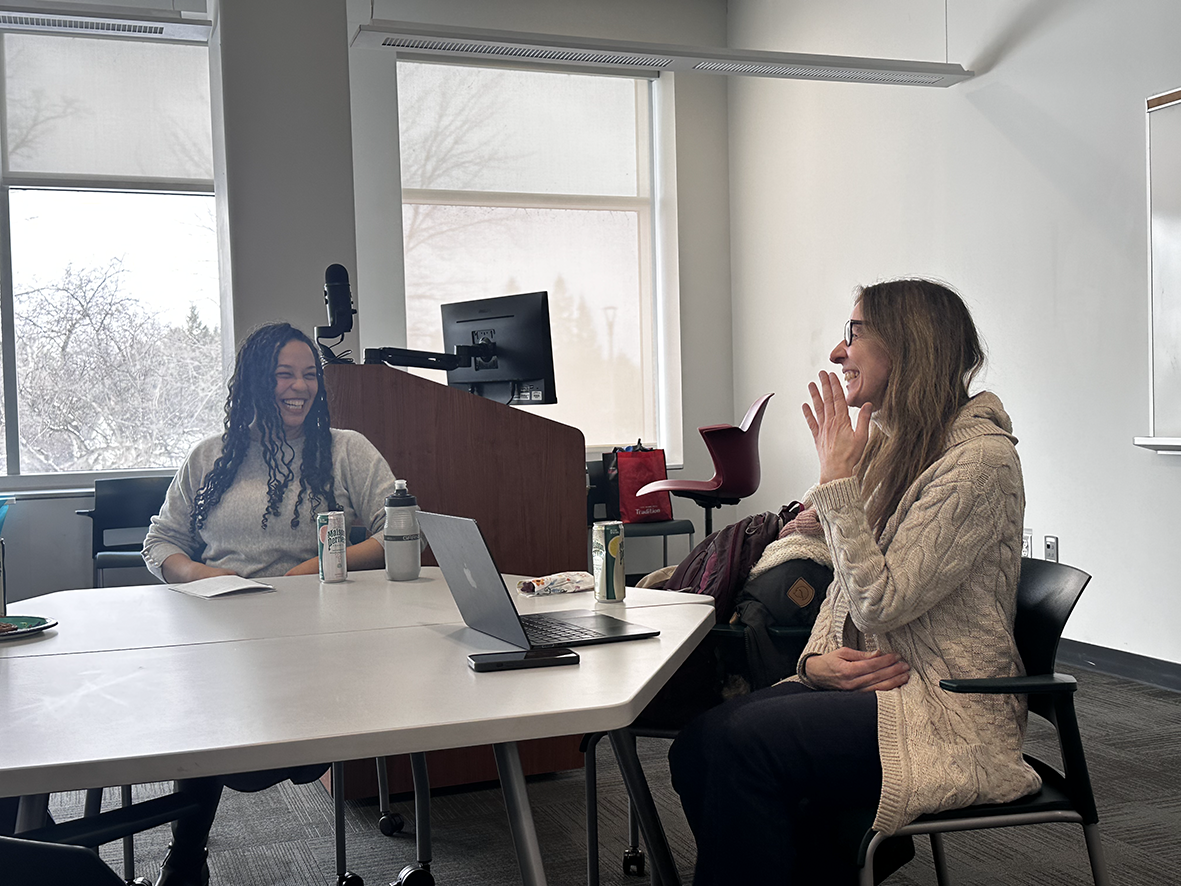
The opening event brought together scholars and students from Carleton University. In a conversational panel, Prof. Beatriz Juárez-Rodríguez, Joint Chair Prof. Marie-Ève Carrier-Moisan, and illustrator Jessica Larios discussed collaborative ethnography, participatory and decolonial methodologies, and the role of visual storytelling in sustaining memory and deepening intergenerational conversations about justice in El Salvador.
The event concluded with a reflective wall activity, inviting participants to draw or write responses to the question: “What story, memory, or struggle from your community or lived experience would you like to see told as a comic, graphic narrative, or illustrated piece?"
The Surviving Memory in Postwar El Salvador research initiative is supported in part by funding from the Social Sciences and Humanities Research Council of Canada, Western University, Carleton University, the Canadian Foundation for Innovation, and the Ontario Research Fund.
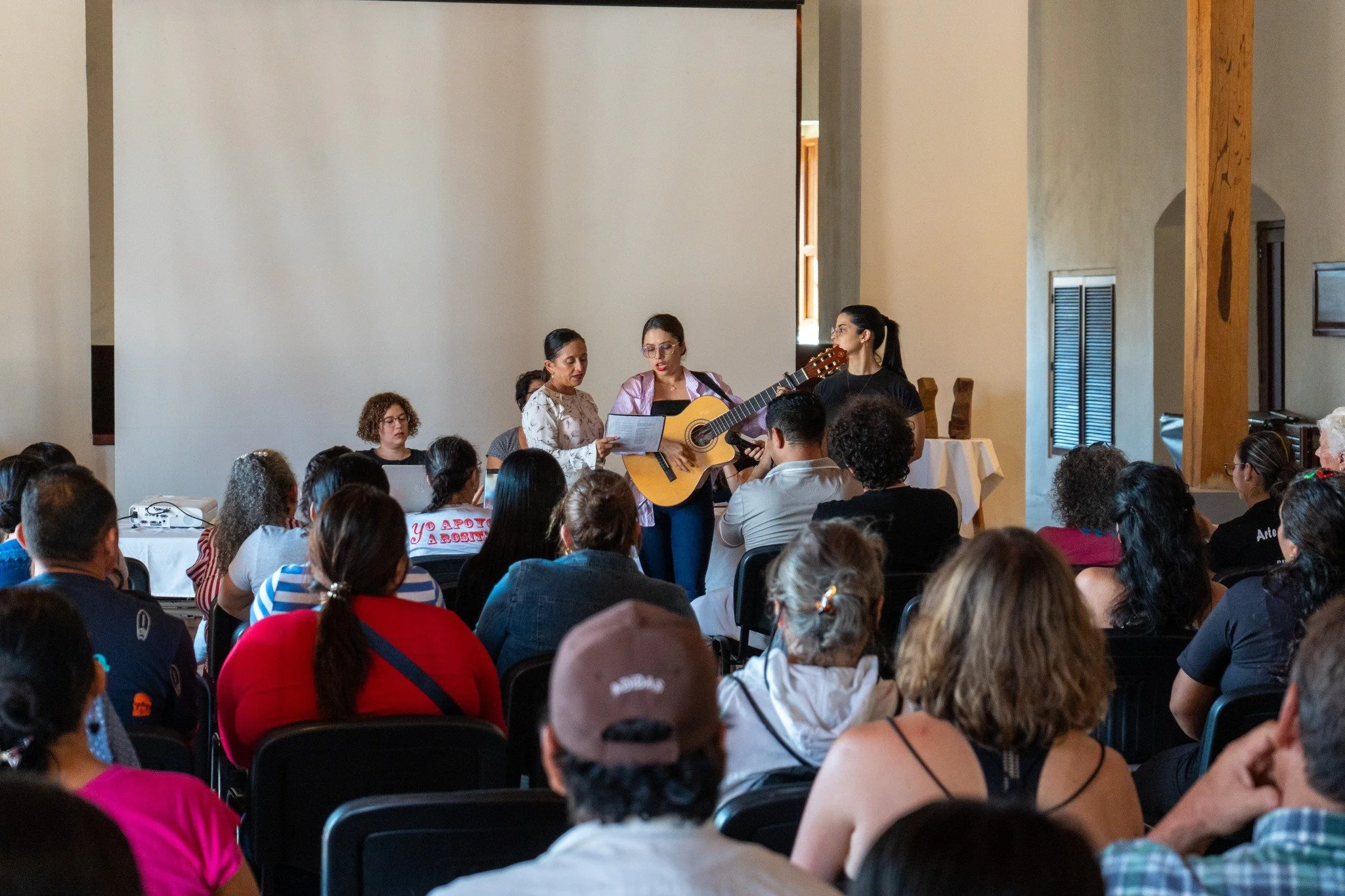
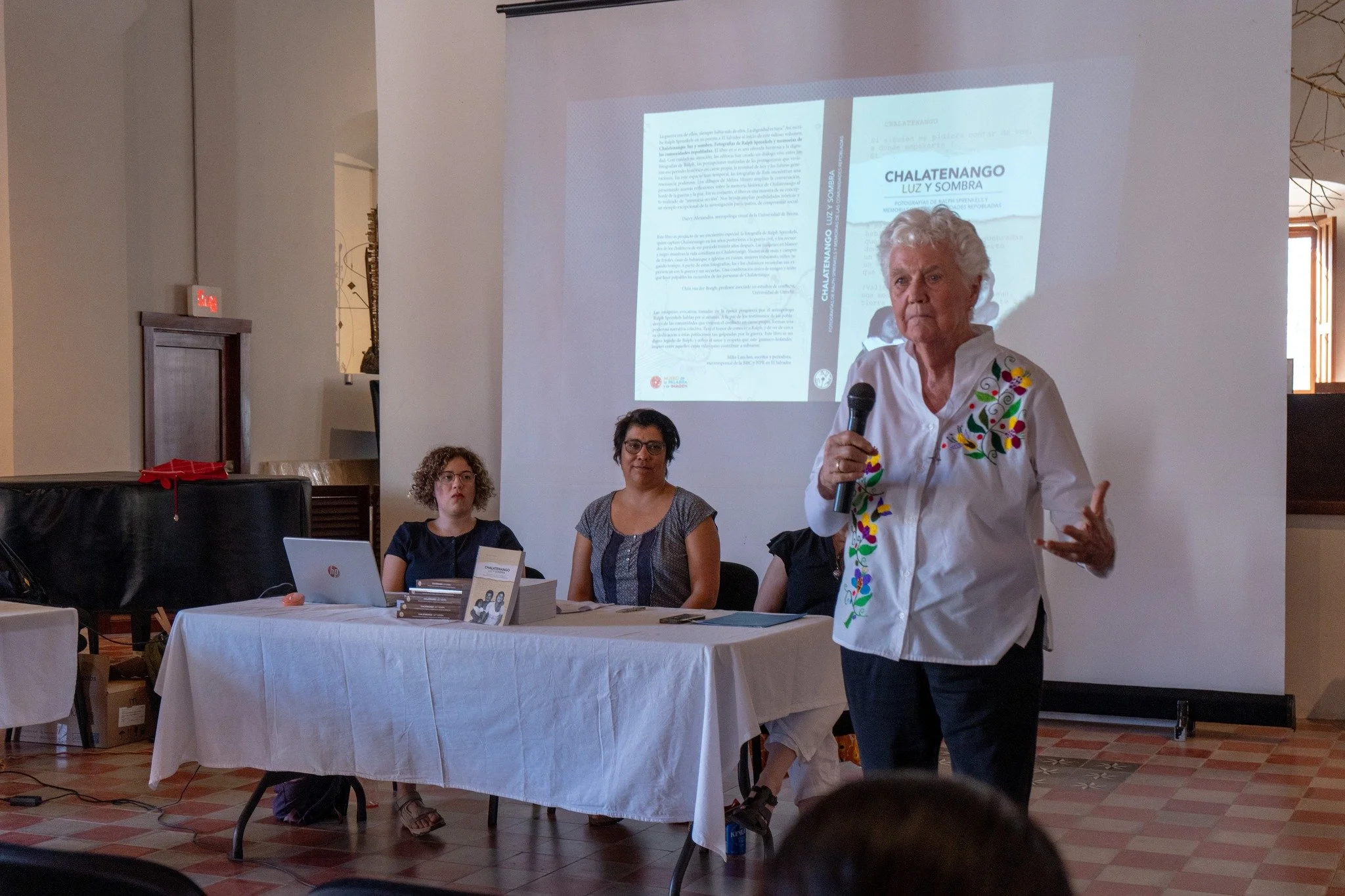
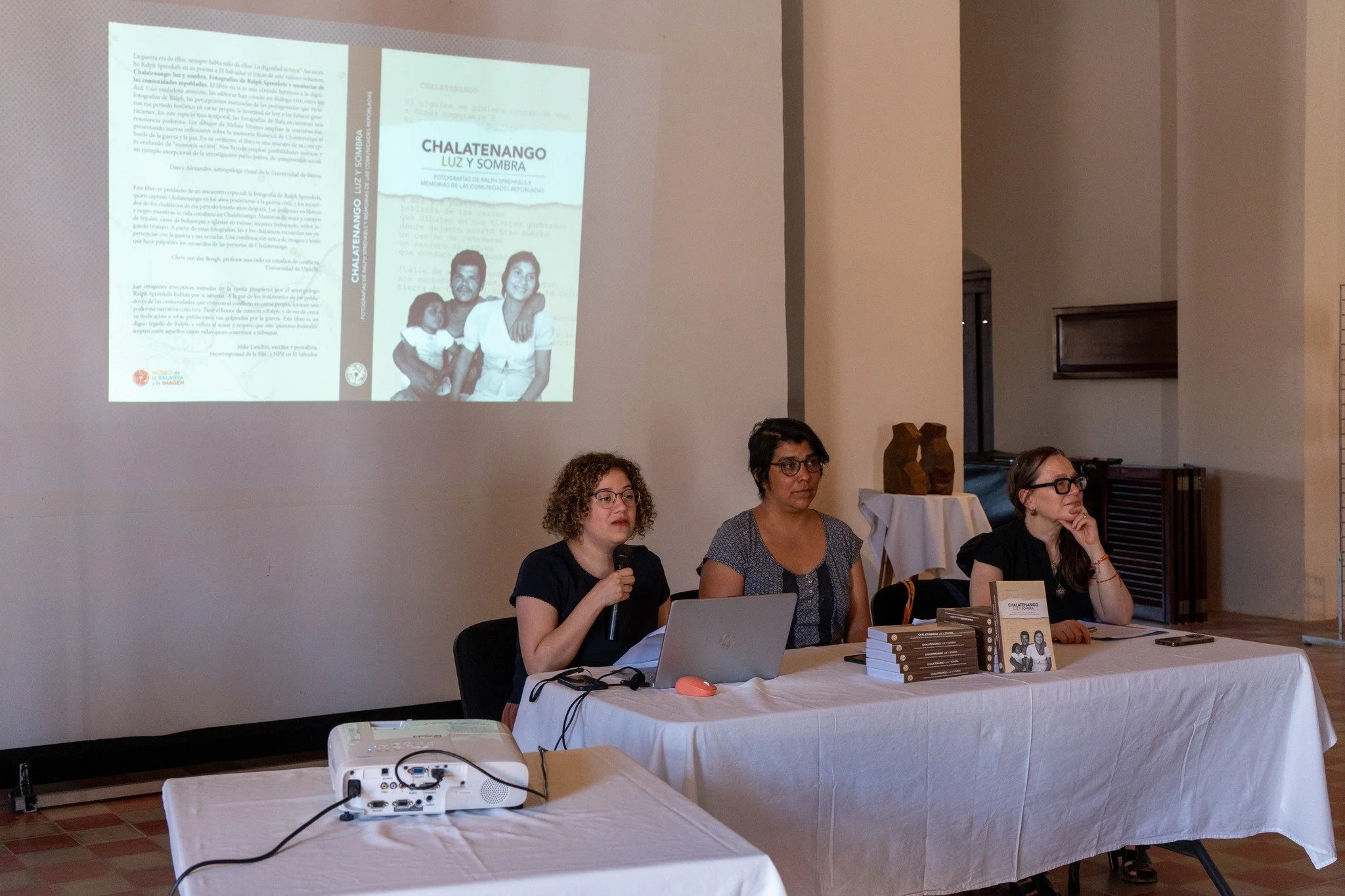
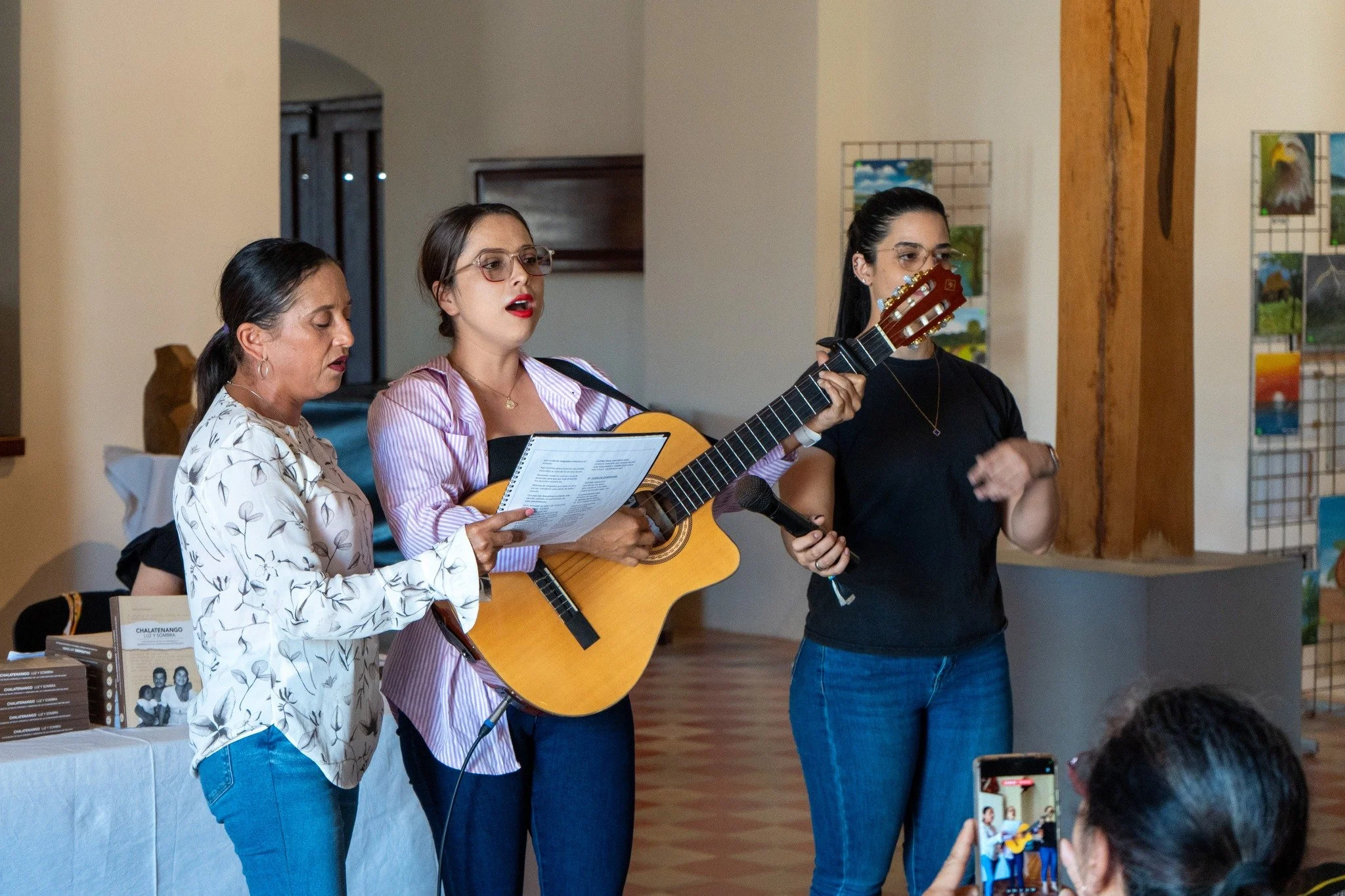
The Centro Arte para la Paz hosts the presentation of the book Chalatenango luz y sombra: fotografías de Ralph Sprenkels y memorias de las comunidades repobladas
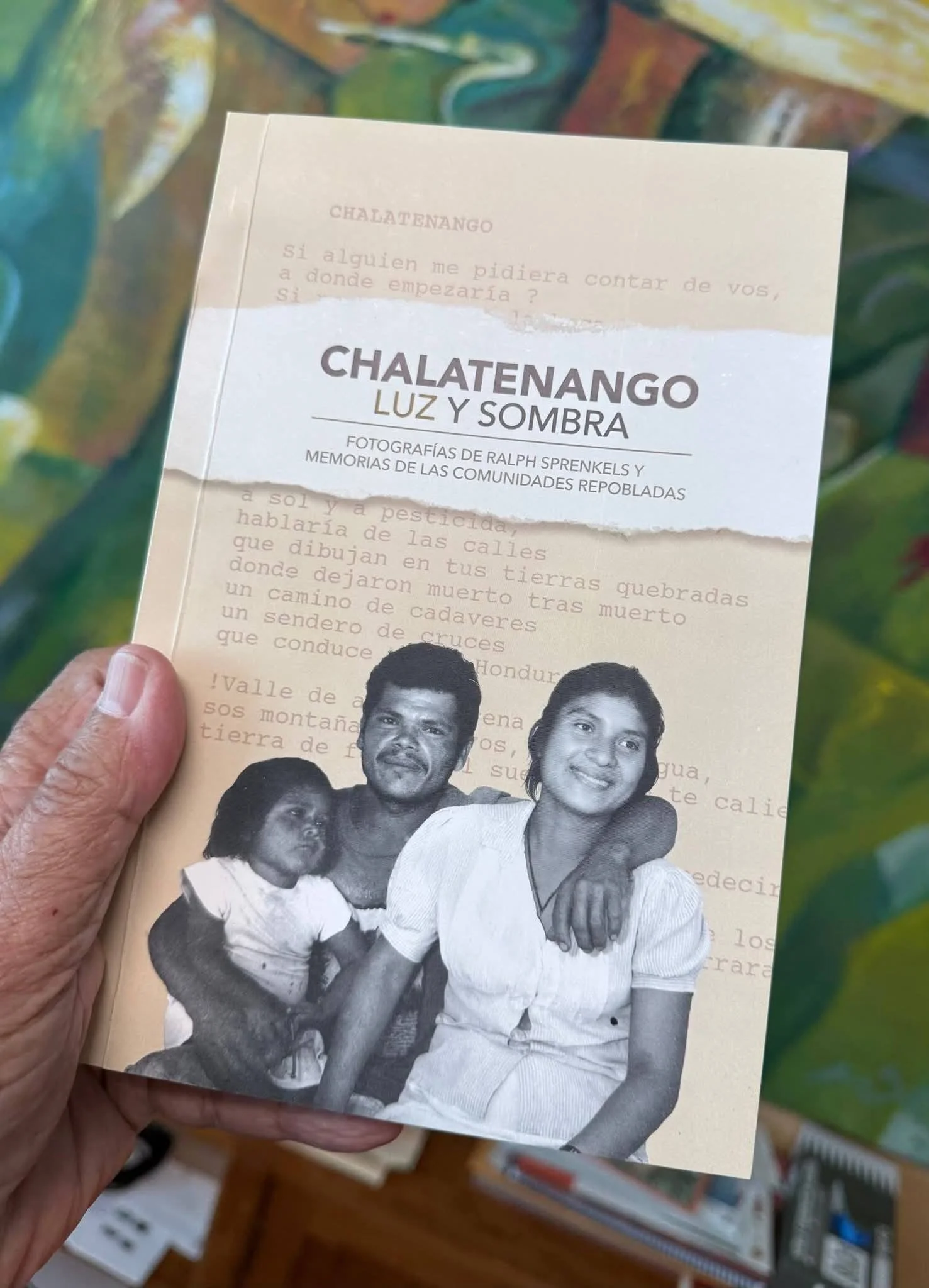
The book Chalatenango luz y sombra: fotografías de Ralph Sprenkels y memorias de las comunidades repobladas [Chalatenango Light and Shadow: Photographs by Ralph Sprenkels and Memories of the Repopulated Communities] brings together Ralph Sprenkels’s powerful photographs, accompanied by testimonies from communities repopulated during the Salvadoran postwar period.
Through its pages, the book invites readers on a profound journey through historical memory, narrated by women, men, young people, and children who lived through the conflict and its consequences. The images reflect pain, but also the resistance and capacity for reconstruction of communities that faced loss and the challenge of rebuilding their lives.
More than a visual record, Sprenkels’s work accompanied community processes, especially those of women who, in the search for their disappeared sons and daughters, faced great risks with courage.
This work, edited by Adriana Alas, Lidice Michelle Melara Minero, and Irina Carlota Silber, is a joint initiative of Western University, the Museo de la Palabra y la Imagen [Museum of the Word and Image, MUPI], and Chalatenango communities as part of the Surviving Memory in Postwar El Salvador research initiative.
It offers a space to reflect, remember, and recognize the stories that shape the identity of the repopulated communities of Chalatenango.
The Surviving Memory in Postwar El Salvador research initiative is supported in part by funding from the Social Sciences and Humanities Research Council of Canada, Western University, the Canadian Foundation for Innovation, and the Ontario Research Fund.
Chalatenango Luz y Sombra: New Book Presented in El Salvador
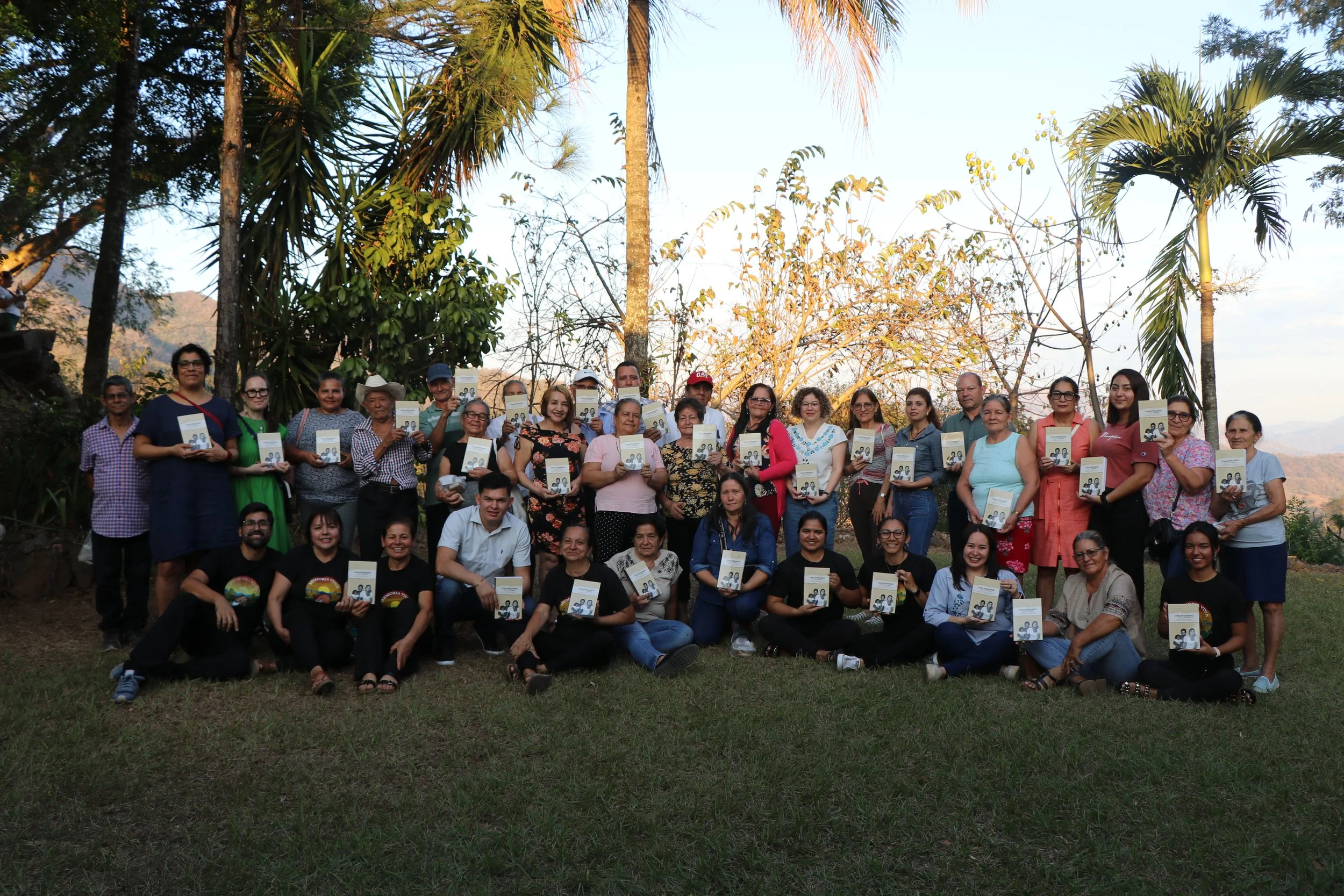
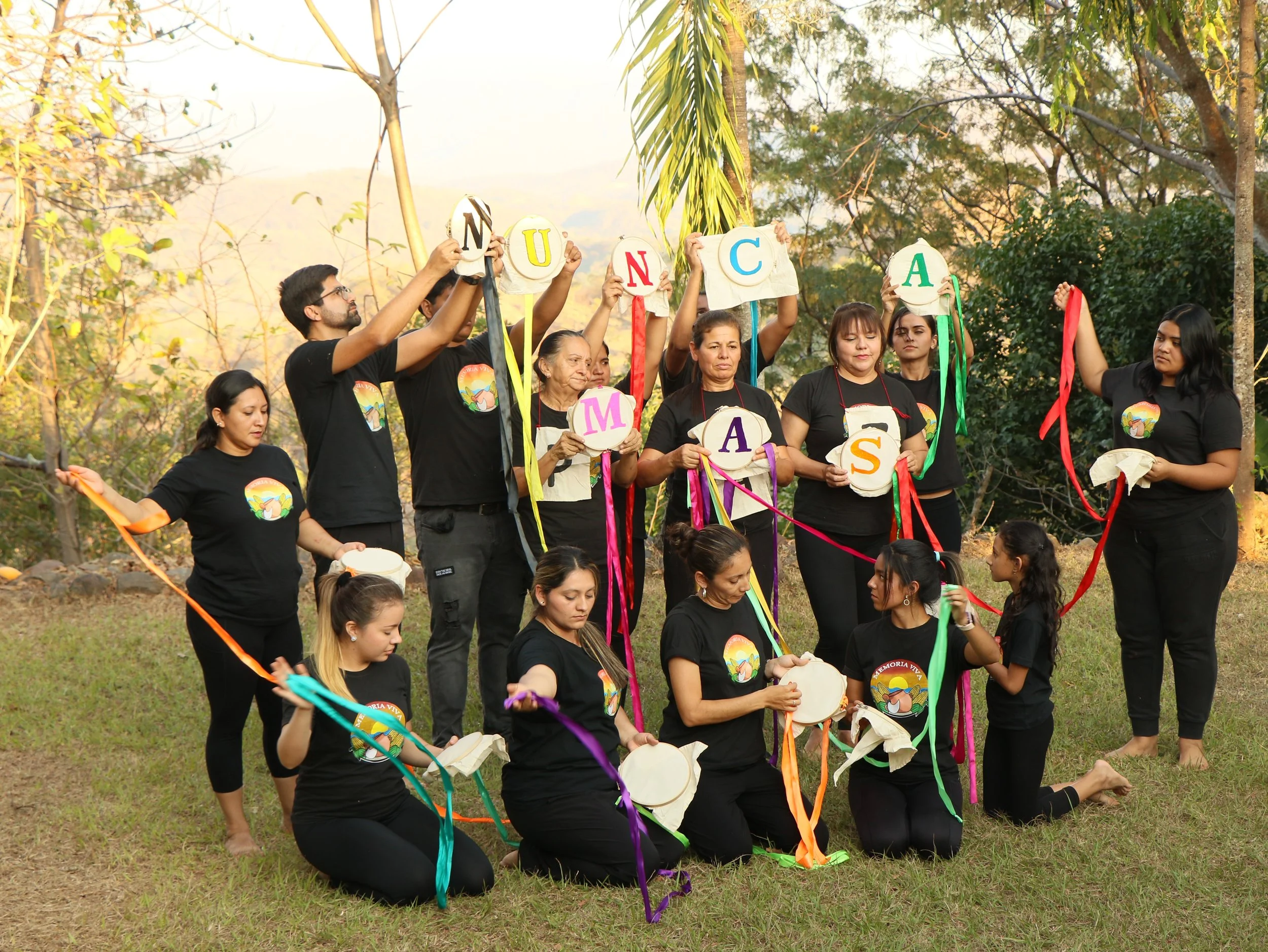
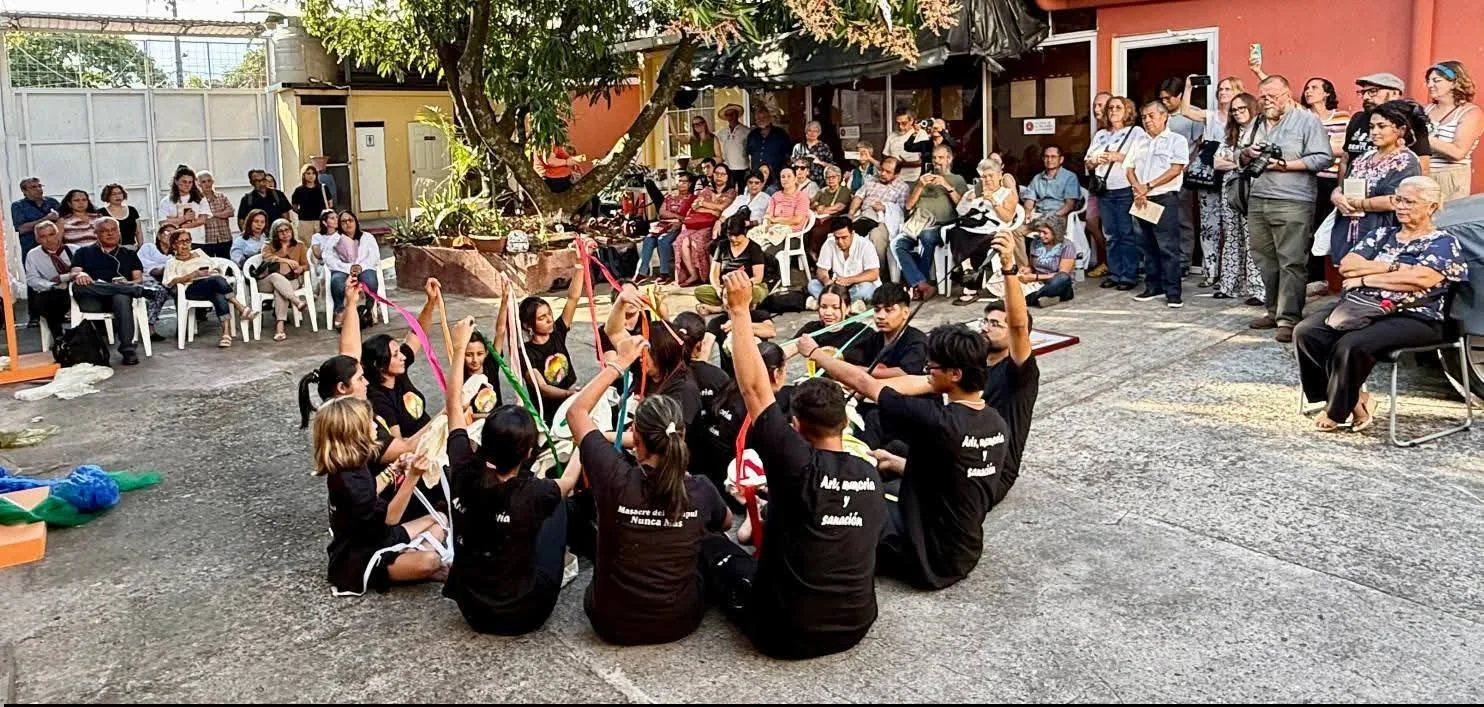
On February 16, 17, and 18, 2026, the Surviving Memory research initiative presented its fourth community book. Chalatenango Luz y Sombra: Fotografías de Ralph Sprenkels y Memorias de las Comunidades Repobladas [Chalatenango Light and Shadow: Photographs by Ralph Sprenkels and Memories of the Repopulated Communities](MUPI, 2025) was launched in San Salvador, Guarjila, and Cuscatlán, with a total of 300 attendees. During the book presentations, participants included survivor communities from Chalatenango, the theater group Memoria Viva from the community of Las Vueltas in Chalatenango, young singer-songwriter Sandra Alas from the community of Guancora in Chalatenango, and the book’s editors.
Chalatenango Light and Shadow presents a blend of testimonies, photographs, reflections on the past, drawings, poetry, and music. The book begins with photographs from the archive of Ralph (Rafa) Sprenkels, a Dutch anthropologist-historian who lived in the communities of Chalatenango during the early postwar years. From there, he documented testimonies about violence against the civilian population between 1980 and 1992, while also photographing community life during the first years of reconstruction. In these photo-graphs, we see the communities, community events such as commemorations, theater performances, and masses, and the friendships Rafa formed during his years in Chalatenango. The book is built around the stories of 73 photographs and what they convey from the perspective of survivors of the war in Chalatenango’s communities. It includes testimonies about what happened in the 1980s and in the immediate aftermath of the Civil War in 1992, as well as present-day reflections and an intergenerational discussion about memory—what it means and what people hope to achieve by learning about and understanding the memories of the war years. This discussion is not always presented through essays or testimonies; it can also appear in the form of drawings, songs, or poems.
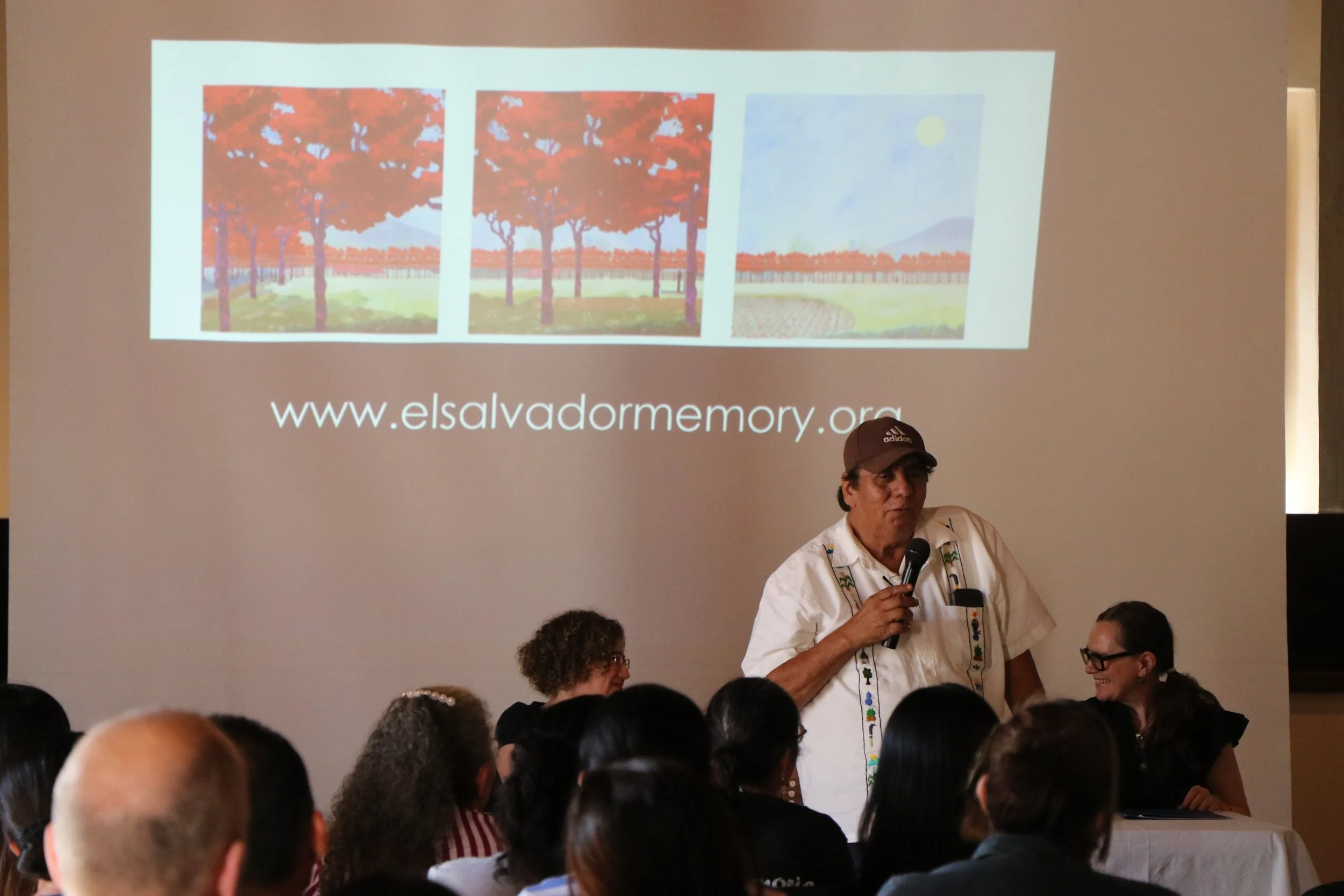
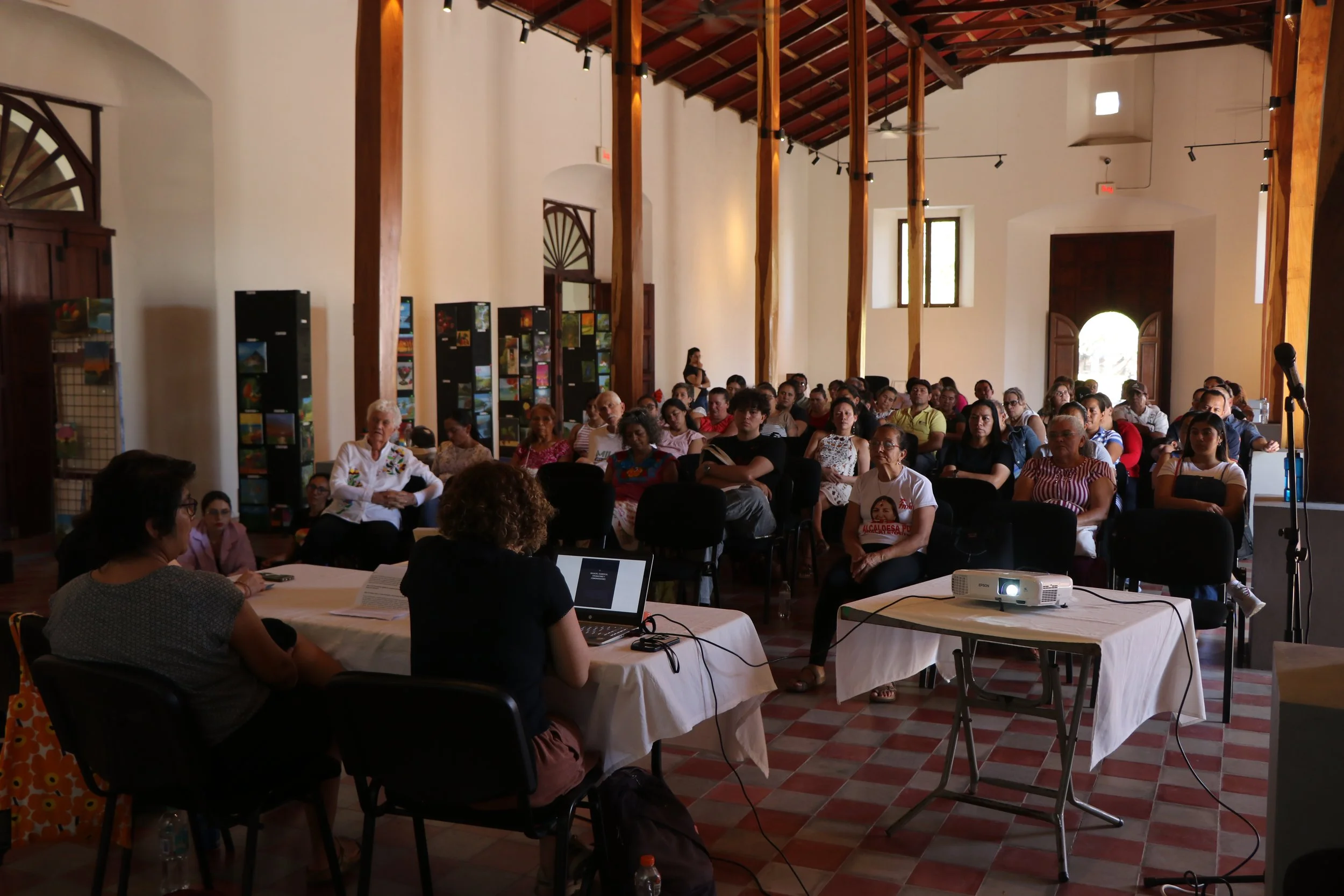
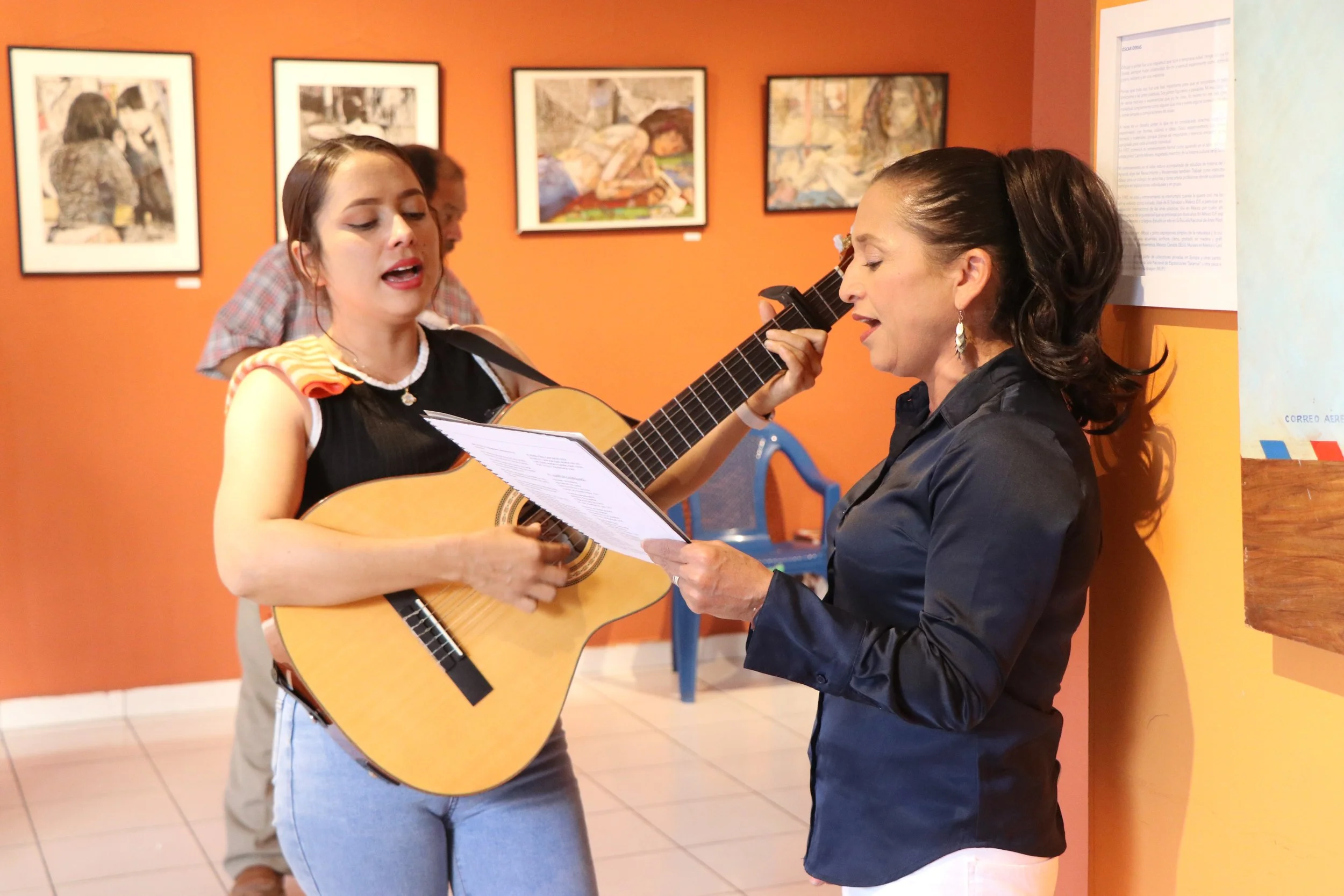
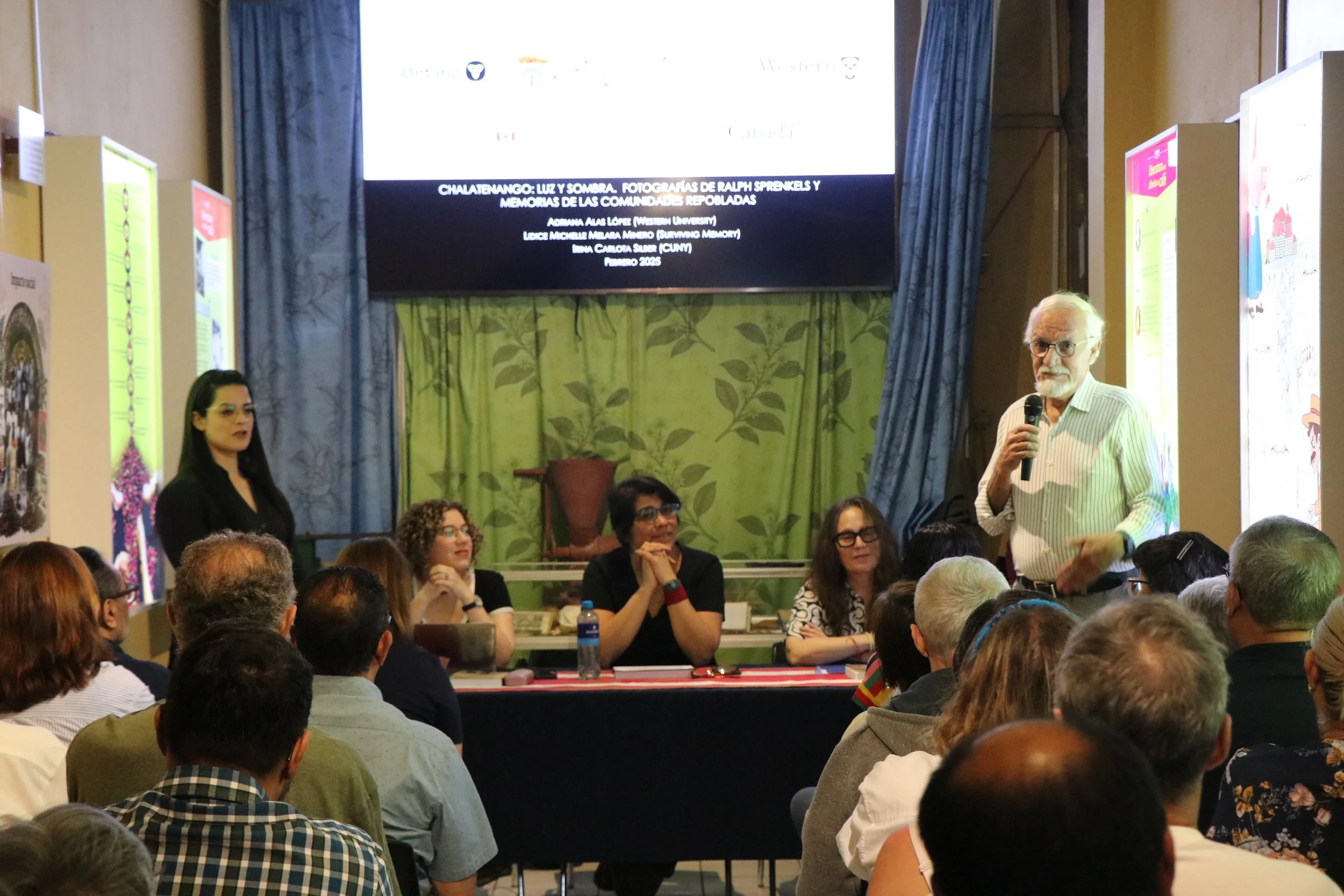
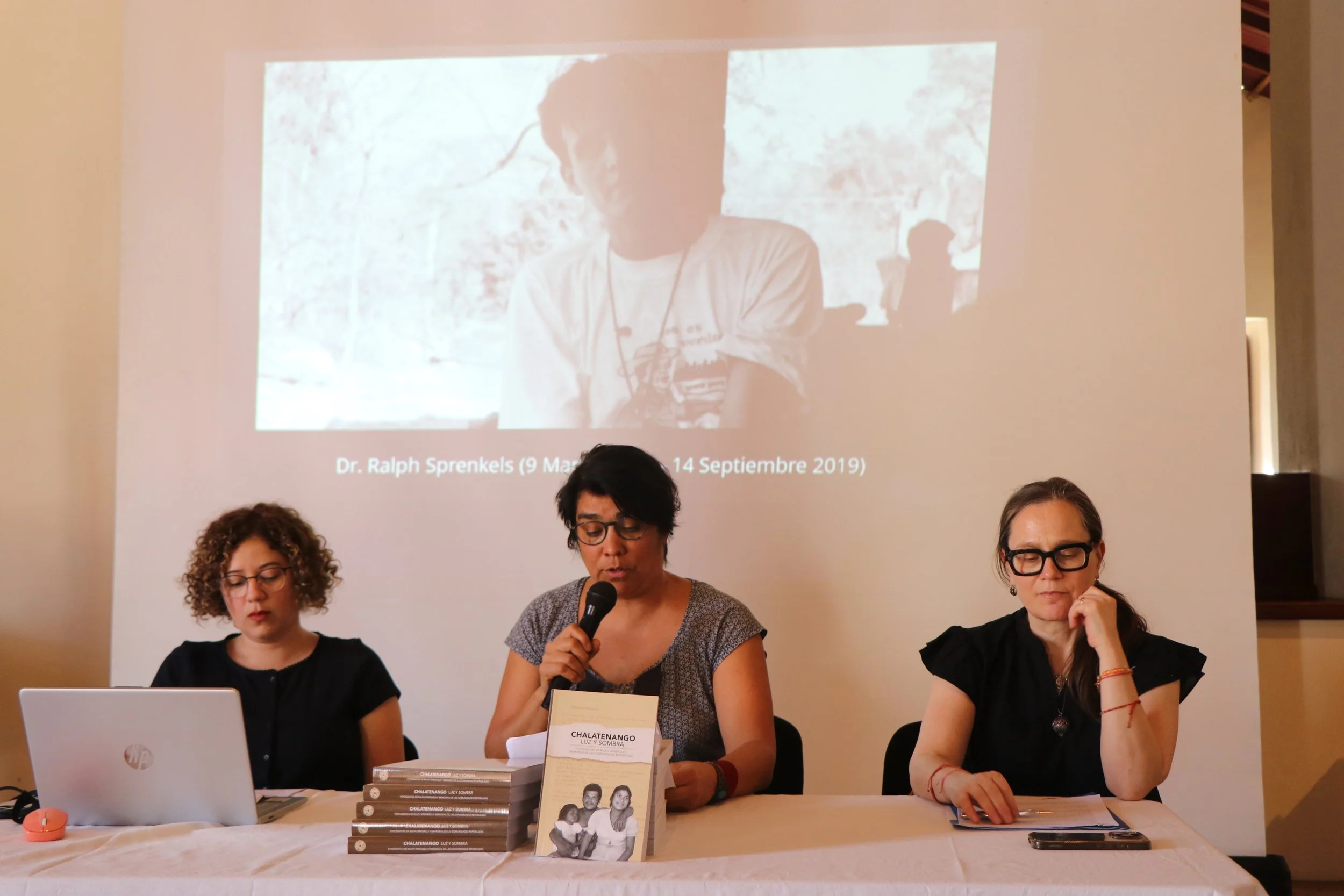
The book was edited by Adriana Alas (Western University), Michelle Melara (Surviving Memory/Casa Museo Jon Cortina), and Irina Silber (CUNY). It is a community co-authored work in which more than 50 people from the repopulated communities of San José Las Flores, Arcatao, Nueva Trinidad, Las Limas, San Antonio Los Ranchos, Guancora/Ignacio Ellacuría, Guarjila, Las Minas, and Las Vueltas participated. The book project also included the support and co-authorship of representatives from historical organizations such as Asociación Sumpul, the Association of Survivors of the Sumpul Massacre and Other Massacres of Chalatenango, the Museo de la Palabra y la Imagen [Museum of the Word and Image, MUPI], the FotoRafa Archive, the Asociación de Comunidades para el Desarrollo de Chalatenango [Association of Communities for the Development of Chalatenango, CCR], the Centro Arte para la Paz [Art Center for Peace, CAP], Casa Museo Jon Cortina [Jon Cortina House Museum], and Cáritas Chalatenango.
The Surviving Memory in Postwar El Salvador research initiative is supported in part by funding from the Social Sciences and Humanities Research Council of Canada, Western University, the Canadian Foundation for Innovation, and the Ontario Research Fund.
Chalatenango luz y sombra Presented at MUPI
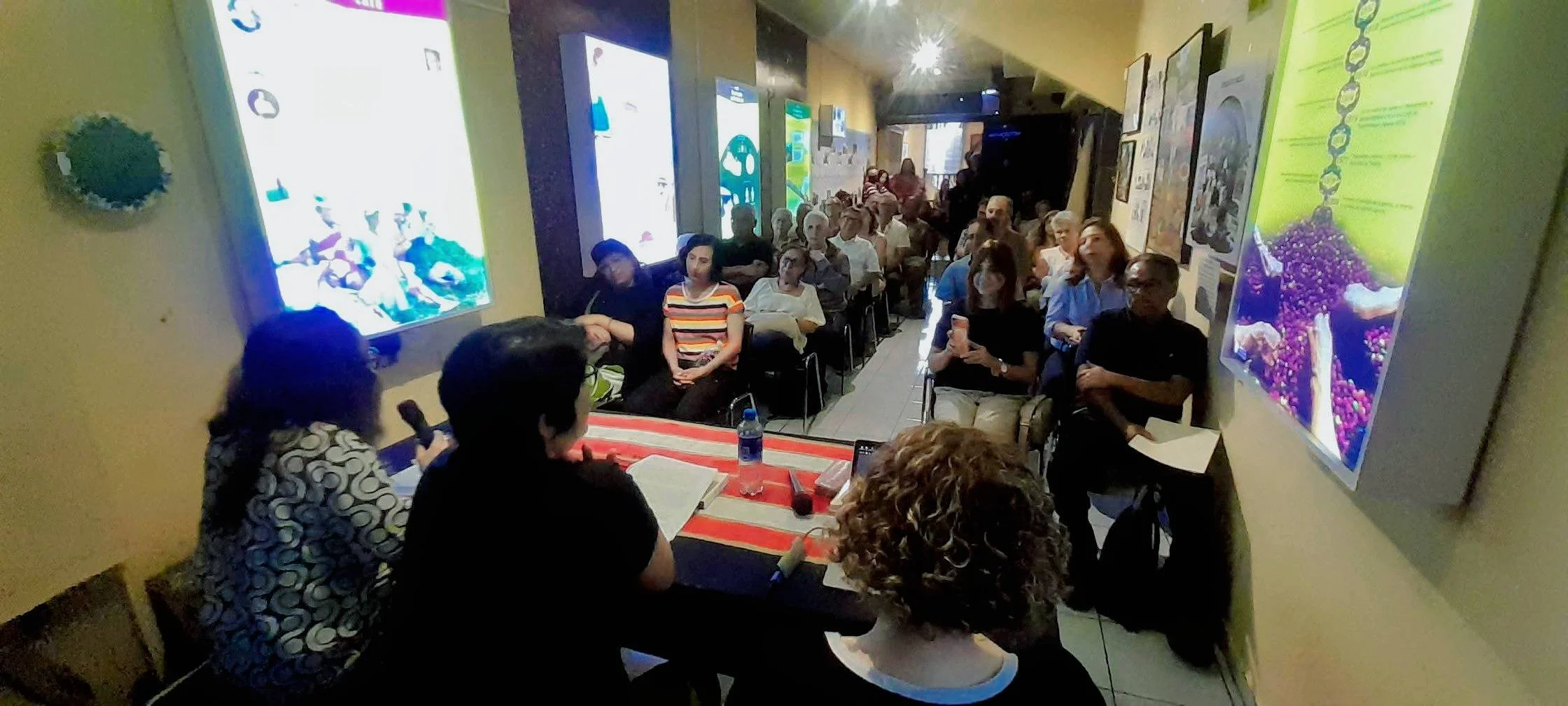
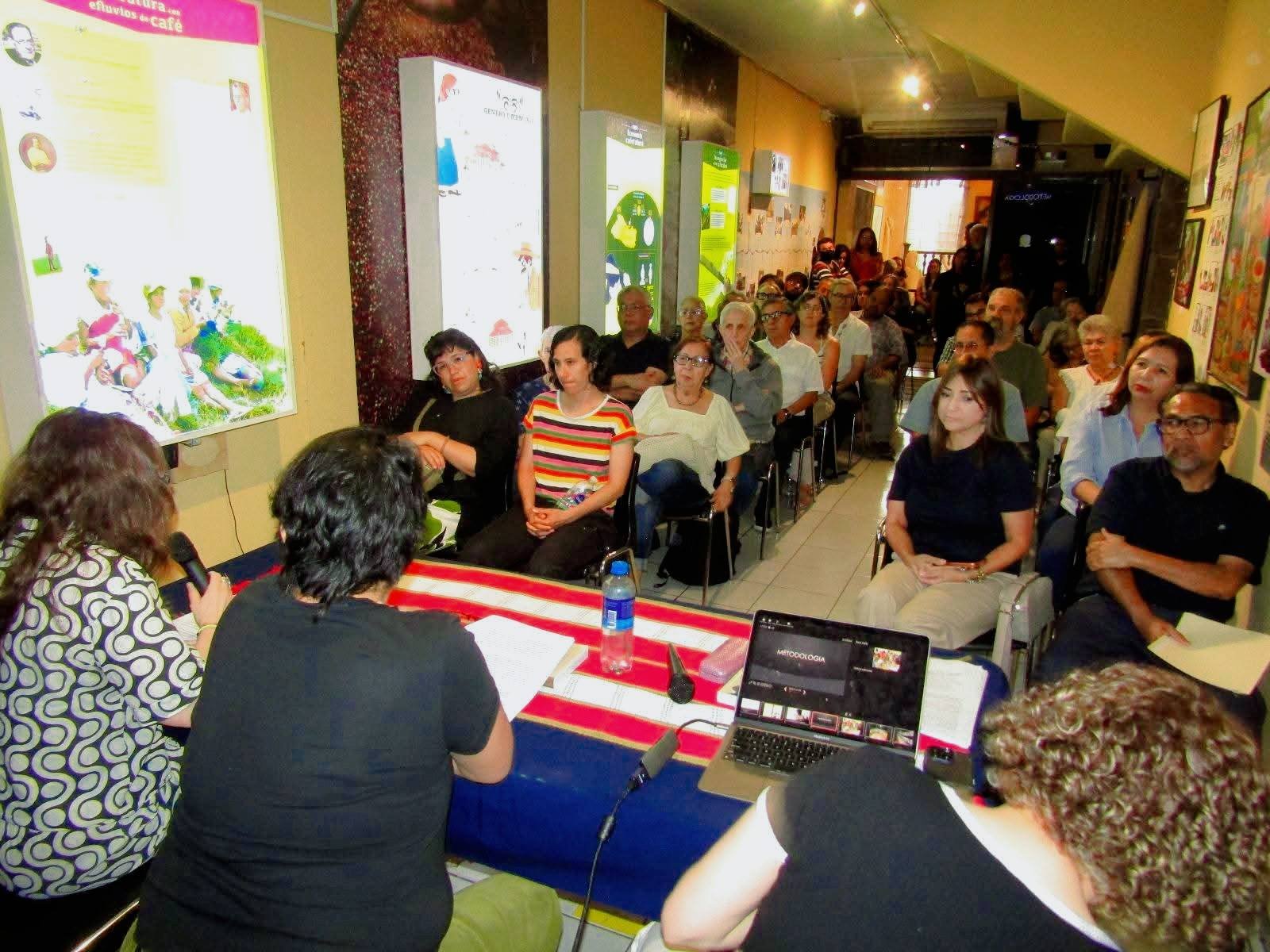
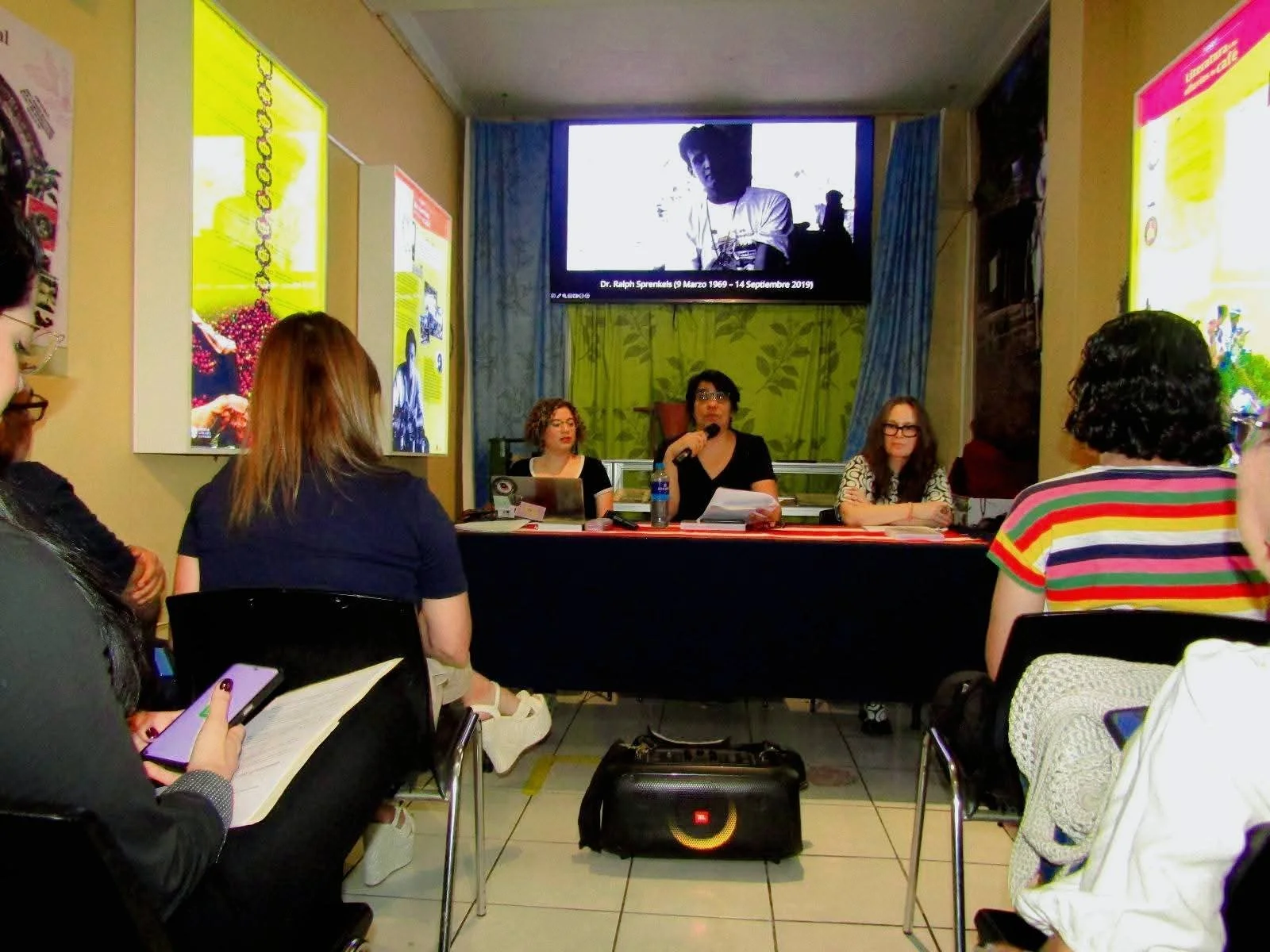
With a full house, the Museo de la Palabra y la Imagen [Museum of the Word and Image, MUPI] held the presentation of the book Chalatenango luz y sombra: fotografías de Ralph Sprenkels y memorias de las comunidades repobladas [Chalatenango Light and Shadow: Photographs by Ralph Sprenkels and Memories of the Repopulated Communities], a work that brings together Ralph Sprenkels’s powerful photographs alongside testimonies from communities repopulated during the Salvadoran postwar period.
Chalatenango luz y sombra [Chalatenango Light and Shadow] offers an approach to historical memory through the stories of women, men, young people, and children, captured through the committed and humanist gaze of Ralph Sprenkels. His images document the pain, resistance, and reconstruction of communities that, after the armed conflict, suffered the loss of their loved ones and faced the challenge of rebuilding their lives. Sprenkels not only recorded history with his camera, but also accompanied community processes, especially those of women who, in the search for their disappeared sons and daughters, faced high-risk situations.
The book, edited by Adriana Alas, Lidice Michelle Melara Minero, and Irina Carlota Silber, is a joint initiative of Western University, the Museo de la Palabra y la Imagen, and the Surviving Memory in Postwar El Salvador Project.
The event featured the participation of singer-songwriter Sandra Alas and the Memoria Viva [Living Memory] theater collective from Las Vueltas, who contributed an artistic moment filled with sensitivity and commitment to historical memory.
The book Chalatenango luz y sombra [Chalatenango Light and Shadow] will also be presented on Tuesday, February 17, at 3:00 p.m. at Casa Museo Jon Cortina [Jon Cortina House Museum] in Guarjila, and on February 18 at 2:00 p.m. at the Centro Arte para la Paz [Center Art for Peace] in Suchitoto.
The Surviving Memory in Postwar El Salvador research initiative is supported in part by funding from the Social Sciences and Humanities Research Council of Canada, Western University, the Canadian Foundation for Innovation, and the Ontario Research Fund.