
“Embroidering absence, expressing sorrows, weaving hope,” a Paper by Dr. María José Méndez
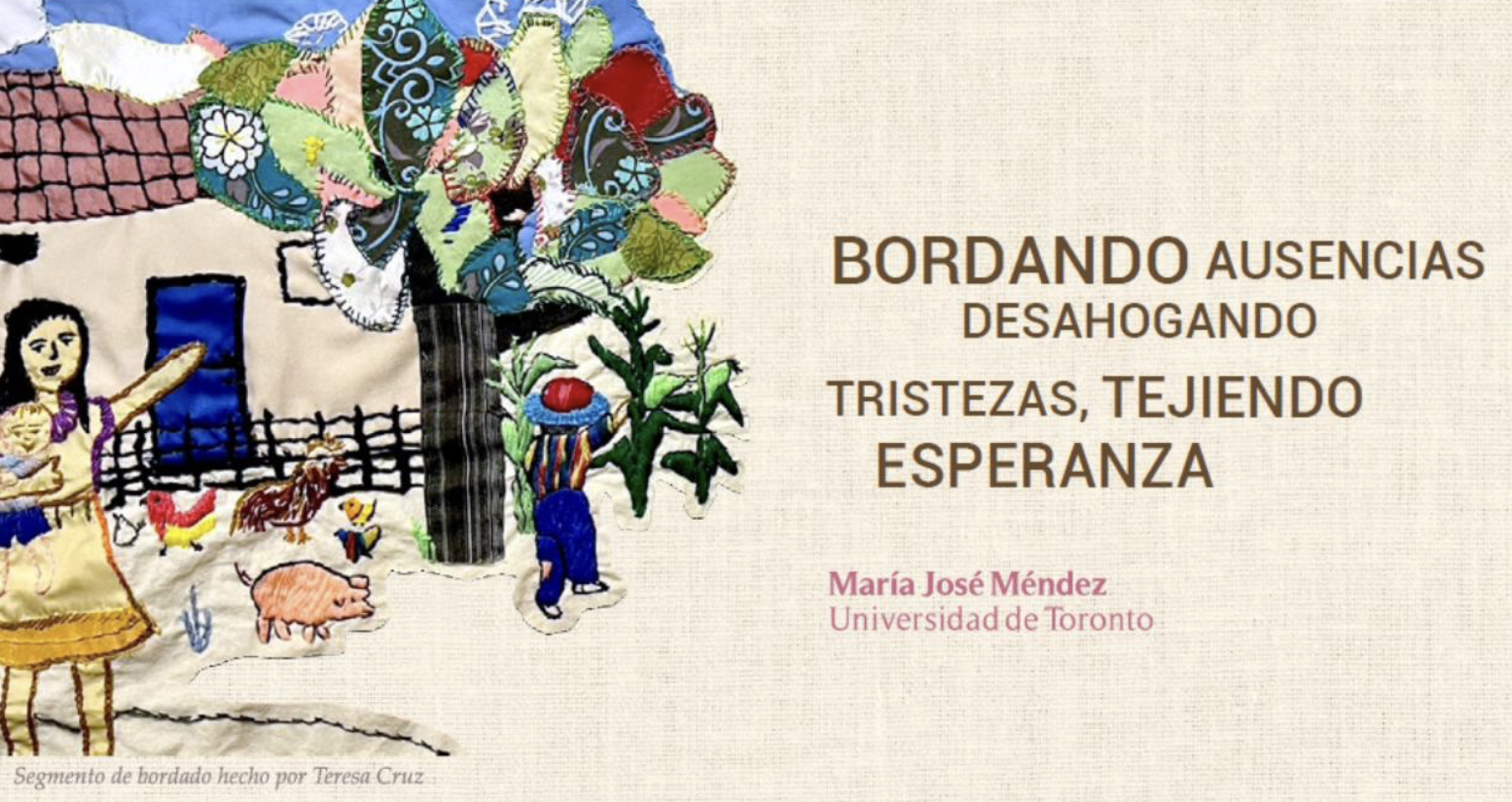
In the darkest years of El Salvador’s Civil War, when cameras and notebooks were banned from refugee camps, Salvadoran women turned to one of the few tools they still had: embroidery. What had once been a domestic craft — stitching rural motifs like flowers and birds onto flour-sack blankets — became a powerful way to record the terror the world refused to see. Women who were displaced to the Mesa Grande refugee camp in Honduras, began embroidering scenes of burned homes, massacres, and frantic escapes, which were then sent abroad to denounce human rights violations. These cloths traveled in secret, smuggled out under clothes and in bundles of laundry, sometimes even appearing as evidence in asylum hearings when photographs were unavailable.
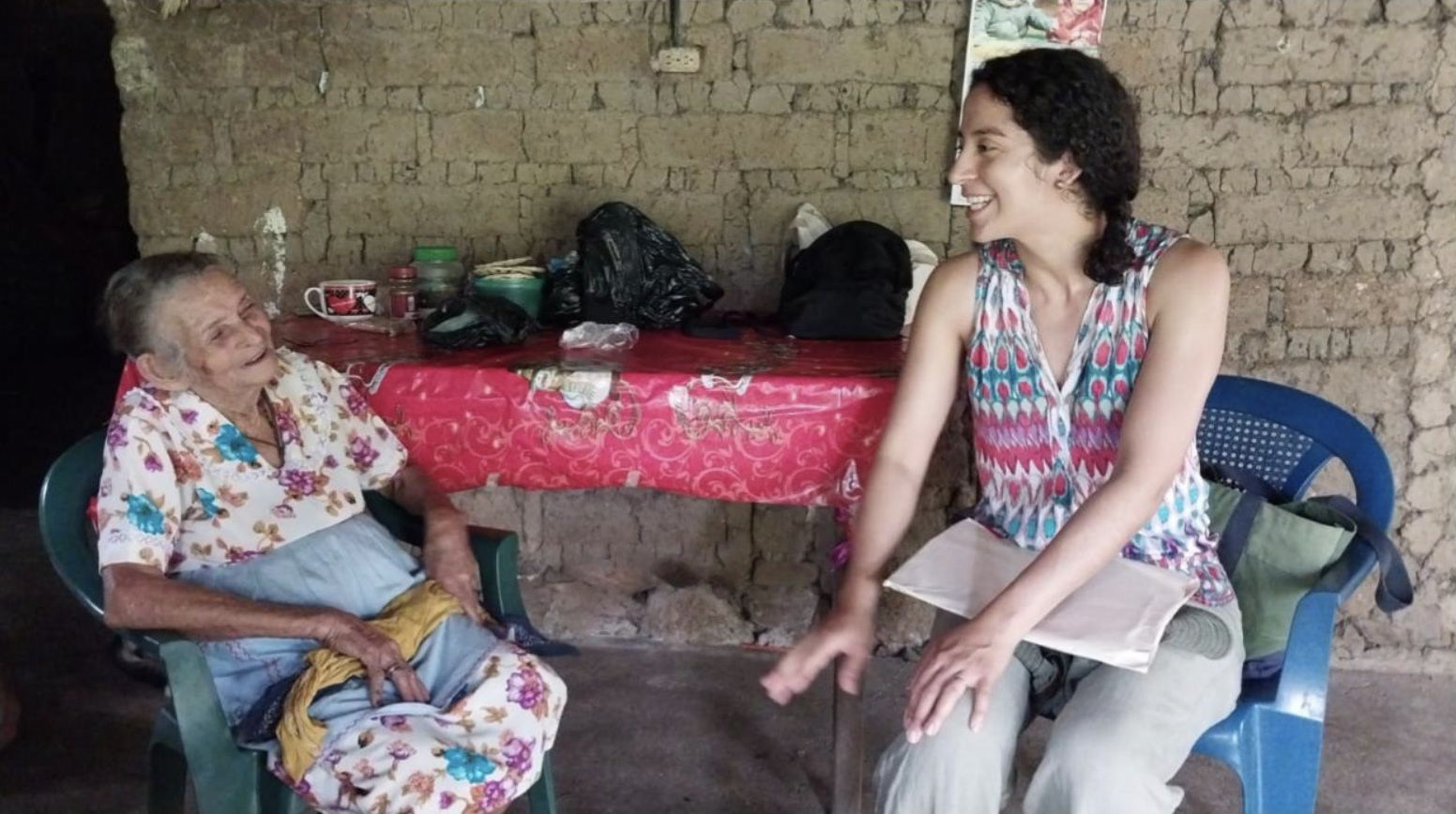
The paper by María José Méndez, published in MUPI’s Trasmallo magazine, draws on oral histories with Salvadoran women who took refuge in Mesa Grande to trace the story of these embroideries. It shows how women’s memory work functioned on multiple levels: as political denunciation, as historical record, and as a form of community therapy. In group embroidery sessions, women, children, and elders turned unspeakable memories into images, releasing grief and piecing together a sense of belonging and hope in the midst of trauma. Decades later, the same practice continues in Chalatenango, El Salvador, through groups like Mujeres Vueltenses Bordando Historias [Women from Las Vueltas Embroidering Stories], where mothers, daughters, and grandmothers embroider scenes from the war together. By foregrounding women’s memory work and treating these textiles as historical documents that center everyday life, the essay invites us to expand the understanding of the history of the war and who gets to write it.
The Surviving Memory in Postwar El Salvador research initiative is supported in part by funding from the Social Sciences and Humanities Research Council of Canada, Western University, University of Toronto, the Museo de la Palabra y la Imagen, the Canadian Foundation for Innovation, and the Ontario Research Fund.