
Food in Chalatenango: Stories of Plants and Chalateca Foods
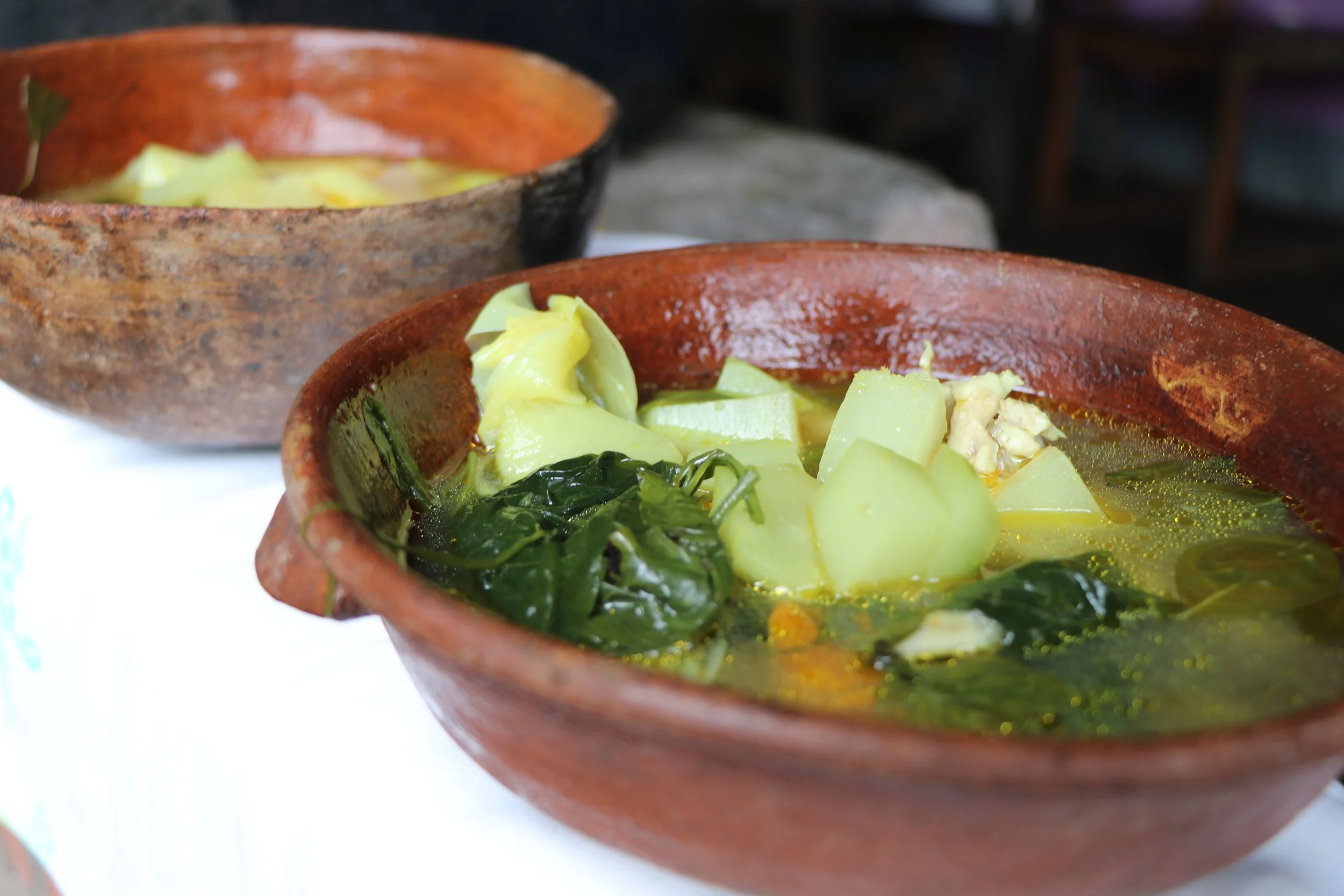
What if we told stories of the Civil War in El Salvador alongside plants and food ingredients? What kinds of stories would be written? A multidisciplinary team made up of academics and local Salvadoran leaders is exploring these ideas in a community-based project in Chalatenango.
Memory and food recipes
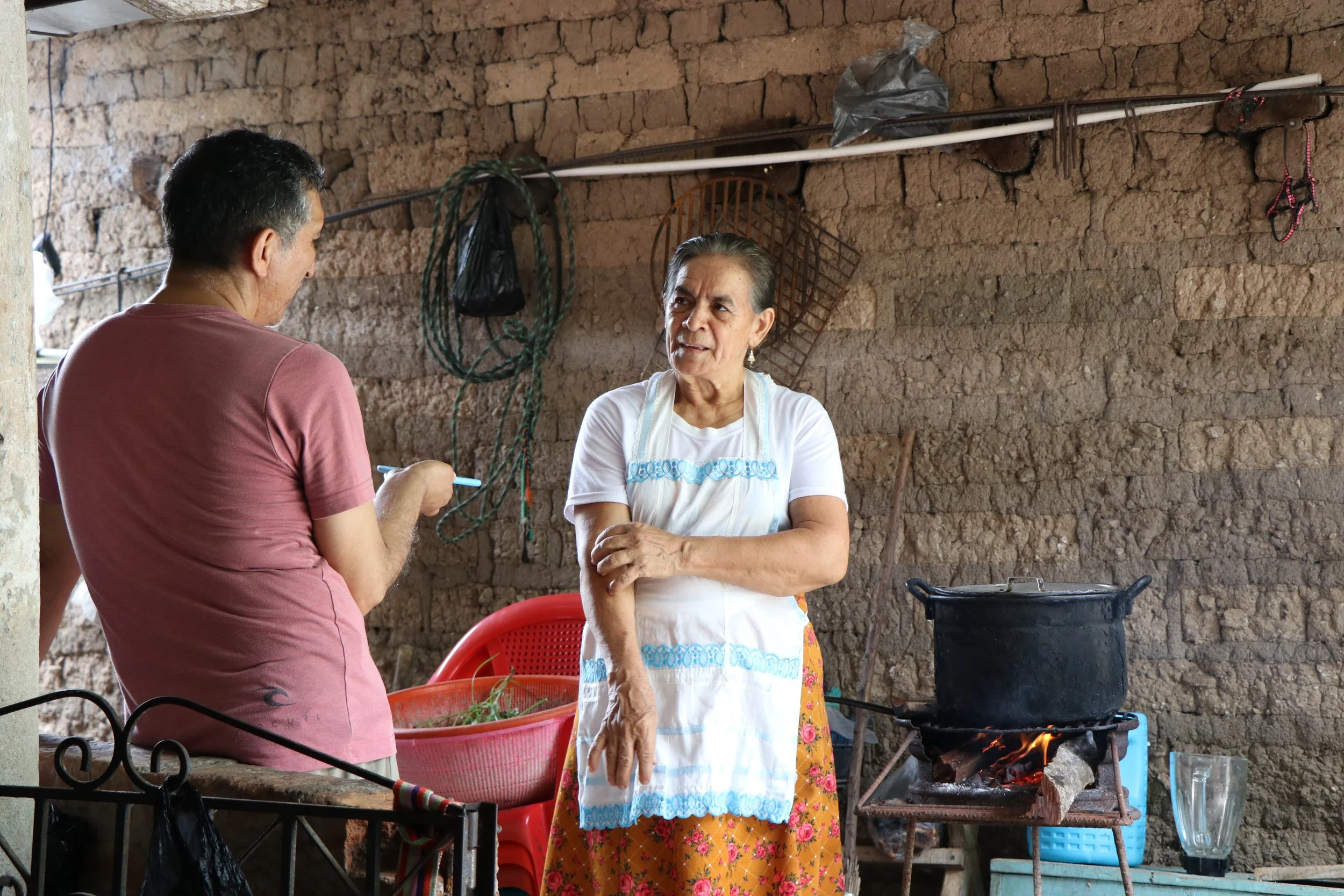
Since 2025 we have been exploring the role that plants and ingredients used in the preparation of local food recipes play in the expression and reactivation of personal or collective memory in Chalatenango.
In the literature on memory, it is widely recognized that smell links odors to memory, and that olfactory memory is more lasting and intense than memory related to images or sounds.
The stories we are writing reflect people’s everyday lives before, during, and after the Civil War. Stories of people intertwined with the stories of cultivated and wild plants. Stories of suffering, but also of the resilience of both humans and nature.
The project will conclude in 2027 with the return of the information to the communities through the publication of a community book. We hope this book will help people understand the Salvadoran Civil War from a different perspective.
About the authors
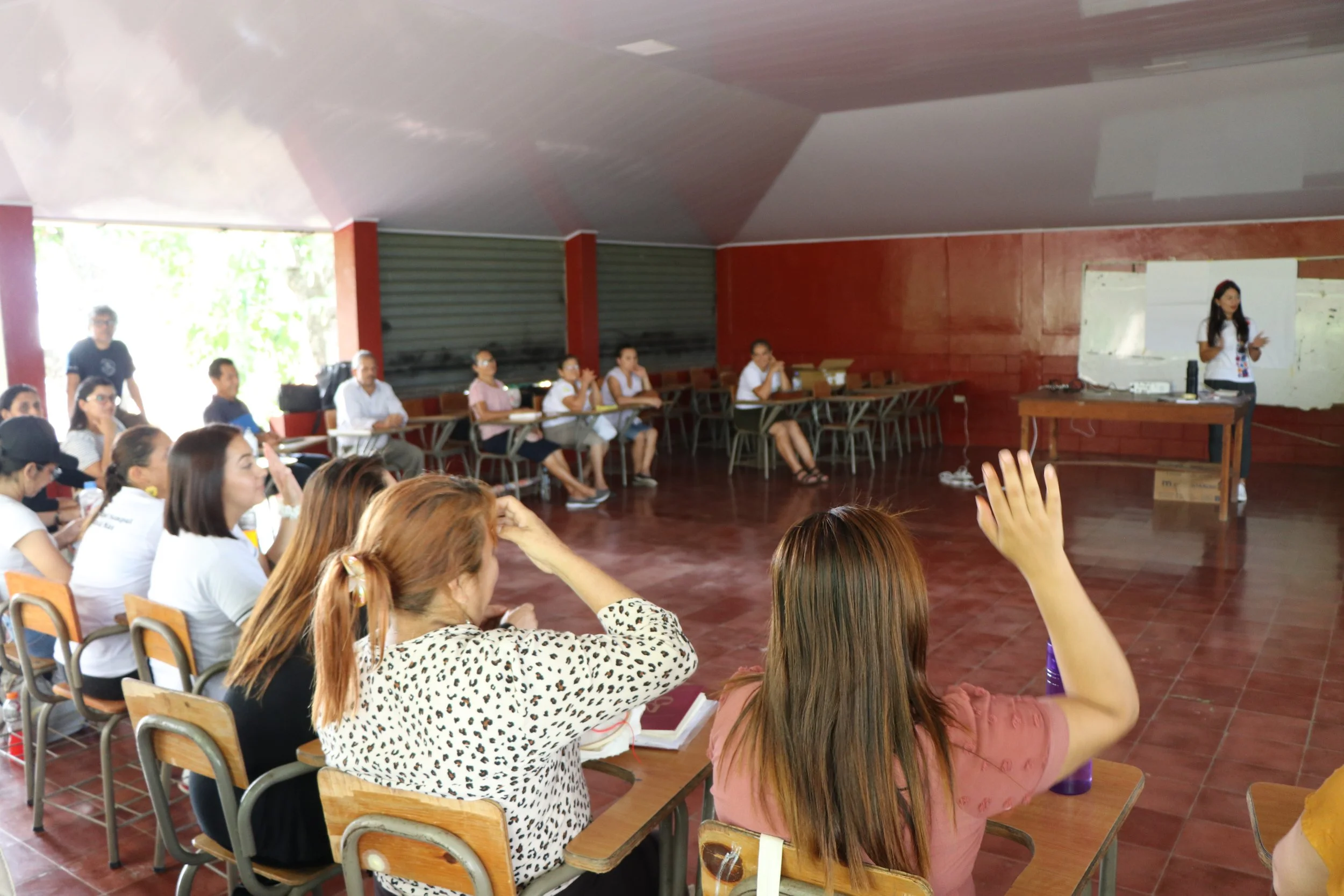
The research team is composed of Alain Carretero (ethnobotanist at Aarhus University), Adriana Alas Lopez (anthropologist at Western University), Carlos Alberto Elías Ortiz (botanist at the University of El Salvador), Rosa Lilian Lopez (social worker at the Association of Communities for the Development of Chalatenango, CCR), and Meilyn Leiva (nutritionist, independent professional).
The Surviving Memory in Postwar El Salvador research initiative is supported in part by funding from the Social Sciences and Humanities Research Council of Canada, Western University, Aarhus University, the Canadian Foundation for Innovation, and the Ontario Research Fund.