
Co-Creating Youth Mental Health Support in Arcatao
Since 2023, the Global Minds Collective has collaborated in Chalatenango, El Salvador, with young adult community leaders to identify mental health priorities and bring to fruition the organization’s Mindful Social Innovation Lab (MSI) programming to local communities. Over a two-year period, Global Minds, through the collaboration of researchers Alejandra Aguilar and Juan Carlos Jimenez, have led key informant interviews, focus groups, and co-design workshops with young adult leaders in the communities and districts of Arcatao, Nueva Trinidad, San Jose las Flores, Guarjila, Guancora, Las Minas, and Las Vueltas.
Through this collaborative work, community leaders identified significant stressors in the lives of young people in Chalatenango, and the absence of mental health support for the general population. Despite these limitations, leaders also identified a key asset in this region; community organizations and programming for young adults have been a vital space for young people to find community and belonging and have served as important vehicles for facilitating communal wellbeing in times of stress and crisis.
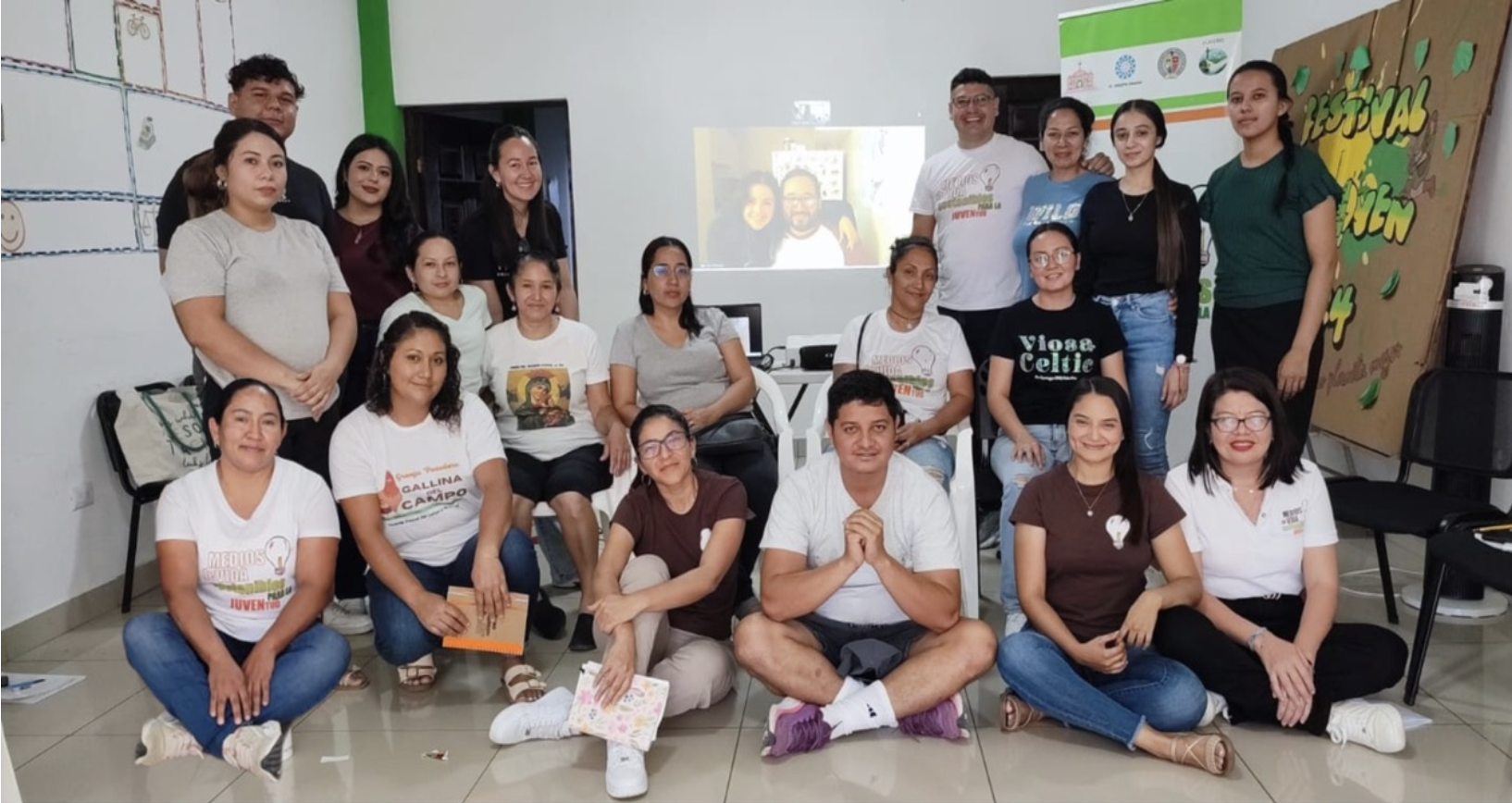
Photo 1. Participants and facilitators during a Mindful Social Innovation Lab session in Arcatao.
Working with Medios de Vida
In November 2025, our team began working in Arcatao with a local program called Medios de Vida Sostenibles para la Juventud [Sustainable Livelihoods Initiative], to co-facilitate the Mindful Social Innovation Lab. Medios de Vida Sostenibles para la Juventud is a local program in Arcatao that supports young people in creating livelihood opportunities by providing seed funding for small business incubation, entrepreneurial training, and emotional accompaniment as young people begin their businesses.
Medios de Vida was born out of local community efforts and collaboration between the local Catholic Church and its sister parish in Seattle, Washington. The program supports young people in their life trajectories and provides a credible option for staying in the community without having to migrate illicitly to the United States or leave the community for livelihood. Our intention in working with Medios de Vida in Arcatao is to implement a prototype of the Mindful Social Innovation Lab (MSI)that can be replicated with other community organizations in Chalatenango.
What Happens in the MSI Lab?
Our sessions have brought participants in Medios de Vida’s programming, and other young adults involved in local community organizations, together to learn about and practice mindfulness, finding ways to incorporate mindfulness in our daily lives, community engagement, and activism.
Participants come together and practice breathing exercises, gratitude, equanimity, conscious listening of our surroundings and our bodies, and peaceful meditation. Participants in our sessions have been very keen in collaborating with us, sharing beautiful anecdotes of their community activism and their means of practicing mindfulness and gentle meditation in their daily lives.
Young people have also shared important memories of past hardship, and as a group, we have been able to hold space to process these difficult emotions. These sessions have served as a space for emotional support amongst participants and a means of sharing happiness, resilience, and meaningful community building. These sessions are also accompanied by snacks, coffee, a warm lunch, and often done in spaces close to nature.
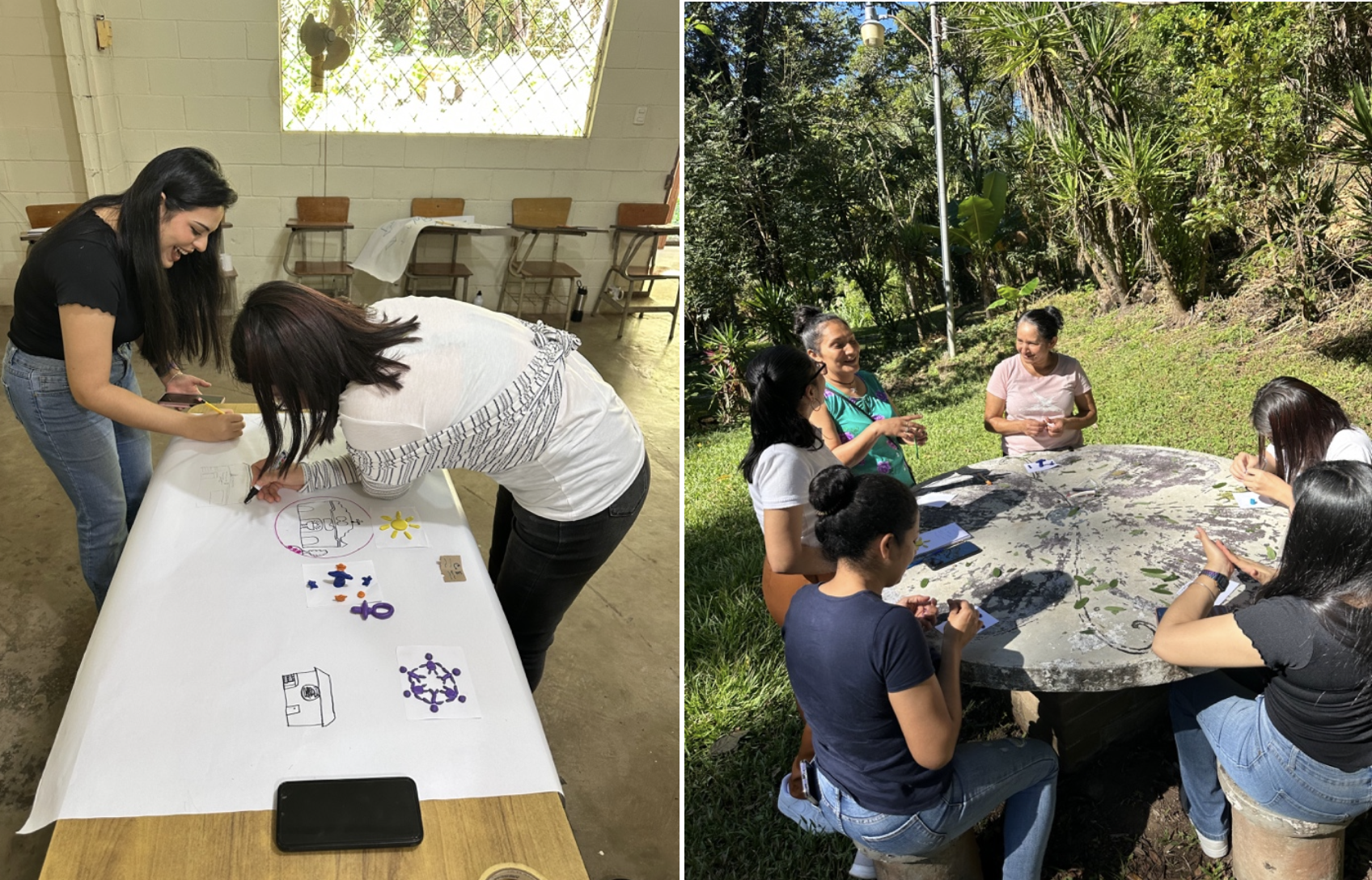
Photos 2-3. Young participants engage in mindfulness and collective reflection activities during an MSI Lab session.
Co-Designing Community Mental Health Interventions
The Mindful Social Innovation Lab, along with mindfulness and meditation, also provide space for imagining and planning a social innovation that responds to mental health needs identified by community leaders and participants through this programming and previous field work.
In these sessions, after having practiced mindfulness and meditation as a group, our participants and facilitators then begin co-imagining potential community projects that could be done to support mental health and wellbeing in the community. This is done through a variety of co-design strategies, including community mapping, brainstorming activities, storyboarding, and learning about trauma informed approaches and community-based programming, Given the fact that many participants are community leaders involved both in Medios de Vida and other community spaces, including women’s and young adult associations, participants have come up with a flurry of possible mental health interventions, based on the realities and needs of the teritory.
Looking Ahead
The Mindful Social Innovation Lab is coming to its mid-way point in Arcatao. Participants have come up with brilliant intervention ideas, many of whom emphasize the need for recreational community spaces for young people in Arcatao, especially a community center with a gym, library, recreational programming for young people and other community members.
Continued facilitation of a space of mindfulness, healing, peace is envisioned, along with uplifting the ideas and approaches of local community activists in Arcatao. The incorporation of additional community-recreation activities is also plannedas part of our Mindful Social Innovation pedagogy, in collaboration with Medios de Vida Sostenibles para la Juventud.
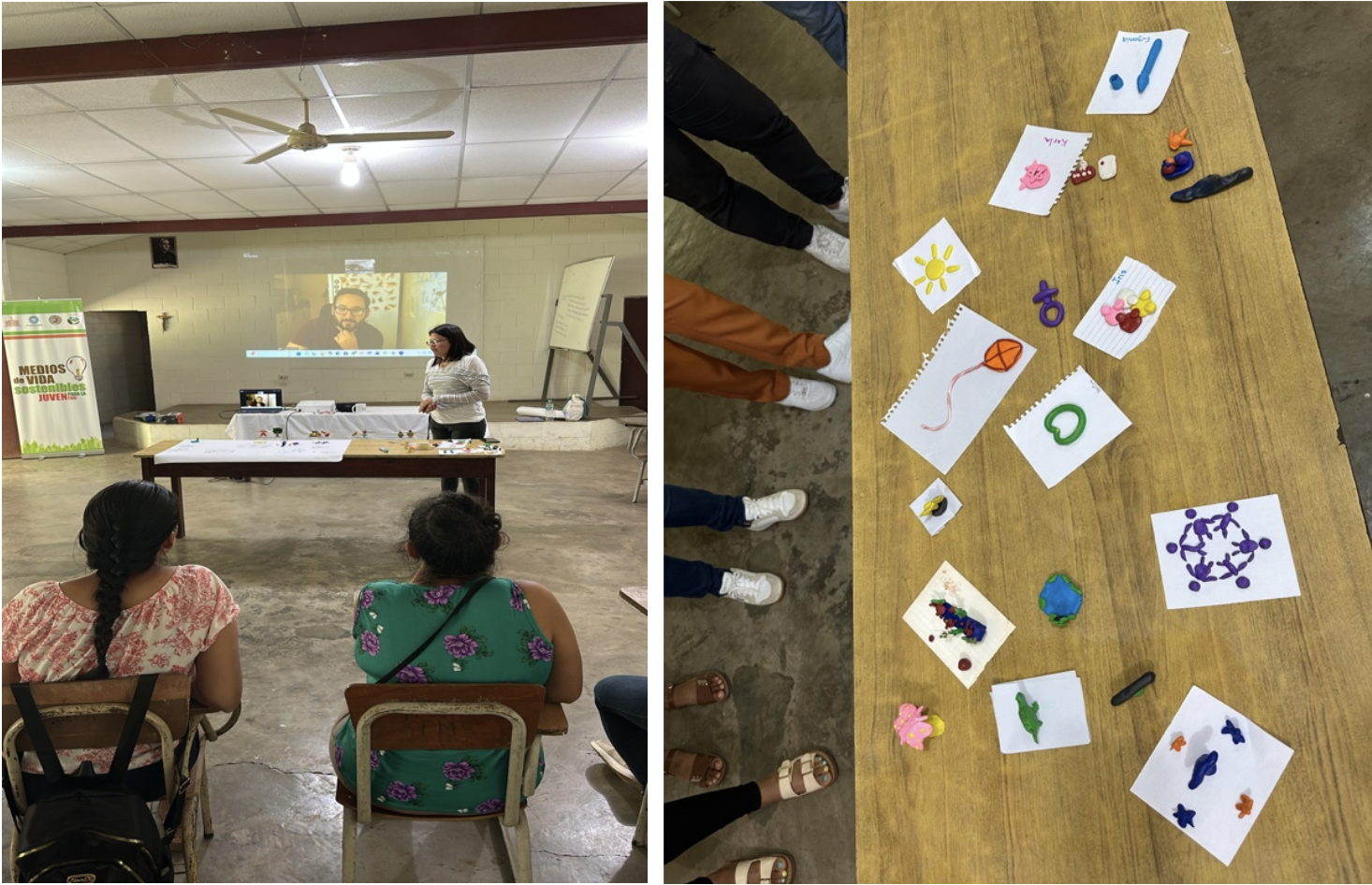
Photos 4-5. Community-based learning, reflection, and connection remain central to the MSI Lab process in Arcatao.
The Surviving Memory in Postwar El Salvador research initiative is supported in part by funding from the Social Sciences and Humanities Research Council of Canada, Western University, the Global MINDS Collective, the Canadian Foundation for Innovation, and the Ontario Research Fund.