
Community Conference on Memory, Trauma, and Mental Health
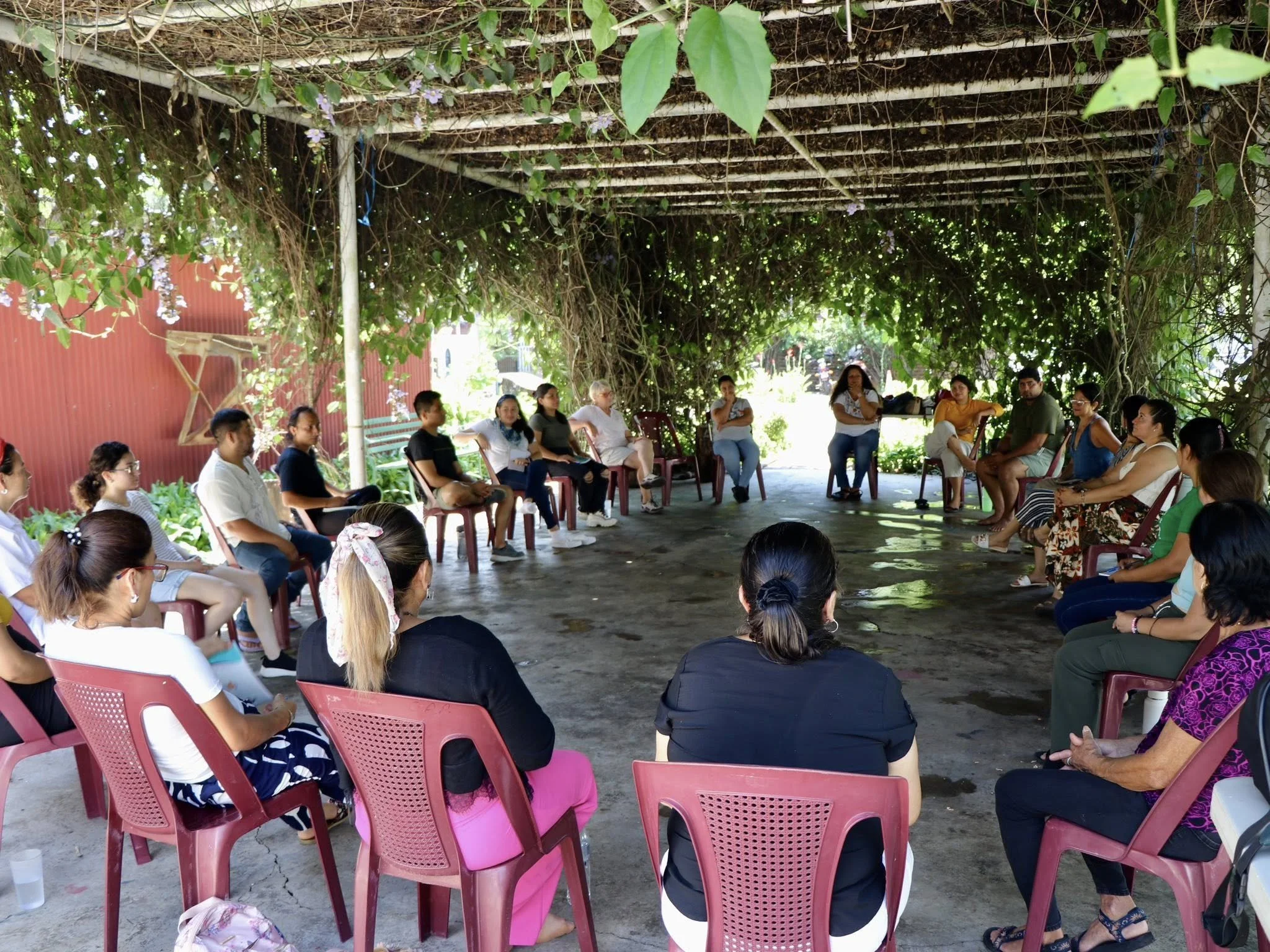
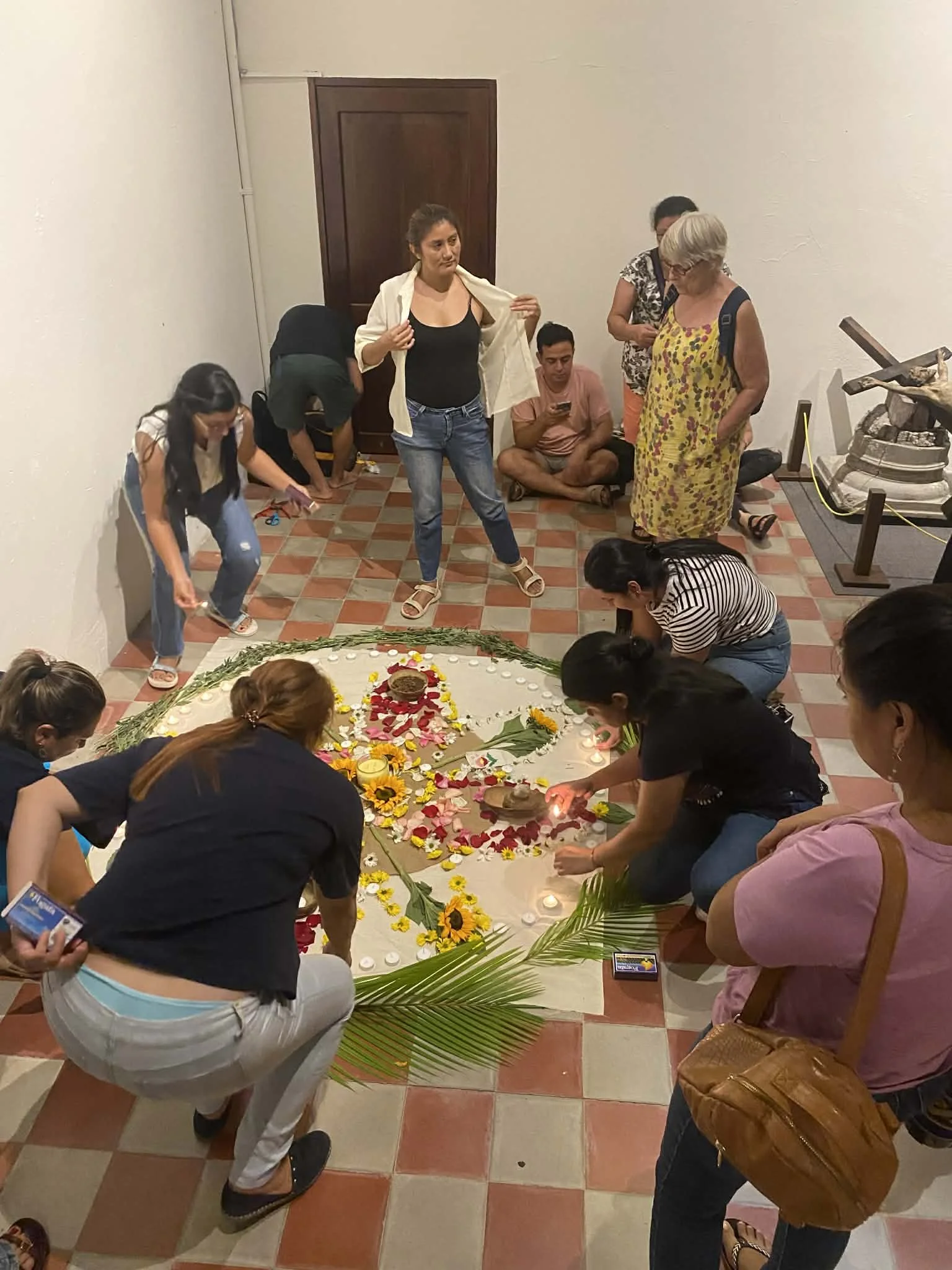
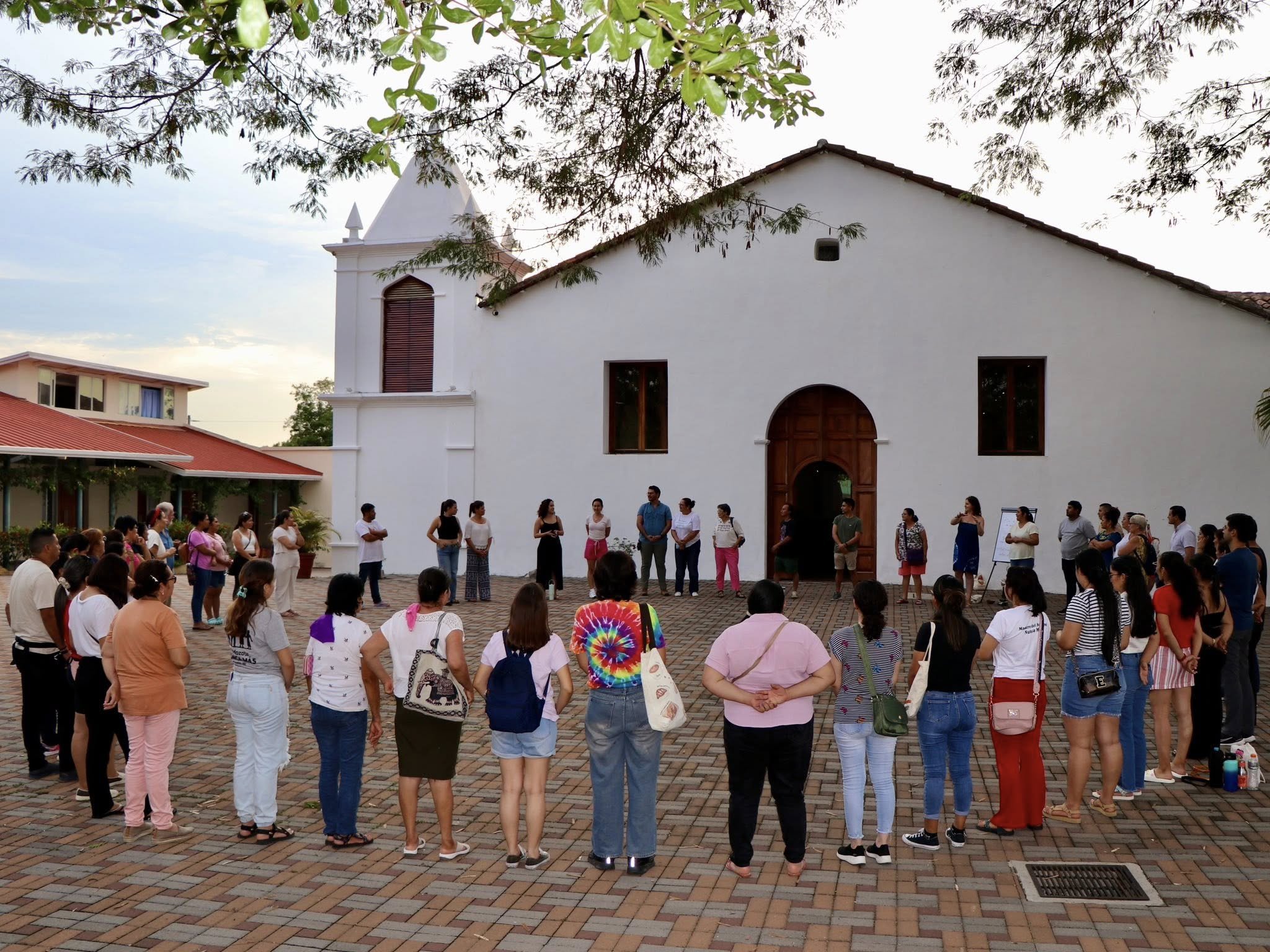
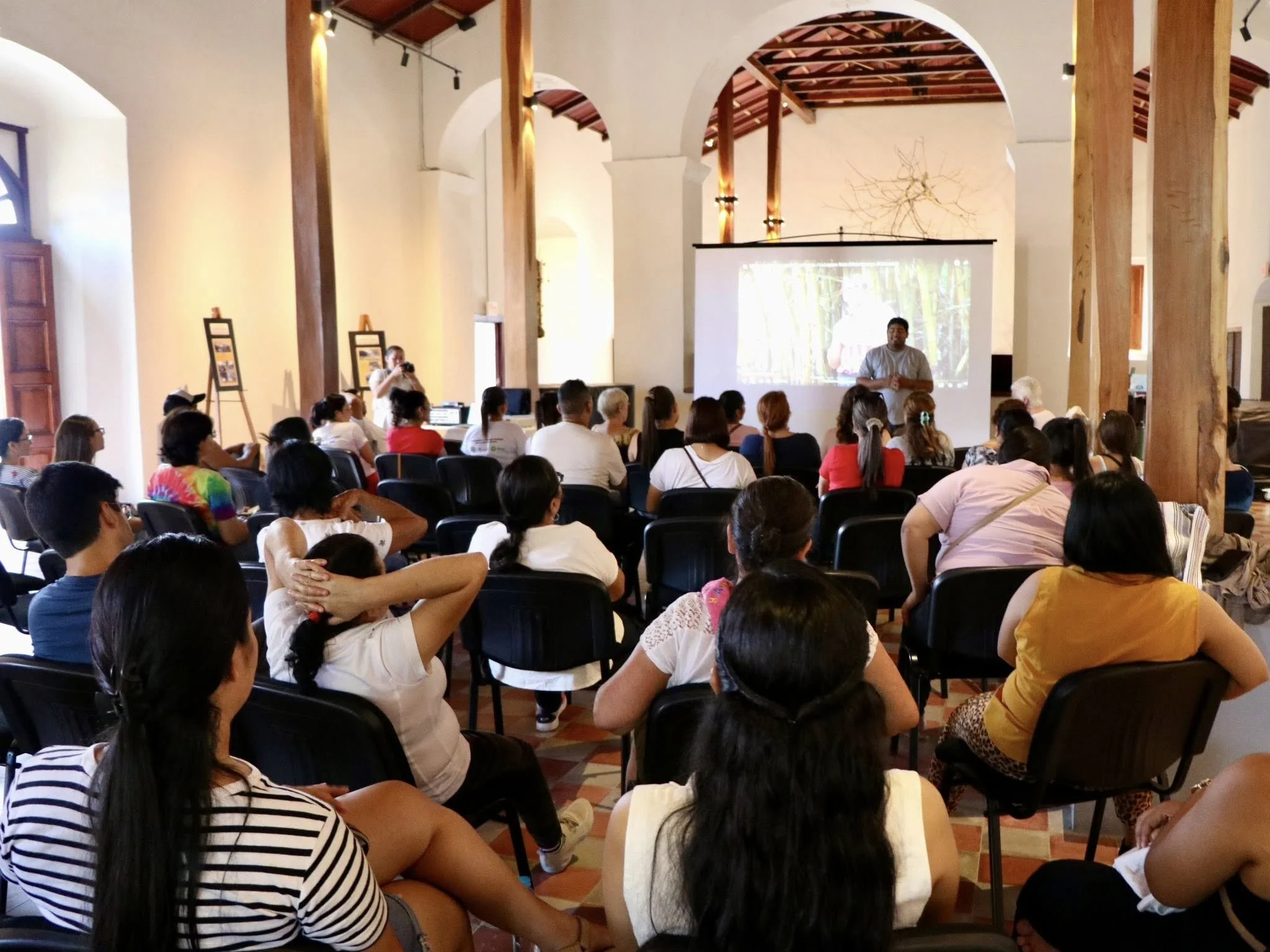
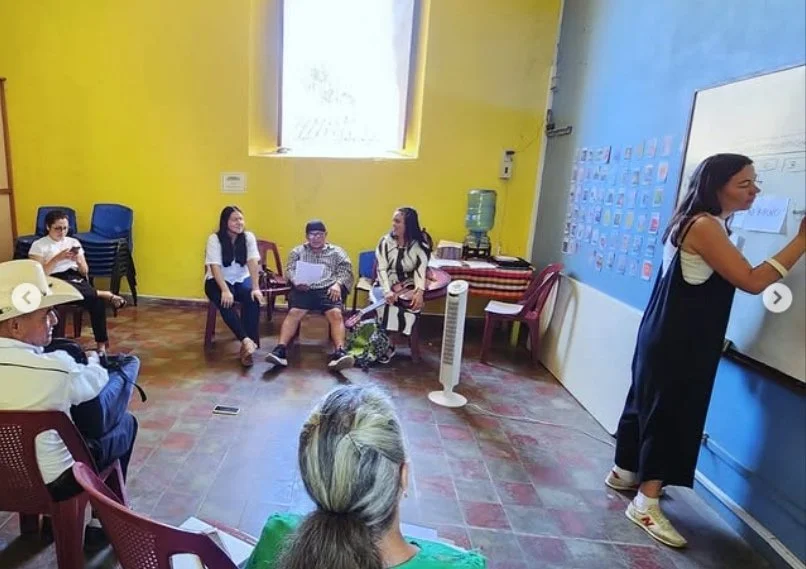
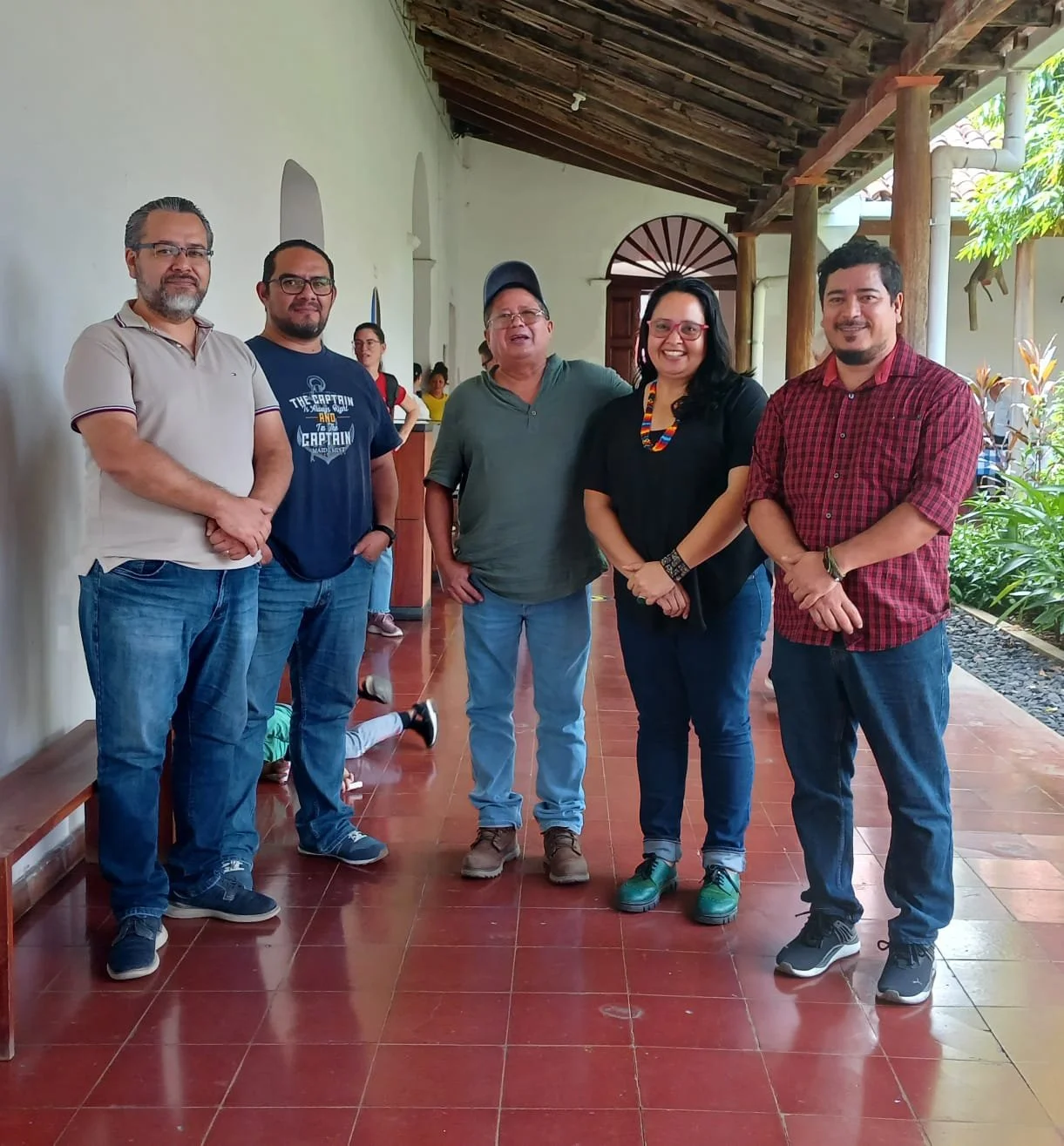
In May 2025, the Surviving Memory in Postwar El Salvador project co-organized the conference “Memoria, Trauma y Salud Mental: Intercambio de Experiencias para la Praxis Comunitaria e Intergeneracional II” in Suchitoto, El Salvador. The event brought together 65 participants, including community leaders, health professionals, artists, educators, and researchers from El Salvador and international partner organizations, to exchange experiences and strategies for addressing the long-term psychological and social impacts of war and violence in post-conflict communities.
Building on the first conference organized in Arcatao in 2023, the gathering created a space for dialogue between community-based practitioners and mental health professionals working in rural regions affected by the Salvadoran Civil War. Workshops and discussion sessions explored a range of topics including trauma and memory, community-based mental health practices, the role of art and storytelling in healing processes, youth engagement, and strategies for strengthening local support networks.
Participants emphasized the importance of culturally grounded and community-driven approaches to mental health that integrate historical memory, collective care, and intergenerational dialogue. The outcomes of the event will contribute to a bilingual research report documenting key insights and recommendations for future community-based mental health initiatives in the region.
The Surviving Memory in Postwar El Salvador research initiative is supported in part by funding from the Social Sciences and Humanities Research Council of Canada, Western University, the Canadian Foundation for Innovation, and the Ontario Research Fund.
Music Team works on song archive, songbooks, and article publications
The Music team of the Surviving Memory project continues their work to document songs about the civil war, while also publishing new research about their findings.
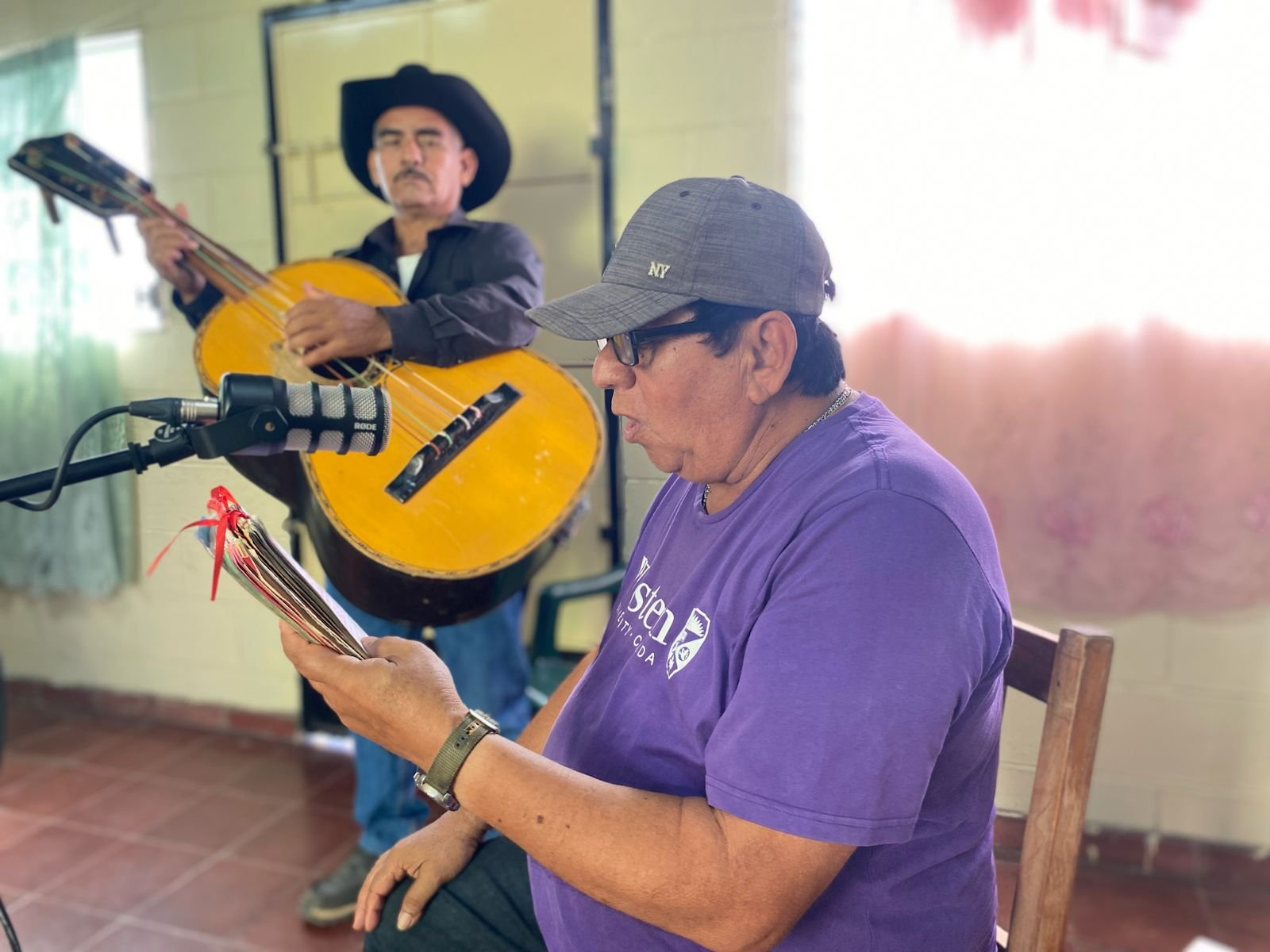
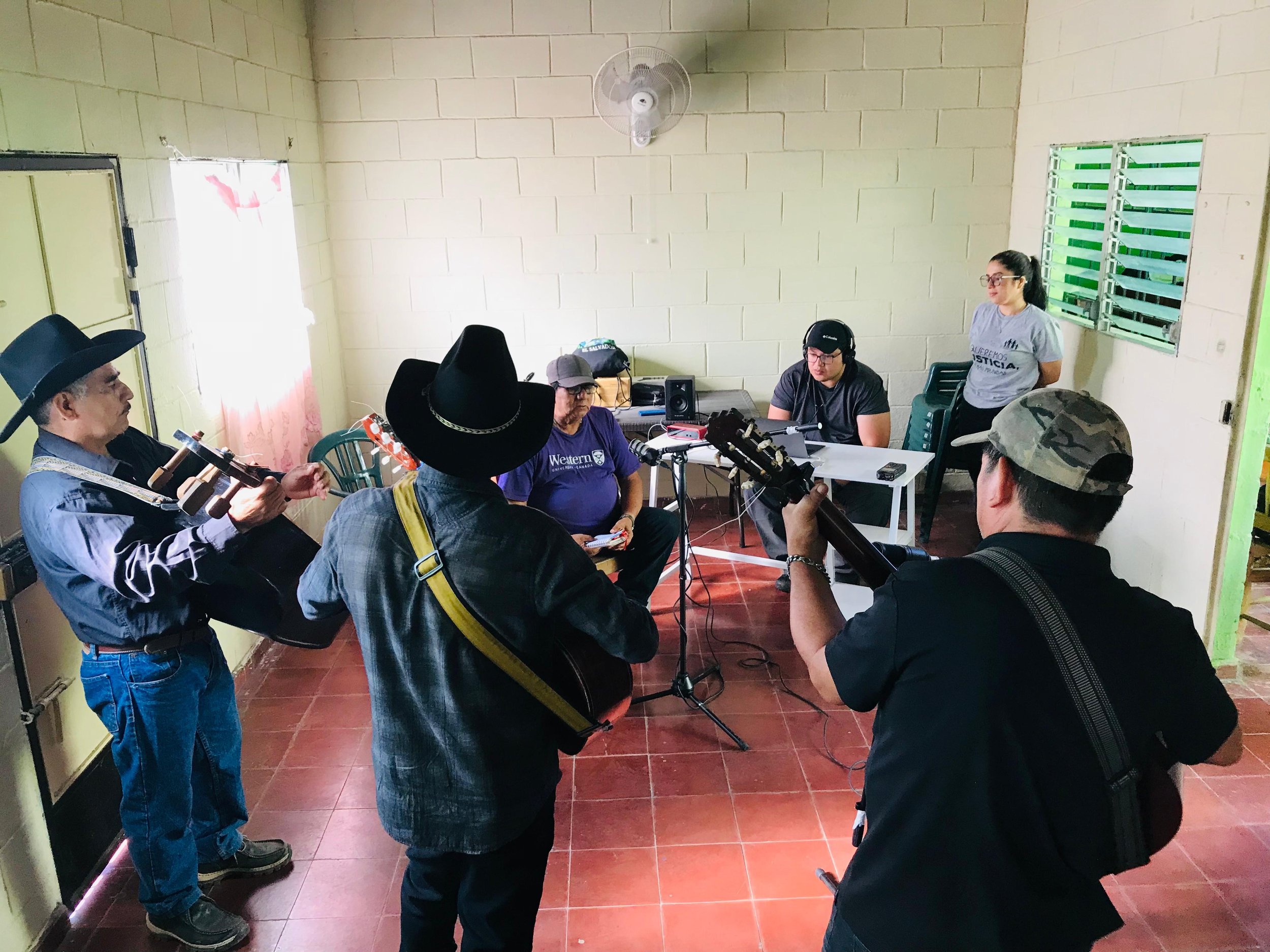
Work continues to build a digital archive of songs from the war. Joel Martinez has spent several years supplementing our historical collection with new recordings of remembered songs from the war. He, Tata Méndez, and Emily Abrams Ansari are working together to build an archive that will effectively serve the needs of the community, helping to educate future generations about the war. This week, Tata is in El Salvador sharing a prototype for the archive design in workshops in Suchitoto.
Also this week, Giada Ferrucci and Emily Abrams Ansari published an article about wartime singer-songwriter, Norberto “Don Tito” Amaya in the online magazine, Revista Elementos. This article also describes the recent Rio Lempa commemoration and the use of music at that event.

This Spanish-language article is based on a longer scholarly publication, in English, which they published last month in the Journal of the American Musicological Society. “Faith, Trauma, Resistance, and Resilience in the Revolutionary Songs of Civil War El Salvador” argues that revolutionary song served both as a political and a psychological tool for wartime campesinos and campesinas. (A non-firewalled pre-publication version is available here.)
Joel Martinez has meanwhile been hard at work stewarding two songbooks toward publication.
A songbook created by the community of Las Vueltas, Cancionero sobre Memoria Histórica Las Vueltas, is now available on the project website and will soon be printed. The online e-book includes clickable links to recordings of performances of the selected songs made by the Music Committee in Las Vueltas. We thank Kayla MacInnes for her work on the book’s beautiful design, Imelda Mejía for the embroidery that graces the front cover, and Nelson Rodriguez for his evocative drawings.

Joel is also working with Felipe Tobar, a founder of the Surviving Memory project and former Asociación Sumpul (Sumpul Association) president, to create a songbook and recordings of his own songs. Tobar is a survivor of two wartime massacres. He has written a huge collection of songs that commemorate the war in recent years.
First Student-Led Research Forum
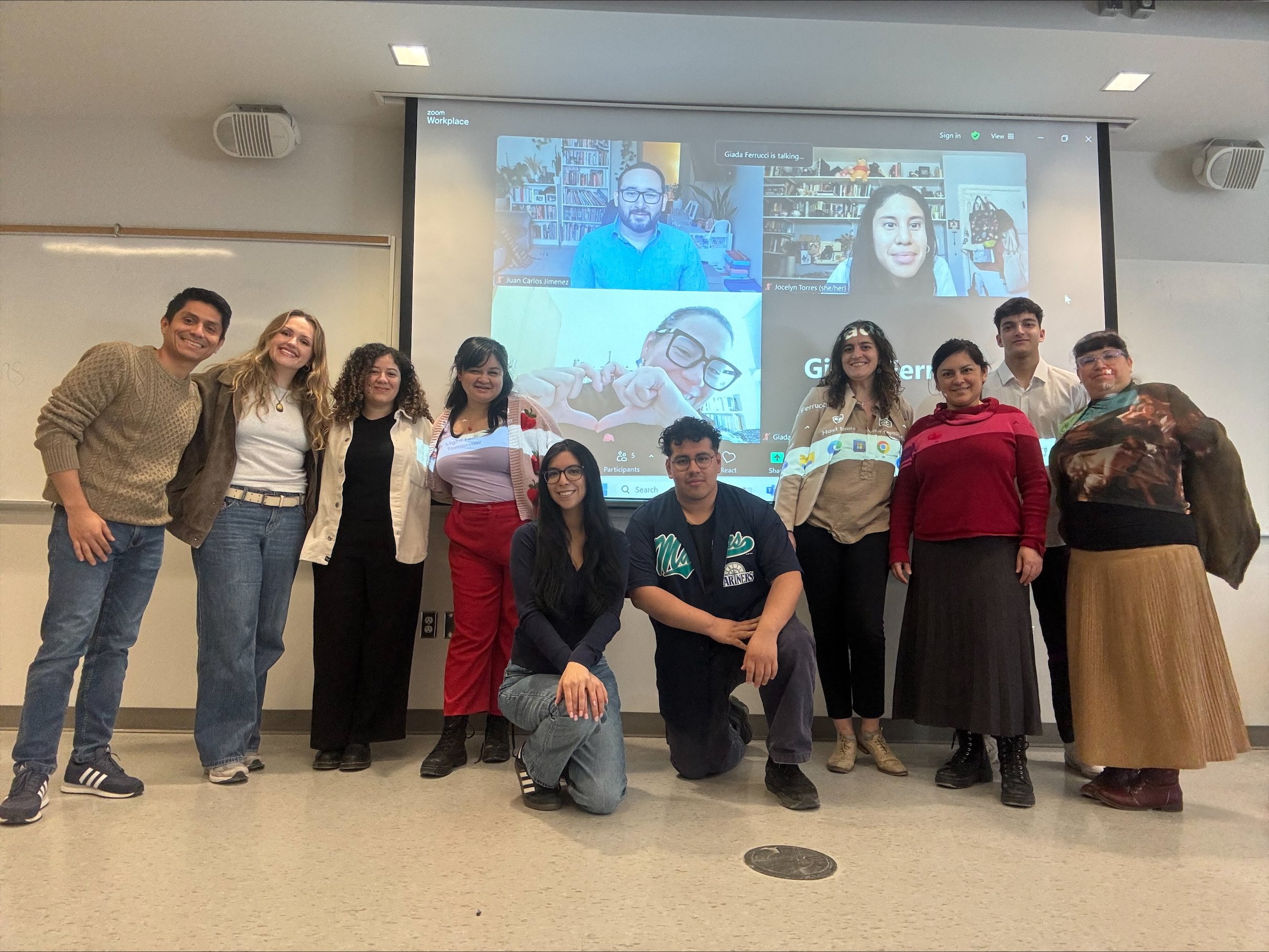
In April 2025, students involved in the Surviving Memory in Postwar El Salvador project organized the first Student-Led Research Forum at Western University. The event created a collaborative space for undergraduate and graduate students to present research connected to the project’s core themes, including historical memory, environmental justice, community archives, and participatory research methodologies. Presentations highlighted ongoing work on archival digitization, diaspora memory, environmental histories of the Salvadoran Civil War, and community-based approaches to documenting memory and resistance.
The forum brought together students, faculty members, and community collaborators, encouraging dialogue between emerging scholars and experienced researchers. Through panel discussions and presentations, students shared insights from their research while reflecting on the ethical and methodological challenges of working with community archives and histories of violence. The event also served as an opportunity to strengthen mentorship networks within the project and to highlight the important role of student researchers in advancing collaborative and community-engaged scholarship.
The Surviving Memory in Postwar El Salvador research initiative is supported in part by funding from the Social Sciences and Humanities Research Council of Canada, Western University, the Canadian Foundation for Innovation, and the Ontario Research Fund.
Evelia Macal and Harold Fallon meet with Pope Francis in Rome

Within the framework of the UNISERVITATE 2024 Solidarity Service and Learning Award, won by KU Leuven in collaboration with José Simeón Cañas Central American University (UCA) for “Surviving Memory in Postwar El Salvador” architecture class, Evelia Macal and Harold Fallon had an audience with Pope Francis in Rome on Saturday, November 9, 2024.

Macal presented the pope with an embroidery of the Sumpul River Massacre made by survivor Rosa Rivera, who is part of Mujeres Vueltenses Bordando Historia [Las Vueltas Women’s Embroidery Collective] (also a Surviving Memory initiative). Harold Fallon presented the pope with a dedicated copy of the community book Memorias del Sumpul [Memories of the Sumpul], published in 2019 by Asociación Sumpul [Sumpul Association] in collaboration with Dorotea Mölders. The book includes the history of the Sumpul River Massacre, testimonies of survivors, and information about the preliminary design of the memorial, completed in 2024 in collaboration with AgwA architects, KU Leuven, Asociación Sumpul, and Western University. The memorial was funded, in part, by the Social Sciences and Humanities Research Council of Canada (SSHRC), LiUNA OPDC, LiUNA Local 183, the Loretto Sisters of Toronto, and the Arthur Fallon Memorial Fund.

The dedication in the book reads: "To His Holiness, Pope Francis, on behalf of Asociación Sumpul, the organized communities of the region, and the Surviving Memory in Postwar El Salvador project, with the hope that solidarity actions and prayers will bring justice and lasting dignity, especially in this context of denialism and growing authoritarianism that overwhelms so many people in the world. Rome, November 8, 2024."
Pope Francis was moved by the symbolic value of these gifts and listened with interest to the explanations about the struggles of the Chalatenango communities, in particular, the request for prayer for the end of the state of exception in El Salvador.
Photos: copyright Vatican Media.
Sumpul River Massacre Memorial Exhibition Opens at Centro Arte
It all begins with an idea.
Surviving Memory in Postwar El Salvador’s traveling exhibition "The 14th of May: Memorial for the Sumpul River Massacre" opened on Saturday October 19 at Centro Arte para la Paz. The exhibition commemorates the victims of the 1980 massacre. It presents architectural drawings, scale models, paintings, ceramics, embroidery, linoleum engravings, research works, documentation and video testimonies, that contextualize the vision of the memorial and integrate artistic and pedagogical projects. We invite you to visit the exhibition, which will remain open until 30 January 2025.
This collective effort is co-financed by the Research Council in Social Sciences and Humanities of Canada (SSHRC), the United Nations Development Program El Salvador (UNDP), KU Leuven and UCLouvain Universities (Belgium), Western University (Canada), the Belgian office of architecture AgwA and the Centre Culture of Spain in El Salvador. Count on the contributions of the University of El Salvador, the Museum of Word and Image and the Sumpul Association.
The activity was attended by members of the communities of Chalatenango, the Sumpul Association, the Cultural Center of Spain in El Salvador, the University of El Salvador, the Museum of the Word and Image among other institutions; as well as representatives of the CAP and some leaders of the communities of Suchitoto.


Help Fund the El Higueral Massacre Memorial
It all begins with an idea.
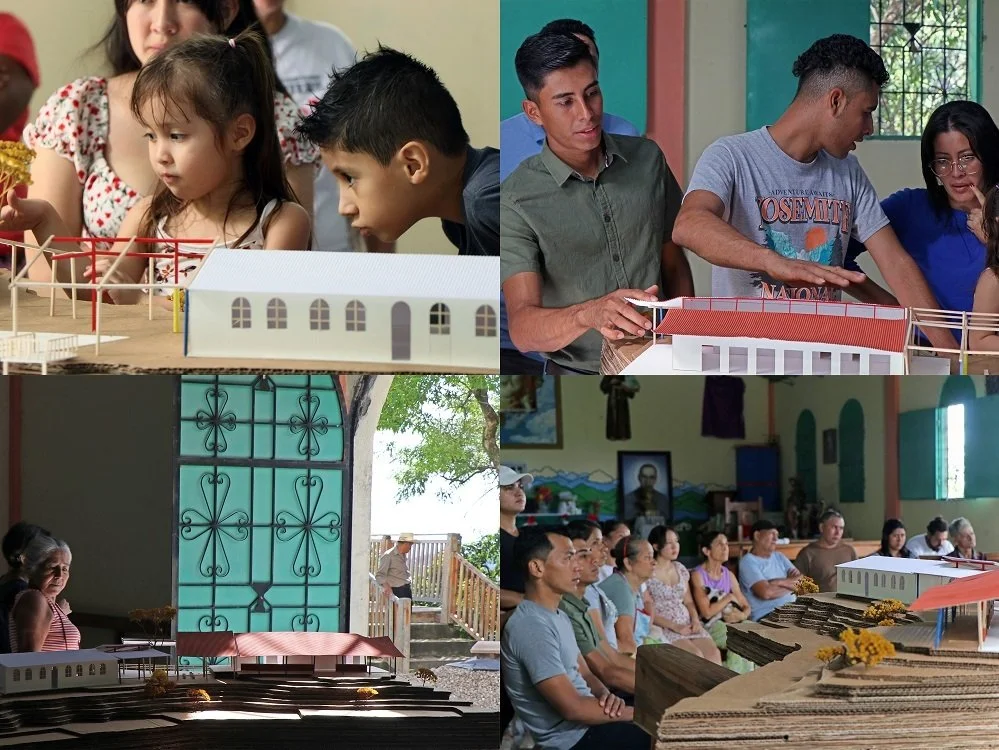
Please consider making a donation to help fund the construction a collaborative memorial to commemorate the El Higueral Massacre. KU Leuven has organized this crowdfunding initiative to support the project. As part of the Surviving Memory in Postwar El Salvador initiative, the memorial was co-designed by Harold Fallon (KU Leuven/AgwA), Evelia Macal, Thomas Montulet (AgwA), and the community of El Higueral. Even small contributions are a huge help! Donate here:
https://donate.kuleuven.cloud/crowdfunding/kuleuven/project/elhigueral?&lang=en_EN
40 Years Since the Gualsinga River Massacre
It all begins with an idea.

On August 28, people from across El Salvador gathered in solidarity with survivors to commemorate the 50 victims of the Gualsinga Massacre. A representative from the Colectivo de Memoria Histórica de Chalatenango [Chalatenango Historical Memory Collective said, “We are here, people from different communities from different parts of the country, to commemorate our fallen sisters and brothers, to accompany and offer our solidarity to the families of the victims and survivors of this massacre, to raise our voices, condemn these atrocious crimes, demand truth, justice and moral and material reparation. Today, 40 years after the Gualsinga Massacre, we are here to say: NEVER AGAIN TO WAR AND YES TO PEACE, TRUTH, JUSTICE AND RECONCILIATION!”
New Community Mural in San José Las Flores
It all begins with an idea.
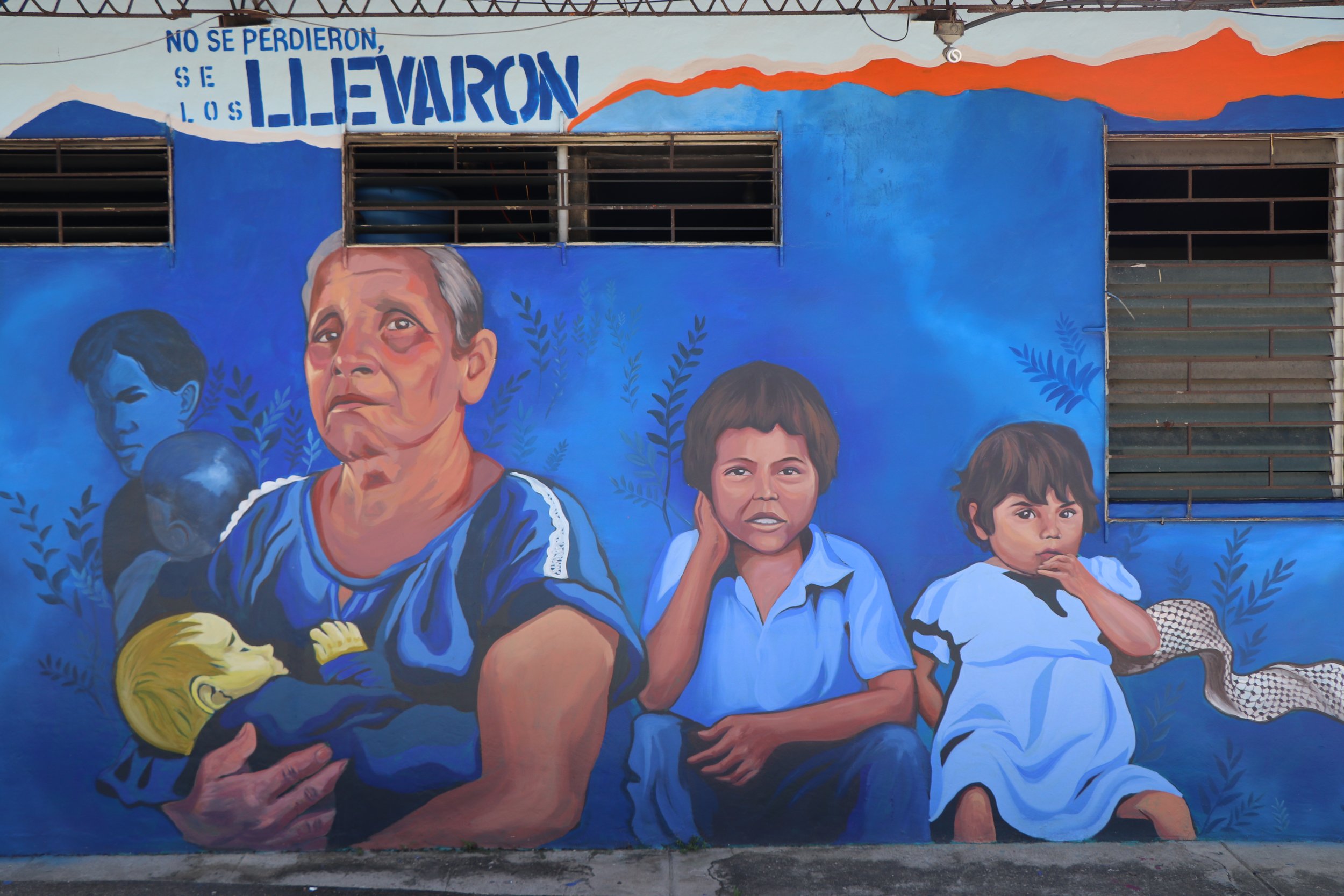
A new mural was unveiled this week in San José Las Flores to honor the boys, girls, and other missing people who were stolen and disappeared during the Salvadoran Civil War, as well as the mothers, fathers, and families who lost their loved ones. The project is a part of collaboration between Matiz Art Collective, the Historical Memory Committee of San José Las Flores, and Surviving Memory in Postwar El Salvador.


