
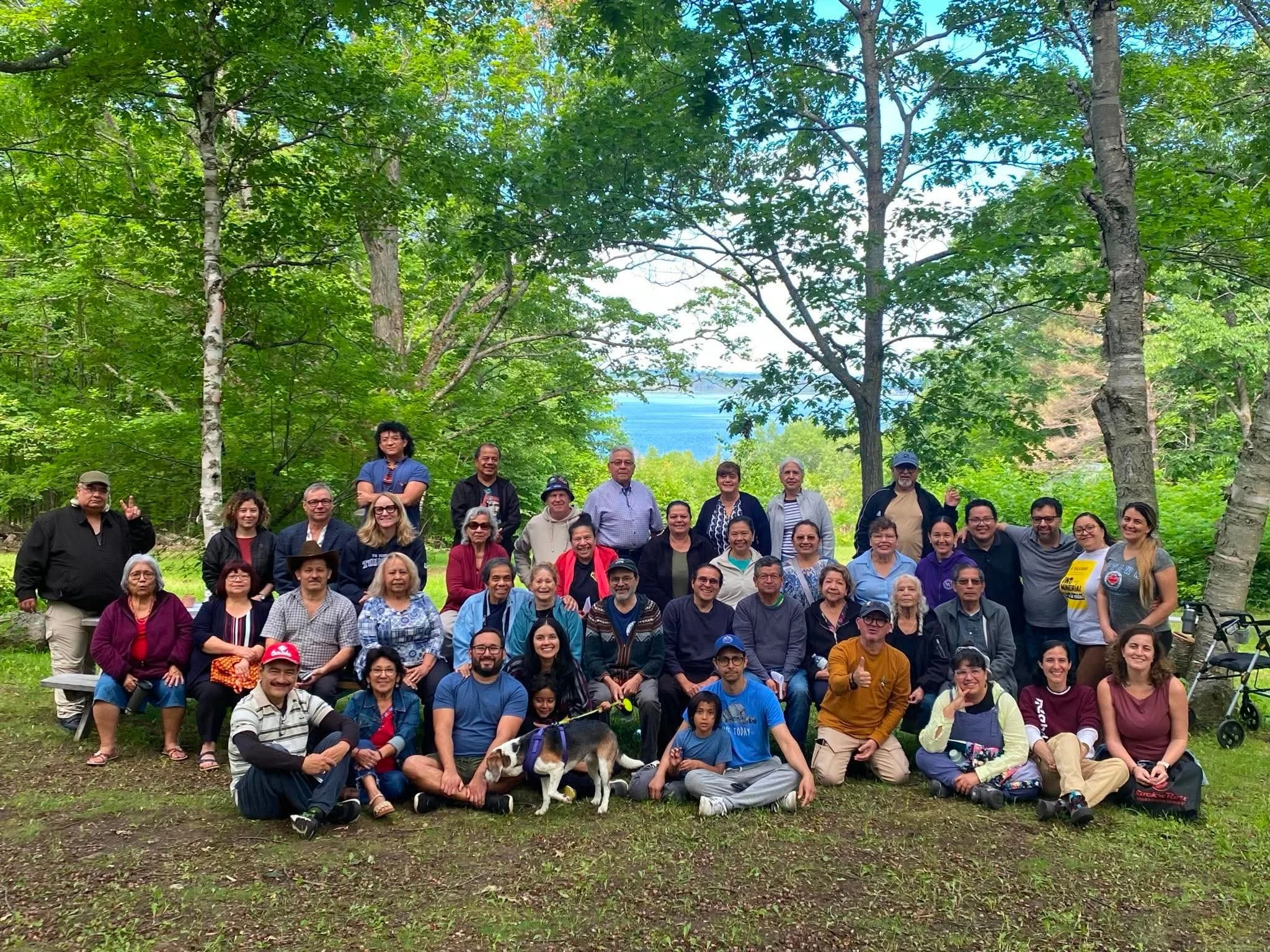
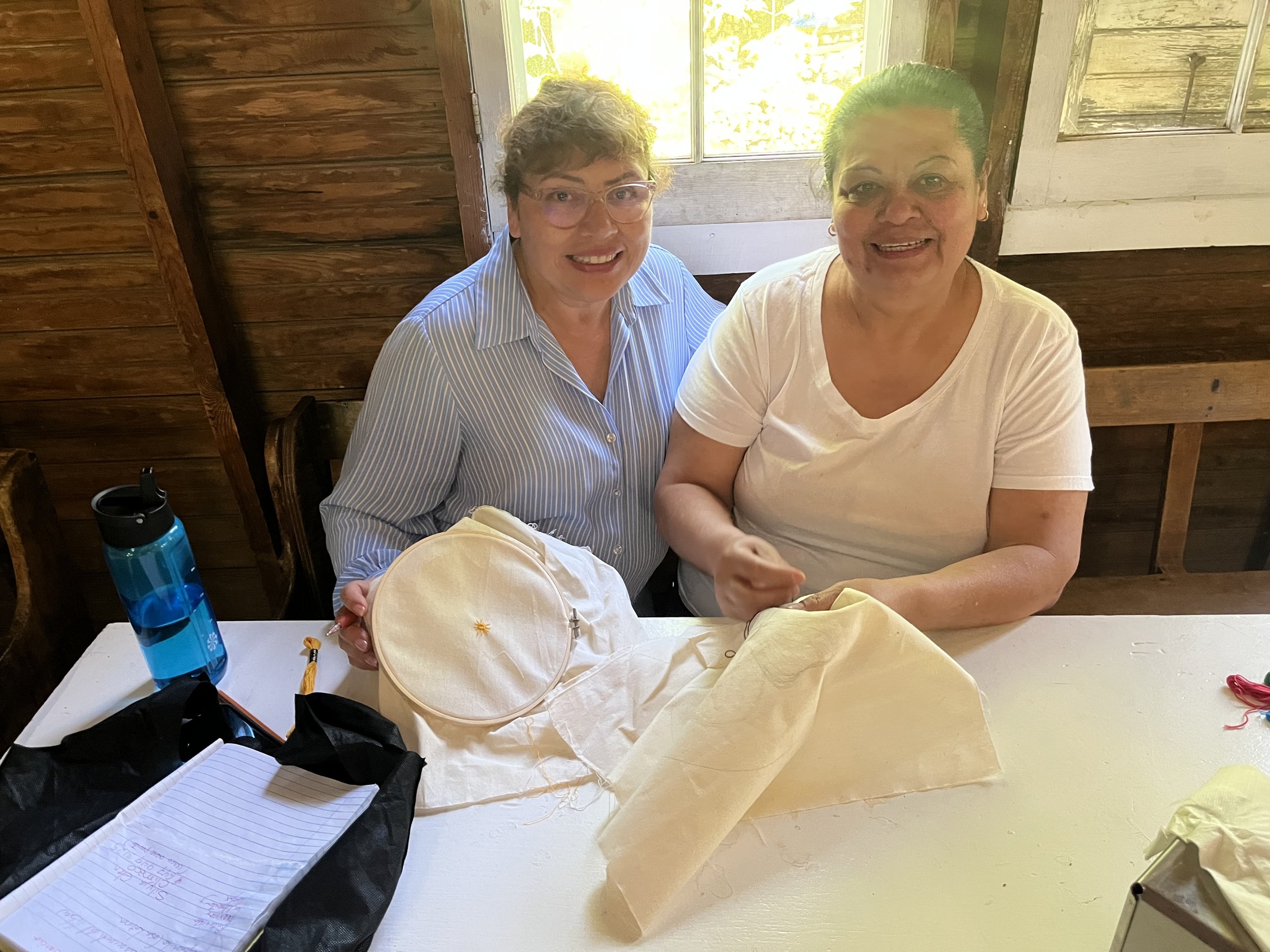
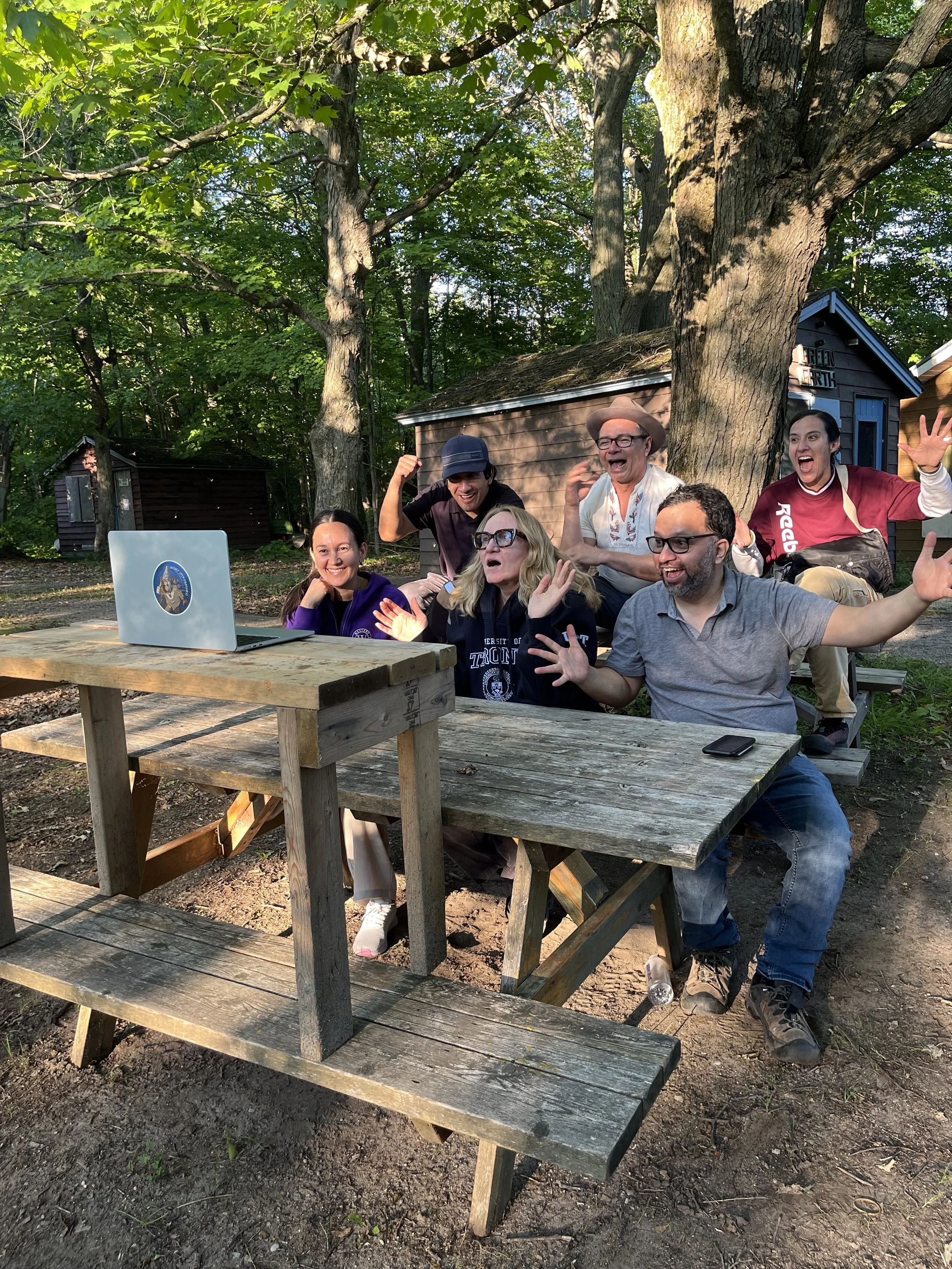
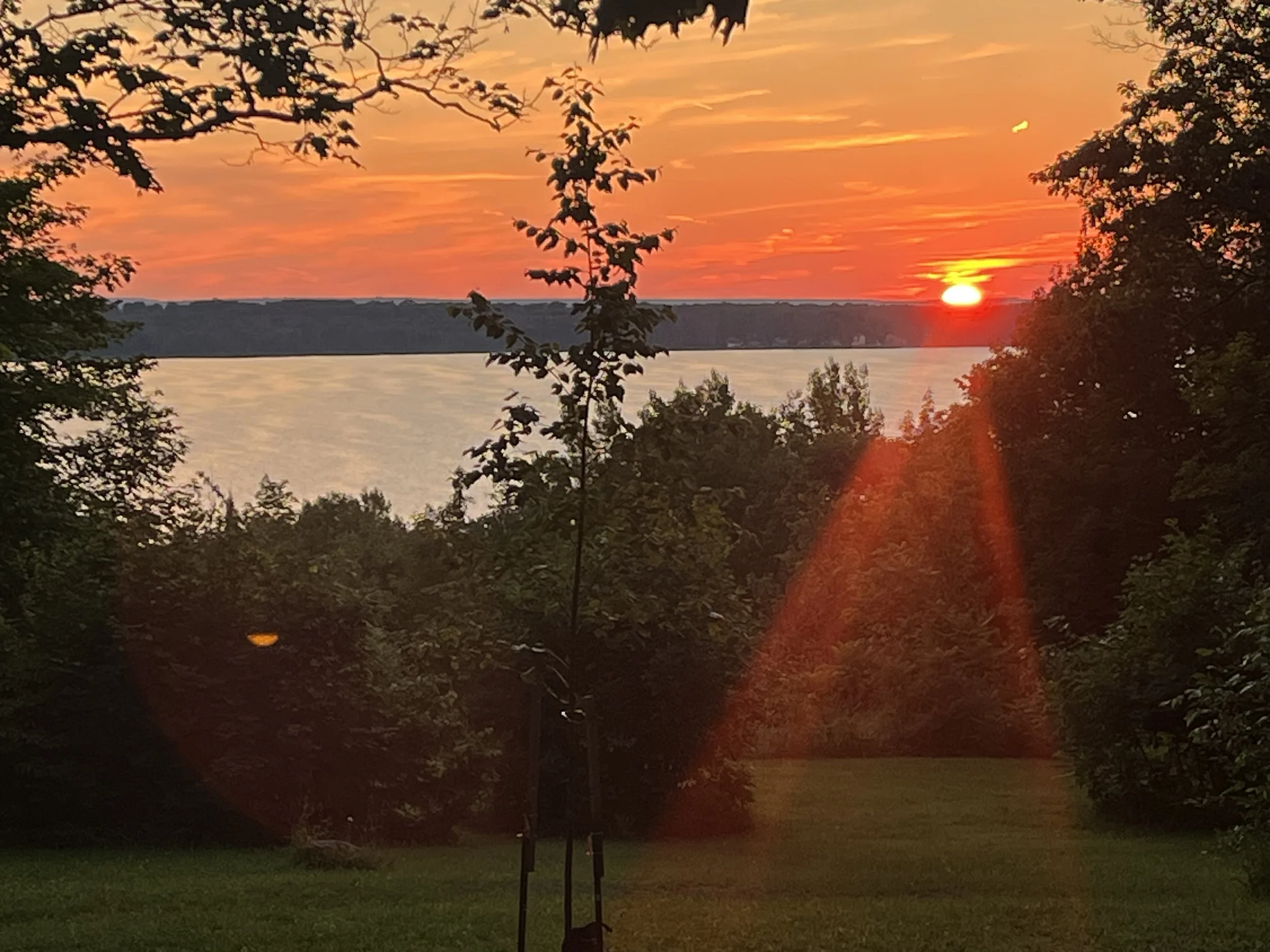
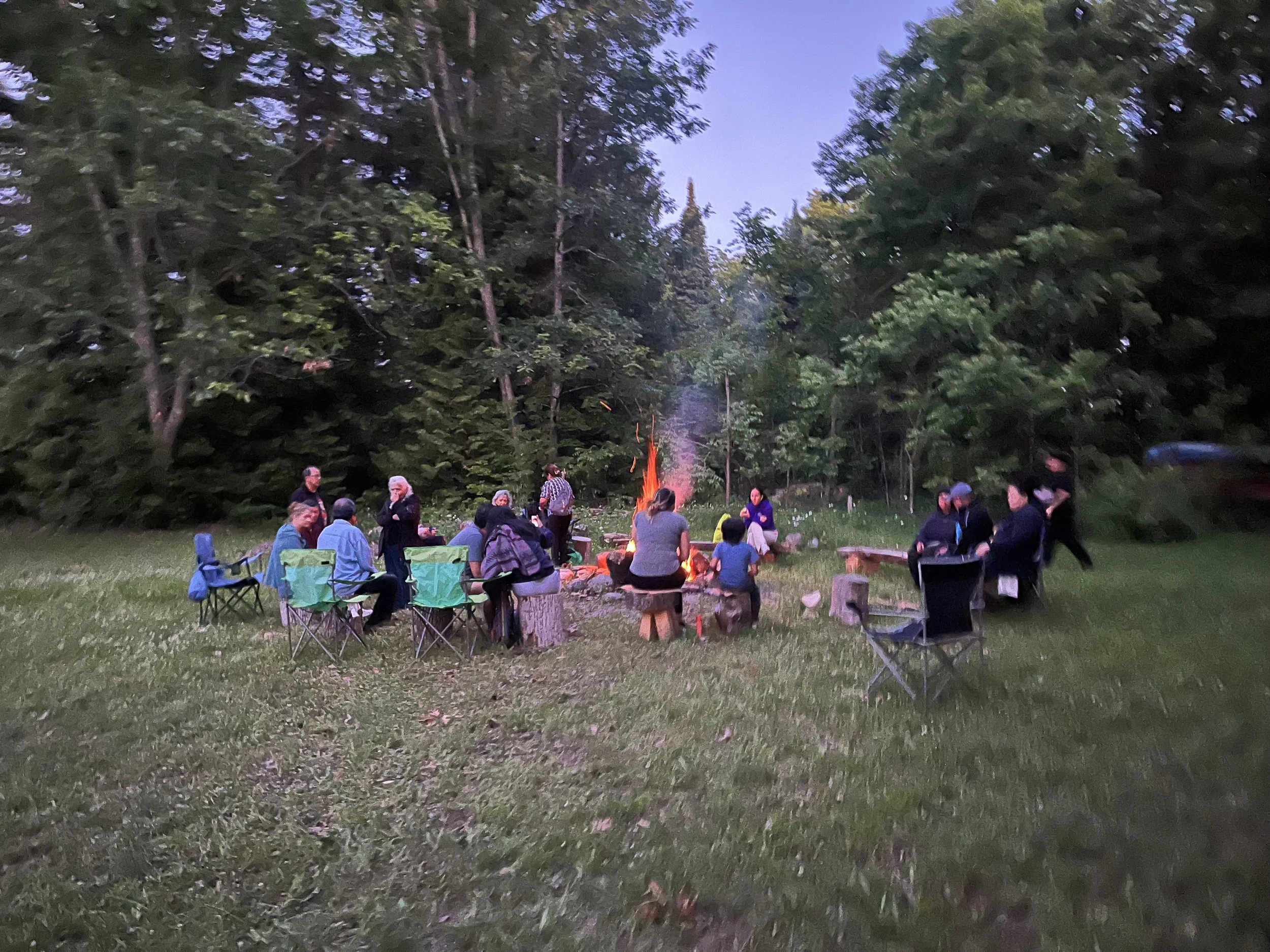
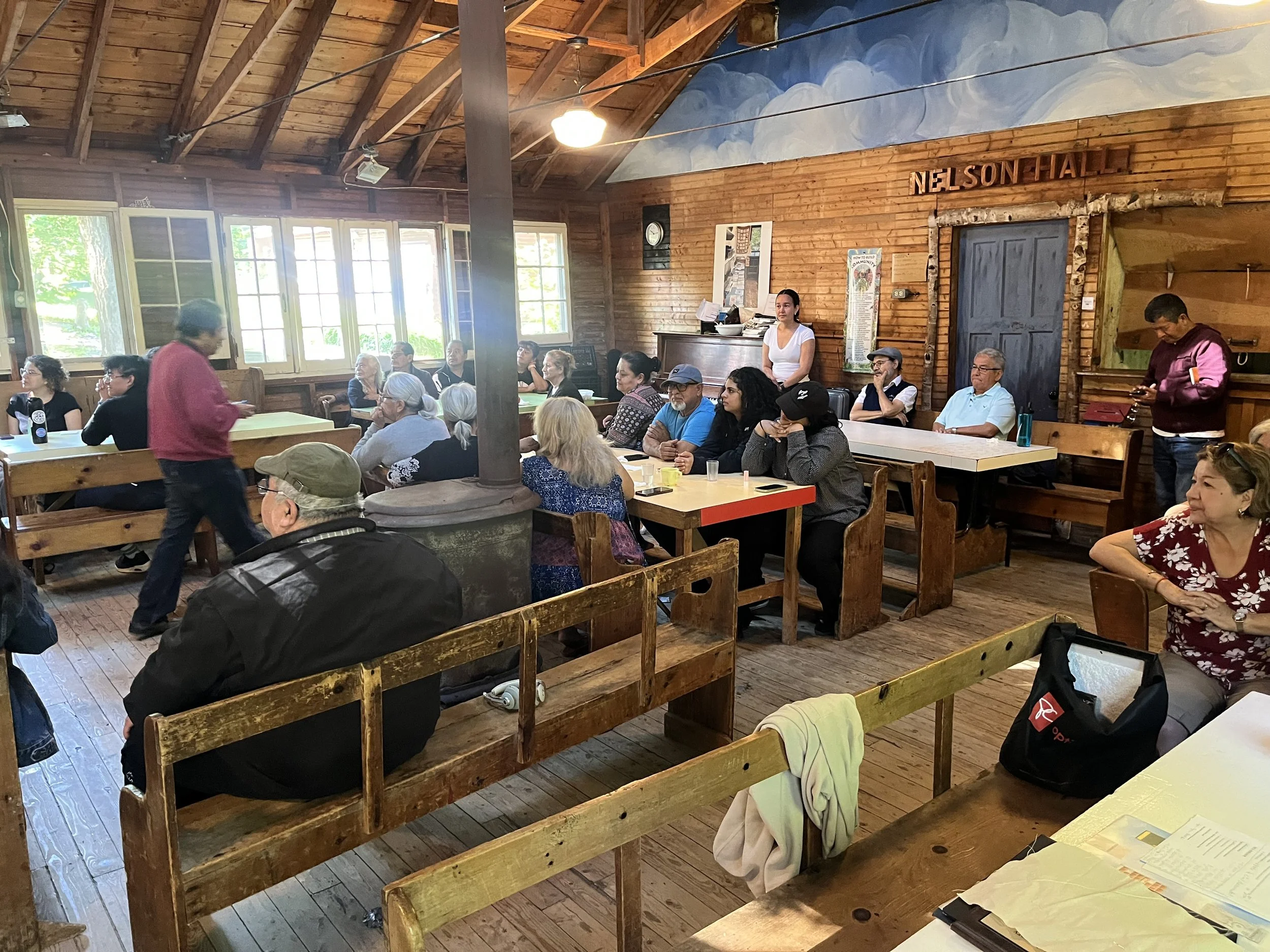
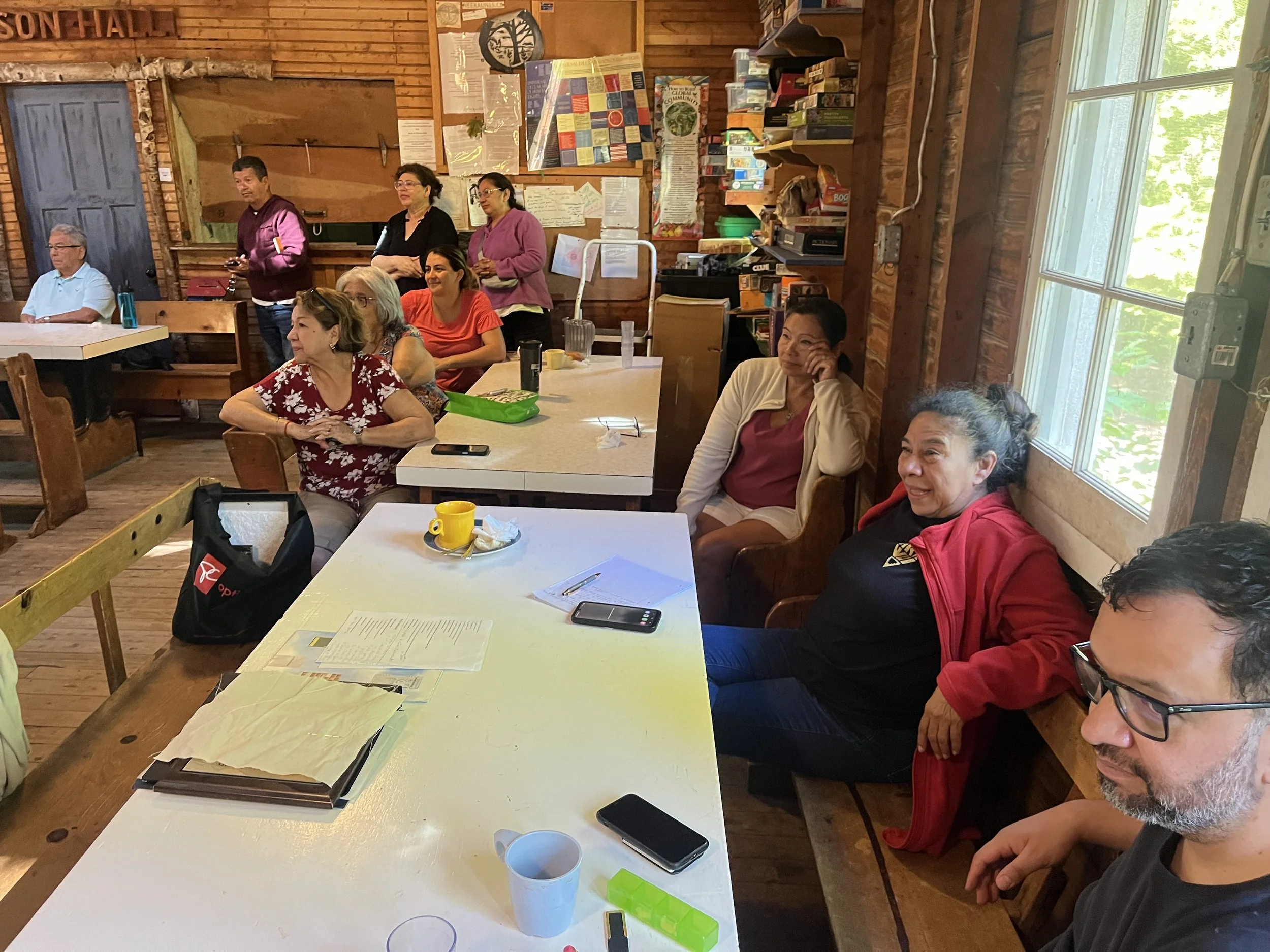
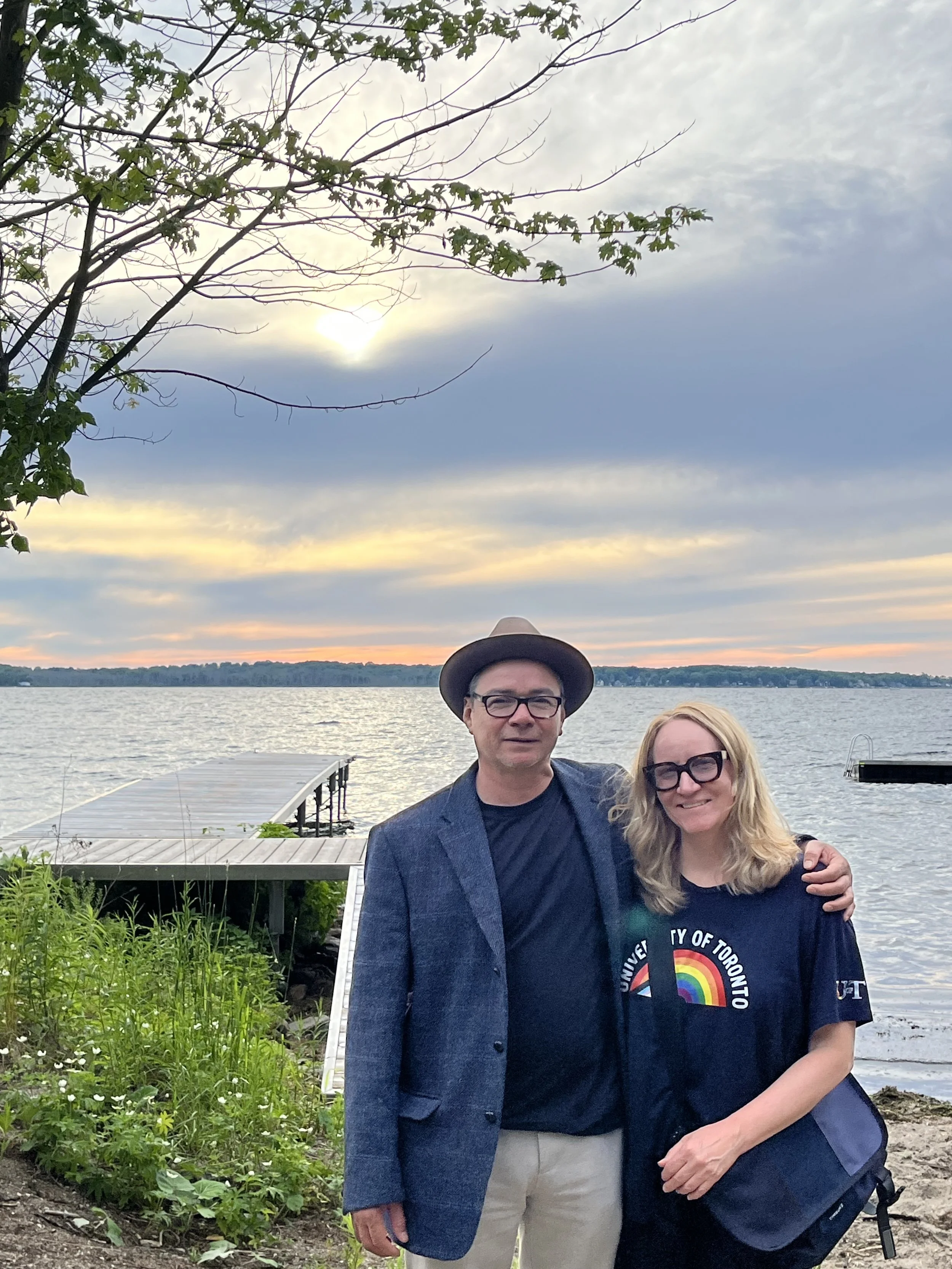
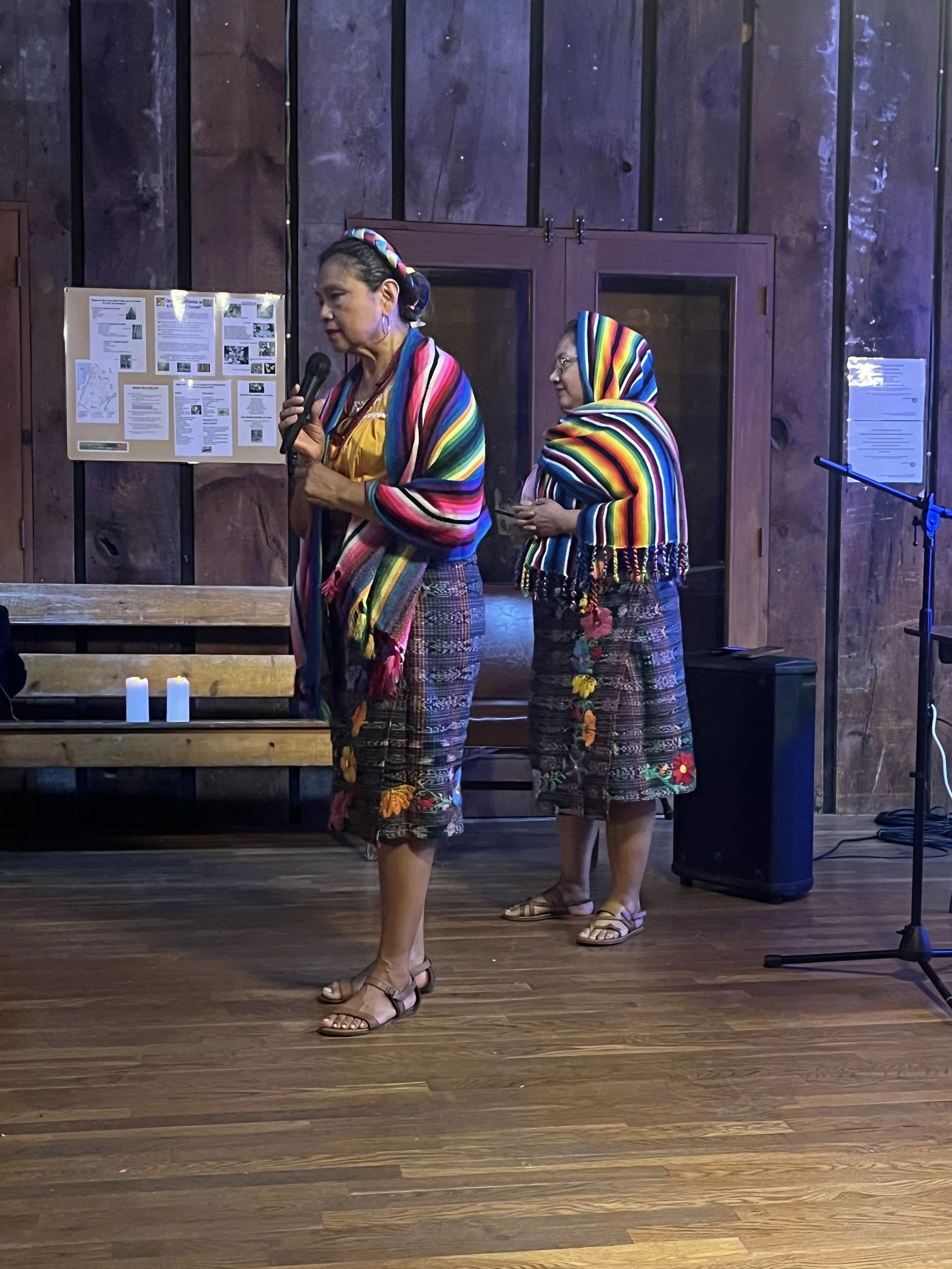
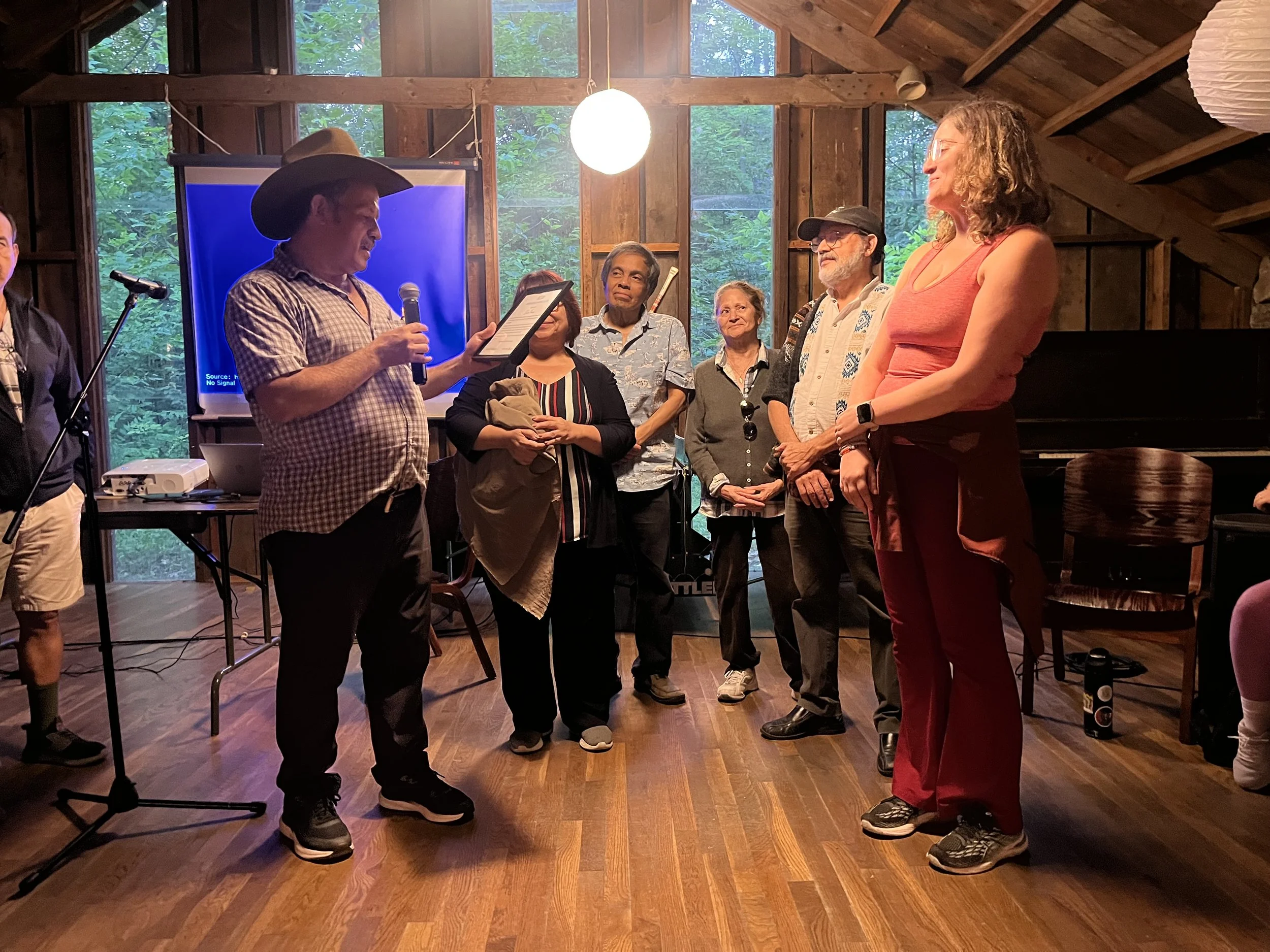
From June 26–28, 2026, members of the Surviving Memory in Postwar El Salvador research team at Western University joined research partners from Association of Salvadoran Canadians (ASALCA) for a three-day historical memory camp at the beautiful Camp NeeKauNis on Georgian Bay, Ontario. The gathering brought together Salvadorans from London, Toronto, Chatham, Montreal, and Ottawa, along with researchers, artists, and community leaders, to share stories, strengthen relationships, and collaborate on projects documenting the history and experiences of Salvadoran communities in Canada.
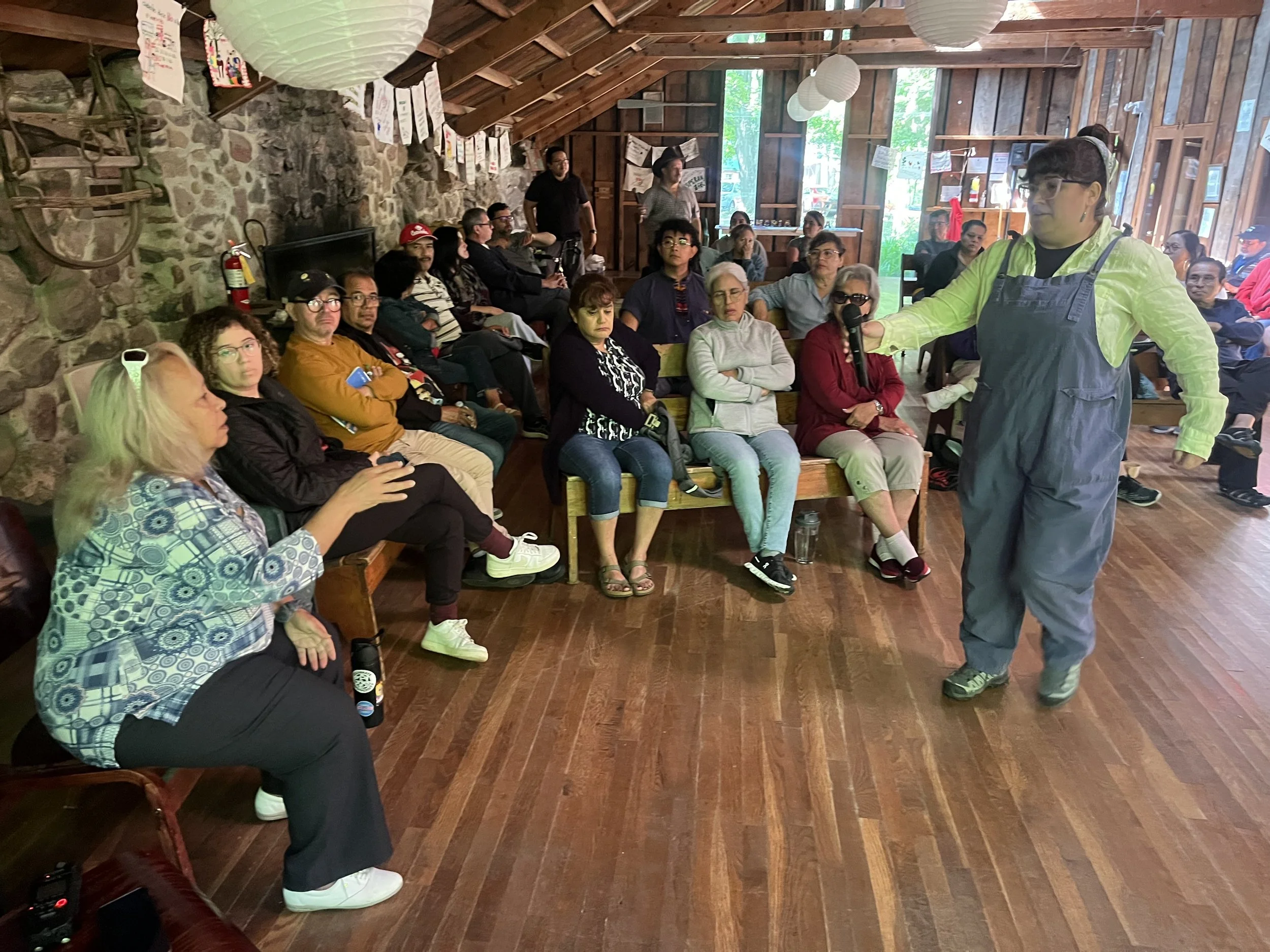
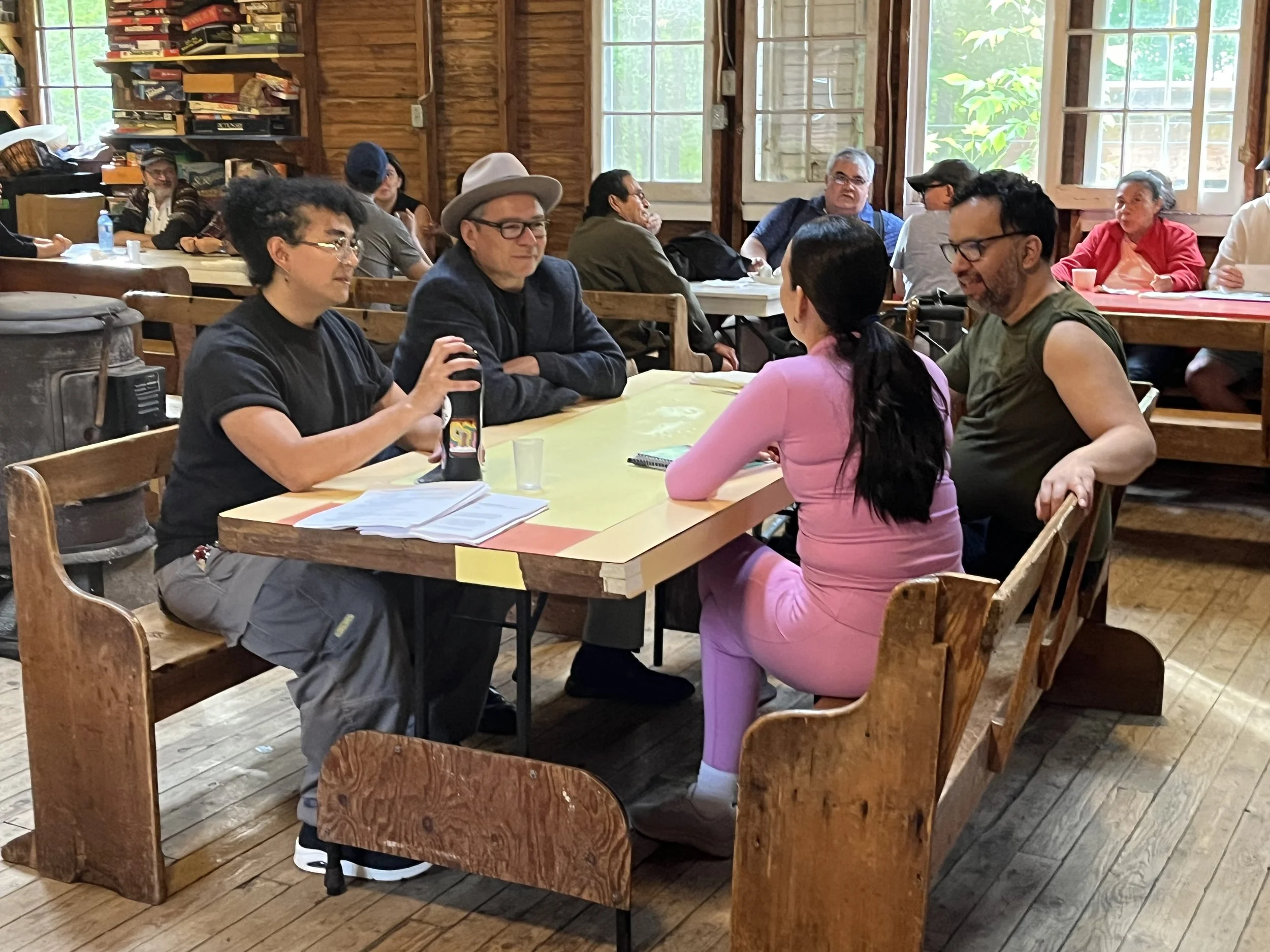
The camp provided an opportunity for participants to reflect on the history of Salvadoran migration to Canada, including experiences of war, displacement, exile, resettlement, and community building. Through a series of collaborative workshops and discussions, participants worked on two major initiatives: a community-authored book documenting the history of Salvadoran migration and settlement in Canada, and a virtual museum dedicated to preserving and sharing the stories of the Salvadoran diaspora. Discussions about the book explored historical themes, chapter development, archival photographs, personal testimonies, and the contributions of Salvadoran communities to Canadian social, cultural, and political life. Participants also considered how to incorporate the perspectives of different generations, including elders, youth, artists, and community organizers.
A second series of workshops focused on developing a shared vision for the Virtual Museum of Salvadoran Migration to Canada. Participants discussed the museum's purpose, audiences, potential exhibitions, and the use of photographs, documents, oral histories, and other archival materials to tell the stories of Salvadorans who made Canada their home. Throughout the camp, participants also had opportunities to record personal and family migration stories and contribute photographs and historical documents to the growing community archive. Additional creative discussions explored the possibilities of using music, theatre, and performance to interpret and share these histories with broader audiences.
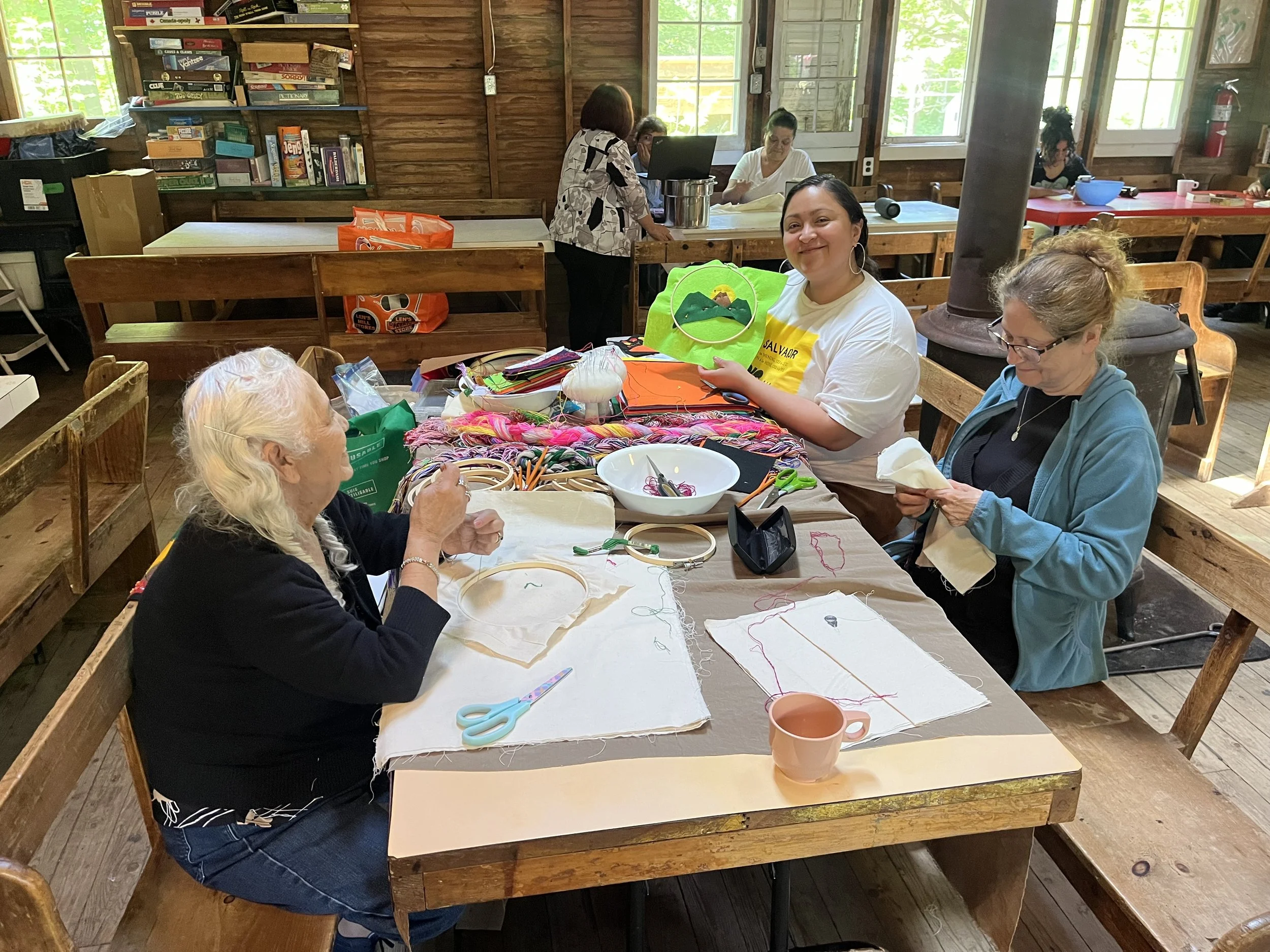
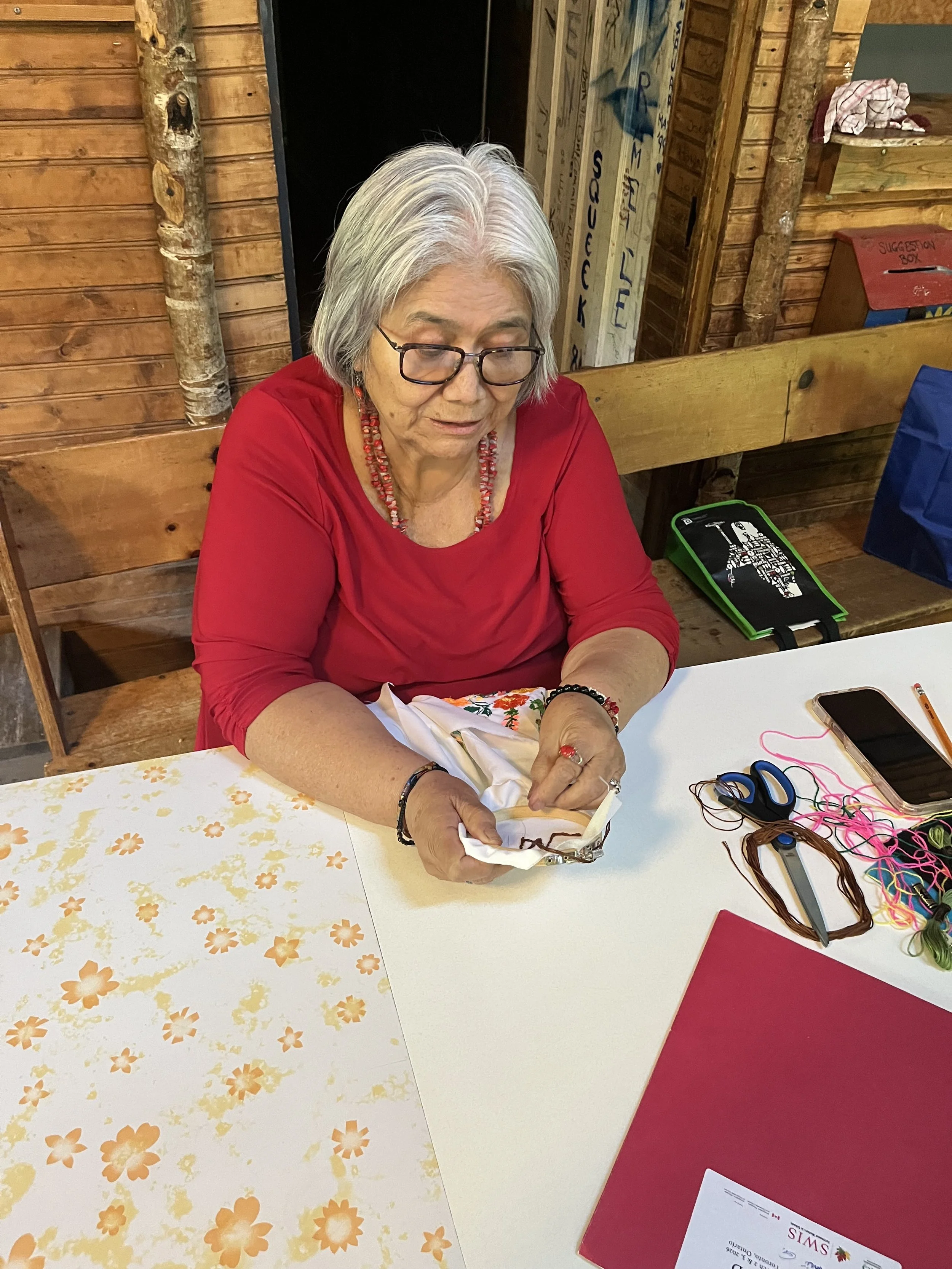
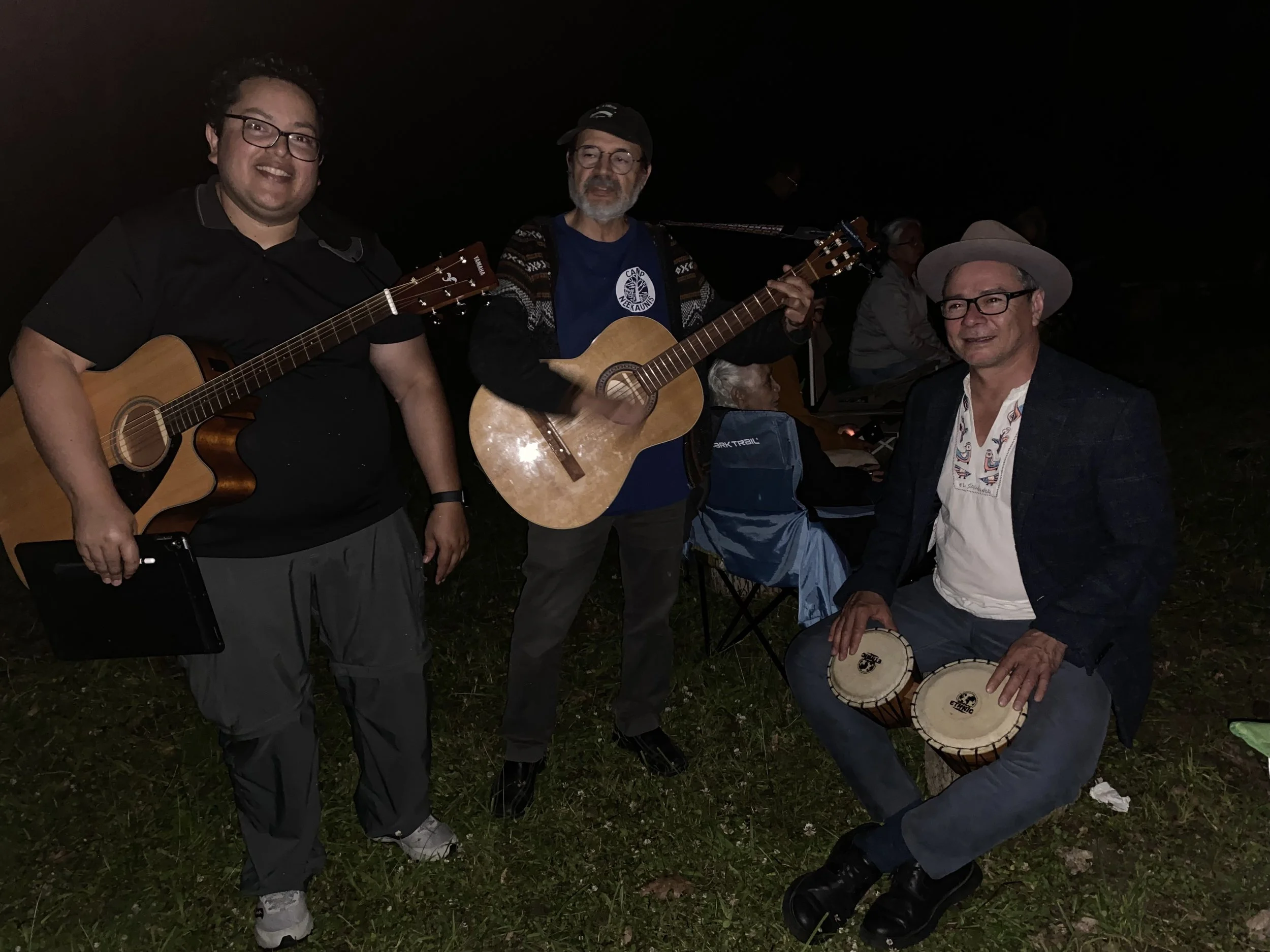
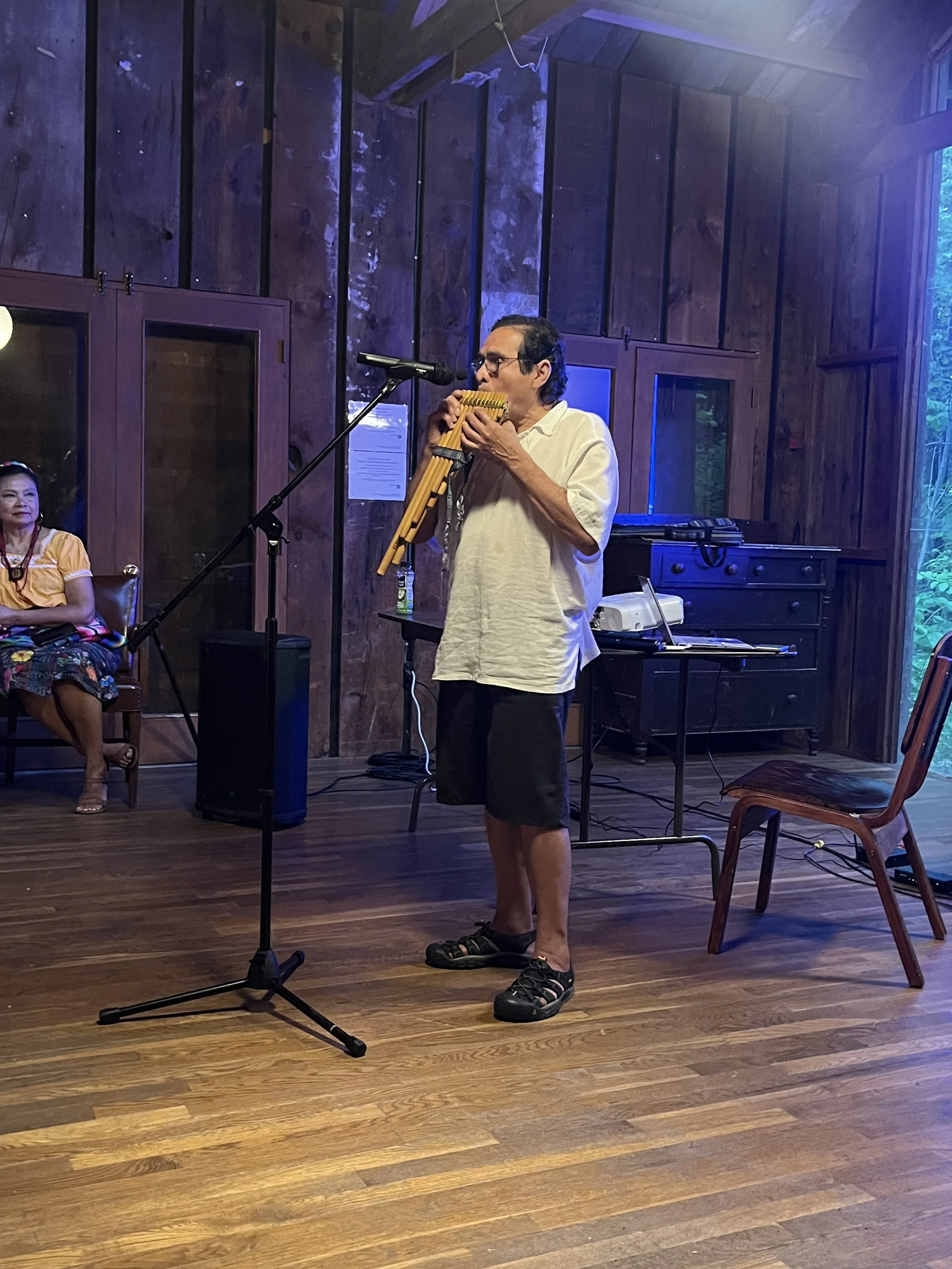
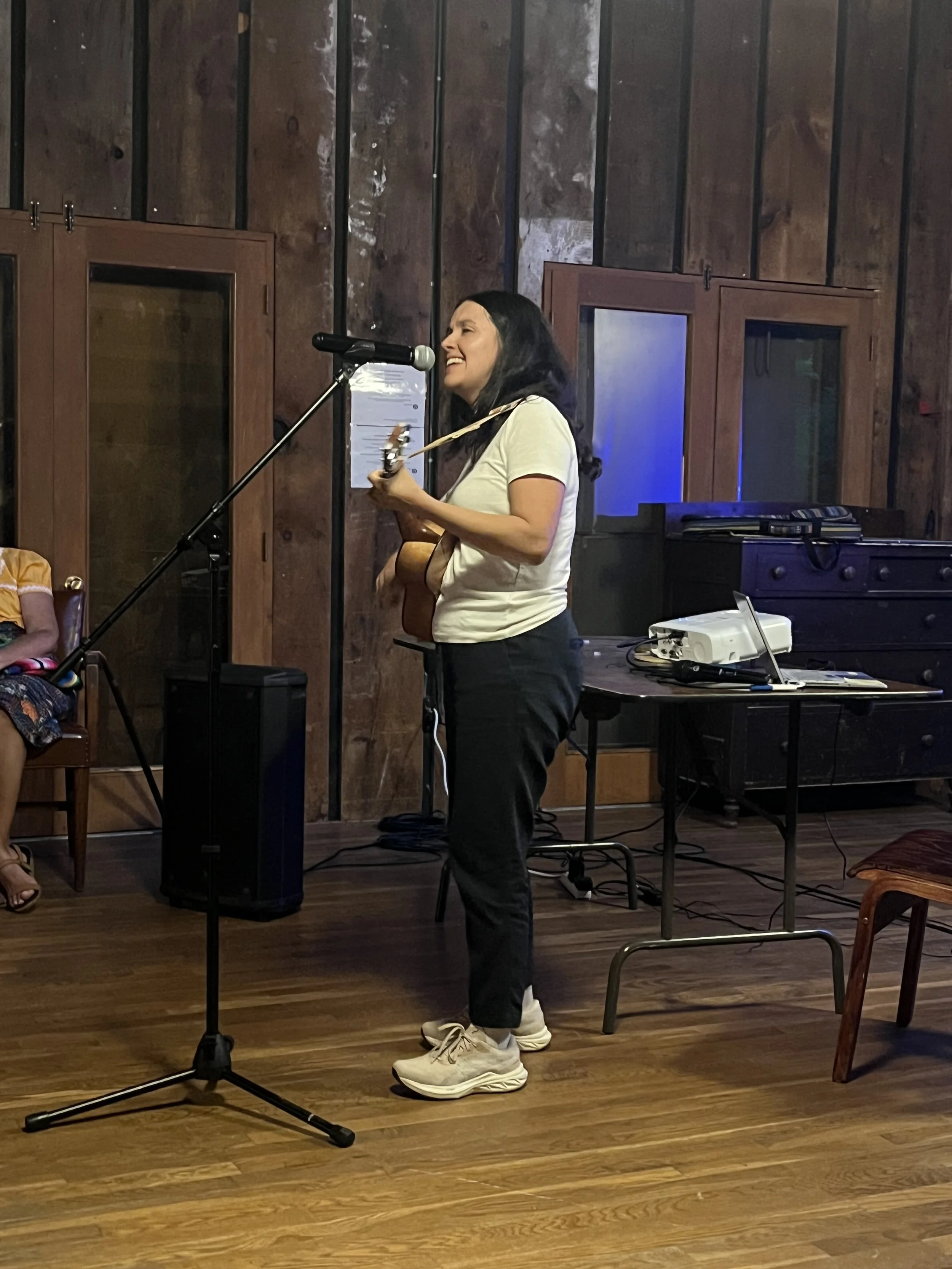
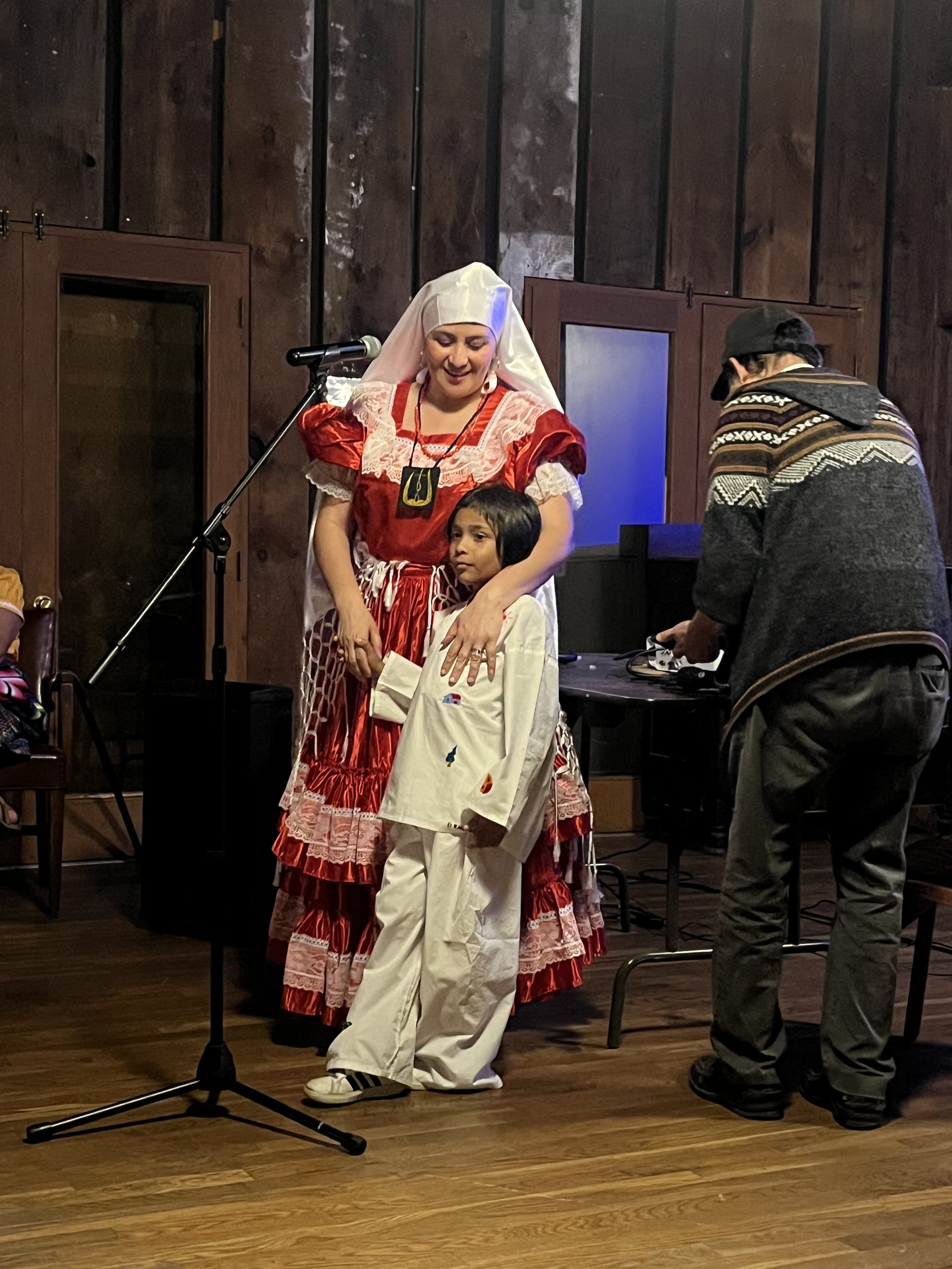
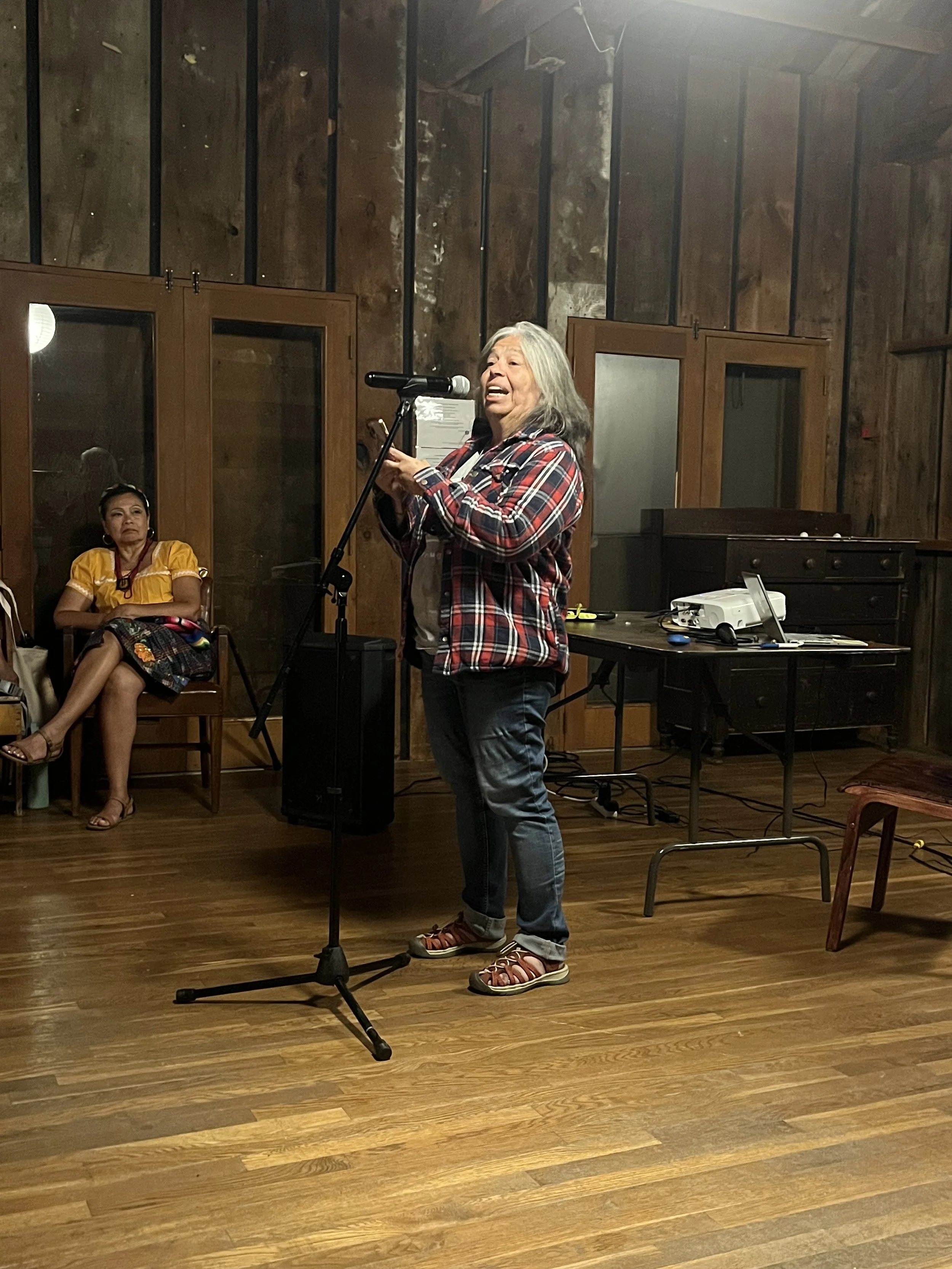
Beyond the formal workshops, the camp created space for informal conversations, storytelling, Salvadoran music, poetry, shared meals, and time together in the beautiful natural surroundings of Georgian Bay. These opportunities for intergenerational exchange were an important part of the gathering, allowing participants to reconnect with old friends, build new relationships, and reflect collectively on the experiences that have shaped Salvadoran communities across Canada.
The camp concluded with a discussion of next steps and commitments to advancing the book, virtual museum, and related creative initiatives. Above all, the gathering reaffirmed the importance of community-led historical memory work and the value of collaboration between Salvadoran communities, artists, and researchers.
Surviving Memory in Postwar El Salvador is supported, in part, by the Social Sciences and Humanities Research Council of Canada, the Canadian Foundation for Innovation, the Ontario Research Fund, Western University, and ASALCA.
The Surviving Memory in Postwar El Salvador research initiative is supported in part by funding from the Social Sciences and Humanities Research Council of Canada, Western University, the Canadian Foundation for Innovation, and the Ontario Research Fund.