
Salvadoran Embroideries Featured in Guadalupe Maravilla’s “Les Soñadores” Exhibition in Los Angeles
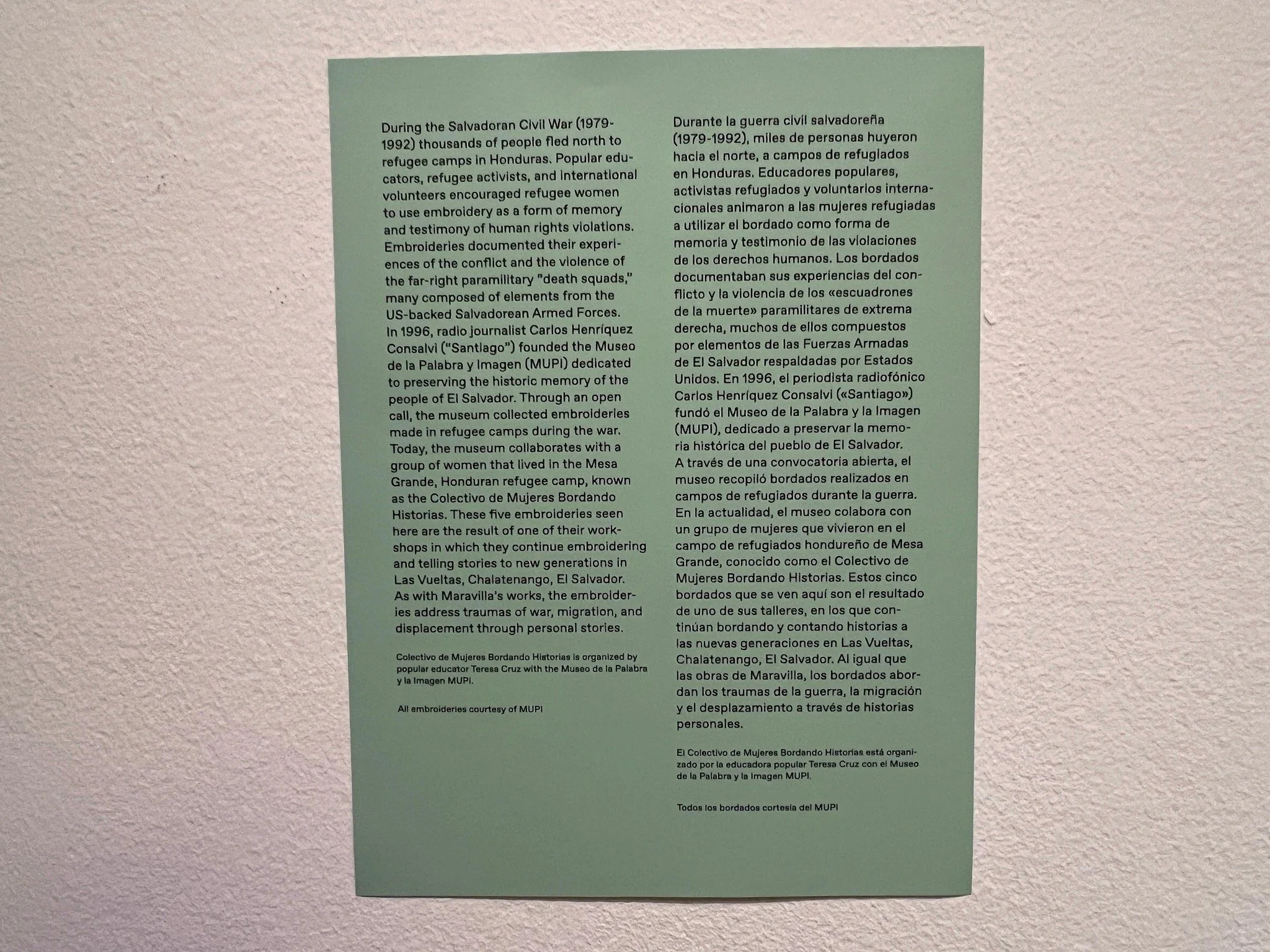
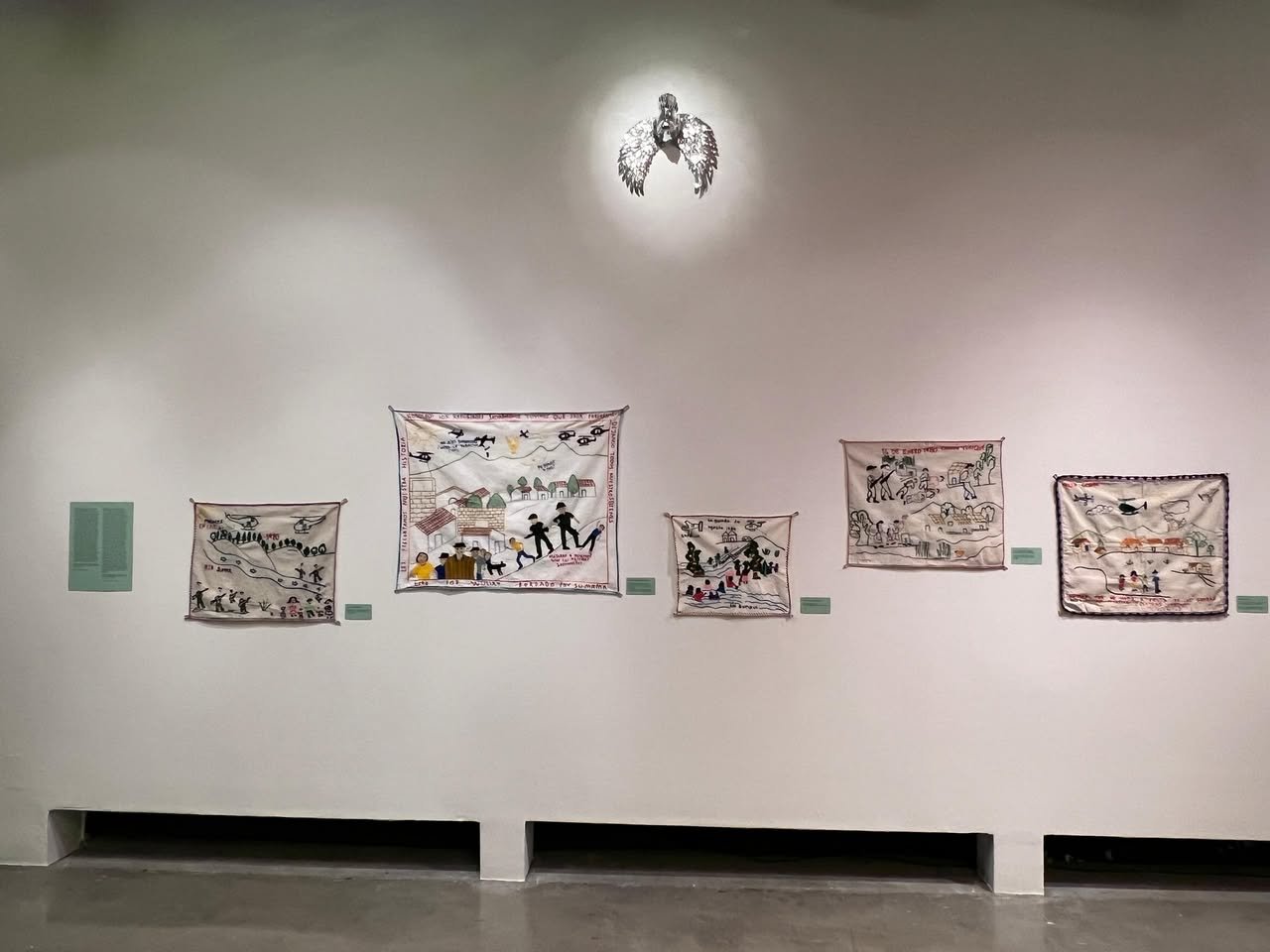
As part of the exhibition “Les Soñadores” [The Dreamers], the Museo de la Palabra y la Imagen [Museum of the Word and Image, MUPI] is presenting a selection of embroideries made by women from Las Vueltas, Chalatenango. The exhibition opened last Saturday, September 13, at REDCAT gallery, located in Downtown Los Angeles, California, United States.
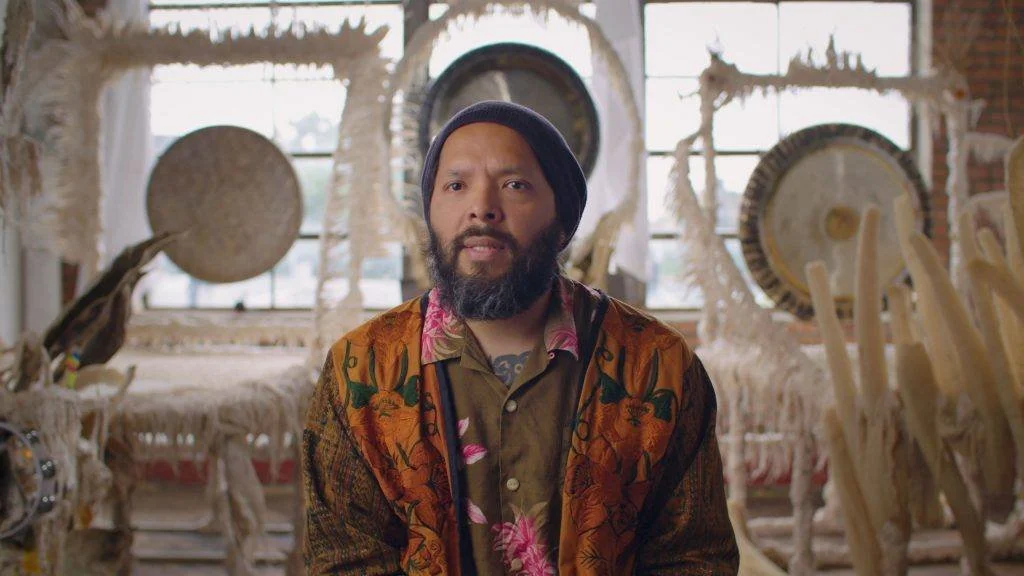
The exhibition’s curator, Daniela Lieja Quintanar, stated: “For us as an institution, and for the artist Guadalupe Maravilla, it is an honor to be able to show these valued objects of art and resistance at REDCAT. They will engage with migrant communities in California, alongside the work of Salvadoran artist Guadalupe Maravilla, who captures stories through retablos, sculptures, video, and music.”
Guadalupe Maravilla’s work focuses on his experience of migration from El Salvador to the United States. At the age of seven, he fled the civil war alone, without family members, on a journey marked by uprooting. Later, he survived colon cancer, an illness he himself relates to the trauma of forced displacement, migration, and his life as an undocumented person in the United States.
For both the artist and the curator, the inclusion of MUPI’s embroideries means giving voice to those who remained in El Salvador facing violence, while also weaving everyday resistance. It is also a way to make visible a history that is rarely told in the United States, although it is deeply known by the Salvadoran diaspora.
The exhibition “Les Soñadores” will remain open to the public from September 13 to December 19, 2025, at REDCAT gallery in Los Angeles, located at 631 W 2nd St, Los Angeles, CA 90012.
Link note [in Spanish]: https://museo.com.sv/.../el-mupi-participa-en-exposicion.../
The Surviving Memory in Postwar El Salvador research initiative is supported in part by funding from the Social Sciences and Humanities Research Council of Canada, Western University, the Canadian Foundation for Innovation, and the Ontario Research Fund.
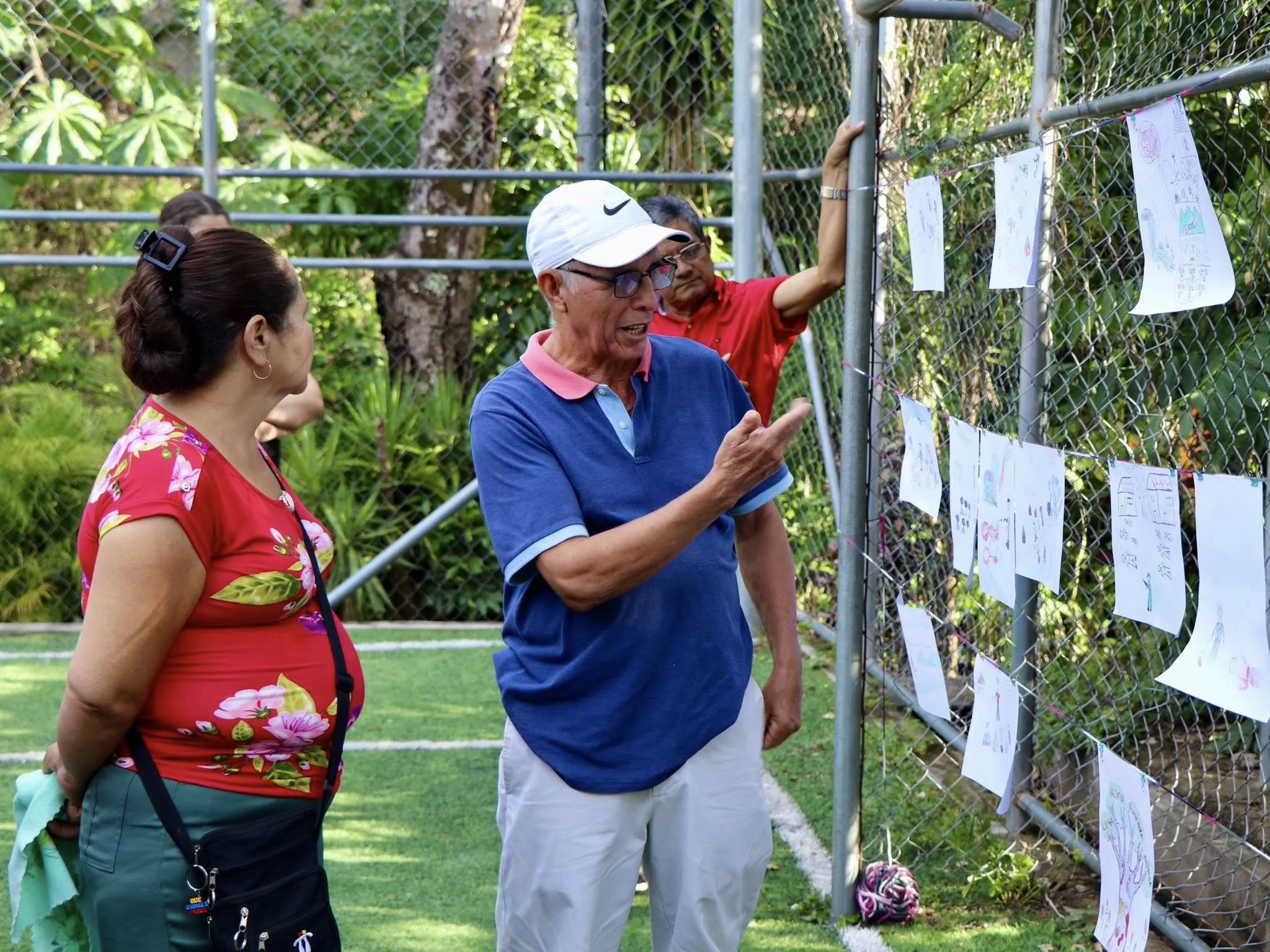
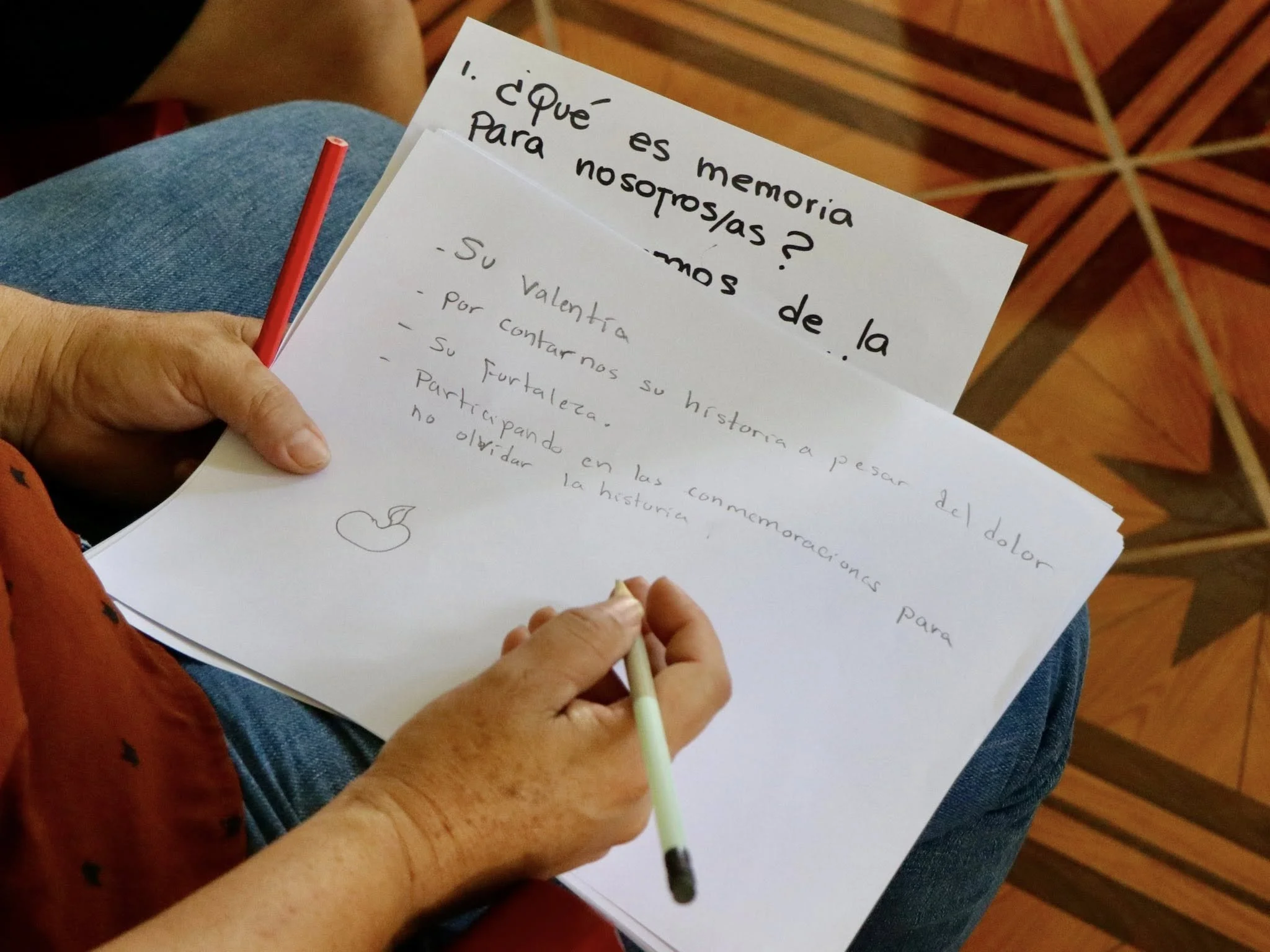
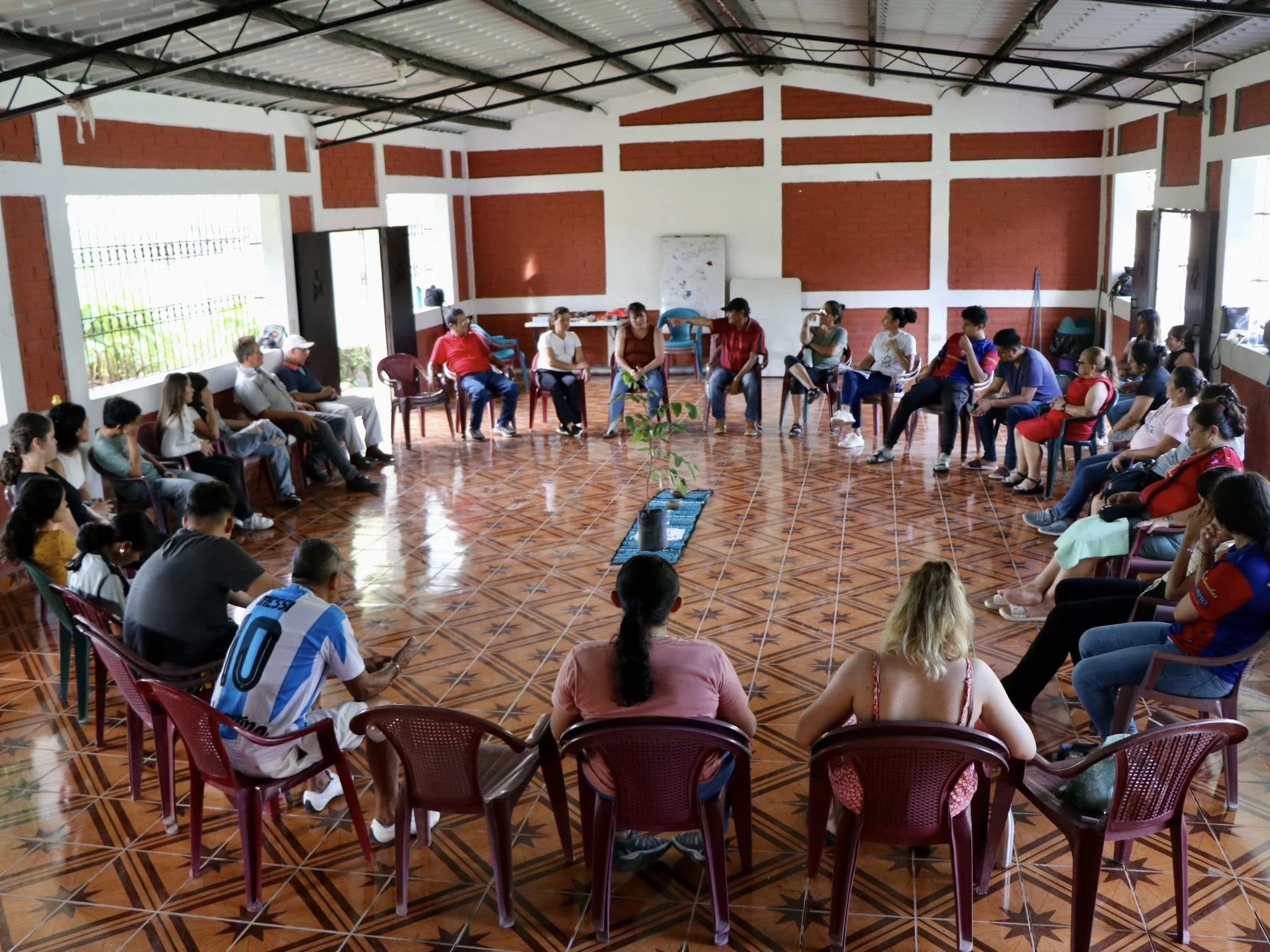
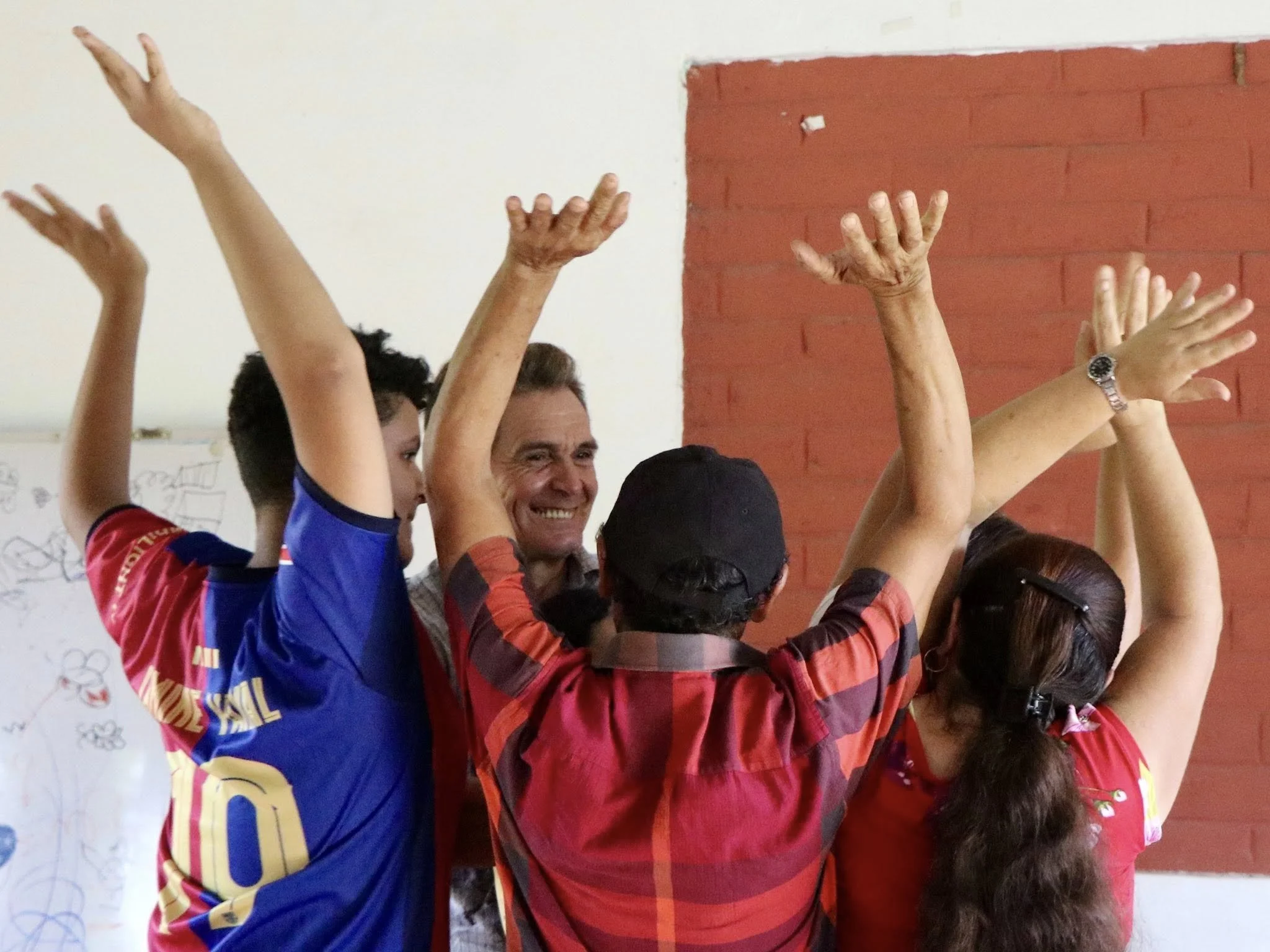
Intergenerational Gathering on the La Ceiba Massacre
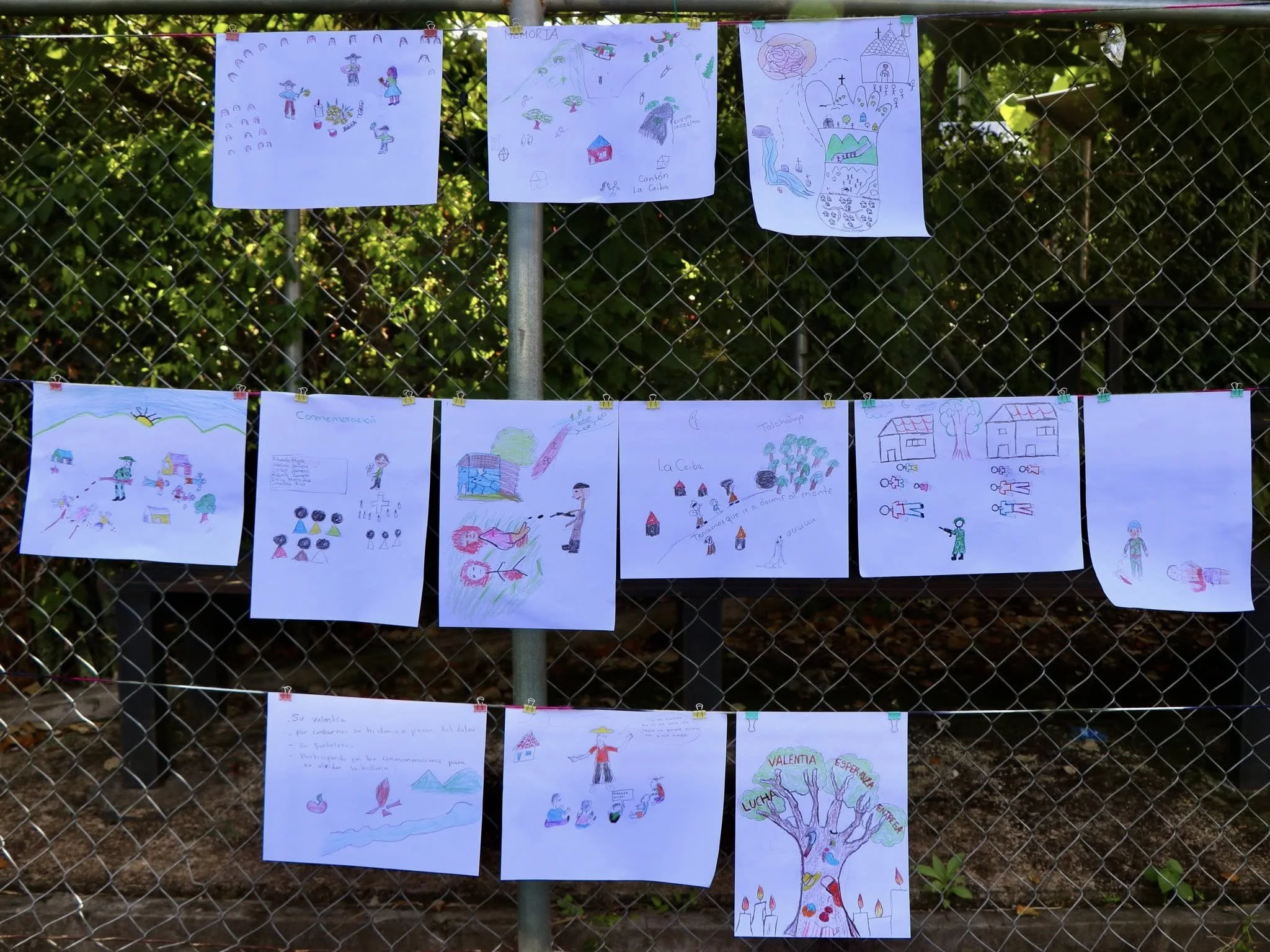
The gathering was facilitated by Cáritas Chalatenango and the Surviving Memory project, with support from the Sumpul Association, and brought together 35 young people and adults from the La Ceiba community.
Through dance, writing, and painting, spaces for intergenerational dialogue were created to share experiences and reflections on the massacre that took place in Cantón La Ceiba, Chalatenango, in August 1980, when the National Guard and ORDEN paramilitaries killed eight people.
The Surviving Memory in Postwar El Salvador research initiative is supported in part by funding from the Social Sciences and Humanities Research Council of Canada, Western University, the Canadian Foundation for Innovation, and the Ontario Research Fund.
41 Years Since the Gualsinga Massacre
Four members of the Surviving Memory in Postwar El Salvador project have Communities from Chalatenango gathered at the site to commemorate the victims, in an initiative led by the Colectivo de Memoria Histórica [Historical Memory Collective] of Chalatenango.
The Gualsinga River Massacre took place in Nueva Trinidad in August 1984 and claimed the lives of 78 people. Every year, survivors and members of different communities gather at a symbolic site in the area, where they share testimonies and participate in a commemorative ritual and a mass.
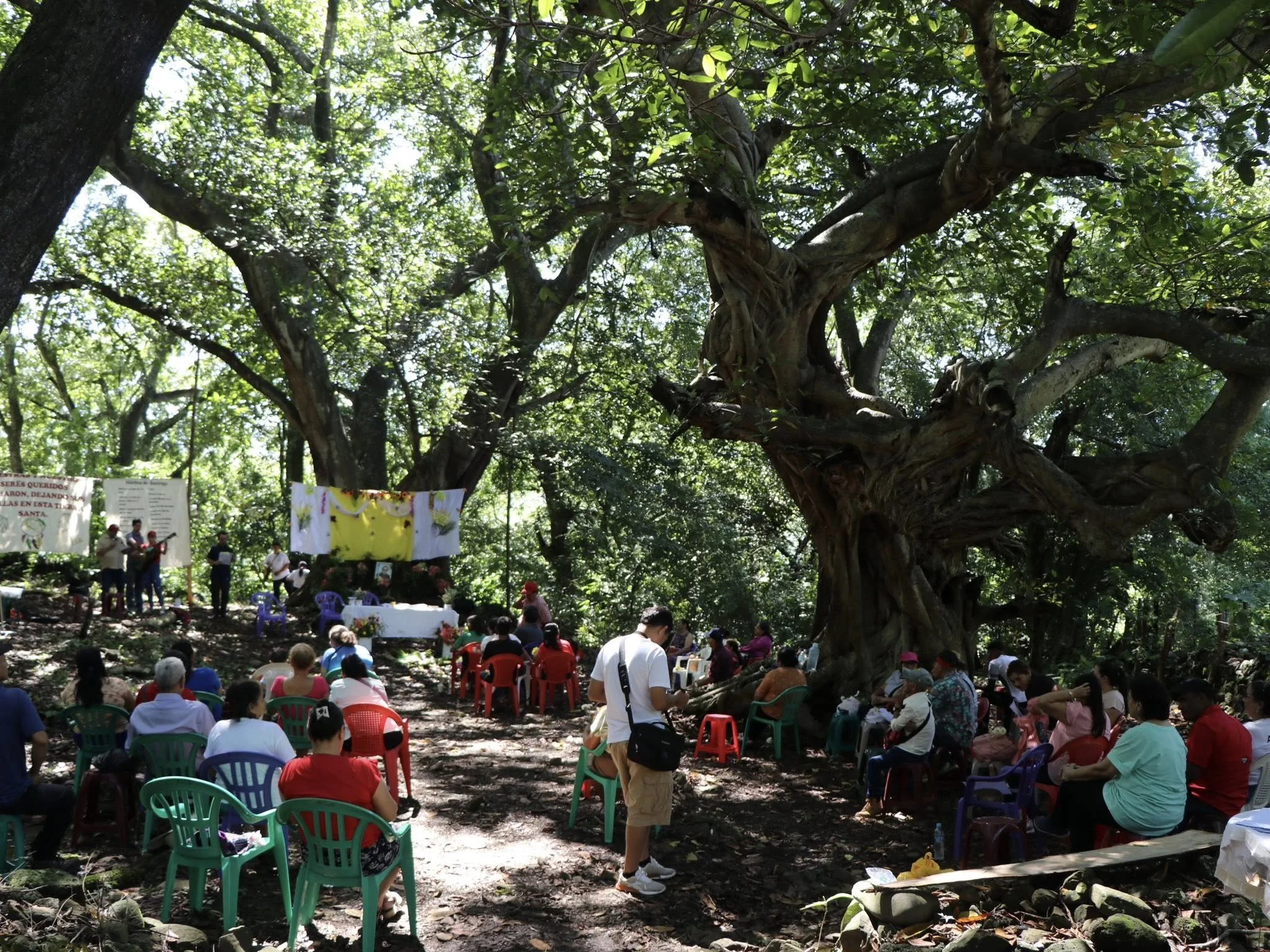
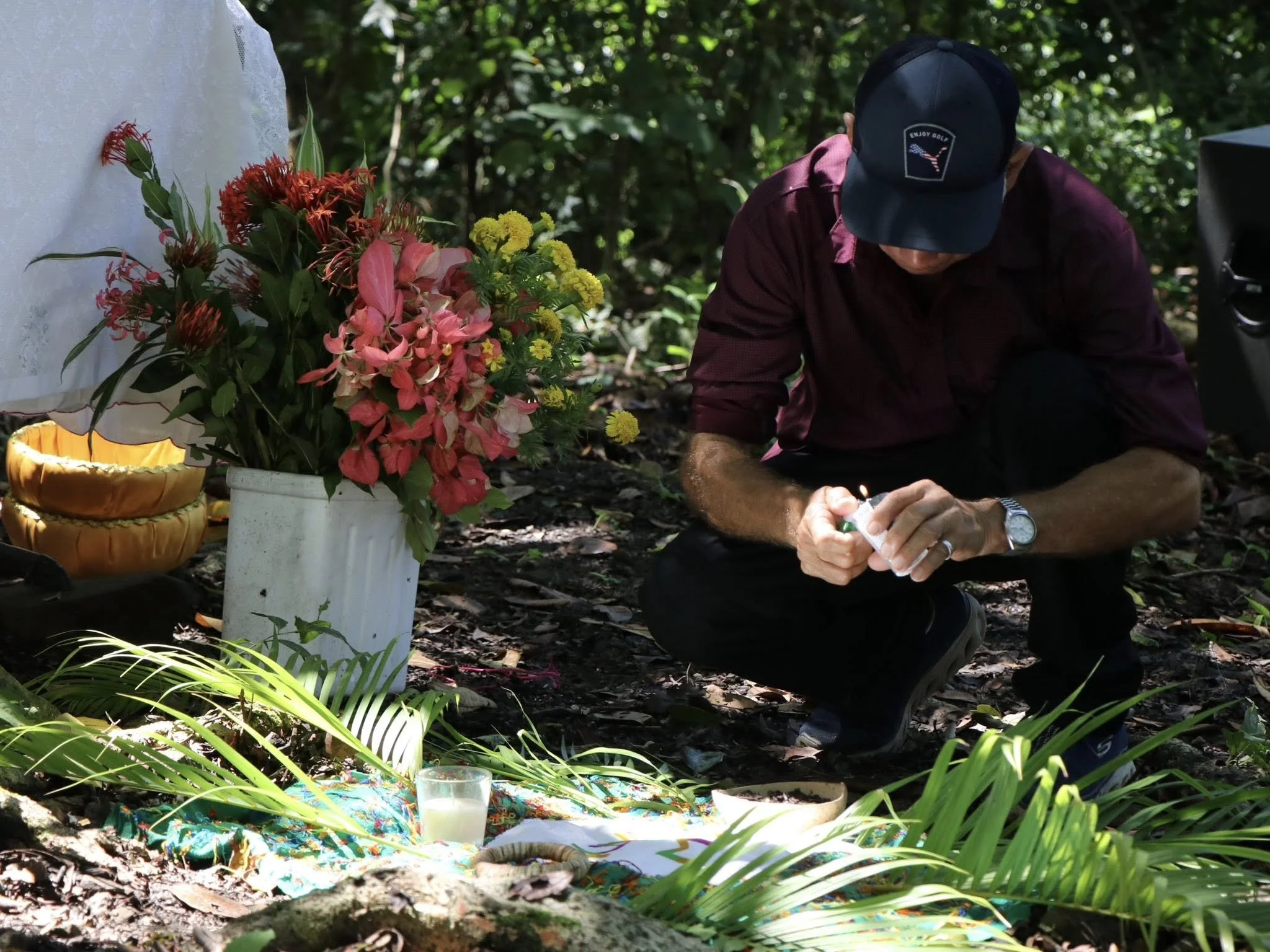
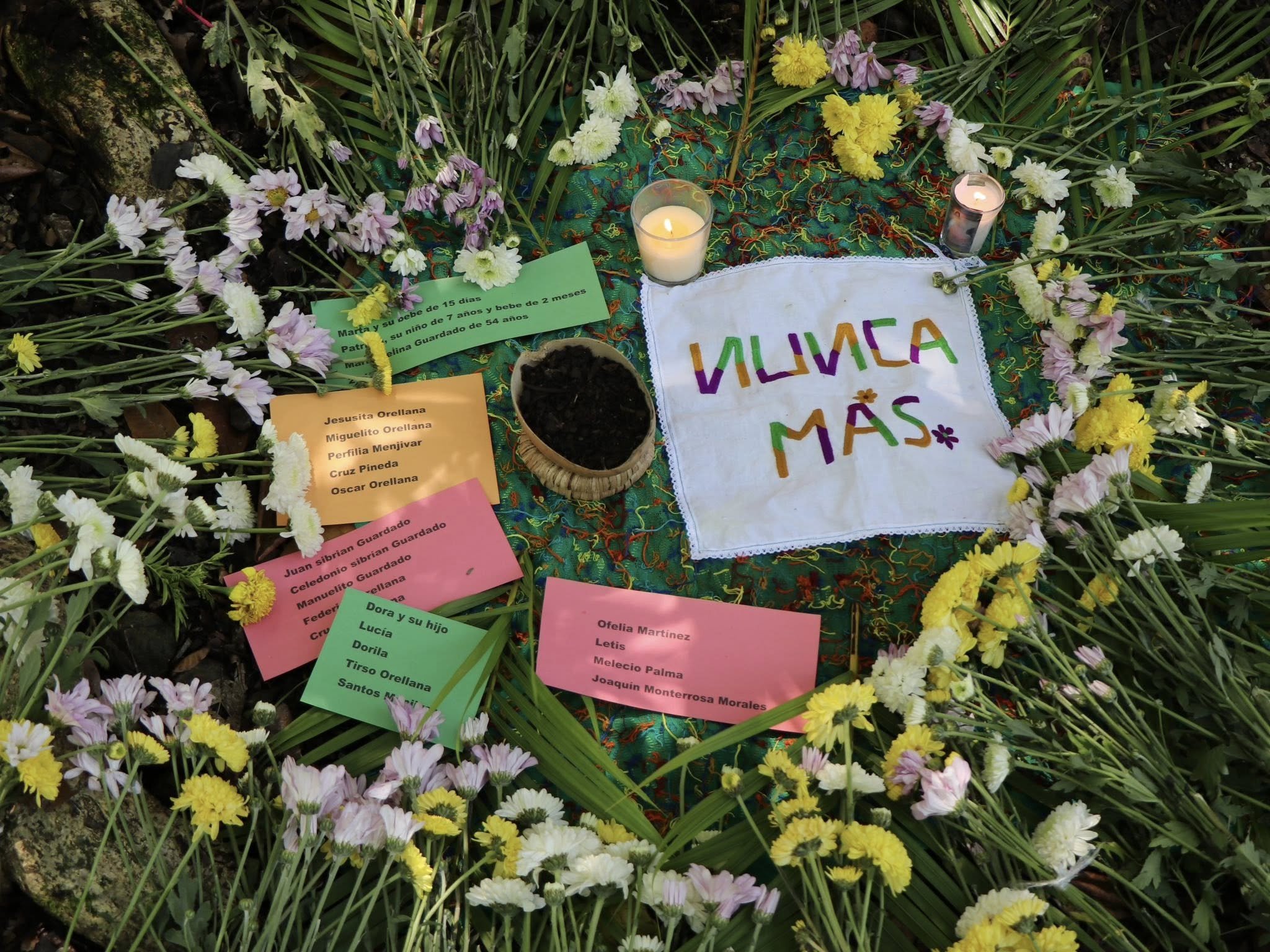
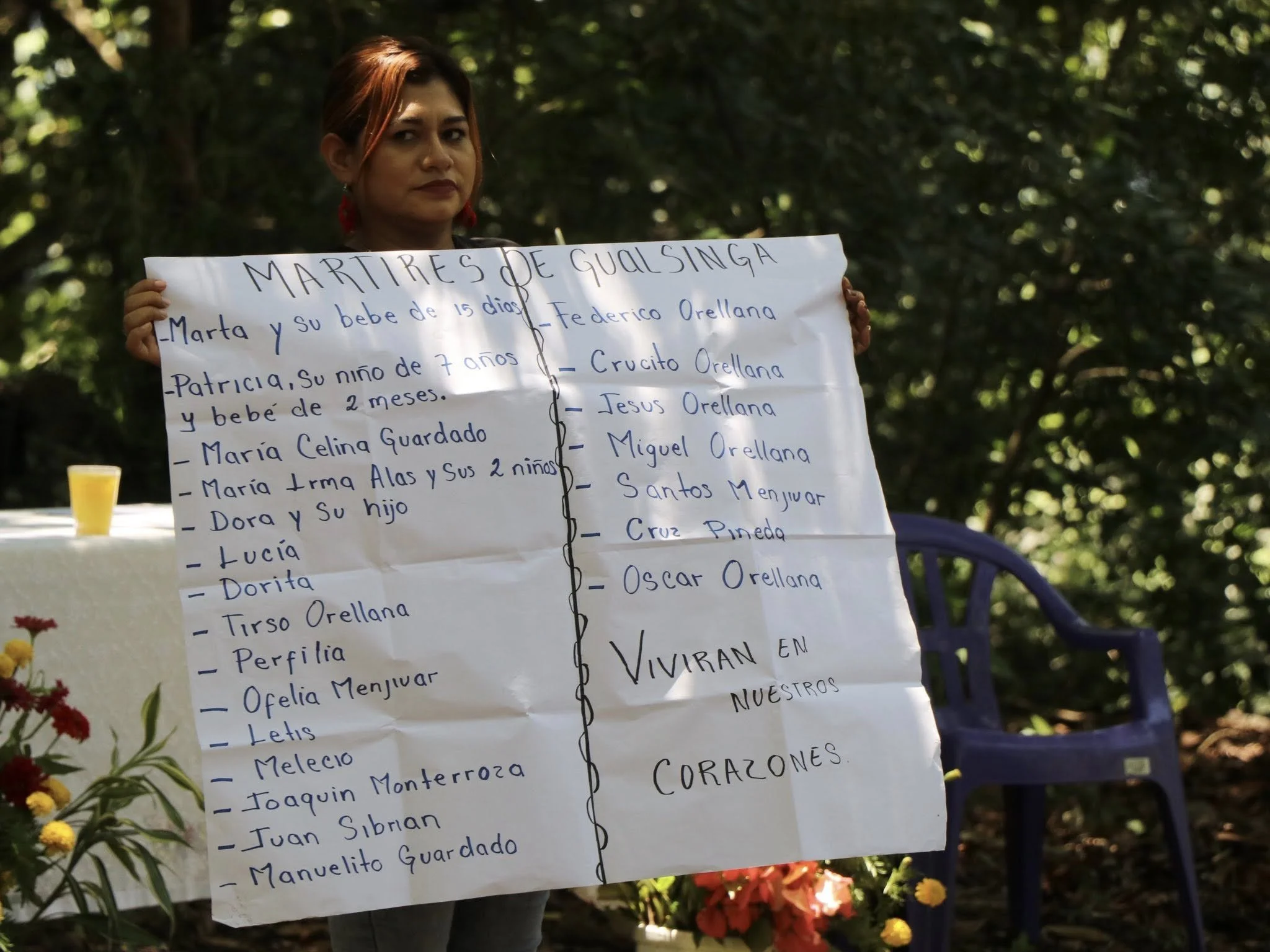
The Surviving Memory in Postwar El Salvador research initiative is supported in part by funding from the Social Sciences and Humanities Research Council of Canada, Western University, the Canadian Foundation for Innovation, and the Ontario Research Fund.
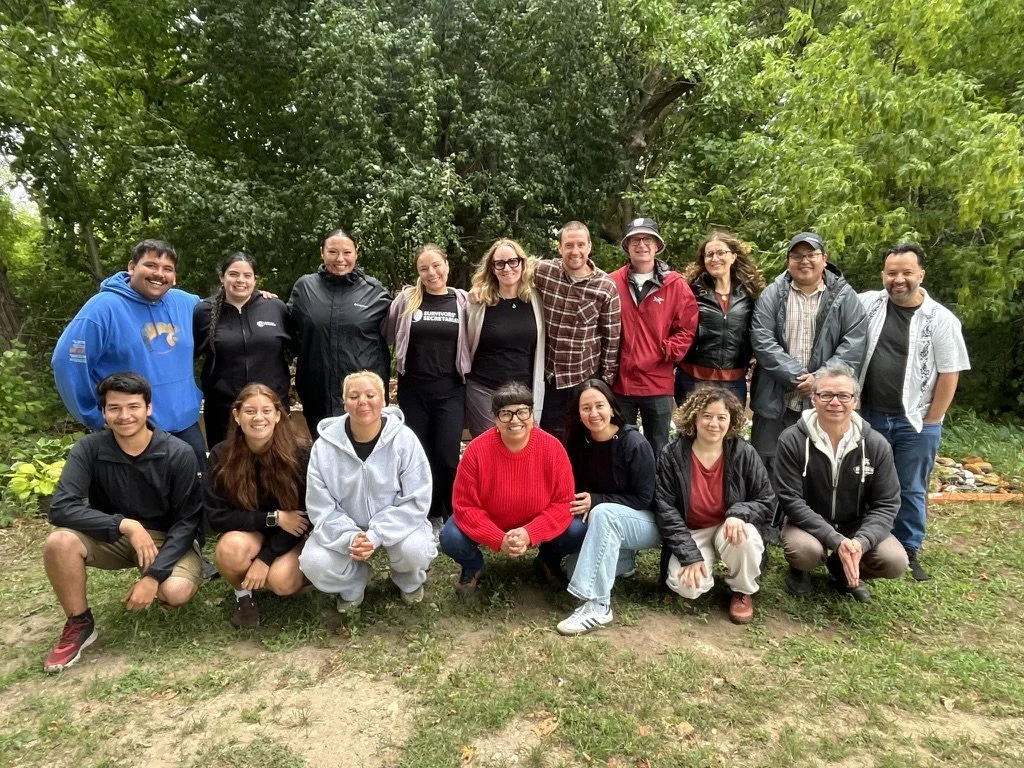
Surviving Memory Team Spends the Day with the Six Nations Survivors Secretariat Ground Search Team at the Former Mohawk Institute
The participating members of the Surviving Memory team are all grateful for the opportunity to learn more about the ground-penetrating radar technology their team is using, and to exchange ideas about documenting state violence, supporting survivors, and engaging different generations in memory work. Thank you to Eric, Jesse, and the rest of the Survivors Secretariat team!
The Surviving Memory in Postwar El Salvador research initiative is supported in part by funding from the Social Sciences and Humanities Research Council of Canada, Western University, the Canadian Foundation for Innovation, and the Ontario Research Fund.
Exchange of Embroiderers from Chalatenango in Morazán
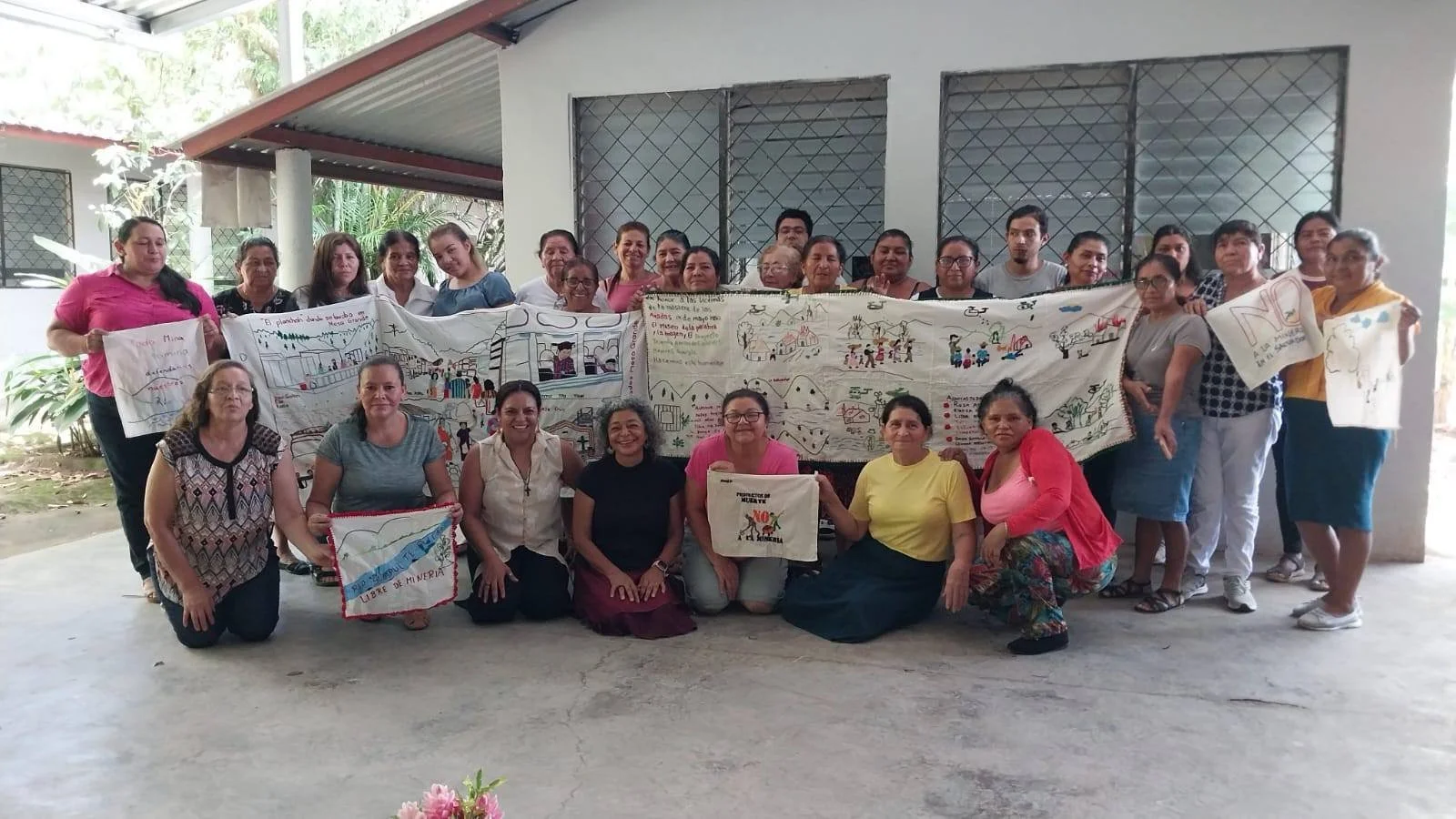
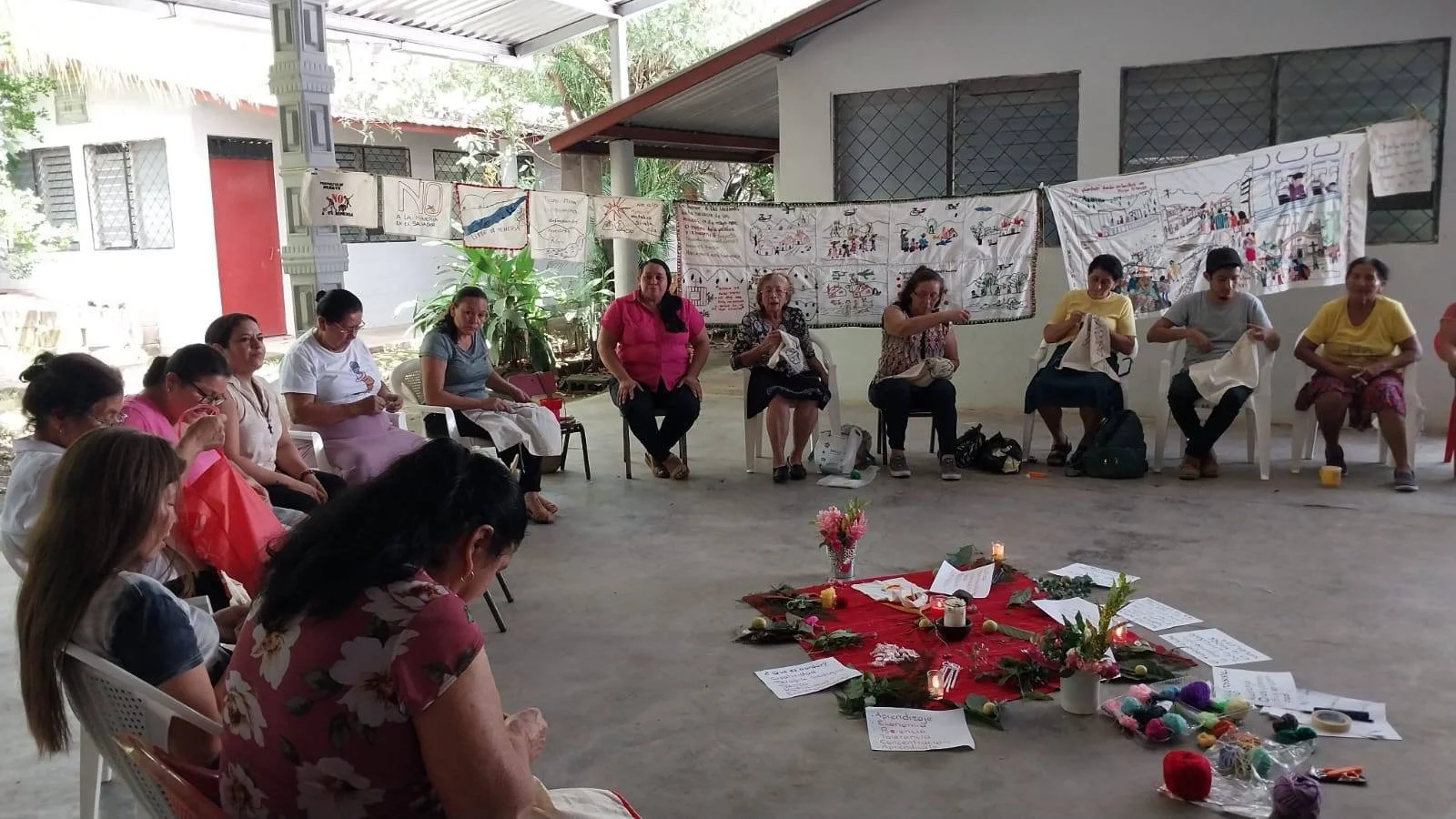
Over three days, an exchange of knowledge took place between the Mujeres Vueltenses Bordadoras de Historias collective and the women embroiderers of the Segundo Montes community in Morazán. The activity was carried out through the initiative and coordination of CÁRITAS.
The event took place in Morazán and brought together more than 30 people from different areas of the community, including adult women, young women, and men. Participants gathered in groups organized by theme, and each group embroidered a small cloth.
Teresa Cruz, an embroiderer and popular educator with MUPI, accompanied these activities. They are part of the project Women’s Cartography of Exile and Repatriation, which is being developed in the department of Chalatenango with women embroiderers and is supported by AECID and the Surviving Memory project.
On August 15, a new meeting was held, during which the previously embroidered cloths were joined into a single piece. Adult women and young women from the Segundo Montes community participated. In addition, five women from the Las Vueltas group attended, coordinated by Teresa Cruz.
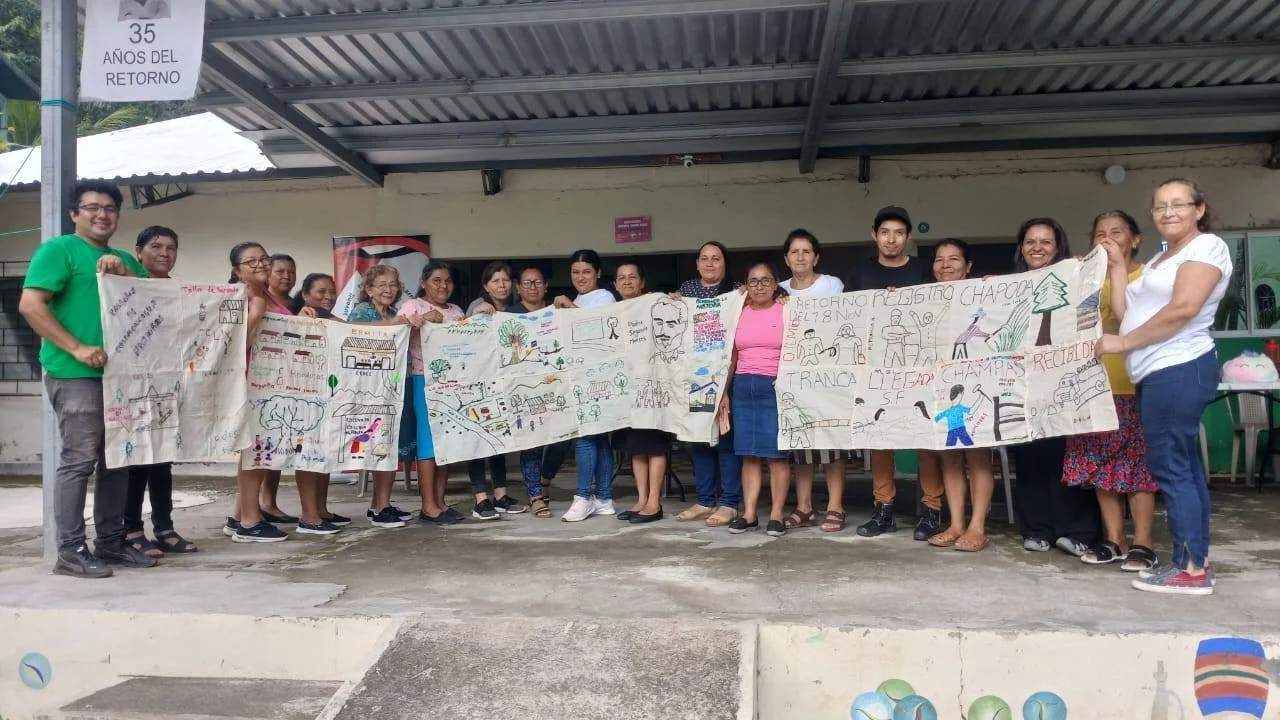
In October 2025, another exchange will take place, this time in Las Vueltas, Chalatenango, for the anniversary of the repopulation that took place in 1987.
The Surviving Memory in Postwar El Salvador research initiative is supported in part by funding from the Social Sciences and Humanities Research Council of Canada, Western University, the Canadian Foundation for Innovation, and the Ontario Research Fund.
Embroiderers Strengthen Community Culture
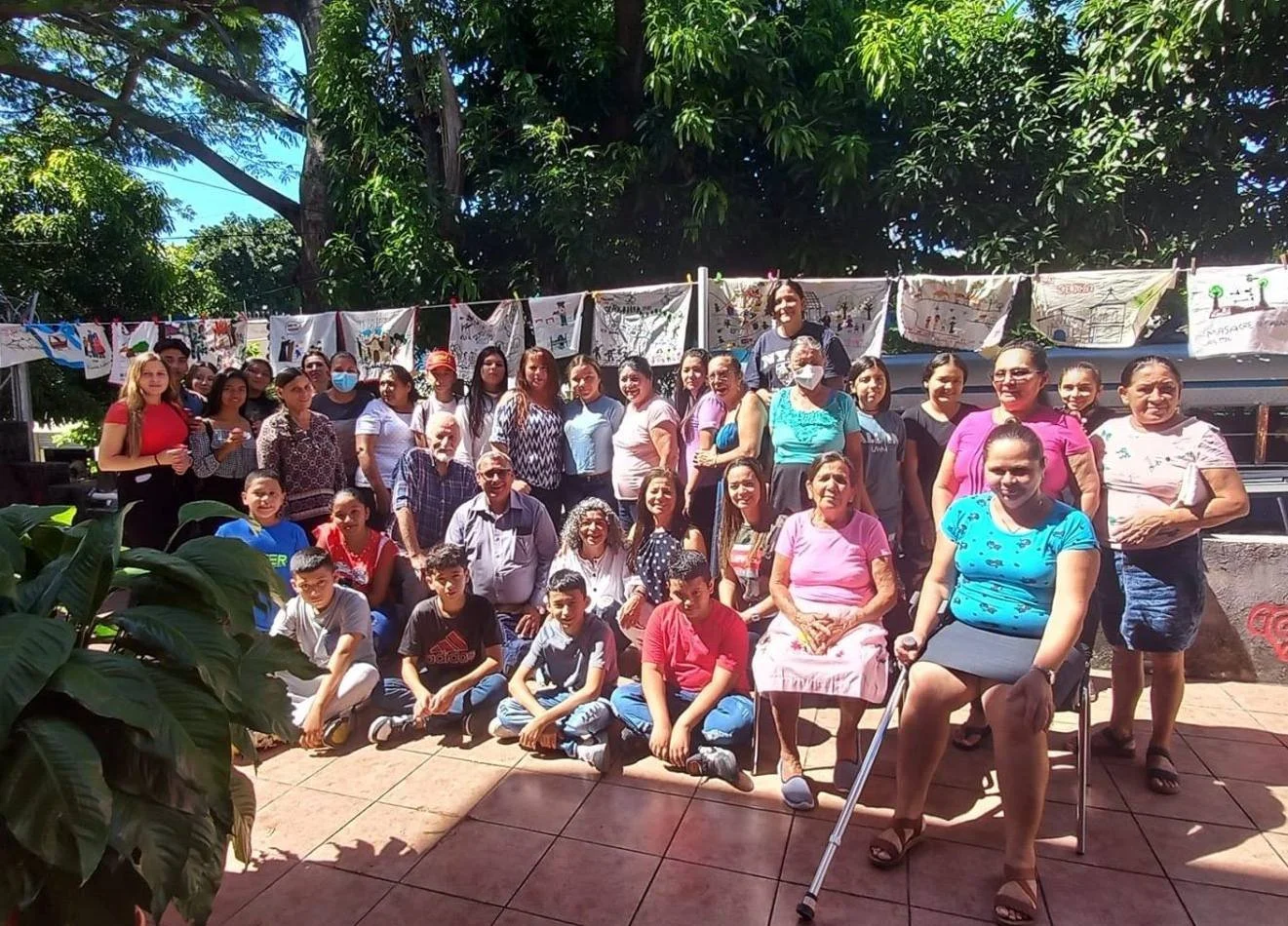
The Museo de la Palabra y la Imagen [Museum of the Word and Image, MUPI] provided women embroiderers from Las Vueltas, Chalatenango, with equipment for producing artistic textiles as part of a project supported by the Agencia Española de Cooperación Internacional para el Desarrollo [Spanish Agency for International Development Cooperation, AECID] and the Surviving Memory project. The collective is creating embroidered works related to the region’s collective memory and ancestral culture.
The equipment was presented by Carlos Henríquez Consalvi, director of MUPI, and Teresa Cruz, a cultural promoter, as part of a process aimed at strengthening the women’s economic autonomy while promoting their cultural rights and recognizing the dignity and importance of their historical role within the community.
Through weekly workshops and community fairs, the collective produces artistic works that portray their personal stories and preserve local myths and legends, traditional games, and ancient rock carvings found in the region. Students from the Las Vueltas Educational Centre have also participated in the process, creating drawings and embroideries based on these themes. These activities reinforce their community identity and encourage younger generations to continue promoting historical memory.
The process contributes to the recognition of the right to a life free from violence and promotes initiatives that preserve and share individual and collective memory, reaffirming the women’s transformative role within their communities.
The Surviving Memory in Postwar El Salvador research initiative is supported in part by funding from the Social Sciences and Humanities Research Council of Canada, Western University, the Canadian Foundation for Innovation, and the Ontario Research Fund.
Commemoration of Victims of the Armed Conflict in El Jícaro
El Jícaro is one of the communities in Chalatenango that was severely affected during the armed conflict and was the site of three brutal massacres in 1981: January 23, July 4, and during the month of October.
The community decided to commemorate July 4 in honor of all the victims of the armed conflict in the area. The commemoration includes a procession through the community, a ritual accompanied by poems or texts dedicated to the victims and survivors, testimonies, and a mass.
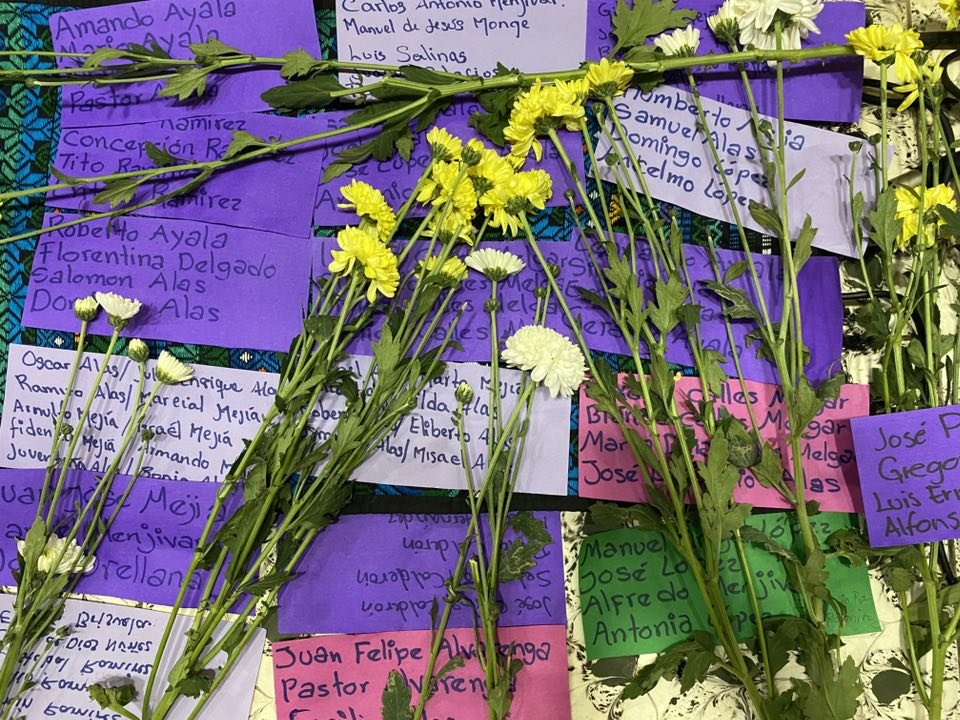
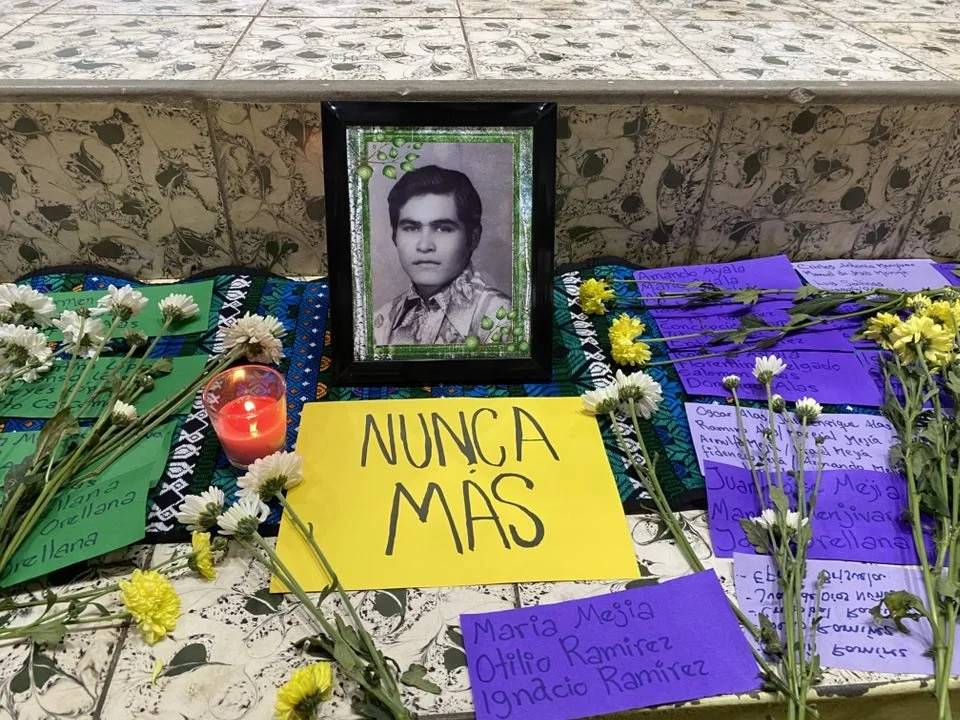
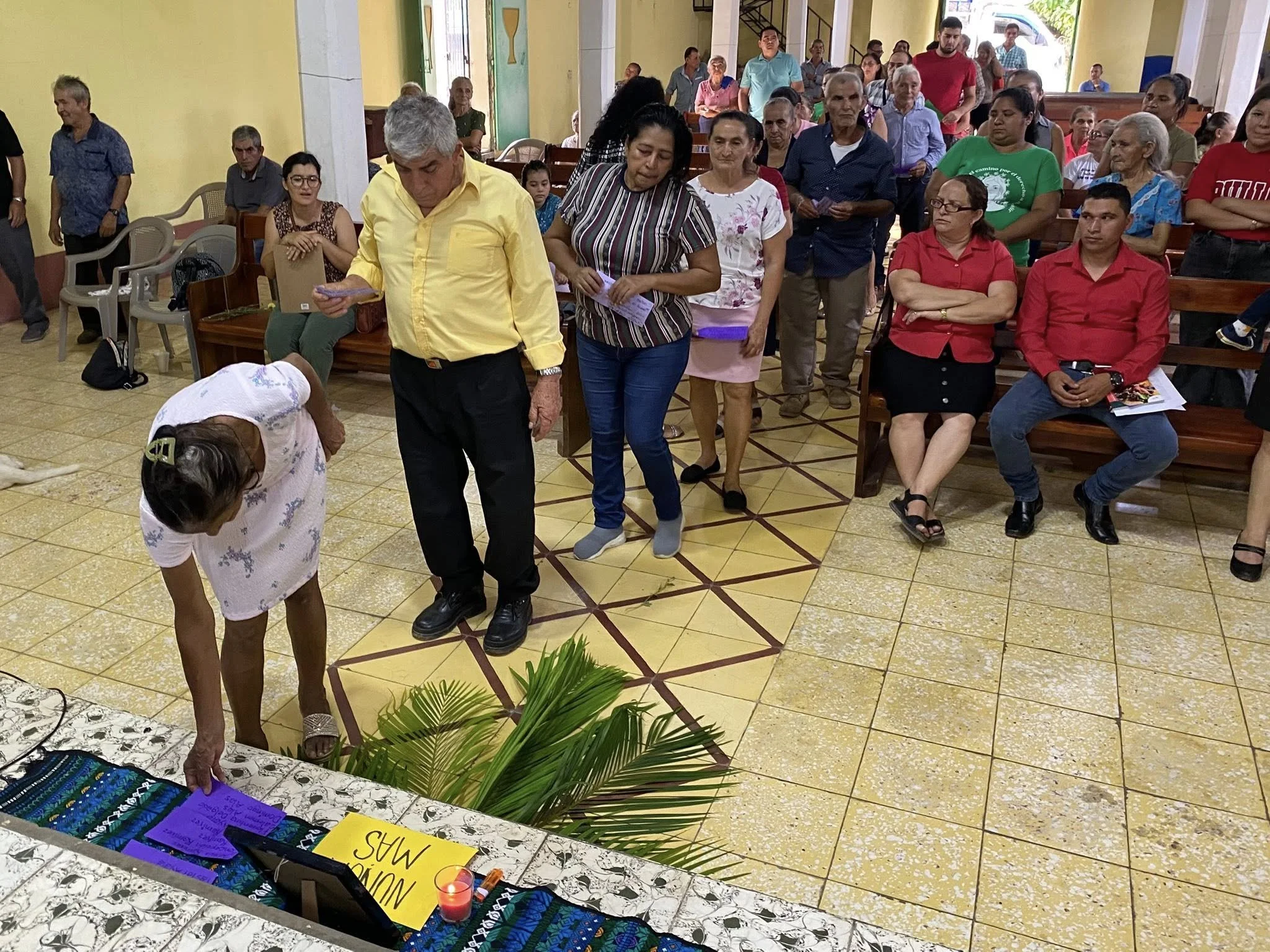
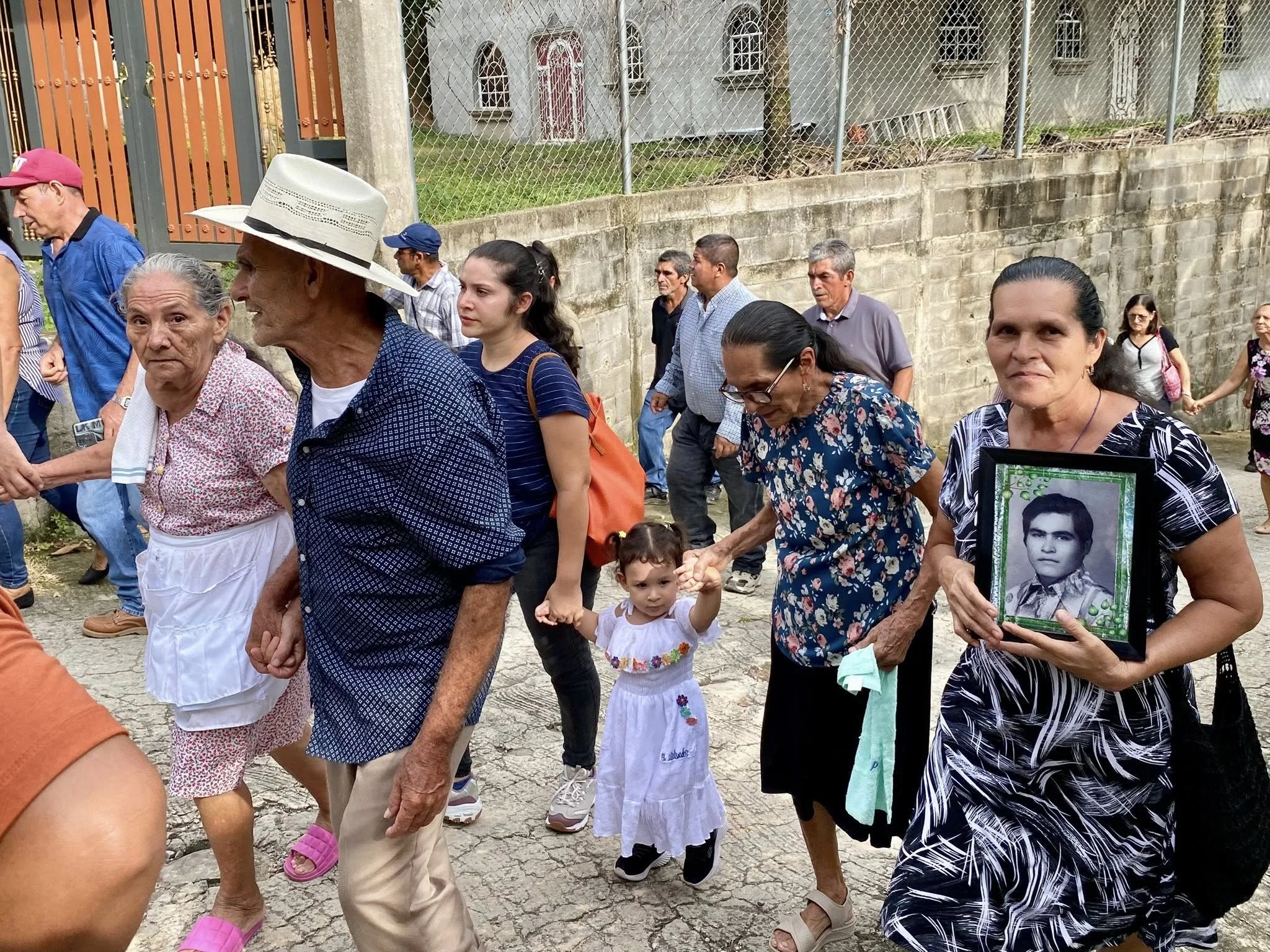
The photograph on the altar is of José Alfredo Menjívar Alas, who disappeared in 1980 along with two other young people.
At the end of the commemoration, the following poem, written by Bautista Mejía, was shared [English follows]:
Huellas del alma
Para ellos,
los que partieron sin aviso,
sin un último abrazo,
sin tiempo siquiera
para decir adiós.
Ellos,
que arrastraban sueños de justicia,
como hojas que el viento
no quiso retener.
Cuando yo aún buscaba el camino
con pasos inciertos…
Ellos partían para no volver.
Ya no están sus manos
dispuestas al abrazo,
ni su risa bajo el sol.
Pero dejaron sus huellas,
frágiles y sagradas,
en los resquicios más puros
de una niña inocente.
En cada recuerdo,
su luz se derrama
como un faro encendido
en la penumbra.
Su ausencia duele, sí…
pero no es el final.
Porque vive quien ama,
aunque su cuerpo marchito
descanse en tumba sin nombre,
sin epitafio.
Sus nombres los lleva el viento,
las montañas, el río.
Y en los sueños
rozamos sus manos
como el frío de su partida.
Para ellos,
cierro los ojos
y detengo el ruido.
Entonces comprendo:
su amor no se ha ido.
Habitan en un rincón de mi alma,
como una sonrisa lejana,
como un eco que vuelve
cuando todo está en calma.
Están en la flor,
en la lluvia,
en la luz de cada día.
Y en cada latido
de este corazón que aún tiembla,
al escuchar sus nombres.
Traces of the Soul
For them,
those who left without warning,
without one last embrace,
without even enough time
to say goodbye.
They,
who carried dreams of justice,
like leaves the wind
refused to hold.
When I was still searching for the path
with uncertain steps…
they were leaving, never to return.
Their hands are no longer here,
ready for an embrace,
nor their laughter beneath the sun.
But they left their traces,
fragile and sacred,
in the purest corners
of an innocent girl.
In every memory,
their light pours out
like a beacon burning
in the half-light.
Their absence hurts, yes…
but it is not the end.
Because those who love live on,
even if their withered body
rests in a nameless grave,
without an epitaph.
Their names are carried by the wind,
the mountains, the river.
And in dreams
we brush against their hands,
like the cold of their departure.
For them,
I close my eyes
and quiet the noise.
Then I understand:
their love has not gone.
They live in a corner of my soul,
like a distant smile,
like an echo that returns
when everything is calm.
They are in the flower,
in the rain,
in the light of each day.
And in every heartbeat
of this heart that still trembles
when hearing their names.
The Surviving Memory in Postwar El Salvador research initiative is supported in part by funding from the Social Sciences and Humanities Research Council of Canada, Western University, the Canadian Foundation for Innovation, and the Ontario Research Fund.
Participatory Strategic Planning Workshops with the Santa Marta Community
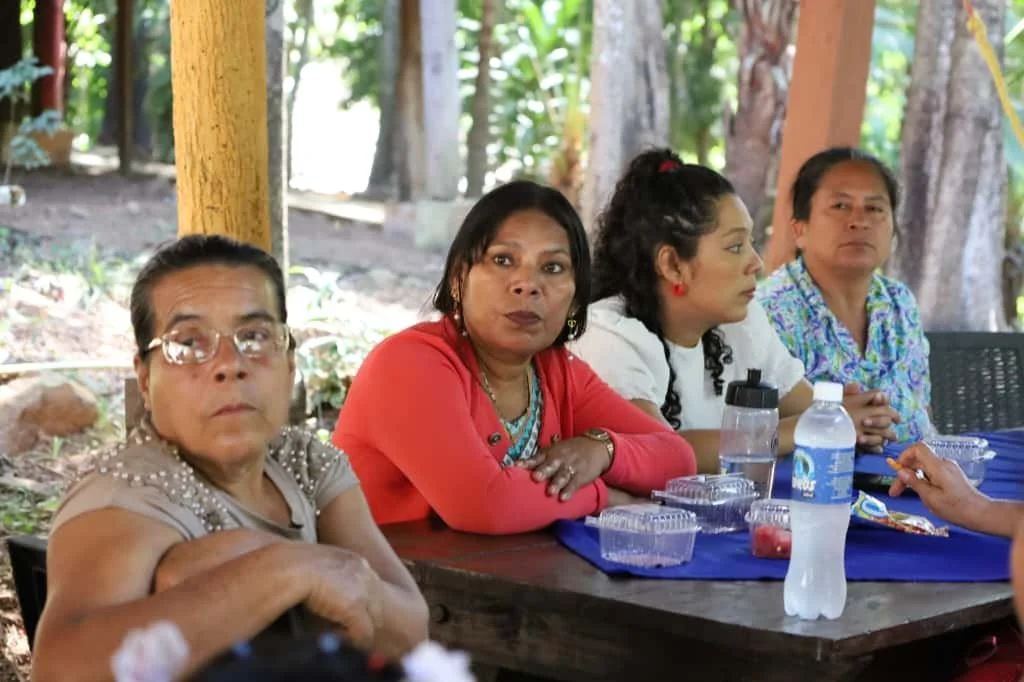
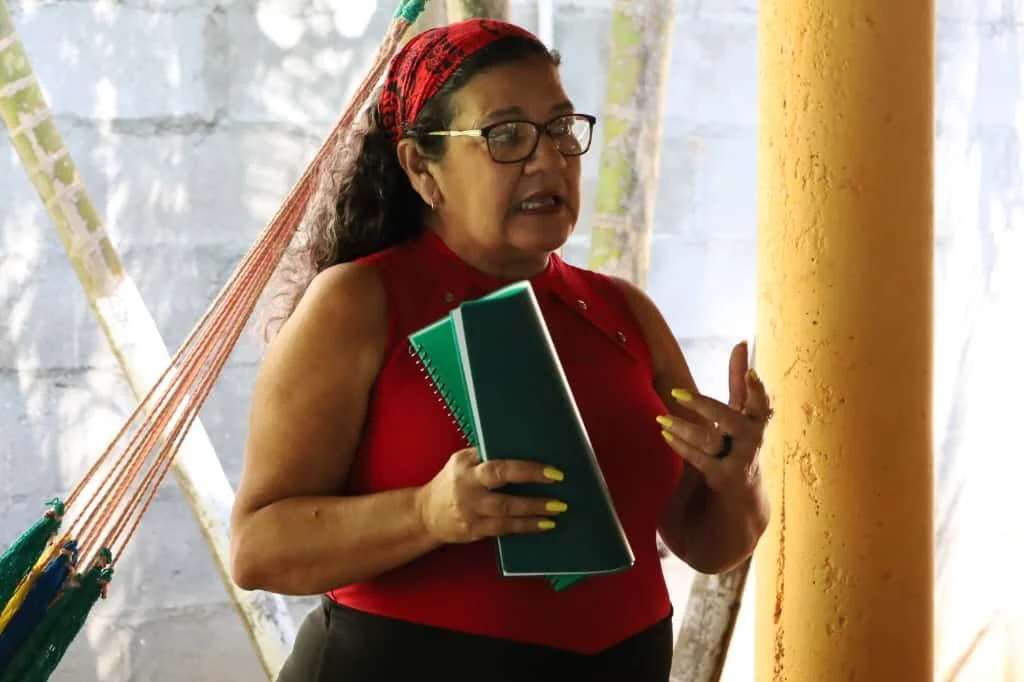
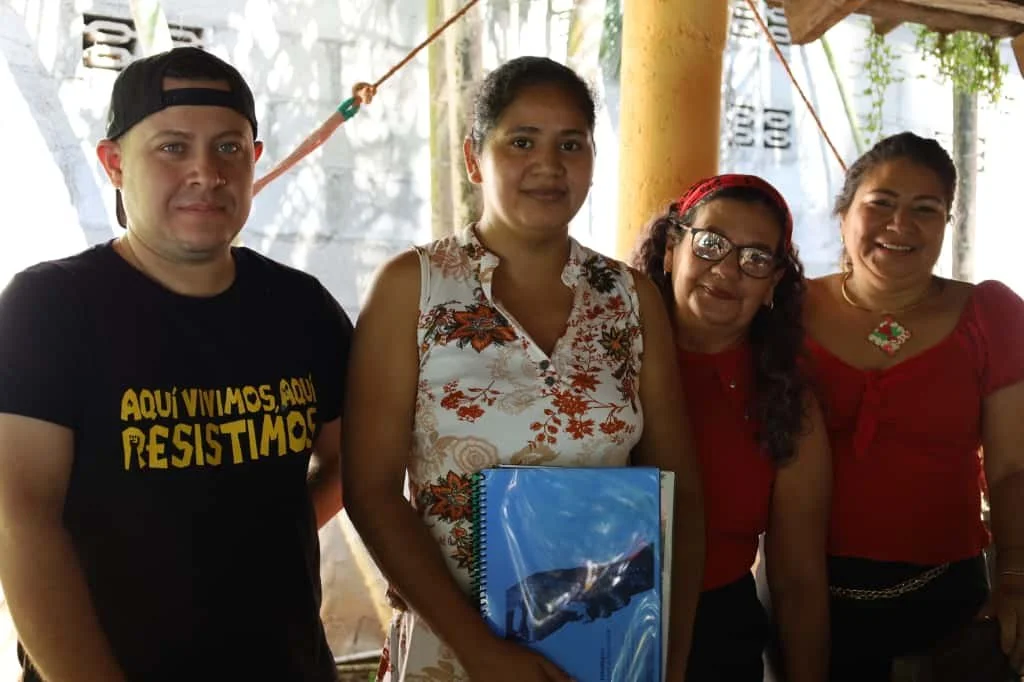
In May 2025, community members in Santa Marta came together for a series of participatory workshops focused on strategic planning for memory, education, and community-led organizing. With the involvement of more than 40 participants across generations, the workshops helped consolidate a shared roadmap for 2025–2030 grounded in lived history, collective care, and long-term continuity. Rather than “starting” something new, the process deepened work the community has sustained for decades, and clarified priorities for the Casa de la Memoria [Memory House] (as a physical and digital space), sites of memory, intergenerational education, artistic participation, and women’s memory as a pillar of community knowledge. The workshops also reaffirmed that the future Committee of Historical Memory, chosen by community assembly, will guide coordination and continuity of the initiatives.
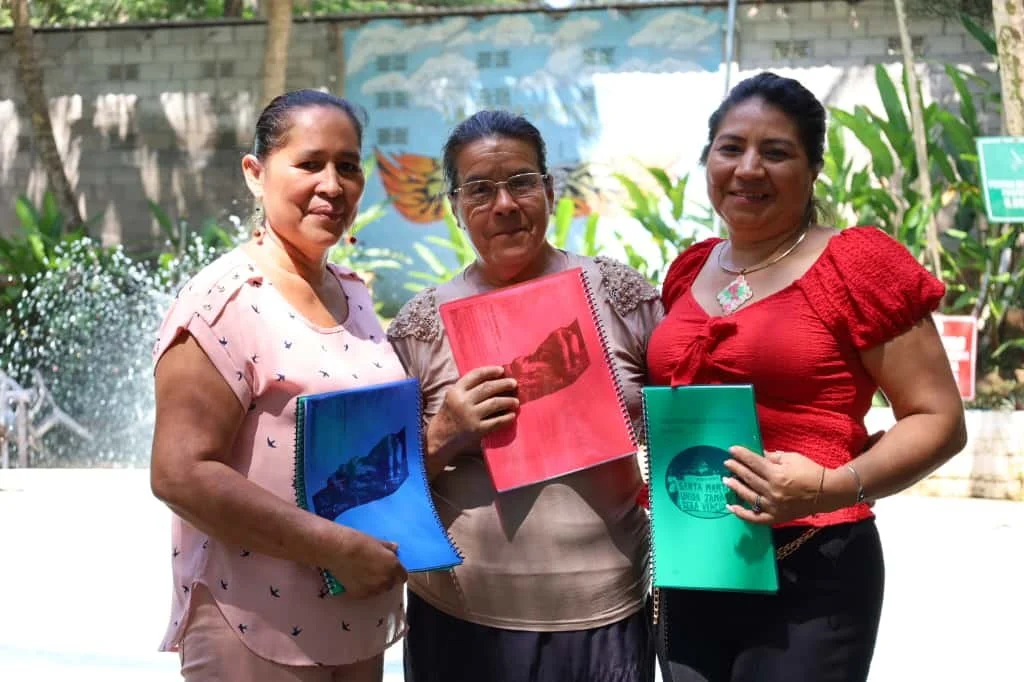
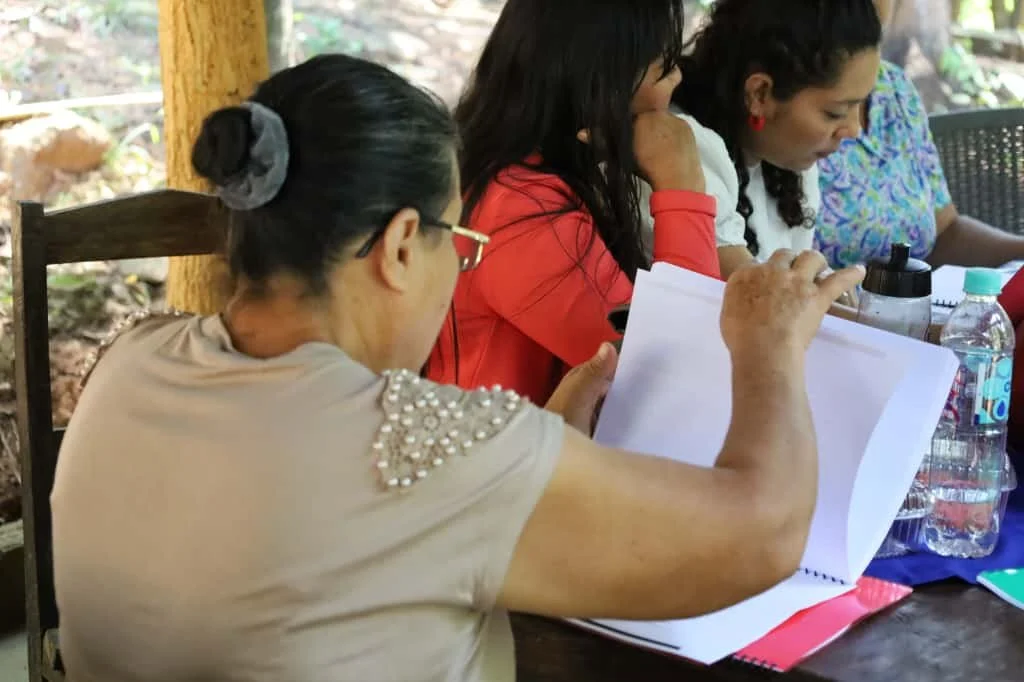
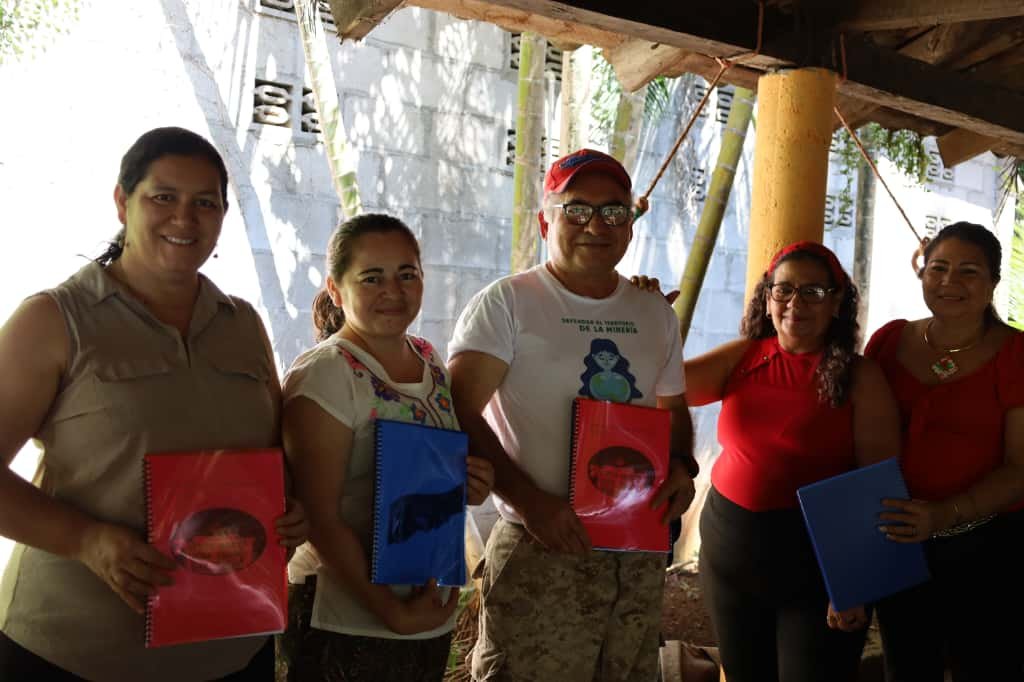
The Surviving Memory in Postwar El Salvador research initiative is supported in part by funding from the Social Sciences and Humanities Research Council of Canada, Western University, Ferris State University, the Canadian Foundation for Innovation, and the Ontario Research Fund.
Research-Creation in Action: Building a Community Roadmap for Memory, Education, and Digital Access
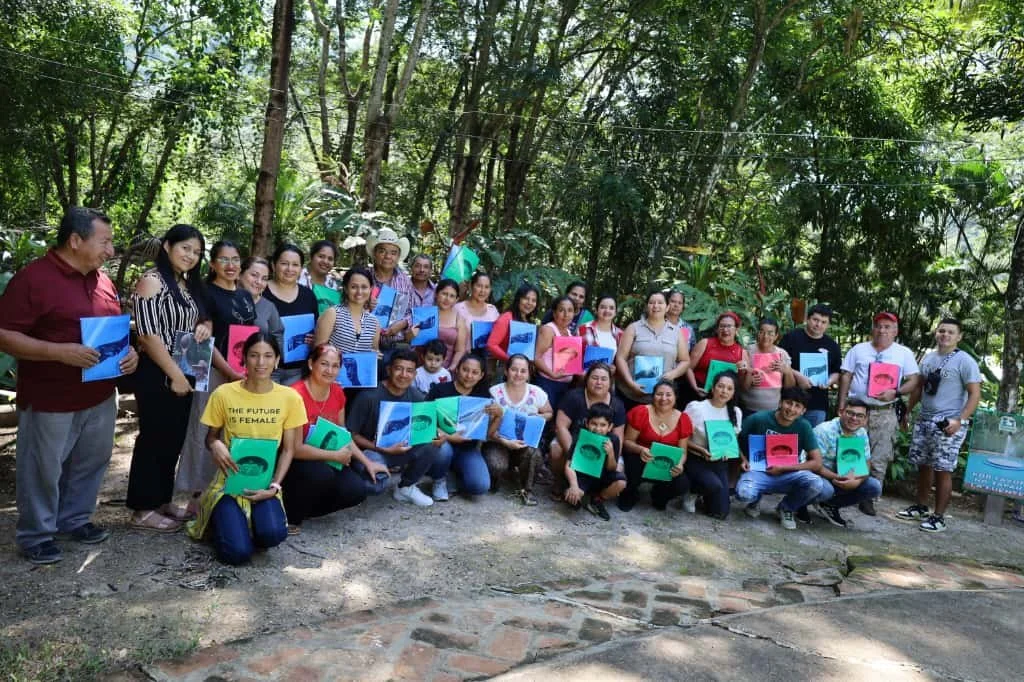
Over the past year, research activities with the Santa Marta (in Cabañas, El Salvador) community have focused on strengthening community-led memory work through collaborative research-creation. This has included documenting priorities for a Casa de la Memoria [Memory House] that is both physical and digital, advancing the organization of testimonies, photographs, and music for long-term preservation, and identifying opportunities for youth involvement in documentation and digital skills. Community discussions also highlighted the importance of mapping and caring for sites of memory, rivers, hills, caves, paths, and community spaces, so future generations can connect landscape to testimony through commemorations, plaques, and digital routes or maps. Across these activities, the work emphasizes intergenerational learning and participatory cultural practices (theater, music, embroidery, storytelling) as essential ways memory remains alive and accessible within and beyond Santa Marta, including for diaspora communities.
The Surviving Memory in Postwar El Salvador research initiative is supported in part by funding from the Social Sciences and Humanities Research Council of Canada, Western University, Ferris State University, the Canadian Foundation for Innovation, and the Ontario Research Fund.
Community Conference on Memory, Trauma, and Mental Health
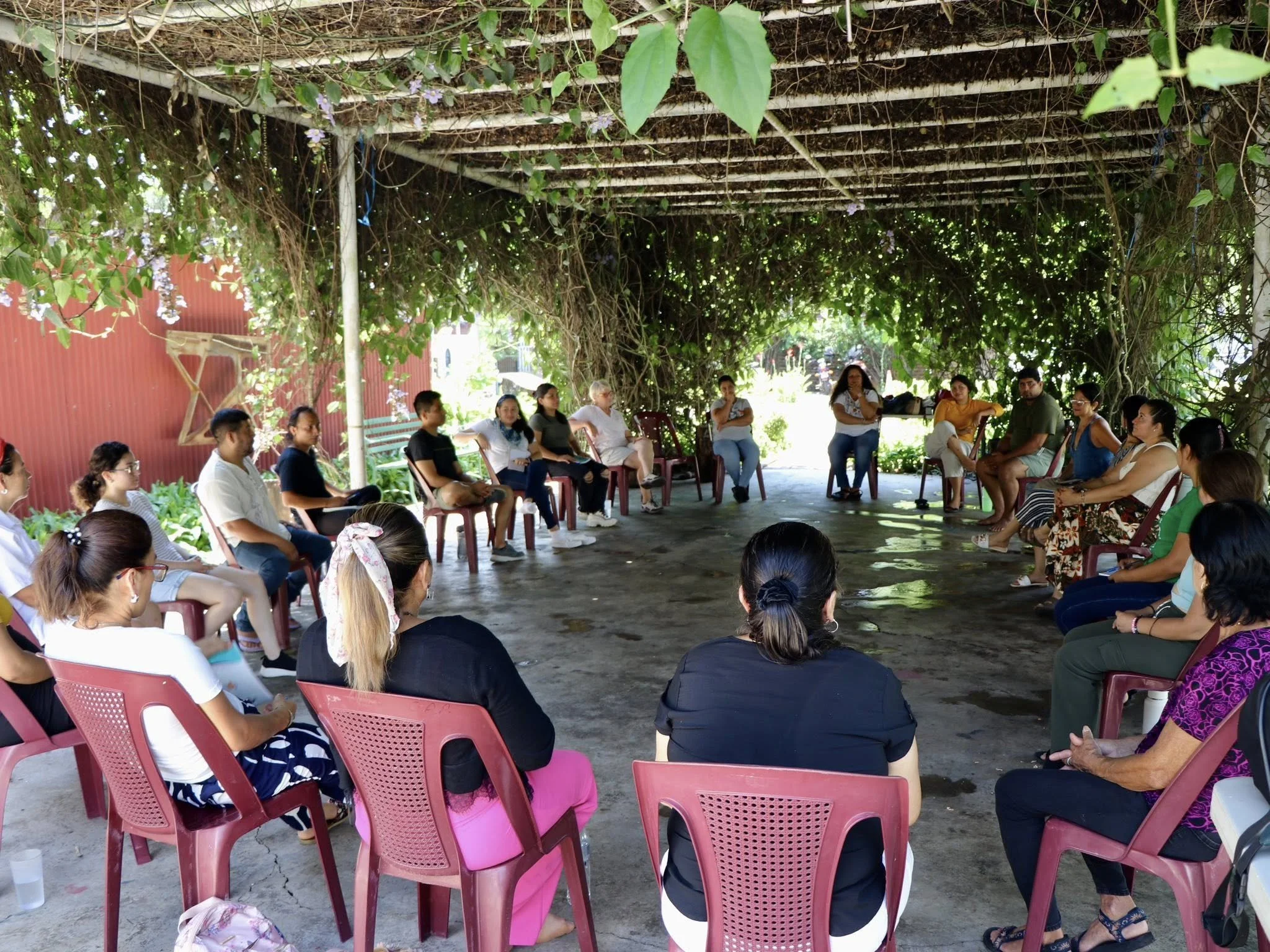
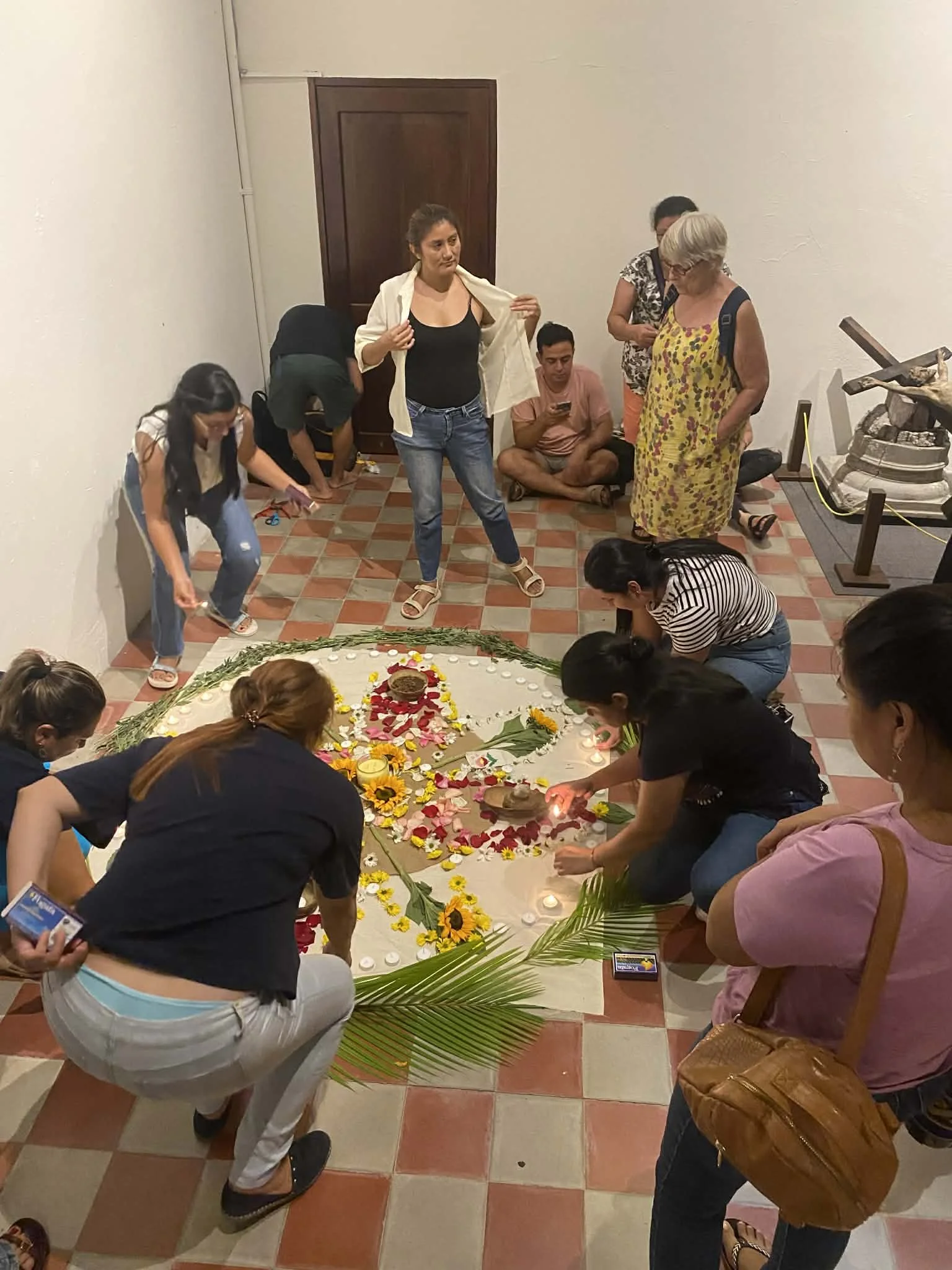
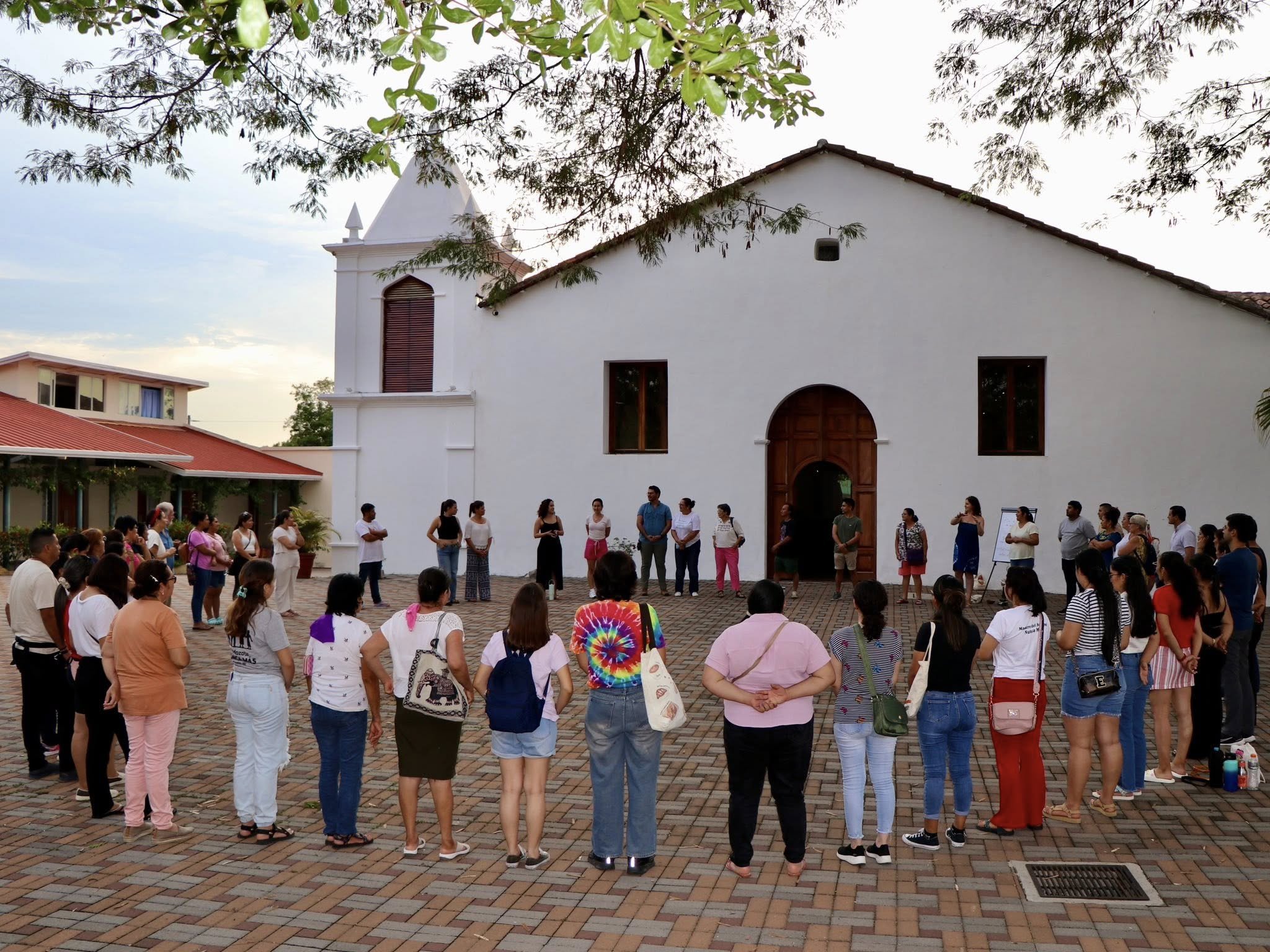
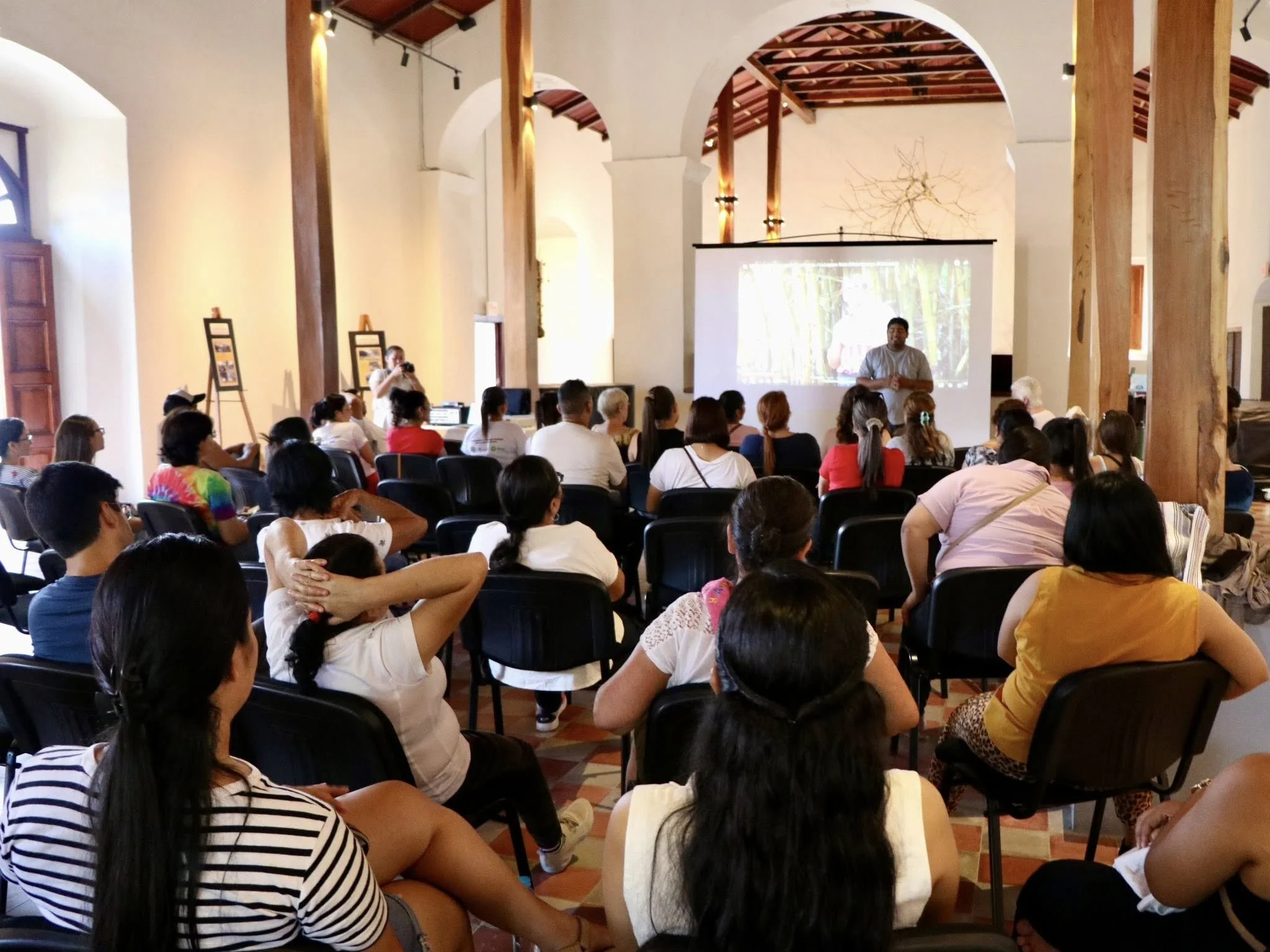
In May 2025, the Surviving Memory in Postwar El Salvador project co-organized the conference “Memoria, Trauma y Salud Mental: Intercambio de Experiencias para la Praxis Comunitaria e Intergeneracional II” in Suchitoto, El Salvador. The event brought together 65 participants, including community leaders, health professionals, artists, educators, and researchers from El Salvador and international partner organizations, to exchange experiences and strategies for addressing the long-term psychological and social impacts of war and violence in post-conflict communities.
Building on the first conference organized in Arcatao in 2023, the gathering created a space for dialogue between community-based practitioners and mental health professionals working in rural regions affected by the Salvadoran Civil War. Workshops and discussion sessions explored a range of topics including trauma and memory, community-based mental health practices, the role of art and storytelling in healing processes, youth engagement, and strategies for strengthening local support networks.
Participants emphasized the importance of culturally grounded and community-driven approaches to mental health that integrate historical memory, collective care, and intergenerational dialogue. The outcomes of the event will contribute to a bilingual research report documenting key insights and recommendations for future community-based mental health initiatives in the region.
The Surviving Memory in Postwar El Salvador research initiative is supported in part by funding from the Social Sciences and Humanities Research Council of Canada, Western University, the Canadian Foundation for Innovation, and the Ontario Research Fund.