
By: Juan Carlos Jimenez
When I first began my PhD at the University of Toronto, I did not expect to come full tilt to working in Arcatao on historic memory, a community I have come to know and cherish since I was a high schooler. I had visited Arcatao with my mother and father and volunteered on medical brigades and exchanges to Chalatenango with the Salvadoran Canadian Association.
As I finished a Masters in Environmental Studies at York University, my godfather, Eusebio Garcia, a long-time community leader with the Salvadoran Canadian community, invited me to join this project. At that point, I was facilitating photovoice workshops with second-generation Salvadoran Canadian youth in southern Ontario, and I began integrating this work into the Surviving Memory project. As I visited Chalatenango with Surviving Memory and facilitated focus groups and interviews, I would hear young adults in rural communities talk about the complicated nature of becoming an adult amidst socio-economic difficulties and historic trauma from the Salvadoran Civil War.
After these conversations, I knew I wanted to work on the themes of young adulthood, livelihoods, and emotional wellbeing. During a visit to Arcatao in 2023, I serendipitously met Medios de Vida Sostenibles para la Juventud (Sustainable Livelihoods for Youth), a grassroots community development program that works with young adults in Arcatao, Nueva Trinidad, San Jose las Flores, and other communities in Chalatenango. Medios de Vida provides seed capital, entrepreneurial training, and emotional accompaniment, to young adults and elders to start their businesses in their hometowns as a means of providing a livelihood alternative to migration. The team at Medios de Vida and I began developing a friendship, we decided to create a community-based research partnership between my dissertation and their program.
We planned our research project together and agreed that part of my research would help evaluate their program’s impacts on young adults and socio-economic development of Chalatenango. Medios de Vida connected me with their project participants and other community leaders in the region. I returned in 2024 for a three-month visit to begin our project and facilitated 45 life course interviews with young adults living in Arcatao and Nueva Trinidad, and 15 key informant interviews with community leaders. I also facilitated two photovoice workshops with young adults in both districts, around themes of intergenerational knowledge, wellbeing, and connection to land and place. Having been a recipient of the Connaught PhDs for Public Impact Fellowship Program, I used my project funding to help finance Medios de Vida’s annual Crear Joven Festival, as well as a youth gathering and vocational training for young woman in the program.
While working on my dissertation, I connected Medios de Vida to the Surviving Memory in Post-War El Salvador project. With one institutional partner in particular called the Global Minds Collective, a Canadian-based non-profit working on mental health, mindfulness, and social innovation in the Global North and South. The organization was aiming to bring their Mindful Social Innovation Labs to Chalatenango, a program series that brings young adults together over a series of 10 sessions to learn mindfulness practice and plan and implement a social innovation project that responds to the mental health needs in their communities. In 2025, Medios de Vida hosted Global Minds Collective’s first Mindful Social Innovation in El Salvador, working with a collective of twenty young adults. This program took place between November 2025 and May 2026 and culminated in the creation of a new community project called Equilibrio, a community wellness center with a gym that provides community education on healthy living habits, mindfulness, and emotional wellbeing.
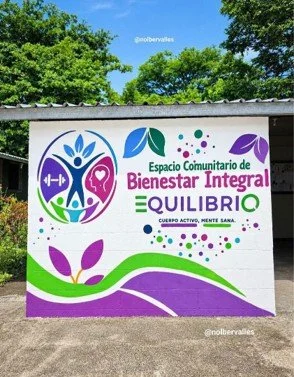
Photo 1: Equilibrio Community Wellness Center in Arcatao.
In 2026, our community-based participatory action research project culminated in our final community action together. Since our initial conversations in 2023, Medios de Vida and the Youth Association for the Development of the Municipality of Arcatao mentioned in interviews and meetings the desire to create a mural project led by the youth association that commemorates community activism and post-war economic reconstruction in the 1990s and 2000s. In collaboration with Medios, the Youth Association, the Surviving Memory in Post War El Salvador project, Grupo Matiz, and Caritas Chalatenango, we organized a historic memory and mural making workshop series with youth and children.
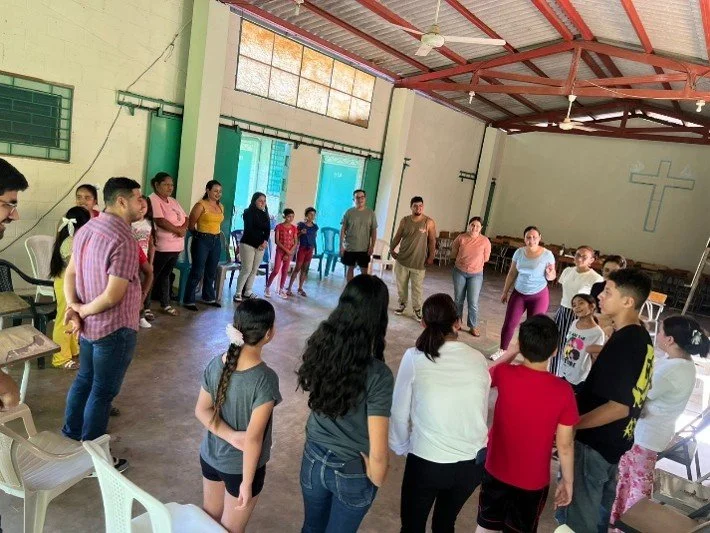
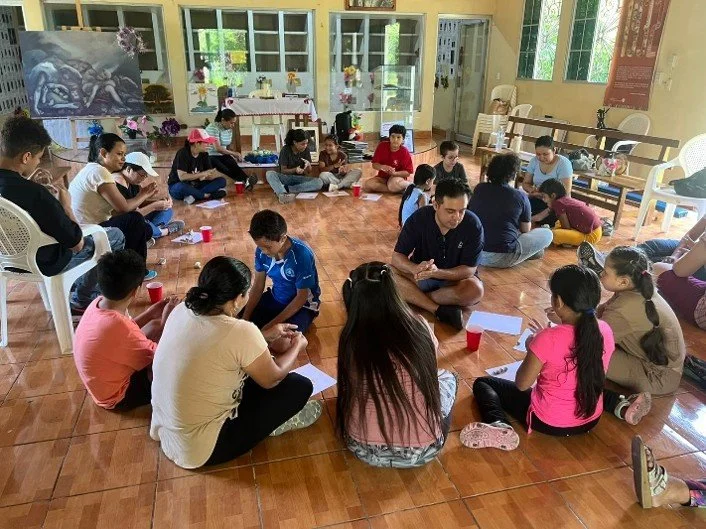
Photo 2 and 3: Arts-based workshops and reflections with youth and children in Arcatao.
In the first two sessions, Grupo Matiz and Medios de Vida facilitated discussions around the memories of civil war violence and post war reconstruction, and what this memory means to them and their community. Arts-based reflections were used to think carefully about what this history means to them. In the following workshop, children and youth brainstormed the different images that would make up part of the murals in Arcatao. In the third and final session, children and youth participated in the painting of a first mural, on the stairway beside the municipal office in Arcatao that leads up to the central park.
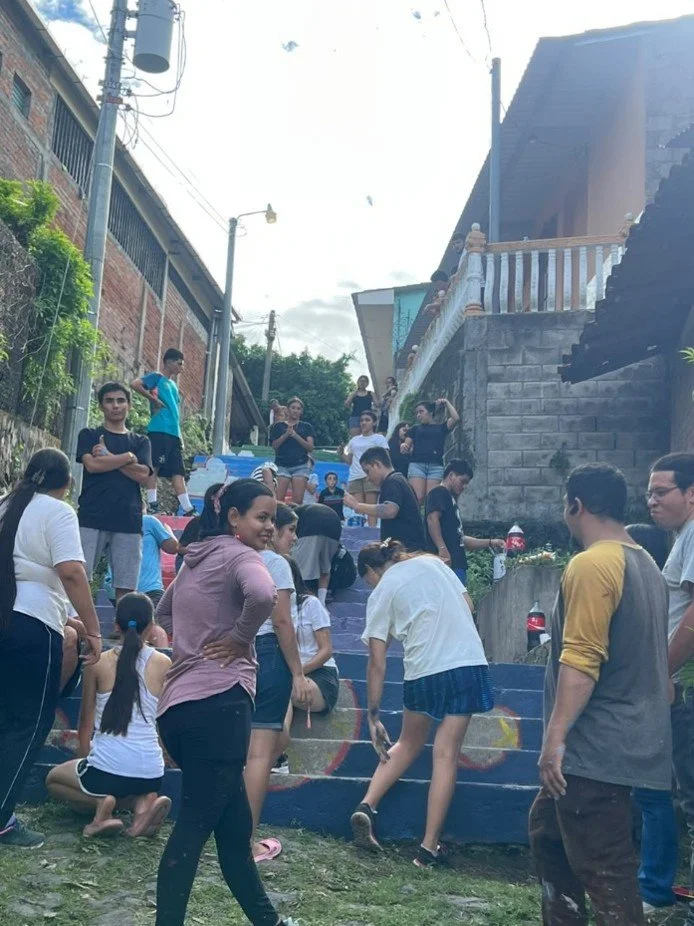
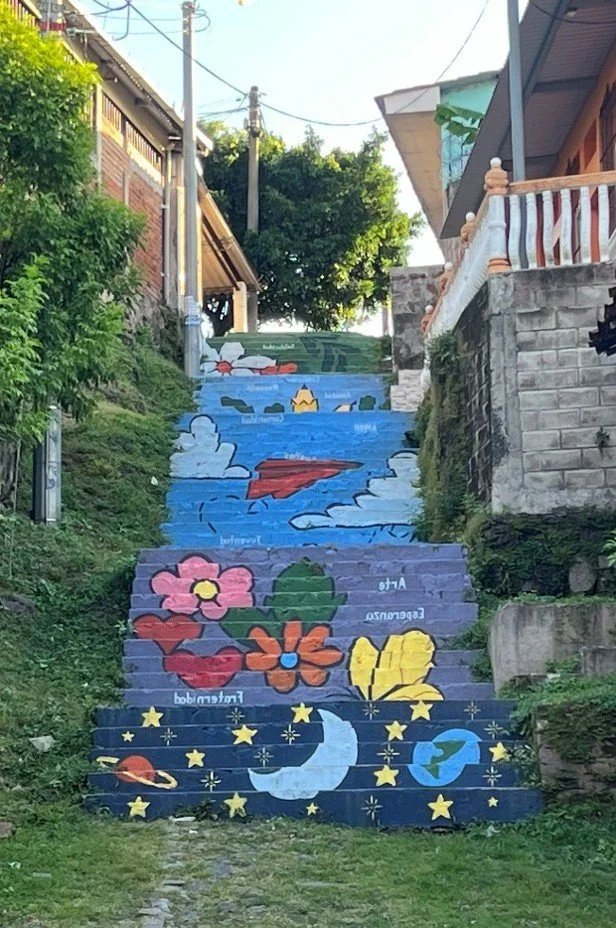
Photo 4 and 5, mural painting with youth in Arcatao.
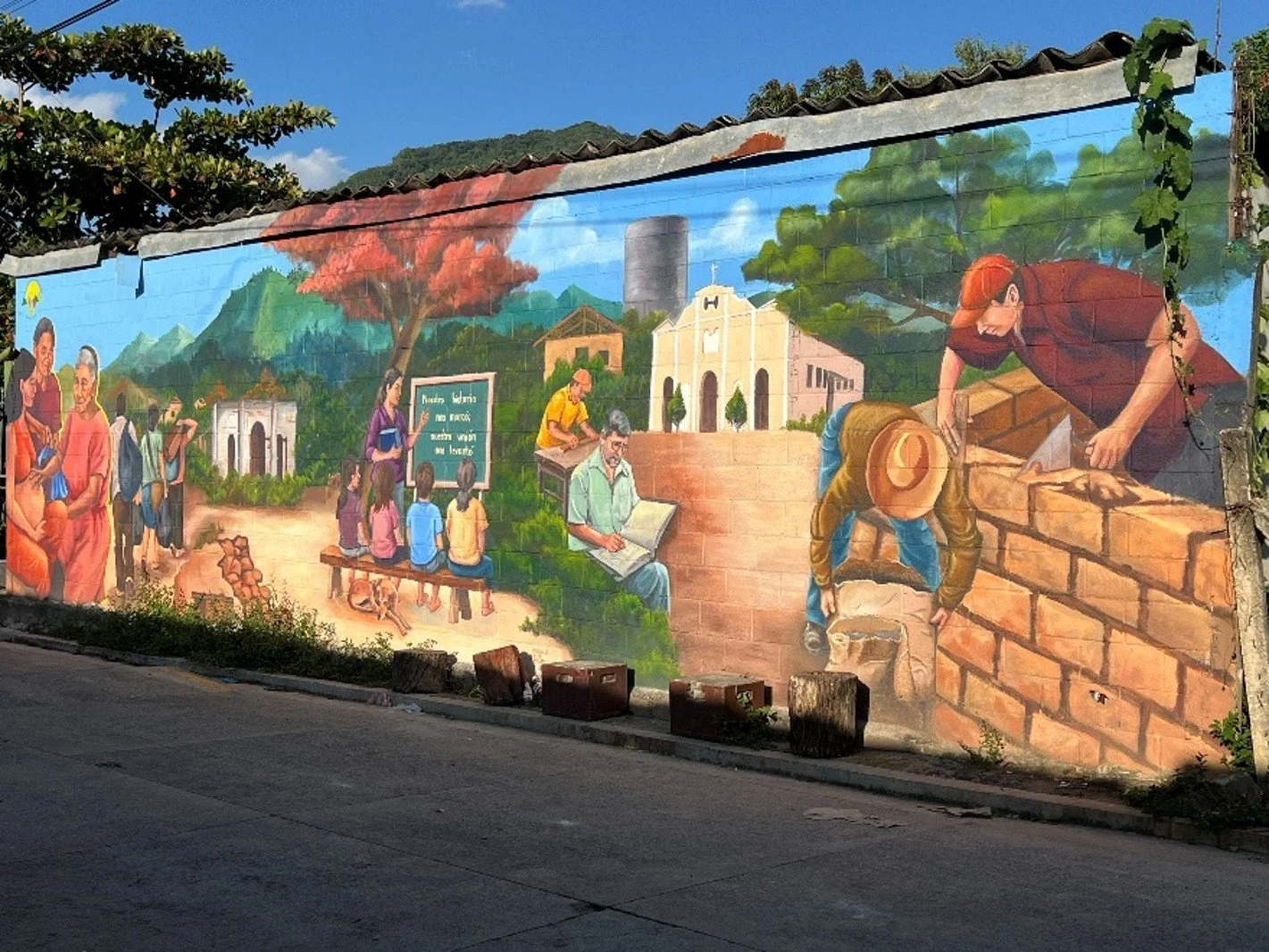
Photo 4: Mural art in Colonia Jesus Rojas in Arcatao.
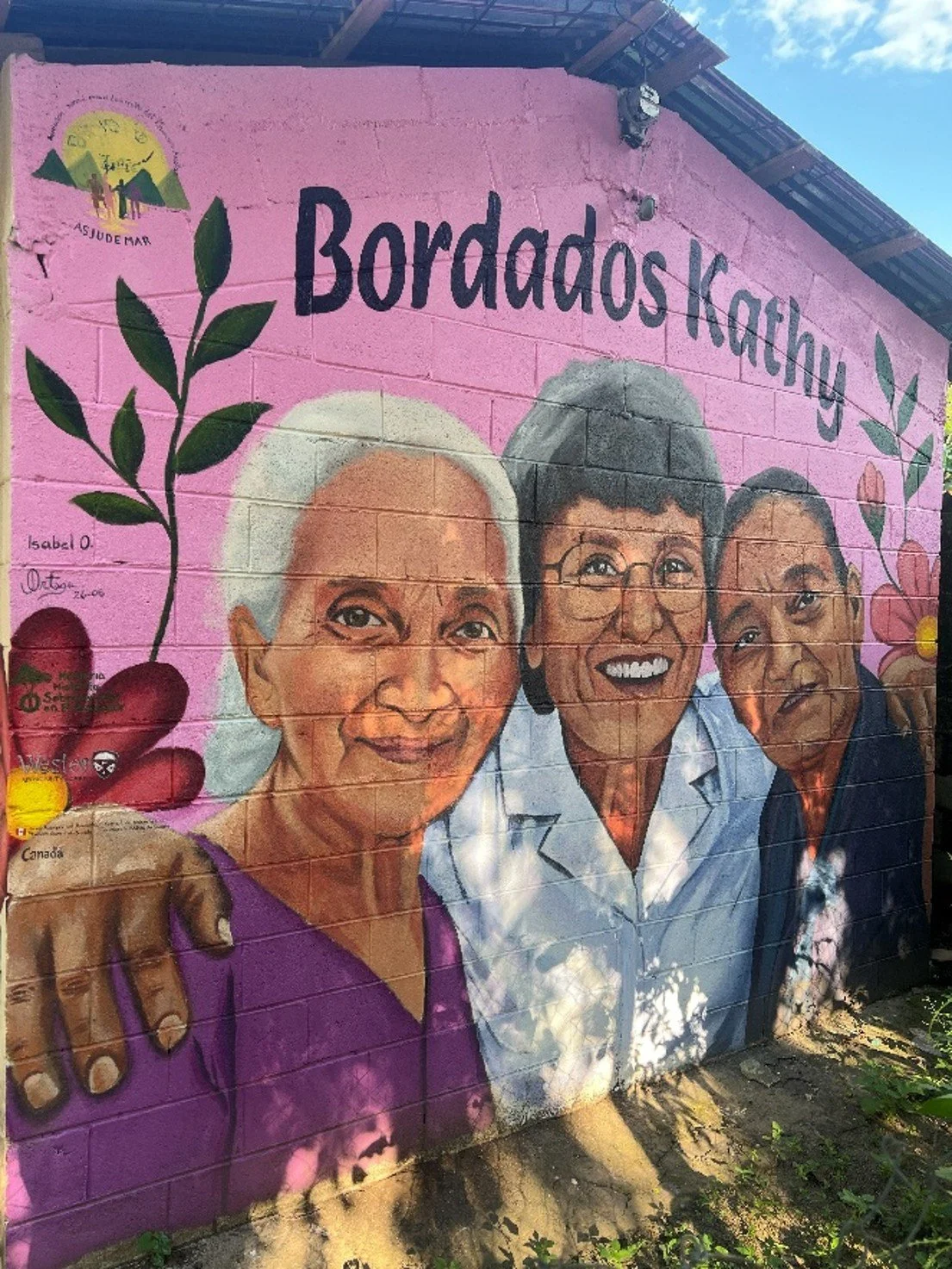
Photo 5: Second mural art on the women’s embroidery workshop in Arcatao.
As of late 2026, my dissertation research project is waning down as I write my thesis and the historic memory mural projects and the Equilibrio community health center come to completion. I visited Arcatao in May of 2026 to present my initial research findings to Medios de Vida’s program participants and the Association for Communal Development (ADESCO) in Arcatao. My final community-based output will be to visit Arcatao in May of 2027 to share my finalized research findings. I will also write an academic paper on Medio de Vida’s impact on local community development in Chalatenango.
Facilitating a community-based participatory action research project as a PhD student and candidate can be difficult. A doctoral student’s PhD funding and time limitations often act as a limitation to doing long term, slow, community-based scholarship with a social impact. Having worked with Medios de Vida, the Surviving Memory Project, Global Minds, and the many community leaders and organizations that have assisted me on this path, has made this type of long term, sustained, community-based research and outputs possible. I am sincerely grateful for the opportunity to have worked alongside this wonderful team of community leaders and international researchers, and I look forward to continuing our collaborations together.
The Surviving Memory in Postwar El Salvador research initiative is supported in part by funding from the Social Sciences and Humanities Research Council of Canada, Western University, the Canadian Foundation for Innovation, and the Ontario Research Fund.